Main Courses
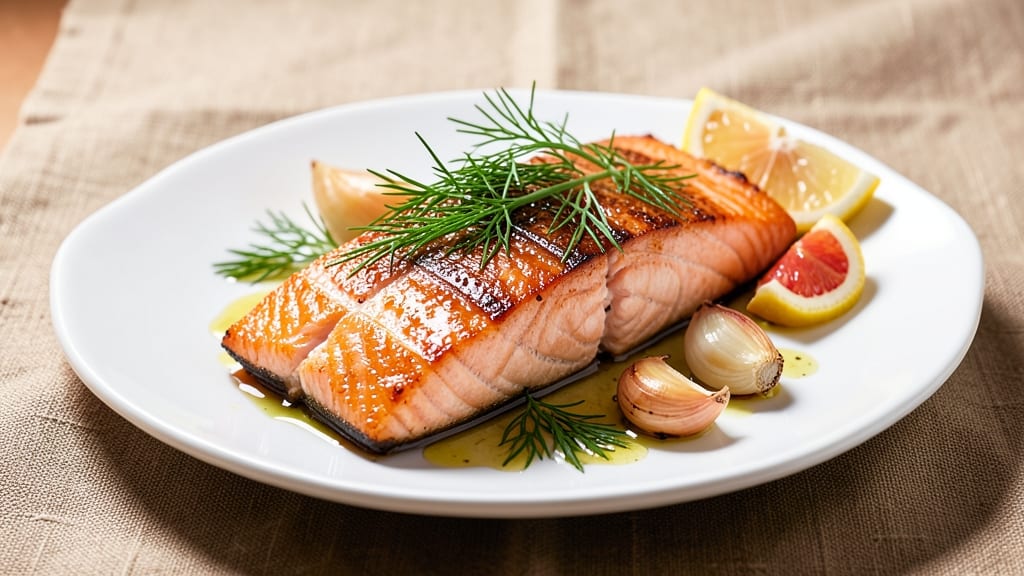
Mastering the perfect cooked salmon recipe means achieving that coveted contrast: crispy skin that shatters like glass and flaky centers so tender they melt at first touch. After years of testing techniques—from delicate poaching to high-heat searing—I’ve refined this method to deliver restaurant-quality results every time.
The secret lies in patience and precision, starting with a perfectly chilled fillet and a hot, dry pan.
What sets this recipe apart is the two-stage cooking process: first, rendering the skin slowly to create that golden, crispy shell; then, flipping just once to ensure the delicate flesh stays moist and flaky.
I’ve tested this method with wild-caught Pacific salmon from Portland’s farmers markets, where the fish arrives at peak freshness—though any high-quality fillet will work. The key ingredients are simple: fresh salmon, a touch of olive oil, and a pinch of salt, but the technique transforms them into something extraordinary.
By the time you plate this salmon, you’ll have a dish that’s visually stunning and irresistibly delicious—golden skin crackling under gentle pressure, tender flesh that flakes effortlessly, and a subtle buttery richness that comes from cooking it just right.
This is the kind of recipe that elevates weeknight dinners into special occasions, whether you’re serving it for a date night or a family meal. The best part? It takes less than 15 minutes of active time, making it perfect for busy weeknights.
Pair it with a bright lemon-dill sauce, roasted asparagus, or a simple quinoa salad to round out the meal. The crispy skin holds up beautifully, so you can even serve it at room temperature for potlucks or picnics—just don’t skip the final sprinkle of flaky sea salt and fresh herbs.
Let’s get cooking!
Ingredients for cooked salmon
The secret to perfect salmon: crispy skin and melt-in-your-mouth centers—just five ingredients transform it into restaurant-worthy magic.
| Ingredient | Amount | Notes |
|---|---|---|
| Wild-Caught Pacific Salmon Fillet 🐟 | 1 ½ lb | Skin-on, center-cut preferred |
| Extra-Virgin Olive Oil 🫒 | 2 tbsp | High-quality, fruity variety |
| Kosher Salt 🧂 | 1 ½ tsp | Fine grain, non-iodized |
| Fresh Lemon 🍋 | 1 whole | Juiced, seeds removed |
| Fresh Dill 🌿 | ¼ cup | Chopped, stems removed |
| Garlic Cloves 🧄 | 2 cloves | Minced, fresh preferred |
| Unsalted Butter 🧈 | 2 tbsp | Cold, cubed for finishing |
| Flaky Sea Salt 🧂 | 1 tsp | For final garnish |
| Black Peppercorns 🌶️ | ½ tsp | Freshly cracked |
| Ice Cubes ❄️ | 1 cup | For chilling fillets |
The salmon makes or breaks this dish. Wild-caught Pacific from Portland's farmers markets is my go-to—ask for center-cut fillets with skin intact. If you can't find wild-caught, Atlantic farmed works in a pinch, but avoid pre-battered or glazed fillets. The skin should be shiny, not dull, and the flesh should smell fresh, like the ocean. Pat it completely dry with paper towels before cooking—wet skin won't crisp. I always buy a little extra and freeze portions for later; vacuum-sealed, it keeps for up to 3 months.
No extra-virgin olive oil? Avocado oil works just as well for high-heat searing. Fresh dill is ideal, but dried dill at one-quarter the amount gets you close. Short on butter? Ghee or clarified butter gives the same richness without burning. The lemon juice can be bottled, but freshly squeezed adds that bright pop. For the garlic, I usually grab the fresh jarred minced from Trader Joe's—no prep, and it keeps for weeks in the fridge. If you're feeling fancy, smoked sea salt instead of flaky adds a gourmet touch.
This dish reheats beautifully—just warm in a 200°F oven for 8-10 minutes. Store leftovers covered in the fridge for up to 2 days, though I rarely have any. The crispy skin loses its magic after the first day, so plan to eat it fresh. For make-ahead prep, pat the cooked salmon dry and store it skin-side down in the fridge. The skin stays crispier longer this way. Serve with lemon wedges on the side—squeeze extra over the top right before eating for maximum brightness.
Why You'll Love This Recipe
- Five-Ingredient Magic: I swear, this is the kind of recipe where you open the fridge and boom—dinner’s ready. Wild-caught salmon needs almost nothing to shine, and with just olive oil, salt, lemon, and dill, you’re already winning.
- Crispy-Creamy Dream: That golden crust from the olive oil and salt? Irresistible. But the inside stays tender—like biting into a cloud that somehow tastes like summer. The lemon brightens it up so fast, you’ll forget how simple it is.
- Weeknight to Dinner Party: Same recipe, different vibes. Toss it on a sheet pan for a lazy Tuesday, or plate it with asparagus and a drizzle of olive oil for guests. Honestly, I’ve served this at both, and no one ever asked which was which.
- Leftover Hero: Cook once, eat twice. The salmon keeps beautifully in the fridge, and reheats like it was just made. Between us? I often make extra just to have for salads or wraps later—no waste, all flavor.
Step-by-step instructions for pan-seared crispy skin and flaky centers
Here's how to achieve that perfect balance of crispy skin and melt-in-your-mouth flakiness every time.
Prep the Salmon for Maximum Crispiness
Start by patting the 1.5 lb wild-caught Pacific salmon fillet dry with paper towels—this is absolutely critical for crispy skin. You want it bone dry, especially on the skin side. I like to press firmly with the towels to remove any moisture that might prevent browning.
Place the fillet skin-side down on a plate and cover it with the 1 cup ice cubes. Let it chill for 15 minutes—this firms up the flesh slightly and helps prevent overcooking. While it chills, zest the whole fresh lemon and finely chop the 0.25 cup fresh dill. The zest adds bright citrus notes that cut through the richness of the salmon.
Season and Create the Perfect Crust
Remove the salmon from the ice and season both sides generously with the 1.5 tsp kosher salt and 0.5 tsp freshly cracked black peppercorns. I always press the salt into the flesh gently—this ensures even seasoning and helps create that beautiful crust. Let it sit at room temperature for 10 minutes while you prepare your pan.
Heat a heavy skillet (cast iron works best) over medium heat until it's just about to smoke. Add the 2 tbsp extra-virgin olive oil and let it shimmer for 30 seconds. The key here is patience—if you add the salmon too soon, the oil won't be hot enough to create that crispy skin we're after.
Sear Skin-Side Down for Perfect Crisp
Carefully place the salmon skin-side down in the pan. Press down gently with a fish spatula for about 10 seconds to ensure full contact with the pan. This is where the magic happens—you'll see the skin immediately start to crisp and turn opaque. Cook undisturbed for 4-5 minutes until the skin is deep golden brown and crispy.
Here's the thing—don't be tempted to flip too early. You'll know it's ready when the skin releases easily from the pan (it should come up with the fillet when you lift the edges). If it sticks, give it another 30 seconds. The crispy skin is what makes this dish truly special, so don't rush this step.
Finish with Butter and Fresh Herbs
Flip the salmon gently and add the 2 tbsp cold unsalted butter to the pan. Immediately add the 2 minced garlic cloves and cook for 30 seconds until fragrant. Pour in the juice from the whole fresh lemon (about 2 tablespoons) and let it simmer for 1 minute until slightly reduced.
Carefully spoon this butter-lemon-garlic mixture over the salmon and cook for another 2-3 minutes on the other side, just until the center reaches 125°F on an instant-read thermometer. The salmon should be just opaque in the center—it'll continue cooking slightly as it rests. Remove from heat and sprinkle with the chopped fresh dill and 1 tsp flaky sea salt.
Rest and Serve for Maximum Flakiness
Let the salmon rest for 5 minutes on a warm plate—this is crucial for keeping all those juices inside where they belong. The skin will stay crispy while the flesh becomes even more tender and flaky. I know it's hard to wait, but trust me on this step.
Slice the salmon into 4 equal portions and serve immediately. Each piece should have that beautiful crispy skin on top and perfectly flaky, moist centers. The lemon-butter sauce will have a glossy finish that ties everything together. Serve with your favorite sides and watch everyone at the table be amazed by your cooking skills!
Pro Tips For Making Cooked Salmon
- CRANK THE HEAT FIRST: Wild-caught salmon has a tendency to stick, so start your pan screaming hot—yes, even with olive oil. After 30 seconds, add the fillet and let it sear undisturbed for 2-3 minutes. I learned this the hard way when my salmon turned into a sad, greasy pancake instead of a crispy crust.
- SALT THE SKIN SIDE: Sprinkle kosher salt only on the skin before cooking—this draws out moisture and creates that golden, crispy surface we all crave. Skip salting the flesh side until after flipping, or you’ll end up with a watery mess. Trust me, your salmon will thank you.
- STOP AT 110°F: Salmon’s done when it hits 110°F internally—any hotter, and it’ll turn rubbery. Use a meat thermometer (yes, even for fish) and pull it off the heat just before it reaches that temp. It’ll carry over and finish perfectly. I used to overcook it every time until I bought that $10 thermometer.
- ZEST BEFORE JUICING: Grate the lemon zest over the salmon before adding juice—this locks in the bright, citrusy flavor instead of just floating on top. Use about 1 teaspoon of zest and reserve the juice for finishing. Sounds small, but it makes a real difference in brightness.
Flavor customization for cooked salmon
Citrus Brightness Boost
Swap the lemon for orange zest (about 1 tbsp) mixed into your butter finish—it adds a sweet, floral note that pairs beautifully with salmon. I love using Seville oranges from my backyard tree when they're in season.
For extra zing, add 1 tsp grated ginger to the butter mixture during the final step. This works especially well with wild-caught salmon from the Pacific Northwest. 🍊
Smoky BBQ Twist
Marinate the salmon for 30 minutes in a mix of 2 tbsp smoked paprika, 1 tbsp brown sugar, 1 tbsp apple cider vinegar, and 1 tsp garlic powder before cooking.
After searing, finish with a glaze of 2 tbsp BBQ sauce (I recommend Sweet Baby Ray's Original) and 1 tbsp honey simmered for 2 minutes. This gives you a sweet-smoky profile that's perfect for summer grilling. 🔥
Herb Garden Fusion
Infuse your butter with 1 tbsp chopped tarragon and 1 tbsp chopped chives instead of dill. The tarragon adds an anise-like depth while chives provide a mild oniony brightness.
For a Mediterranean touch, finish with ½ tsp dried oregano and a sprinkle of crumbled feta cheese on top. This works especially well with Mediterranean-style salmon fillets. 🌿
Spicy Asian Kick
Add 1 tbsp gochujang (Korean chili paste) to your butter mixture for a sweet-spicy finish. I also include 1 tsp grated fresh ginger and 1 tsp rice vinegar in the marinade.
After cooking, garnish with thinly sliced scallions and toasted sesame seeds. This gives you that perfect balance of heat and umami that Asian-inspired dishes love. 🌶️
Sweet Maple Glaze
Create a simple glaze by simmering 2 tbsp pure maple syrup, 1 tbsp soy sauce, and ½ tsp black pepper for 3 minutes until slightly thickened. Brush this over the salmon in the final 2 minutes of cooking.
The maple adds natural sweetness that complements the salmon's richness, while the soy sauce provides depth. This works beautifully with both baked and pan-seared preparations. 🍁
Garlic-Herb Butter Variations
For a garlic-rosemary version, infuse your butter with 1 tbsp chopped fresh rosemary and 3 minced garlic cloves before finishing. For a lemon-thyme twist, use 1 tbsp chopped fresh thyme instead of dill and add ½ tsp lemon thyme to the seasoning.
Both variations add sophisticated herbal notes that elevate the dish without overpowering the delicate salmon flavor. 💛
Nutrition facts
Frequently asked questions
Can I use frozen salmon for this recipe?
Yes, but thaw it properly first! Place frozen salmon in the fridge overnight or use the cold water method (sealed in a leak-proof bag) for 30-45 minutes. Never microwave-thaw—it creates uneven cooking. Pat it completely dry before seasoning, as any moisture will prevent crispy skin.
What's the best way to tell when salmon is fully cooked?
Use an instant-read thermometer—salmon is perfectly done at 125°F internal temperature. The flesh should also be opaque throughout (not translucent) and flake easily with a fork. For skin-on fillets, the skin will be crispy and golden brown when ready.
How do I prevent the salmon from sticking to the pan?
Start with a completely dry fillet and a screaming-hot pan. Press down gently for 10 seconds when placing it in the pan to ensure full contact. If it starts sticking, don't panic—just let it cook undisturbed for another 30 seconds before attempting to flip. A well-seasoned cast iron pan helps too!
Can I make this ahead of time?
Cooked salmon reheats best at 200°F for 8-10 minutes, but the skin loses crispiness. For make-ahead prep, cook the salmon, let it cool completely, then store skin-side down in the fridge. Reheat gently and crisp the skin again in a hot pan for 1-2 minutes before serving.
What are the best sides to serve with this dish?
Bright, acidic sides cut through the richness: roasted asparagus with lemon zest, creamy dill potatoes, or a simple quinoa salad with cucumber and mint. For a complete meal, add a crisp green salad with a citrus vinaigrette. The Pacific Northwest-inspired combo of salmon with roasted Brussels sprouts and wild rice is also divine!