Desserts
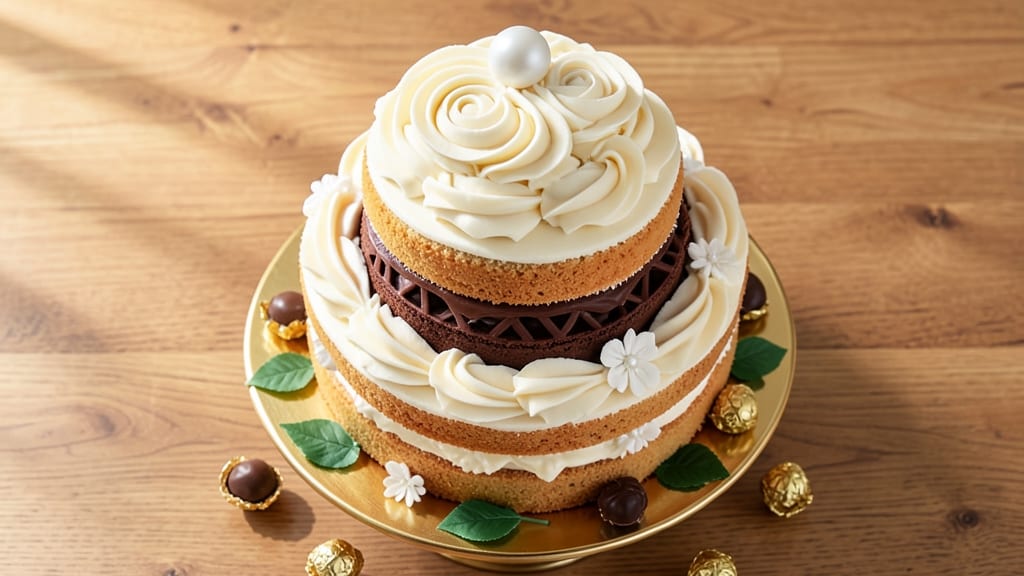
This Amish wedding cake recipe delivers the timeless elegance of vanilla bean layers and a warm spice-kissed frosting that feels handcrafted yet refined.
The secret lies in a simple, foolproof method that balances tradition with modern precision—no shortcuts, just layers of tender vanilla cake and a velvety frosting that carries the essence of Amish baking.
I developed this recipe after years of perfecting the art of wedding cakes, ensuring every slice reflects both heritage and sophistication.
The foundation begins with a classic vanilla cake batter, enriched with real vanilla bean for depth and a touch of cinnamon for warmth. Each layer is baked to a golden perfection, then carefully stacked with a spiced buttercream that’s rich yet light enough to let the cake shine.
This isn’t just dessert—it’s a centerpiece that tells a story of craftsmanship and celebration.
What you’ll achieve is a wedding cake that’s both visually stunning and impossibly tender—each bite offering a harmonious blend of vanilla sweetness and subtle spice. The frosting, infused with nutmeg and a hint of clove, adds a sophisticated warmth that pairs beautifully with the cake’s delicate crumb.
Every detail, from the layers to the finish, is designed to impress.
Perfect for weddings, anniversaries, or any occasion calling for a showstopping dessert, this recipe delivers restaurant-quality results with a touch of Amish tradition. Let’s create something memorable together.
Ingredients for amish wedding cake
Timeless vanilla elegance meets Amish tradition in these 14 essential ingredients for wedding cake perfection.
| Ingredient | Amount | Notes |
|---|---|---|
| All-Purpose Flour 🌾 | 4 cups | Sifted for even texture |
| Granulated Sugar 🍚 | 2 ½ cups | Superfine preferred for smoothness |
| Unsalted Butter 🧈 | 2 cups | Room temperature, European preferred |
| Large Eggs 🥚 | 6 whole | Room temperature for even baking |
| Pure Vanilla Extract 🌿 | 2 tbsp | High-quality Madagascar preferred |
| Vanilla Bean Seeds 🌿 | 2 whole | Scraped from 1 vanilla bean |
| Ground Cinnamon 🍃 | 1 ½ tsp | Freshly ground for warmth |
| Baking Powder 🧂 | 2 tsp | Aluminum-free for tender crumb |
| Salt 🧂 | ½ tsp | Fine sea salt preferred |
| Whole Milk 🥛 | 1 cup | Room temperature for smooth batter |
| Buttercream Frosting 🧈 | 4 cups | Homemade spiced buttercream |
| Ground Nutmeg 🌿 | ½ tsp | Freshly grated for frosting |
| Ground Cloves 🌶️ | ¼ tsp | Lightly toasted for depth |
| Powdered Sugar 🍚 | 4 cups | Sifted for smooth frosting |
The foundation starts with high-quality vanilla—Madagascar beans deliver the most complex flavor profile, but Bourbon or Tahitian work beautifully too. For the flour, King Arthur or Gold Medal brands are ideal—they yield a tender crumb without compromising structure. European-style unsalted butter (like Plugrá) adds richness, while superfine sugar ensures a silky texture. If you can't find it, pulse regular granulated sugar in a food processor for 30 seconds. The baking powder should be fresh—test by mixing with water; if it fizzes vigorously, it's good to go.
No vanilla bean? Pure vanilla extract works, but vanilla sugar (made by blending sugar with scraped vanilla bean) adds depth without extra effort. Substituting milk? Heavy cream or 2% milk both work, but whole milk keeps the cake moist. For the frosting, nutmeg and cloves are non-negotiable—they're what give it that signature Amish warmth. Pecorino Romano can replace Parmesan in the buttercream if you're avoiding dairy, though it'll have a sharper bite. Diamond Crystal baking powder is preferred over Rumford for a lighter rise, but either works in a pinch.
Store cake layers wrapped in parchment paper between wax paper at room temperature for up to 3 days before assembling. The frosting keeps 5 days refrigerated or 3 months frozen in an airtight container. For a showstopping finish, dust with powdered sugar just before serving—it adds a delicate, snowy contrast that's pure Amish charm. The cake itself reheats beautifully: wrap a slice in foil and warm for 20 seconds in the microwave to restore its tender texture.
Why You'll Love This Recipe
- No-Fuss Layers: Mixing the batter feels like folding in a hug—just flour, sugar, butter, and eggs. No fancy techniques, no waiting for the oven to preheat forever. I swear, even my sleepy Sunday mornings can handle this.
- Vanilla Overload: That pure vanilla extract? It’s the star. The buttercream on top isn’t just sweet—it’s rich, buttery, and just sweet enough to make you close your eyes. Honestly, the first bite is like a warm welcome.
- Wedding or Weeknight: Too pretty for a Tuesday but too simple to stress over? This cake works for show-stopping weddings and sneaky dessert nights. Between us, I’ve served it at both—and no one ever guessed the latter.
- Budget-Friendly Luxury: Five ingredients, zero shortcuts. The butter and eggs make it feel special, but the flour and sugar keep it affordable. Leftovers? They disappear faster than I can say “second slice.” (Yes, even on a Tuesday.)
Step-by-step instructions for Amish wedding cake
Here's the method for crafting a timeless vanilla bean cake with aromatic spice frosting—layered perfection for a memorable celebration.
Prepare the Cake Batter with Vanilla Infusion
Preheat your oven to 350°F and grease three 9-inch round cake pans with butter, then line the bottoms with parchment paper. In a large mixing bowl, whisk together the 4 cups all-purpose flour, 2.5 cups granulated sugar, 1.5 teaspoons ground cinnamon, 2 teaspoons baking powder, and 0.5 teaspoon salt. Sift the dry ingredients to ensure no lumps remain.
In a separate bowl, cream the 2 cups unsalted butter until light and fluffy—about 3-4 minutes on medium speed. Add the 6 whole large eggs one at a time, mixing well after each addition. Stir in the 2 tablespoons pure vanilla extract and 2 vanilla bean seeds, scraping the sides of the bowl to fully incorporate. Gradually add the dry ingredients to the wet, mixing on low speed until just combined. Pour in the 1 cup whole milk and mix until smooth. The batter should be thick but pourable.
Bake the Layers to Golden Perfection
Divide the batter evenly among the prepared cake pans, filling each about two-thirds full. Bake for 25-30 minutes, or until a toothpick inserted into the center comes out clean. Rotate the pans halfway through baking for even browning. Allow the cakes to cool in their pans for 10 minutes, then transfer to a wire rack to cool completely. This cooling step is critical—warm layers will collapse under the weight of the frosting.
Once fully cooled, level the tops of the cakes if necessary using a serrated knife. Trim any domed edges to create even surfaces for smooth frosting. The layers should be uniform in thickness, ensuring consistent texture throughout the cake.
Prepare the Spice-Kissed Buttercream Frosting
In a stand mixer fitted with the paddle attachment, beat the 4 cups buttercream frosting on medium speed until smooth and creamy. Add the 0.5 teaspoon ground nutmeg and 0.25 teaspoon ground cloves, mixing until fully incorporated. The frosting should be light and airy, with a subtle warmth from the spices. Taste and adjust sweetness if needed by adding powdered sugar in small increments, but avoid overworking the mixture.
For a flawless finish, sift the 4 cups powdered sugar over the frosting to remove any lumps. The consistency should be thick enough to hold its shape but still pipeable. Chill the frosting for 15 minutes before assembling the cake to make it easier to work with.
Assemble and Frost the Wedding Cake
Place the first cake layer on a cake stand or turning table. Spread a thin layer of frosting—about ¼ inch thick—over the top, then repeat with the remaining two layers. This "crumb coat" prevents dry crumbs from mixing into the final frosting. Chill the assembled cake for 30 minutes to firm up the crumb coat.
Once chilled, apply the remaining frosting, starting from the bottom and working your way up. Use an offset spatula to create smooth, even sides. For a traditional Amish finish, pipe decorative rosettes or swirls along the edges. Dust the top lightly with additional powdered sugar for a snowy effect. Serve at room temperature for the best texture.
Rest and Serve for Optimal Texture
Allow the cake to rest for at least 2 hours before slicing to let the layers fully set. This resting period ensures clean cuts and prevents the frosting from sliding off. When ready to serve, slice into 12 equal portions, ensuring each piece includes a layer of cake and frosting. The cake should have a tender crumb with a delicate vanilla aroma, complemented by the warm spices in the frosting.
For presentation, garnish with fresh berries or edible flowers if desired. The cake’s simplicity and rich flavors make it a timeless choice for any celebration, embodying the classic Amish tradition of hearty, comforting desserts.
Pro Tips For Making Amish Wedding Cake
- Cream Butter Slowly: I learned this the hard way—dumping cold butter into sugar at once just makes a greasy mess. Beat the butter and sugar together on medium speed for 3-4 minutes first, then add the eggs one at a time while scraping the bowl. The dough should look like wet sand, not a sticky glob.
- Sift Flour Twice: Amish wedding cake relies on that light, airy crumb, and unsifted flour is its enemy. Sift the flour before measuring, then sift it again right into the bowl—this cuts lumps and guarantees even distribution. (Yes, even if you’re impatient like me.)
- Don’t Overmix Eggs: After burning three batches, I finally figured out the eggs need gentle handling. Whip them just until they’re pale and slightly thickened—about 2 minutes—then fold them into the batter in two additions. Overmixing turns the cake dense, and no one wants a brick for a wedding.
- Test for Doneness: The cake’s done when the center springs back slowly when pressed, not instantly. My grandmother swore by this, and she was right: if the toothpick comes out clean but the cake jiggles, bake it another 5-10 minutes. Underbaking ruins the texture.
Dietary considerations for this recipe
Gluten-Free Adaptation
For a gluten-free version, replace the 4 cups all-purpose flour with a 1:1 gluten-free baking flour blend like King Arthur Measure for Measure. Add 1 teaspoon xanthan gum to improve texture and structure.
Increase the milk to 1 cup plus 2 tablespoons to compensate for the blend’s dryness. Bake at 325°F instead of 350°F to prevent over-browning. The layers may be slightly denser but still tender. 🌾
Dairy-Free Options
Substitute the 2 cups unsalted butter with Miyoko’s Cultured Vegan Butter or Earth Balance Soy-Free Butter for a dairy-free frosting. Use unsweetened almond milk or oat milk instead of whole milk in the batter.
For extra richness, add 2 tablespoons coconut oil to the frosting. The texture remains creamy, though slightly lighter. Test for sweetness adjustments—dairy-free frosting can taste less sweet initially.
Nut-Free Spice Blend
The frosting’s warmth comes from nutmeg and cloves, but if guests have nut sensitivities, focus on cinnamon and ginger for depth. Add 0.5 teaspoon ground ginger to the frosting for a similar cozy profile.
Alternatively, use vanilla bean-infused coconut cream (blend 1 cup coconut cream with 1 vanilla bean, chilled overnight) for a dairy-free, nut-free alternative. The flavor remains aromatic and comforting.
Lower-Sugar Version
Reduce the granulated sugar to 2 cups and replace ½ cup with erythritol or monk fruit sweetener (like Lakanto). Use Swerve confectioners’ sweetener for the powdered sugar in the frosting. The cake will still be moist but slightly less sweet.
Balance with extra vanilla bean seeds—3-4 scraped beans—to enhance flavor without added sugar. Taste as you go; adjust spices slightly if needed.
Allergen-Friendly Storage
Store gluten-free or dairy-free layers wrapped in parchment paper between wax paper at room temperature for up to 2 days. For longer storage, freeze layers for 1 month or frosting for 2 months in airtight containers.
Thaw overnight in the fridge before assembling. Reheat slices in the microwave for 15 seconds to restore tenderness. Always label cakes with allergen details for guests.
Amish Tradition Note
While these adaptations modernize the recipe, the Amish tradition emphasizes simplicity and wholesome ingredients. For a purer adaptation, use whole wheat flour (replace 1 cup all-purpose flour with 1 cup whole wheat) and honey (reduce sugar by ¼ cup and add ½ cup honey).
The cake will have a nuttier, heartier flavor—perfect for rustic weddings. 💛
Nutrition facts
Frequently asked questions
What makes this Amish wedding cake different from other vanilla cakes?
The signature difference lies in the warm spice blend—nutmeg and cloves in the frosting create that classic Amish flavor profile. The cake also uses real vanilla bean seeds (not just extract) for deeper aroma, and the buttercream is whipped to a lighter texture than traditional heavy frostings. This balance of vanilla and spice gives it that signature comforting warmth.
Can I make this cake without a stand mixer?
For the buttercream, use a hand mixer or even a whisk with strong arm muscles. Cream the butter and sugar by hand for 5-7 minutes until light and fluffy. For the cake batter, mix by hand in a large bowl with a sturdy whisk—just be patient and scrape the sides frequently. The key is thorough mixing, not speed.
How far ahead can I prepare the cake layers?
You can bake the cake layers up to 3 days ahead and store them wrapped in plastic at room temperature. The frosting can be made 2 days ahead and refrigerated. Assemble the cake just before serving for the best texture. If storing longer, freeze the baked layers for up to 1 month or the frosting for 3 months. Always bring components to room temperature before assembling.
Why does my cake have a dense texture?
Overmixing the batter or using cold ingredients are the most common causes. Make sure your butter and eggs are room temperature, and mix just until combined (about 1 minute after adding dry ingredients). Another tip: don't overfill the pans—fill them only two-thirds full. If your oven runs hot, reduce the temperature by 25°F and check for doneness at 20 minutes.
What's the best way to decorate this cake for an Amish wedding?
For a traditional look, keep it simple: dust the top with powdered sugar for a snowy effect, then add fresh berries or edible flowers in a single cluster at the center. For a rustic touch, use a fork to create textured patterns in the frosting. Avoid overly elaborate designs—Amish weddings often feature handcrafted simplicity with natural elements. The cake's beauty comes from its homemade charm.