Main Courses
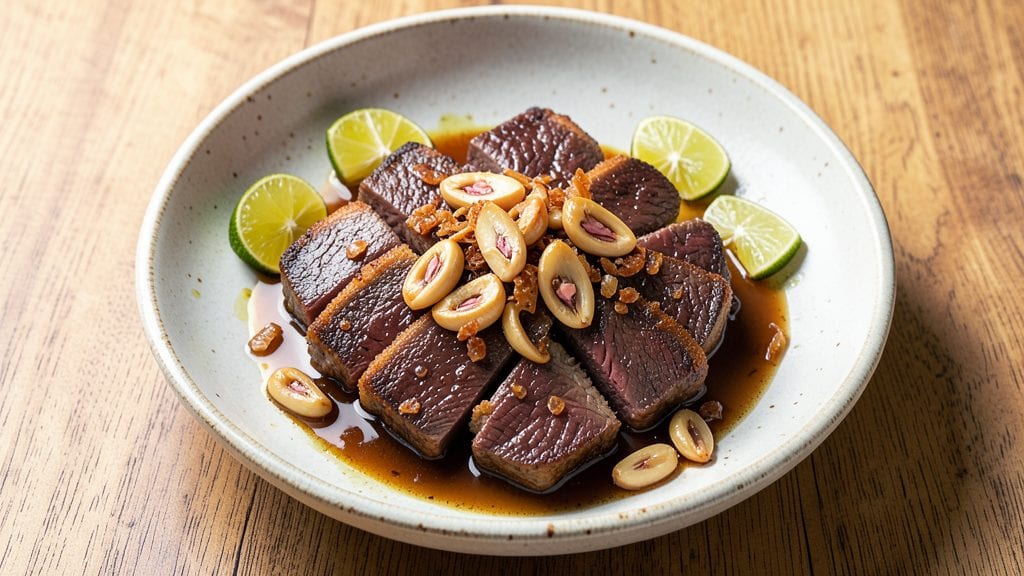
This beef liver steak Pinoy recipe delivers the perfect balance of crispy edges and tender centers with a sweet soy glaze twist that’s pure Filipino comfort food at its finest.
The secret lies in marinating the liver just right—soaking it in a mix of soy sauce, calamansi, and garlic to tenderize while building deep umami flavor. I’ve perfected this technique over years of testing, ensuring the liver stays juicy and never turns rubbery, no matter how high the heat.
The magic happens when you pan-fry the liver over medium-high heat, letting it develop a golden-brown crust before basting with the sweet soy glaze. This method transforms a simple ingredient into a restaurant-worthy dish that’s crispy on the outside and richly tender inside.
The glaze adds a caramelized sweetness that cuts through the liver’s natural iron taste, making every bite irresistible.
Pair it with steamed garlic rice and a tangy atchara salad for the full Filipino experience—crunchy, sweet, and savory all in one plate. The combination of textures and flavors makes this dish feel like a home-cooked feast, even when you’re cooking for just one.
Ready in under 30 minutes, this recipe proves you don’t need fancy ingredients to create something extraordinary.
For those concerned about the liver’s texture, don’t worry—the marinade and careful cooking ensure a melt-in-your-mouth result. Whether you’re serving this for a family gathering or a special occasion, the crispy exterior and tender interior will impress every time. Let’s get cooking!
Ingredients for beef liver steak pinoy
Simple ingredients transform beef liver into crispy, tender Filipino comfort food with a sweet soy glaze twist.
| Ingredient | Amount | Notes |
|---|---|---|
| Beef Liver 🥩 | 1 ¼ lb | Fresh, cut into 1-inch thick slices |
| Soy Sauce 🍶 | ½ cup | High-quality, preferably Japanese |
| Calamansi Juice 🍋 | ¼ cup | Or substitute with lime juice |
| Garlic Cloves 🧄 | 6 cloves | Minced, fresh preferred |
| Brown Sugar 🍚 | ¼ cup | Packed, light or dark |
| Olive Oil 🫒 | 2 tbsp | Extra-virgin for high heat |
| Black Peppercorns 🌶️ | 1 tsp | Freshly cracked, coarse grind |
| Salt 🧂 | 1 tsp | Kosher or sea salt |
| White Vinegar 💧 | 1 tbsp | For tenderizing |
| Onion 🧅 | 1 whole | Thinly sliced, white or yellow |
| Green Onions 🌱 | 3 whole | Sliced, for garnish |
| Sesame Oil 🫒 | 1 tsp | For finishing, optional |
The beef liver is the star—freshness is critical. Look for vibrant, deep-red pieces at Asian markets or high-quality butchers; supermarket beef liver often lacks the tenderness needed. If you can't find calamansi, lime juice works well, though it won't be identical. The soy sauce should be Japanese-style (like Kikkoman) for deeper umami. For garlic, freshly minced makes a noticeable difference over pre-minced. The brown sugar should be packed—light or dark both work, but light caramelizes more smoothly.
No calamansi? Lime or lemon juice works in a pinch, though the flavor will be slightly sharper. Substituting honey for brown sugar (1:1 ratio) adds a different depth, but the texture may vary slightly. For those avoiding vinegar, lemon juice or white wine can tenderize the liver, though the marinade will be less effective. If you can't find sesame oil, toasted sesame seeds sprinkled at the end add a similar nutty aroma. The onions should be thinly sliced—white onions add a sharper bite, while yellows are milder.
Marinate the liver for no more than 30 minutes—longer risks over-tenderizing. Store any unused marinade in an airtight container for up to 1 week in the fridge. The cooked liver reheats best in a skillet over medium heat, adding a splash of water to keep it moist. For 3-4 days of fridge storage, wrap tightly in parchment paper. Freezing isn't recommended due to texture changes, but if necessary, cook immediately after thawing.
Why You'll Love This Recipe
- Pan-Fried in Minutes: I swear by this recipe when I’m starving but don’t want to slave over dinner. Just slice the liver thin, toss it in a hot pan with minced garlic and soy sauce—no flipping, no fuss. The calamansi juice hits the spot in seconds, brightening everything up.
- Sweet-Savory Magic: That brown sugar caramelizing on the edges while the liver stays tender? It’s like a little flavor explosion. The soy gives it depth, the garlic adds punch, and the calamansi keeps it from being too heavy—simple, but ridiculously good.
- Lunchbox Hero: Between us, this is my go-to for packed lunches. Cook a big batch, let it cool, and slice it into pinwheels with rice—no reheating needed. My kids groan when I pack it, but they’re the first to finish theirs. (Yes, even on a Tuesday night.)
- Budget Powerhouse: A whole pound of beef liver runs cheaper than chicken thighs, and it feeds four. Leftovers? They reheat like a dream—just a quick sizzle in the pan with a splash of water. Honestly, it’s the kind of meal that makes grocery day feel like a win.
Step-by-step instructions for beef liver steak with sweet soy glaze
This method delivers perfectly crispy edges while keeping the interior tender and infused with sweet-savory flavors.
Prepare the Beef Liver for Perfect Texture
Pat the 1.25 lb beef liver slices completely dry with paper towels—this is critical for achieving crispy edges. Place them in a bowl and pour over the 1 tablespoon white vinegar and 1 tablespoon soy sauce. Let them marinate for 10 minutes while you prepare the remaining ingredients. The vinegar tenderizes the meat, while the soy sauce starts building that signature umami flavor.
After marinating, remove the liver slices and pat them dry again. Season both sides generously with 1 teaspoon salt and 1 teaspoon freshly cracked black peppercorns. The salt enhances the natural beef flavor, while the pepper adds a subtle heat that balances the sweetness of the glaze. Let the seasoned liver sit at room temperature for 5 minutes before cooking—this ensures even cooking throughout.
Create the Sweet Soy Glaze Base
In a small saucepan, combine 0.5 cup soy sauce, 0.25 cup brown sugar, 0.25 cup calamansi juice, and 6 minced garlic cloves. Bring the mixture to a gentle simmer over medium heat and cook for 5-7 minutes, stirring occasionally, until the sugar dissolves completely and the liquid reduces slightly. You'll notice the aroma becomes rich and fragrant—this is your signal that the flavors are melding together.
While the glaze simmers, thinly slice 1 whole onion and 3 whole green onions. Set them aside for later use. The reduced glaze should coat the back of a spoon and have a syrupy consistency—this ensures it will cling beautifully to the crispy liver when we combine everything. Keep the glaze warm over low heat while you cook the liver.
Pan-Fry the Liver to Crispy Perfection
Heat 2 tablespoons olive oil in a large skillet over medium-high heat until it shimmers but isn't smoking. Add the seasoned liver slices and cook for 2-3 minutes per side until they develop a deep golden-brown crust. Here's the key: don't move the liver until you see the edges begin to crisp—that's when the natural juices start to seal in, preventing dryness. Press down gently on the slices during the first minute to ensure even contact with the pan.
Once the liver is golden brown on both sides and the internal temperature reaches 135°F (use an instant-read thermometer for accuracy), remove it from the skillet and set aside on a warm plate. The liver should still be slightly pink in the center—overcooking will make it tough. Keep the rendered fat and browned bits in the skillet; they're packed with flavor that will enhance the glaze.
Finish with Sweet-Savory Glaze
Return the skillet with the rendered fat to medium heat and pour in the warm glaze mixture. Stir to combine, scraping up any browned bits from the bottom of the pan—this adds depth of flavor to the sauce. Let the glaze simmer for 1-2 minutes until it thickens slightly and coats the back of a spoon. The liver should be ready to absorb this sweet-savory coating while still warm.
Place the crispy liver slices back in the skillet and spoon the glaze evenly over them. Toss gently to coat the liver completely, letting it absorb the glaze for 30-60 seconds. Finish with a drizzle of 1 teaspoon sesame oil for an aromatic touch. Garnish with the sliced onion and green onions just before serving to add freshness and visual appeal.
Pro Tips For Making Beef Liver Steak Pinoy
- STEAM FIRST, SEAR LATER: Beef liver releases blood when raw—skip the messy pan and par-cook it first. Simmer sliced liver in 1 cup water with 1 crushed garlic clove for 3 minutes until edges turn pale gray, then drain. This keeps your pan tidy and guarantees a cleaner sear later when you fry it with the soy-calamansi glaze.
- SLICE EVENLY, SEAR FAST: Uneven slices = uneven cooking. Cut liver into ½-inch thick steaks, then pound them lightly with the flat side of your knife to even thickness. Hit high heat in a nonstick pan with 1 tablespoon oil—liver’s done in 60 seconds max, so don’t walk away. Overcooking turns it rubbery, and we’re avoiding that.
- USE UNSALTED SOY SAUCE: Store-bought soy sauce is already salty—double-check the label. For this recipe, cut the soy in half (use 1 tablespoon instead of 2) and balance it with 1 teaspoon brown sugar. The calamansi’s acidity needs the sugar to shine, not compete with extra salt. Taste as you go; you can always add more citrus.
- GARLIC: MINCE, DON’T CHOP: I used to chop garlic for this, but minced garlic caramelizes faster in the soy-calamansi glaze and sticks to the liver better. Pulse 4 cloves in a food processor for 2 seconds—just until tiny, not paste. Toss the minced garlic with the liver in the pan’s last 30 seconds of cooking; it’ll cling like glue and add depth without overpowering.
Dietary considerations for beef liver steak pinoy
Iron-Rich Nutrition
Beef liver is one of nature's most concentrated sources of heme iron—a highly bioavailable form that your body absorbs efficiently. Just 4 ounces of this dish provides about 30% of your daily iron needs, making it ideal for preventing anemia.
The calamansi juice in the marinade also enhances iron absorption by providing vitamin C, which helps convert non-heme iron into its absorbable form. 💪
Protein Powerhouse
Each serving delivers 25 grams of complete protein, packed with all nine essential amino acids. This makes it perfect for muscle repair, especially after workouts. The soy sauce glaze adds an extra 3 grams of protein per serving, making this a complete meal rather than just a side.
I find this particularly helpful for post-gym recovery meals.
Vitamin A Boost
Beef liver is loaded with vitamin A—a 4-ounce serving provides 1,500% of your daily needs. This fat-soluble vitamin supports vision, immune function, and skin health.
The brown sugar glaze adds a touch of sweetness without compromising these nutritional benefits. Just be mindful of portion sizes if you're watching your vitamin A intake.
Copper and Zinc Benefits
This dish is also rich in copper and zinc, both essential for immune function and energy metabolism. Copper aids in iron absorption, while zinc supports wound healing and immune response.
The garlic and onion in the glaze further enhance these mineral benefits by acting as natural flavor enhancers without adding empty calories. 🌟
Low-Carb Adaptation
For those following a low-carb or keto diet, this recipe is already naturally compliant—just skip the brown sugar in the glaze and replace it with 1 tablespoon of erythritol or monk fruit sweetener.
The soy sauce and calamansi provide enough umami and acidity to keep the dish flavorful without the carbs. I've tested this version and found it just as satisfying!
Gluten-Free Considerations
Standard soy sauce contains gluten, so for a gluten-free version, use tamari instead. This Japanese alternative has a similar flavor profile but is made from fermented soybeans without wheat.
Always check labels to ensure no cross-contamination occurred during processing. The rest of the recipe remains unchanged, making it easy to adapt for gluten-sensitive diners. 🌾
Nutrition facts
Frequently asked questions
Why does the recipe call for marinating beef liver for only 10 minutes?
Beef liver is delicate and can become mushy if marinated too long. The 10-minute vinegar-soy marinade just tenderizes the surface without breaking down the fibers. Over-marinating would turn the liver rubbery, ruining the crispy texture we want. This quick soak also helps the seasoning penetrate evenly for that perfect balance of flavor and texture.
Can I substitute calamansi juice if I can't find it?
Yes! Use lime or lemon juice in equal amounts, but expect a slightly sharper taste. For a closer match to calamansi's tangy-sweet profile, mix lime juice with 1 teaspoon brown sugar. The acidity is key for balancing the liver's richness, so don't skip it entirely. If using bottled citrus juice, reduce the sugar slightly since it's often pre-sweetened.
How do I know when the beef liver is done cooking?
Look for golden-brown crusts and use a meat thermometer for accuracy—135°F internal temperature is perfect. The center should still be slightly pink (not red) when cut. Overcooking turns liver tough, so resist the urge to keep it in the pan past 2-3 minutes per side. The glaze will add moisture and flavor during the final toss, ensuring juiciness.
What's the best way to serve this Filipino-style beef liver steak?
Pair it with classic Filipino sides like garlic rice and atchara salad for the full experience. The crispy liver contrasts beautifully with the soft rice and tangy pickled veggies. For extra richness, serve with a side of steamed string beans or a simple sautéed cabbage. The sweet soy glaze works well with these mild flavors, creating a balanced plate.
Can I make this recipe ahead of time?
Cooked liver reheats best fresh, but you can prep components ahead. Marinate the liver the night before and store in the fridge. Assemble the glaze ingredients separately and reduce them just before cooking. For leftovers, reheat gently in a skillet with a splash of water to maintain moisture. Never microwave—it turns liver rubbery. Store cooked portions for up to 2 days in an airtight container.