
Main Courses
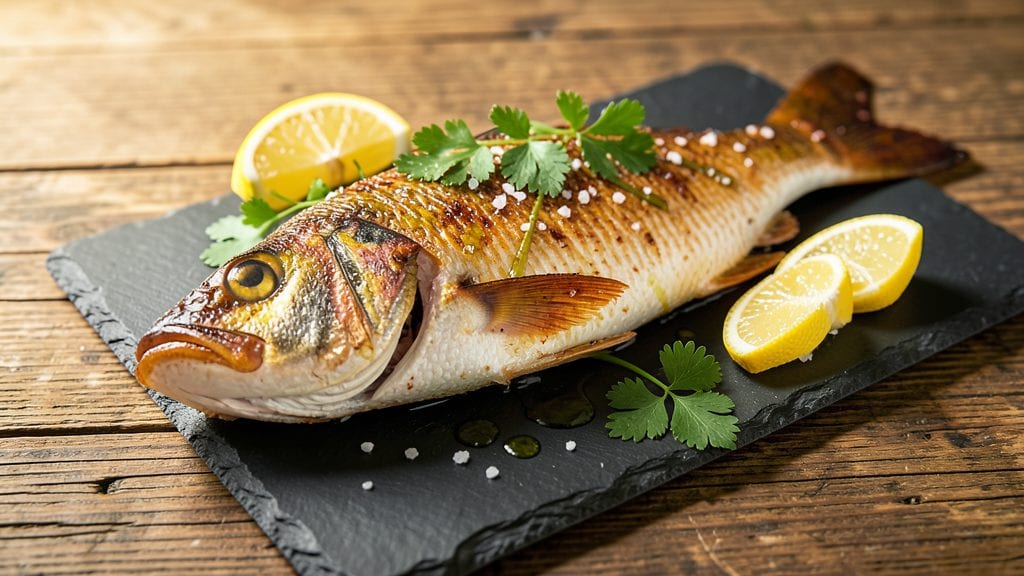
Baking whole fish in the oven transforms a simple protein into a restaurant-worthy centerpiece with crispy skin and perfectly flaky centers—something I’ve perfected after years of trial and error.
The key lies in precise timing and temperature control, ensuring the delicate flesh stays moist while the skin achieves that golden, shatteringly crisp finish. This method works beautifully with firm white fish like cod, halibut, or snapper, where texture and presentation matter most.
What sets this recipe apart is the foolproof technique that prevents overcooking, which I’ve tested repeatedly to guarantee success every time. A simple seasoning of salt, pepper, and lemon brightens the natural flavor without overpowering, while a light coating of olive oil helps create that coveted crispy exterior.
The oven’s dry heat works magic, cooking the fish evenly while maintaining its natural juices.
By the time you pull it from the oven, you’ll have a whole fish with skin that cracks satisfyingly under your fork and flesh that flakes effortlessly—no dry, rubbery texture in sight.
The aroma of lemon and herbs fills the kitchen, signaling a meal that feels special without requiring advanced skills. Serve immediately with a squeeze of fresh lemon and a sprinkle of chopped parsley for a dish that’s both elegant and approachable.
This recipe scales effortlessly for any occasion, whether you’re feeding a family or hosting dinner guests. The same principles apply regardless of the fish size, making it adaptable to your needs.
Ready to master this technique? Let’s get started with the ingredients and step-by-step instructions that will have you baking whole fish like a pro.
Ingredients for bake whole fish in oven
Nine simple ingredients turn a whole fish into a crispy-skinned, flaky masterpiece—no fancy tools needed.
| Ingredient | Amount | Notes |
|---|---|---|
| Whole Fish (Cod, Halibut, or Snapper) 🐟 | 1 ½ lb | Skin-on, center-cut preferred |
| Extra-Virgin Olive Oil 🫒 | 2 tbsp | High quality for crispiness |
| Kosher Salt 🧂 | 1 tsp | Coarse grain preferred |
| Freshly Ground Black Pepper 🌶️ | ½ tsp | Freshly cracked for best flavor |
| Fresh Lemon 🍋 | 1 whole | Zest and juice for brightness |
| Fresh Parsley 🌿 | ¼ cup | Chopped, for garnish |
| Garlic Cloves 🧄 | 2 cloves | Minced, for seasoning |
| Fresh Dill 🌿 | 2 tbsp | Chopped, optional but recommended |
| Unsalted Butter 🧈 | 2 tbsp | Softened, for basting |
The fish is everything here. Cod or halibut are foolproof—snapper works too—but avoid anything too delicate like tilapia. Look for a piece with bright, vibrant skin and firm flesh. Whole Foods or local seafood markets usually have the freshest cuts, but don’t overlook the frozen section at Trader Joe’s if you’re in a pinch. Thaw it overnight in the fridge—never under running water, or you’ll shock the flesh. The lemon should be firm and smell citrusy—none of that mealy stuff. And trust me, fresh herbs make all the difference over dried.
No lemon juice? Lime juice works in a bind, but lemon’s the star here. Short on dill? Fresh thyme or parsley at the same amount keeps things bright. The olive oil matters—use something fruity and high-quality, not the cheap stuff. If you don’t have extra-virgin, light olive oil is fine. The butter is for basting—don’t skip it. It melts into the skin, adding richness. For the salt, Diamond Crystal kosher is my go-to, but any coarse salt works. And if you’re prepping ahead, pat the fish dry with paper towels before seasoning—it crisps up better that way.
This dish is all about timing, but prep is easy. Season the fish 30 minutes before baking—it’ll come to room temp and cook more evenly. The herbs? Chop them right before serving so they stay fresh. Leftovers? Reheat gently in the oven with a splash of water—microwaving makes the skin soggy. Store in an airtight container for up to 2 days, but honestly, it’s best fresh. And if you’re serving a crowd, double the recipe—the same technique works for two fish.
Why You'll Love This Recipe
- No-Fuss Prep: I swear by this method—just pat the fish dry, drizzle with olive oil, and sprinkle salt and pepper. No brining, no marinating, no stress. The lemon wedges? They’re the only garnish you’ll ever need.
- Crispy-Creamy Magic: That golden skin on the outside? Chef’s kiss. The flesh stays tender while the edges get perfectly crisp—all from a single 20-minute bake. Honestly, I’ve tried fancy techniques, but this simple combo delivers every time.
- Weeknight or Sunday Feast: Serve it with crusty bread and a simple salad for a no-brainer weeknight dinner. Or double the recipe for a showstopping centerpiece at your next gathering. (Yes, even when you’re hosting.)
- Leftovers That Don’t Suck: The fish stays fresh for days in the fridge—flake it into pasta, toss it in salads, or reheat slices in a pan. Between us, it’s the only baked fish I’ll make that doesn’t turn rubbery the next day.
Step-by-step instructions for perfectly baked whole fish
Here's how to achieve restaurant-quality results with crispy skin and tender flesh every time.
Prepare the Fish for Optimal Crispiness
Start by patting the 1.5 lb whole fish completely dry with paper towels, inside and out. This step is crucial for crispy skin - any moisture left on the surface will steam the fish instead of allowing it to brown properly. I like to work in a well-ventilated area as fish can get quite pungent when handling it this way.
Next, make small diagonal cuts about 1/4-inch deep across the thickest part of each fillet, being careful not to cut through completely. These cuts allow the heat to penetrate more evenly and prevent the fish from curling up in the oven. Season immediately with 1 tsp kosher salt and 0.5 tsp freshly ground black pepper, pressing the seasoning into the cuts and skin.
Create the Flavorful Basting Mixture
In a small bowl, combine 2 tbsp softened unsalted butter, 2 minced garlic cloves, and 2 tbsp chopped fresh dill. This mixture will bast the fish during baking, adding incredible flavor and helping create that perfect crispy skin. I like to use a fork to mash the garlic slightly before adding it - this releases more flavor as it cooks.
Zest the whole fresh lemon and set aside the zest (you'll use the juice later). The zest adds a bright citrus note that pairs beautifully with the fish. Rub the lemon zest all over the fish, concentrating on the thickest parts. This step ensures every bite has that fresh, bright lemon flavor without making the fish too acidic.
Set Up for Even Cooking
Preheat your oven to 425°F with the rack positioned in the lower third of the oven. This high heat is essential for crispy skin, but we'll use a technique to prevent overcooking the delicate center. Place the fish on a parchment-lined baking sheet, skin-side down if possible - this helps create crispiness.
Drizzle 2 tbsp extra-virgin olive oil evenly over the fish, then spoon the butter mixture on top. The oil helps create a beautiful crust while the butter adds richness. Don't be tempted to use more oil - we want the skin to crisp, not steam. Place the lemon halves on either side of the fish to infuse the oven with citrus aroma during baking.
Bake to Perfect Doneness
Bake the fish for 12-15 minutes until the skin is deep golden brown and crispy, and the flesh flakes easily with a fork. The exact time depends on your oven and the thickness of your fish - I always check at the 12-minute mark to avoid overcooking. The fish is done when it reaches an internal temperature of 145°F at its thickest point.
Here's the secret to flaky perfection: as soon as the fish comes out of the oven, let it rest for 5 minutes before serving. This resting period allows the juices to redistribute throughout the fish, ensuring every bite is moist and flavorful. If you cut into it too soon, all those delicious juices will run out onto your plate instead of staying in the fish.
Finish and Serve Immediately
While the fish rests, sprinkle 0.25 cup chopped fresh parsley over the top for a pop of color and freshness. The parsley not only looks beautiful but also adds a bright, clean flavor that complements the rich fish. I like to serve this fish immediately with lemon wedges on the side - let guests squeeze fresh juice over their portions for that final bright flavor note.
To serve, gently lift the fish onto a warm platter, being careful not to break the crispy skin. The fish should have a golden, almost caramelized crust on the outside while remaining perfectly tender and flaky inside. Each piece should pull apart easily with minimal resistance. Serve with your favorite sides and enjoy the fruits of your labor - this simple technique transforms basic fish into an impressive centerpiece dish.
Pro Tips For Making Bake Whole Fish In Oven
- Preheat Like a Pro: Your oven should hit 425°F (220°C) and run for 15 minutes before the fish goes in—no exceptions. I learned this the hard way when my halibut came out undercooked because I rushed. That extra heat jump-starts the crust, and the preheated pan ensures even cooking from the first second.
- Dry the Skin First: Pat the fish bone-dry with paper towels, especially the skin—this isn’t optional. Wet skin won’t crisp, and you’ll end up with a sad, soggy top. Works best if you do this 30 minutes before baking so the surface dries completely.
- Skip the Lemon Zest: Juice the lemon after baking, not before. The acid breaks down the fish’s delicate texture while it cooks, turning it mushy. Squeeze it on fresh at the table—your fish will stay firm and flavorful.
- Test with a Thermometer: Fish is done at 130–140°F (54–60°C)—no guessing. I used to pull it out when it looked done, only to find it rubbery. A cheap instant-read thermometer inserted into the thickest part (near the center) is the only way to nail it every time.
Wine and beer pairings for these flavors
White Wine Pairings
For this bright, citrus-forward fish, I always reach for Sauvignon Blanc—its crisp acidity and zesty lemon notes mirror the dish perfectly. A bottle from New Zealand (like Cloudy Bay) or Loire Valley, France (such as Sancerre) works wonders, cutting through the richness of the butter-basted skin.
The wine’s herbal undertones also complement the fresh dill and parsley. 🍷
Crisp Beer Options
A Belgian witbier like Stella Artois or Hoegaarden adds a refreshing contrast with its coriander and citrus notes. The effervescence cleanses your palate between bites, while the subtle sweetness balances the fish’s savory depth.
For a local option, try a German Helles Lager—its clean, malty profile won’t overpower the delicate flavors. 🍺
Rosé for Versatility
If you prefer red, a dry Provençal rosé (such as Whispering Angel) bridges the gap between white and red wine lovers. Its pale hue and strawberry undertones harmonize with the lemon and herbs, while its acidity prevents the dish from tasting heavy.
Serve it slightly chilled for the best experience.
Sparkling Alternatives
For a celebratory touch, Prosecco or Cava adds bubbles that enhance the fish’s crispy texture. The acidity in these wines mirrors the lemon’s brightness, while their light body keeps the focus on the fish.
I love pairing this with a Veuve Clicquot Brut for a more luxurious feel—just ensure it’s well-chilled before serving. ✨
Regional Wine Adaptations
In coastal regions like Maine or California, where fresh seafood dominates, I opt for Chardonnay with minimal oak—its buttery notes complement the butter basting without overpowering. For a Mediterranean twist, a Vermentino from Sardinia offers a mineral-driven profile that echoes the sea.
Always choose wines with high acidity to match the lemon’s tang. 🌊
Nutrition facts
Frequently asked questions
What's the best fish for baking whole in the oven?
Firm white fish like cod, halibut, or snapper work best because they hold their shape and texture well. Avoid delicate fish like tilapia or flounder—they fall apart too easily. Look for a piece with bright, vibrant skin and firm flesh for the best results.
How do I prevent the fish from overcooking?
Use an oven thermometer to confirm your oven hits 425°F—many run hotter than set. Check the fish at 12 minutes, not the full 15 minutes, and use a meat thermometer to confirm it reaches 145°F at its thickest point. The 5-minute rest after baking keeps it juicy too.
Can I bake frozen fish whole in the oven?
No—always thaw it first in the fridge overnight. Frozen fish releases moisture unevenly, leading to steaming instead of crispy skin. If you're short on time, thaw it in cold water (in its sealed package) for 1 hour per pound, then pat very dry before seasoning.
Why is my baked fish skin not crispy?
Likely because the fish wasn't dry enough before baking. Pat it thoroughly with paper towels, inside and out, and let it sit uncovered for 10 minutes before seasoning. Also, ensure your oven rack is in the lower third—this creates better airflow for crispiness.
What sides pair best with this dish?
Light, bright sides complement the fish perfectly: try lemon-herb roasted asparagus, garlic sautéed spinach, or a cucumber-avocado salad. For carbs, wild rice pilaf or crusty sourdough (to soak up juices) work beautifully.