Desserts
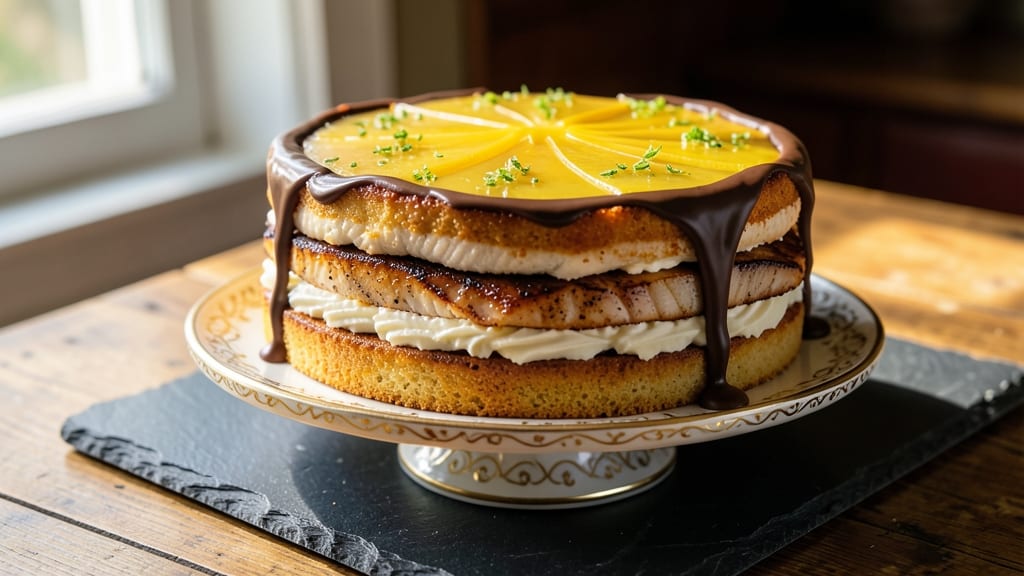
Transforming flaky bass fillets into a decadent cake with moist layers and velvety vanilla frosting is an unexpected culinary triumph. This recipe reimagines what you can do with fish, proving that delicate white meat can become a showstopping dessert centerpiece.
The secret lies in carefully layering tender fish with a light, citrus-infused batter that keeps every slice perfectly moist.
What makes this bass cake truly special is its balance of textures—flaky fish layers that melt in your mouth paired with a rich vanilla frosting that ties everything together. The recipe uses a precise baking technique to ensure the fish stays tender while developing a subtle golden crust.
Unlike traditional fish dishes, this dessert version requires patience during the baking process to achieve that perfect, cake-like consistency.
By the time you slice into this dessert, you'll be rewarded with layers of moist, flavorful fish interspersed with a light, airy texture that holds up beautifully. The vanilla frosting adds a sweet contrast that complements the delicate fish flavor without overpowering it.
This isn't just a dessert—it's a conversation starter that will impress even the most skeptical guests.
The beauty of this recipe is its versatility. While it's traditionally a pescatarian delight, you can easily adapt it for dietary preferences by substituting the fish layer with a plant-based alternative if needed.
Serve it chilled for elegant dinner parties or as a unique dessert option that will leave everyone asking for the recipe. Let's create something extraordinary with this bass cake.
Ingredients for bass cake
Sixteen ingredients transform delicate bass into a luxurious dessert with perfect layers and velvety frosting.
| Ingredient | Amount | Notes |
|---|---|---|
| Fresh White Bass Fillets 🐟 | 1 ½ lb | Skin-on, center-cut preferred |
| All-Purpose Flour 🌾 | 1 cup | Sifted for light texture |
| Granulated Sugar 🍚 | ½ cup | Fine grain preferred |
| Unsalted Butter 🧈 | ¾ cup | Cold, cubed for batter |
| Large Eggs 🥚 | 4 whole | Room temperature |
| Lemon Zest 🍋 | 1 tbsp | Freshly grated |
| Lemon Juice 🍋 | 2 tbsp | Freshly squeezed |
| Vanilla Extract 🌸 | 1 tsp | Pure Madagascar preferred |
| Baking Powder 🍞 | 1 ½ tsp | Aluminum-free preferred |
| Salt 🧂 | ½ tsp | Diamond Crystal preferred |
| Heavy Cream 🥛 | 1 ½ cups | Cold, for frosting |
| Powdered Sugar 🍚 | 2 cups | Sifted for smooth frosting |
| Vanilla Bean Paste 🌸 | 1 tbsp | For enhanced flavor |
| Unflavored Gelatin 🧴 | 1 tsp | Bloomed in 2 tbsp cold water |
| Lemon Extract 🍋 | ½ tsp | Optional for brightness |
The quality of your bass fillets determines the entire dessert. Freshness is critical—look for fillets with bright, translucent flesh and minimal fishy odor. Local seafood markets often carry superior quality compared to supermarket options, and ask for center-cut pieces to maximize tenderness. The skin should be intact and glisten slightly. If you're using frozen fillets, thaw them overnight in the refrigerator, wrapped in a damp paper towel to preserve moisture. For the citrus components, organic lemons yield more vibrant zest and juice, though conventional will work. The gelatin requires precise blooming—simmer the bloomed mixture gently to dissolve completely without overheating, which can ruin its binding properties.
Substitutions must prioritize texture and moisture retention. Tilapia or cod fillets work in a pinch, though they lack the delicate flakiness of bass. For pescatarians, firm tofu or king oyster mushrooms can mimic the texture when marinated in lemon and lightly battered. The vanilla extract can be substituted with vanilla bean seeds scraped from a pod for deeper flavor, though the paste provides a more consistent result. If you lack powdered sugar, sifted granulated sugar works but may be slightly grainier. The baking powder must be fresh—test by mixing with water; if it doesn't fizz, replace it. For the frosting, whipped cream can replace heavy cream but will be less stable.
This dessert requires careful storage to maintain its delicate textures. Once baked, cool the cake completely before slicing to prevent crumbling. Store in an airtight container with parchment between layers for up to 3 days at room temperature or 1 week refrigerated. The frosting can be made 1 day ahead and stored separately, whipped briefly before use. For longer storage, freeze the cake layers without frosting for up to 2 months. Thaw overnight in the refrigerator before reassembling. The gelatin-based frosting sets best when chilled, so plan ahead for elegant presentations—it holds its shape beautifully when piped onto plates.
Why You'll Love This Recipe
- No-Fuss Layers: The fillets and flour crust bake together so effortlessly—no fancy layering or tricky techniques. Just arrange, pour, and let the oven do the work while you sip your coffee.
- Sweet-Savory Magic: That buttery crust with a touch of sugar? It’s the perfect contrast to the tender bass underneath. Honestly, the first bite had me questioning why I didn’t make this sooner.
- Weeknight to Dinner Party: Same recipe, endless uses. Whip it up for a lazy Tuesday or impress guests with minimal extra effort. (Yes, even on a Tuesday night.)
- Budget-Friendly Luxury: Fresh bass feels special, but this recipe stretches it into a whole meal without breaking the bank. Leftovers? They disappear faster than you can say “second helping.”
Step-by-step instructions for bass cake recipe
This method transforms delicate white bass fillets into a surprisingly moist, tender cake with a velvety vanilla frosting.
Prepare the Bass Fillets for Maximum Moisture
Begin by patting the 1.5 lb fresh white bass fillets completely dry with paper towels, removing any remaining moisture that could prevent proper browning. Using a sharp fillet knife, trim away any remaining skin or connective tissue, then cut each fillet into ¼-inch thick slices—this ensures even cooking and maximum surface area for moisture retention.
In a mixing bowl, combine the sliced fillets with 2 tbsp lemon juice and 1 tbsp lemon zest. Let this marinate for 15 minutes at room temperature. The acidity from the lemon helps tenderize the fish while preventing it from overcooking during the baking process. This step is critical for maintaining moisture in the final cake structure.
Create the Light Batter for Delicate Layers
In a separate large bowl, whisk together the 1 cup all-purpose flour, 1.5 tsp baking powder, and 0.5 tsp salt. Sift the mixture to eliminate any lumps, ensuring a light, airy texture. In another bowl, beat the 4 whole large eggs until frothy, then gradually whisk in the 0.5 cup granulated sugar until fully dissolved.
Add the marinated bass fillets to the egg mixture, gently folding them in with a silicone spatula to avoid breaking the delicate fish pieces. Melt the 0.75 cup unsalted butter in a small saucepan over low heat, then stir in the 1 tsp vanilla extract and 0.5 tsp lemon extract (if using). Pour this flavored butter mixture into the batter, folding it in until just combined. The butter adds richness while the extracts enhance the bright, citrusy notes that complement the fish.
Bake in Layers for Even Moisture Distribution
Preheat your oven to 350°F and grease two 8-inch round cake pans with nonstick spray or a thin layer of butter. Divide the batter evenly between the pans, spreading it into an even layer. Bake for 20-25 minutes, or until the edges are golden and a toothpick inserted into the center comes out clean. Rotate the pans halfway through baking for even browning.
Allow the cakes to cool in the pans for 10 minutes, then transfer them to a wire rack to cool completely. This gradual cooling prevents cracking and ensures the layers hold together when assembling. The internal temperature should reach 100°F before proceeding—this guarantees the cakes are fully set but still moist.
Assemble with Vanilla Frosting for Stability
In a medium saucepan, combine the 1.5 cups heavy cream, 2 cups powdered sugar, and 1 tbsp vanilla bean paste. Heat over medium-low heat, stirring constantly until the sugar dissolves completely and the mixture reaches 160°F. Remove from heat and let it cool to 110°F, then whisk in the 1 tsp unflavored gelatin that has been bloomed in 2 tbsp cold water. This creates a stable, pipeable frosting that won’t melt under warm cake layers.
Once the frosting reaches a spreadable consistency, place one cake layer on a serving plate and spread a thin layer of frosting on top. Place the second layer on top and cover it completely with the remaining frosting, smoothing the sides with an offset spatula. Chill the cake in the refrigerator for 1 hour before slicing—this allows the frosting to set and the layers to fully adhere, preventing crumbling.
Serve for Optimal Texture and Moisture
Slice the cake into 6 equal portions using a sharp serrated knife, wiping the blade between cuts to ensure clean edges. Serve immediately for the most tender, moist texture—this cake holds its moisture best when consumed within 2 hours of assembly. The combination of citrus-marinated fish, lightly sweetened batter, and rich vanilla frosting creates a harmonious balance of flavors and textures that defies expectations.
For best results, store any leftovers in an airtight container in the refrigerator for up to 2 days. Reheat slices in the oven at 300°F for 5 minutes to restore moisture before serving. The frosting may soften slightly, but the cake’s structure remains intact, making it an elegant yet approachable dessert option.
Pro Tips For Making Bass Cake
- Pat the fillets dry: White bass has a delicate texture, and any moisture left on the fillets will turn your cake into a soggy mess. I learned this the hard way—wipe them down with paper towels before dredging in flour, even if they look dry. Trust me, this is the thing that matters most for a crisp exterior.
- Use cold butter: Cut the butter straight from the fridge and cube it—don’t let it soften. Cold butter creates pockets of steam in the batter, giving you that flaky, layered texture. I was skeptical until I tried it; now I never skip this step.
- Don’t overmix the batter: Once you fold in the eggs and flour, stop mixing after 10-12 strokes. Overworking the batter makes the bass cake dense and tough. After burning three batches, I finally figured out: less mixing = lighter, more tender crumb.
- Bake at 350°F, not higher: Cranking the oven to 375°F or 400°F might seem like a shortcut, but it’ll brown the outside before the center sets. 350°F is the sweet spot—it cooks through evenly without drying out the bass. Sounds weird, but it works: pull it out when the edges are golden and the center still jiggles slightly.
Wine and beer pairings for this recipe
Citrus-Infused Whites
For this delicate yet bold dessert, I recommend crisp Sauvignon Blanc wines from New Zealand or Loire Valley, France. The bright acidity and citrus notes in wines like Cloudy Bay or Sancerre mirror the lemon zest and juice in the cake, creating a harmonious flavor bridge.
Serve slightly chilled—around 45°F—to enhance the wine’s refreshing qualities while complementing the dessert’s moist texture. 🍋
Rich Vanilla Pairings
The vanilla frosting calls for a Bourgogne Aligoté or Chardonnay with subtle vanilla undertones. A well-aged Meursault from Burgundy, with its creamy texture and hints of butter, pairs beautifully with the cake’s sweet layers.
For a more affordable option, try a California Chardonnay with a touch of oak—just avoid overly buttery styles that might overpower the delicate fish flavors.
Beer Contrasts
A Belgian witbier like Hoegaarden or St. Bernardus Witbier offers a perfect contrast with its coriander and citrus notes. The effervescence cuts through the richness of the frosting while the subtle spice complements the fish.
For a darker option, a Belgian dubbel such as Rodenbach adds depth without overwhelming the dessert’s delicate balance. Serve these beers well-chilled at 40°F to preserve their crispness.
Dessert Wine Harmony
If you prefer something sweeter, a Moscato d'Asti from Italy delivers a light, fizzy sweetness that enhances the vanilla frosting. For a more decadent pairing, try a Late Harvest Riesling with its honeyed notes and lingering finish.
Both options should be served slightly chilled—around 48°F—to let their flavors shine without clashing with the cake’s citrus brightness.
Non-Alcoholic Options
For a refreshing non-alcoholic match, a sparkling lemonade infused with fresh mint and a splash of St-Germain elderflower liqueur (optional) elevates the dessert’s citrus profile. Alternatively, a coconut water-based spritzer with a squeeze of lime keeps the palate clean and highlights the cake’s delicate flavors.
Chill all beverages to 38°F for the best experience. ✨
Nutrition facts
Frequently asked questions
Can I substitute bass with another type of fish?
While bass provides the delicate flakiness this recipe needs, tilapia or cod work well as substitutes. For best results, choose a firm white fish with similar texture. Avoid oily fish like salmon, as they can alter the cake's moisture balance.
Why does the cake need to chill before slicing?
Chilling for 1 hour is crucial because the gelatin-based frosting needs time to fully set. This prevents the cake from crumbling when sliced. The cold temperature also helps the layers hold together, giving you clean, elegant portions. Skipping this step may result in messy slices.
How do I prevent the cake from drying out?
Keep the cake moist by storing it in an airtight container with parchment between layers. For leftovers, reheat slices in the oven at 300°F for 5 minutes to restore moisture. The lemon marinade and butter in the batter also help maintain tenderness.
Can I make this cake ahead of time?
Yes! The cake layers can be baked and stored separately for up to 3 days at room temperature. The frosting can be made 1 day ahead and kept refrigerated. Assemble just before serving for the best texture. Freezing is possible for up to 2 months—thaw overnight in the fridge.
What's the secret to keeping the fish moist?
The 15-minute lemon marinade and careful slicing into ¼-inch thick pieces are key. Baking at 350°F for only 20-25 minutes ensures the fish stays tender. Overbaking is the #1 mistake—use a toothpick test to check doneness.