Main Courses
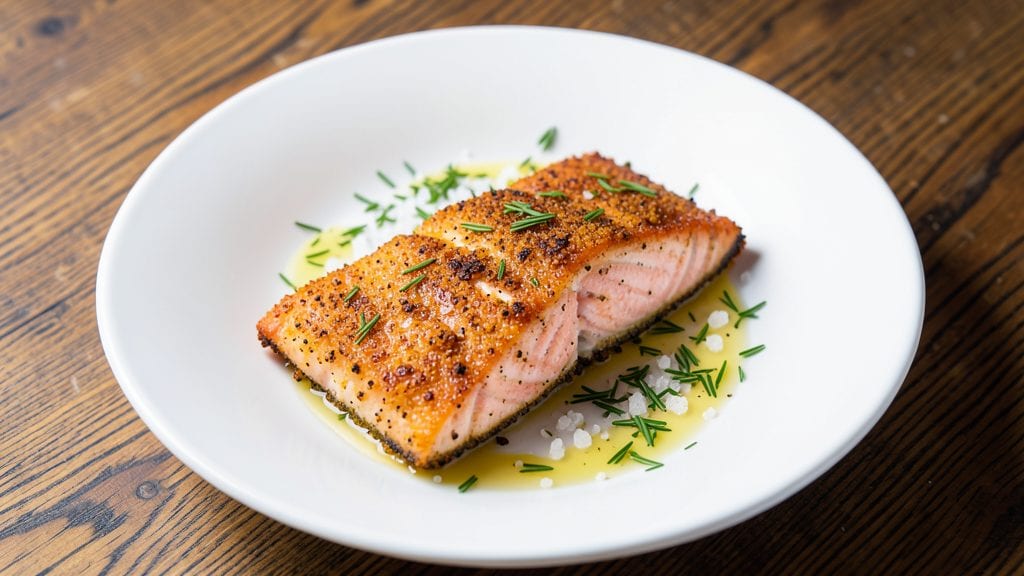
This fried salmon fish recipe delivers a perfect balance of crispy cornmeal crust and tender, flavorful fillets—every bite crackles with texture while staying juicy inside. The secret lies in precise oil temperature and a simple cornmeal batter that creates that coveted golden crust without overwhelming the delicate fish.
I developed this method after years of trial and error with restaurant-style results at home.
What sets this recipe apart is the smoky pan-sear technique, which transforms ordinary salmon into a restaurant-worthy main course. You'll need just five key ingredients—salmon fillets, cornmeal, flour, eggs, and your choice of seasonings—to create a dish that's both impressive and approachable.
The process is straightforward, but the results are anything but basic.
By the time you're done, you'll have crispy, golden-brown salmon with a satisfying crunch that gives way to flaky, buttery flesh. The cornmeal crust adds a subtle nutty depth that pairs beautifully with classic sides like lemon wedges, a fresh salad, or roasted vegetables.
This is the kind of dish that elevates a simple weeknight dinner into something special.
For those with dietary restrictions, I've included a gluten-free variation that uses rice flour instead of all-purpose flour, ensuring everyone at the table can enjoy the meal.
The recipe also accommodates different cooking preferences, from a light beer batter to a simple cornmeal crust. Let's get started on creating your perfect fried salmon.
Ingredients for fried salmon fish
Five core ingredients make this crispy salmon shine—juicy fillets, nutty cornmeal, and smoky secrets for restaurant-quality crust at home.
| Ingredient | Amount | Notes |
|---|---|---|
| Fresh Atlantic Salmon Fillets 🐟 | 4 pieces | Skin-on, 6-8 oz each, center-cut preferred |
| Fine Yellow Cornmeal 🌽 | ¾ cup | Stone-ground for best texture |
| All-Purpose Flour 🌾 | ½ cup | For light batter adhesion |
| Large Eggs 🥚 | 2 whole | Room temperature for even coating |
| Unsalted Butter 🧈 | ½ cup | Melted, full-fat for richness |
| Vegetable Oil 🫒 | 2 cups | High smoke point, like avocado |
| Diamond Crystal Kosher Salt 🧂 | 1 ½ tsp | Fine grain for even seasoning |
| Smoked Paprika 🌶️ | ½ tsp | For subtle smoky depth |
| Garlic Powder 🧄 | ½ tsp | Freshly ground preferred |
| Fresh Lemon Wedges 🍋 | 4 pieces | For serving, organic preferred |
| Fresh Parsley 🌿 | ¼ cup | Chopped, for garnish |
| Rice Flour 🍚 | ½ cup | Gluten-free substitution |
The salmon is everything here. Wild-caught Atlantic has the perfect texture, but farm-raised works too—just pat it dry before coating. Look for fillets with bright pink flesh and minimal bruising at Whole Foods or your local seafood counter. Skin-on keeps it from curling during frying, but if you prefer skinless, just add a pinch more cornmeal to the batter. The 6-8 oz size is ideal—smaller pieces cook too fast, larger ones risk overcooking. I always buy mine from Trader Joe's when they're on sale, but the frozen section at Costco has great options too.
No cornmeal? Crushed cornflakes work in a pinch—just pulse them in a blender for a finer texture. The flour is non-negotiable for adhesion, but gluten-free rice flour swaps right in for dietary needs. Eggs should be room temperature—cold ones make the batter separate. For extra crispiness, I like adding 1 tbsp cornstarch to the cornmeal mix. The butter matters too—full-fat, unsalted gives that rich, golden crust. If you're feeling fancy, swap the vegetable oil for avocado oil—it's got a higher smoke point and adds a subtle buttery note.
This batter keeps for 3 days in the fridge, but the salmon itself? Day-of cooking only—fresh fillets make all the difference. Store the dry ingredients (cornmeal, flour, spices) in an airtight container for up to 6 months. The lemon wedges? Buy them the day you cook—they're at their peak brightness. If you're prepping ahead, portion the batter mix into small containers and just add the eggs and butter when ready. The crust stays crispy for 20 minutes after frying, so serve immediately with your favorite sides.
Why You'll Love This Recipe
- No-Fuss Crunch: I swear by the cornmeal crust—it’s that perfect balance of golden crunch and tender bite. Just pat the fillets dry, dip ‘em in flour, then egg, then cornmeal, and fry for three minutes. No fancy techniques, just foolproof crispiness every time.
- Butter-Kissed Magic: That butter in the pan? Oh, it’s non-negotiable. The salmon soaks up just enough to make the crust melt-in-your-mouth while keeping the inside flaky. Honestly, the first bite makes me forget I’m not at a seafood restaurant.
- Lunchbox Hero: Between us, this is my go-to for meal prep. The leftovers reheat beautifully—toss ‘em in a salad, wrap ‘em in a tortilla, or just eat ‘em cold with lemon. My kids grab these for school lunches, and they come back begging for seconds.
- Budget-Friendly Luxury: Fresh salmon might sound fancy, but this recipe stretches it like a pro. A single fillet feeds two, and the cornmeal crust turns it into something restaurant-worthy without breaking the bank. Plus, butter and eggs are pantry staples—no last-minute grocery runs needed.
Step-by-step instructions for crispy cornmeal-crusted salmon
Here's how to achieve that perfect balance of golden crust and tender salmon every time.
Prepare the Crispy Cornmeal Batter
In a medium bowl, whisk together the 0.75 cup fine yellow cornmeal, 0.5 cup all-purpose flour, 0.5 cup rice flour, 1.5 teaspoons diamond crystal kosher salt, 0.5 teaspoon smoked paprika, and 0.5 teaspoon garlic powder. This dry blend is the secret to that satisfying crunch—stone-ground cornmeal creates a texture that's both crispy and slightly chewy. I like to sift the dry ingredients first to eliminate any lumps, which ensures an even coating on the salmon.
In a separate shallow dish, beat the 2 whole large eggs until just combined. The eggs will help bind the cornmeal to the salmon's surface. I always use room-temperature eggs for this step—they whip up more evenly and create a smoother batter. Add the melted 0.5 cup unsalted butter to the eggs and whisk until fully incorporated. This butter infusion adds incredible richness to the crust and prevents it from becoming too dry.
Create the Double-Dredge Coating
Pat each of the 4 pieces fresh atlantic salmon fillets completely dry with paper towels—this is crucial for maximum crispiness. Wet skin won't brown properly, so I take an extra minute to ensure every surface is bone dry. Place the salmon skin-side down in a clean work area and lightly season both sides with a pinch of salt.
Working with one fillet at a time, press it gently into the dry cornmeal mixture, coating both sides completely. Tap off any excess, then dip into the egg-butter mixture, letting any excess drip off. Finally, return to the cornmeal mixture for a second coating. This double-dredge technique creates that signature double-layered crust that's crispy on the outside and tender within. I like to work quickly here—if the salmon sits too long in the egg mixture, it can start to cook before hitting the pan.
Heat the Oil and Fry to Golden Perfection
Pour the 2 cups vegetable oil into a deep skillet or Dutch oven and heat over medium heat until it reaches 350°F—this is where precision matters. Use a thermometer to monitor the temperature; if it gets too hot, the crust will burn before the salmon cooks through. I've found that maintaining this exact temperature gives me that perfect balance of crispy exterior and moist interior.
Carefully place the coated salmon fillets in the hot oil, working in batches if needed to avoid overcrowding. Fry for 3-4 minutes per side until the crust turns a deep golden brown and the salmon flakes easily with a fork. The oil should be shimmering but not smoking—if it does, reduce the heat slightly. I press down gently on the fillets during the first minute to ensure even contact with the hot oil, which prevents curling and ensures even browning.
Finish with Butter and Fresh Herbs
Remove the salmon from the oil and transfer to a paper towel-lined plate to drain excess oil. Immediately add the 0.5 cup melted unsalted butter to the skillet and swirl to coat the bottom, scraping up any browned bits. This creates a quick pan sauce that adds incredible flavor to the finished dish.
Return the salmon to the skillet and spoon the buttery sauce over each fillet. The residual heat will melt the butter into the crust, creating an even richer flavor profile. Sprinkle with 0.25 cup chopped fresh parsley and serve immediately with the 4 pieces fresh lemon wedges. The acidity of the lemon cuts through the richness of the butter and salmon, balancing each bite perfectly. This dish is best served while the crust is still crisp—it softens quickly as it cools.
Pro Tips For Making Fried Salmon Fish
- Prep Salmon Like a Pro: Pat the fillets bone-dry with paper towels—no wet spots—before dredging in flour. I learned this the hard way: even a slightly damp surface makes the cornmeal crust clump instead of crisp. Trust me, the difference in crunch is night and day.
- Heat Oil to 350°F: Use a deep-fry thermometer (or test with a breadcrumb—if it sizzles and floats, you’re good). Too low? Greasy, soggy salmon. Too high? Burned crust before the inside cooks. Butter burns fast, so keep the heat steady—this isn’t a race.
- Double-Dredge for Crunch: Flour → egg wash → cornmeal → another quick flour dip before the final cornmeal coat. Yes, it’s extra work, but it locks in that golden, shatterable crust. My lazy attempts always left me wishing for more texture.
- Rest Before Frying: Let the floured fillets sit on a wire rack for 5 minutes after the second dredge. This lets the cornmeal adhere better and prevents a messy, uneven coating when you drop them in the oil. (I know, waiting sucks—but your crust will thank you.)
Perfect pairings for fried salmon fish
Classic Lemon-Arugula Salad
This bright, peppery salad is my go-to pairing for fried salmon—its crisp texture and tangy dressing cut through the richness of the buttery crust.
Toss 6 cups baby arugula with 2 tbsp extra-virgin olive oil, 1 tbsp fresh lemon juice, ½ tsp Dijon mustard, and ¼ tsp sea salt. Top with ¼ cup shaved Parmesan and ¼ cup toasted pine nuts for crunch.
The lemon in the salad mirrors the wedges on the plate, creating a cohesive flavor experience. 🍋
Garlic-Herb Butter Corn
Sweet corn adds a pleasant contrast to the savory salmon. Cut 4 ears of corn into thirds and boil for 5 minutes until tender. Toss with 2 tbsp melted butter, 1 tsp minced garlic, 1 tsp chopped parsley, and a pinch of salt.
The garlic in the corn complements the smoked paprika in the salmon crust beautifully. For extra flair, sprinkle with ¼ tsp smoked paprika before serving.
Creamy Dill Sauce
This cooling sauce balances the crispy salmon perfectly. Whisk together ½ cup sour cream, 2 tbsp mayonnaise, 1 tbsp fresh dill, 1 tsp lemon juice, and ½ tsp Dijon mustard.
The tangy dill and lemon brighten each bite while the creaminess smooths out the crust's texture. Serve it on the side for dipping or drizzle it over the salmon before serving for an elegant touch.
Roasted Asparagus with Lemon
Roasted asparagus brings a delicate, slightly charred flavor that pairs wonderfully with fried salmon. Toss 1 bunch asparagus (trimmed) with 1 tbsp olive oil, ½ tsp salt, and ¼ tsp black pepper, then roast at 425°F for 12-15 minutes.
Finish with a squeeze of lemon and a sprinkle of fresh parsley. The asparagus's natural sweetness complements the cornmeal crust without overpowering it.
Crispy Potato Wedges
For a heartier side, try crispy potato wedges that stand up to the salmon's richness. Cut 2 large russet potatoes into wedges, toss with 1 tbsp olive oil, 1 tsp smoked paprika, and ½ tsp garlic powder, then bake at 425°F for 25-30 minutes until golden.
The smoky paprika ties into the salmon's crust, creating a cohesive bite. Serve with a side of spicy mayo for dipping.
Wine Pairing: Sauvignon Blanc
A crisp Sauvignon Blanc from New Zealand or California is my top recommendation—its bright acidity and citrus notes cleanse your palate between bites. Look for wines with notes of grapefruit and green apple, like Kim Crawford Sauvignon Blanc or Oyster Bay Sauvignon Blanc.
The wine's zesty profile mirrors the lemon wedges and complements the cornmeal crust beautifully. Serve chilled at 45-50°F for the best experience.
Nutrition facts
Frequently asked questions
Can I use frozen salmon for this recipe?
Thaw frozen salmon fillets overnight in the refrigerator for best results. Pat them completely dry before coating—the extra moisture can prevent proper browning. For a quicker option, use the "thaw in cold water" method (sealed in a bag, submerged for 30 minutes), then dry thoroughly. Never thaw at room temperature, as this promotes bacterial growth.
What's the best oil for frying salmon?
Use oils with a high smoke point like avocado oil or vegetable oil—they stay stable at 350°F without burning. Avoid olive oil (smoke point 325°F) or butter, which can make the crust greasy. For extra flavor, try ghee (clarified butter) mixed with vegetable oil for a rich, nutty note in the crust.
Why did my salmon turn out greasy instead of crispy?
Greasy salmon usually means the oil was too cool or the fish wasn't dry enough. Always maintain 350°F oil temperature and pat fillets thoroughly with paper towels before coating. Another common mistake is overcrowding the pan—fry in batches to maintain proper heat. For extra crispiness, add 1 tablespoon cornstarch to the cornmeal mixture.
Can I make this gluten-free?
Yes! Replace the all-purpose flour with 0.5 cup rice flour (already included in the recipe) for a 1:1 gluten-free swap. The cornmeal batter will still adhere perfectly while keeping the crust crispy. For additional binding, add 1 tablespoon xanthan gum to the dry mix. The texture remains identical to the original version.
How do I reheat fried salmon without losing crispiness?
Reheating fried salmon is tricky, but an air fryer works best: heat to 375°F for 2-3 minutes until warmed through. For oven reheating, bake at 350°F for 4-5 minutes on a wire rack over a baking sheet. Microwaving is not recommended—it makes the crust soggy. Always reheat quickly to preserve texture.