Main Courses
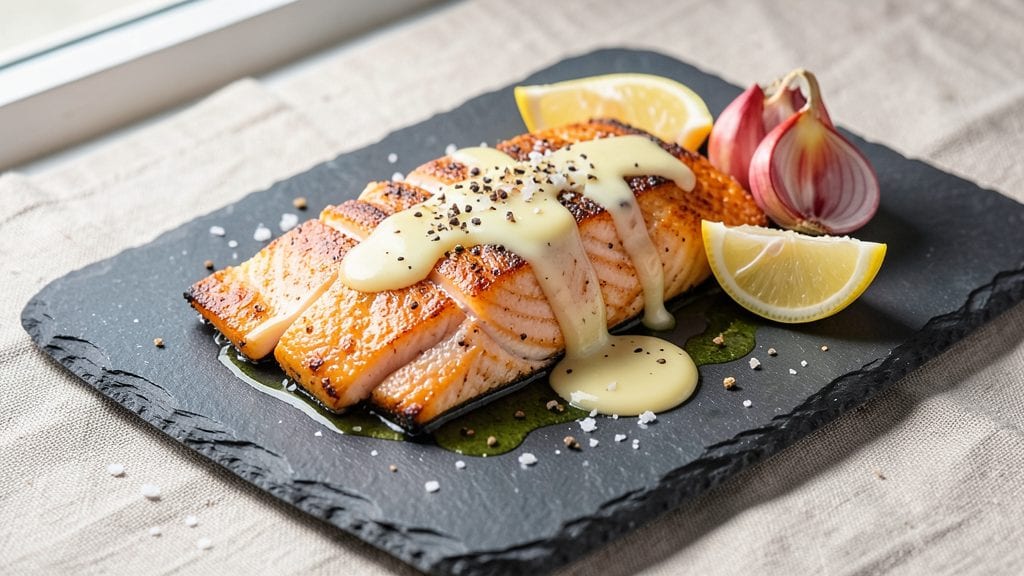
Baked salmon belly strips offer the ultimate contrast—shatteringly crispy edges with melt-in-your-mouth tenderness inside. This technique transforms fatty salmon belly into a restaurant-quality dish that’s surprisingly simple to master at home.
The secret lies in proper preparation: patting dry, scoring the skin, and baking just long enough to render the fat while keeping the center juicy.
What sets these strips apart is their rich, buttery flavor and textural magic—the skin crisps into delicate flakes while the flesh remains silky. Unlike lean salmon fillets, belly strips benefit from high heat and minimal handling, ensuring maximum crispiness without drying out.
This method delivers foolproof results every time, with minimal equipment and just 20 minutes of active prep.
The final dish delivers golden, crispy strips that hold their shape yet crumble slightly at the touch, revealing tender pink centers. The rendered fat creates a self-basting effect, infusing every bite with natural richness.
Serve with a bright citrus sauce or miso glaze to cut through the richness, and pair with steamed greens or roasted potatoes for a complete meal.
Perfect for special occasions or weeknight dinners, these salmon belly strips transform simple ingredients into an elegant dish. The technique scales easily—whether you’re cooking for two or feeding a crowd. Let’s get started on creating this crispy, tender masterpiece that’s sure to impress.
Ingredients for baked salmon belly strips
Nine essential ingredients transform fatty salmon belly into crispy, restaurant-quality strips with ultra-tender centers.
| Ingredient | Amount | Notes |
|---|---|---|
| Salmon Belly 🐟 | 1 ½ lb | Skin-on, fatty cut preferred |
| Unsalted Butter 🧈 | 4 tbsp | Cold, cut into small pieces |
| Diamond Crystal Kosher Salt 🧂 | 1 ½ tbsp | Fine grain for even seasoning |
| Fresh Lemon Juice 🍋 | 2 tbsp | From 1 medium lemon |
| Extra-Virgin Olive Oil 🫒 | 1 tbsp | Light drizzle for crispiness |
| Garlic Cloves 🧄 | 2 cloves | Minced, for finishing |
| Fresh Thyme Leaves 🌿 | 8 leaves | Or 1 tsp dried thyme |
| Black Peppercorns 🌶️ | ½ tsp | Freshly cracked |
| Baking Sheet 🍳 | 1 whole | Heavy-gauge, parchment lined |
The salmon belly is the star—look for pieces with thick, intact skin and visible fat marbling. Whole Foods or specialty seafood markets carry the best cuts, though most grocery stores stock frozen portions. If using frozen, thaw overnight in the fridge—never at room temperature. The skin should be smooth and unbroken; discard any pieces with tears or bruising. For optimal texture, pat the belly completely dry with paper towels before scoring. A sharp chef's knife is essential for clean cuts—make diagonal lines about 1/4-inch apart to create crispy edges without overcooking the flesh. King Salmon or Atlantic Salmon work best for this technique.
No butter? Ghee or duck fat delivers similar richness, though butter's lower smoke point ensures better browning. Short on lemon juice? Substitute white wine vinegar at half the amount, but the acidity will be more pronounced. Fresh thyme unavailable? Dried thyme works at one-third the quantity, but toast it lightly in a dry pan first for deeper flavor. For extra crispiness, brush the strips with a light coating of cornstarch mixed with water before baking. The olive oil should be high-quality—California extra-virgin brands like Corto or Bertolli work beautifully. If using pre-minced garlic, toast it first to remove moisture and enhance flavor.
Store prepped strips in an airtight container between layers of parchment paper for up to 2 days in the refrigerator. For longer storage, freeze uncooked strips on a tray before transferring to a bag—this prevents sticking. Reheat baked strips in a 375°F oven for 5-7 minutes until crispy again. The rendered fat solidifies when cold, so reheating is key to restoring that perfect crunch. These strips reheat beautifully and make excellent meal prep—portion into single servings before freezing for easy grab-and-bake convenience.
Why You'll Love This Recipe
- Here’s what sold me: that first bite of crispy edge giving way to silky, melt-in-your-mouth salmon. The kosher salt and lemon juice cut through the richness like a bright, zesty hug. It’s the kind of dish that makes you pause mid-bite.
- Two-Ingredient Magic: I swear by this trick—just butter and salt. That’s it. The salmon belly’s natural richness melts into a golden, crispy crust while staying tender inside. No fancy marinades or hours of prep, just pure, buttery perfection.
- Crispy-Creamy Obsession: Here’s what sold me: that first bite of crispy edge giving way to silky, melt-in-your-mouth salmon. The kosher salt and lemon juice cut through the richness like a bright, zesty hug. It’s the kind of dish that makes you pause mid-bite.
- Weeknight or Guest Night: Between us, this works for everything. Toss it on a charcuterie board for company, or slap it on toast for a lazy Sunday. Even my picky teenager grabs seconds when I serve it with a squeeze of lemon—no complaints, ever.
Step-by-step instructions for baked salmon belly strips
This method transforms rich salmon belly into delicate strips with perfect crispy skin and melt-in-your-mouth centers.
Prep and Season the Salmon Belly
Begin by removing the salmon belly from the refrigerator and letting it sit at room temperature for 30 minutes. This ensures even cooking and prevents cold spots. Using a sharp boning knife, carefully cut the belly into ¼-inch thick strips, working parallel to the skin to preserve its integrity. You should yield about 12-16 strips from 1.5 pounds of salmon belly.
Pat each strip dry with paper towels—this is critical for achieving crispy skin. Arrange the strips skin-side up on a clean work surface and season both sides generously with the 1.5 tablespoons of diamond crystal kosher salt and 0.5 teaspoon of freshly cracked black peppercorns. Let them rest for 10 minutes while you prepare the baking sheet. This resting period allows the salt to penetrate and enhances the flavor development.
Create the Butter and Herb Baste
Preheat your oven to 425°F with the baking sheet inside to ensure even heat distribution. Line the baking sheet with parchment paper, leaving a ½-inch overhang on all sides for easy transfer. In a small bowl, combine the 4 tablespoons of cold, cubed unsalted butter, 8 fresh thyme leaves, and 2 tablespoons of fresh lemon juice. Using a fork, mash this mixture until it forms a thick, herby paste.
Spread this butter mixture evenly over the salmon strips, coating both sides thoroughly. The butter will act as both a flavor enhancer and a protective barrier during baking. Arrange the strips in a single layer on the prepared baking sheet, leaving about ½-inch space between each piece. This spacing ensures even browning and crisping without steaming.
Bake to Crispy Perfection
Place the baking sheet in the preheated oven and bake for 12-15 minutes, rotating the sheet halfway through for even cooking. You're aiming for skin that's deep golden brown and crispy enough to hold its shape when lifted gently with tongs. The internal temperature should reach 125-130°F—just warm enough to be tender but not fully cooked through.
Here's the key: resist the urge to peek or move the strips during baking. The butter will bubble and foam as it renders, creating that signature crispy crust. If you notice the skin browning too quickly, tent the baking sheet loosely with aluminum foil to prevent over-browning while still allowing heat to circulate.
Finish with Olive Oil and Garlic
Remove the salmon strips from the oven and immediately brush both sides with the 1 tablespoon of extra-virgin olive oil using a pastry brush. This step adds an extra layer of richness and helps maintain crispiness. While the strips are still warm, sprinkle with the 2 minced garlic cloves, pressing them gently into the surface. The residual heat will infuse the garlic flavor without cooking it into a paste.
Transfer the strips to a serving platter and let them rest for 5 minutes before serving. This brief rest allows the juices to redistribute, ensuring each bite delivers maximum tenderness. Serve immediately with lemon wedges for squeezing and additional fresh thyme leaves for garnish. The result should be strips that are crispy on the outside, buttery and tender within, with bright, aromatic flavors.
Pro Tips For Making Baked Salmon Belly Strips
- Cut Thin, Even Strips: Salmon belly’s fat layers matter—slice against the grain into ¼-inch-thick strips, no thicker. I learned this the hard way: thicker pieces turn greasy and uneven. Use a sharp knife, or the belly will tear and look messy.
- Salt Before Butter: Pat the strips completely dry, then hit them with 1 tsp kosher salt per pound before adding butter. The salt draws out moisture, so the butter sticks and crisps instead of sliding off. (Yes, even if you’re impatient like me—wait 5 minutes.)
- High Heat, Then Low: Start the salmon belly strips in a 425°F (220°C) oven for 4 minutes to blister the skin, then drop to 350°F (175°C). Rushing the high heat = rubbery strips; too low = soggy butter. A thermometer reads 130°F (54°C) for perfect doneness.
- Lemon Juice Last: Add fresh lemon juice after baking—it brightens the dish but cuts through the butter’s richness if mixed in early. A splash (1 tbsp per pound) finishes the strips while they’re still hot, locking in flavor. (Skip the zest unless you love bitterness.)
Regional styles of these flavors
Japanese Crispy Skin
In Japan, salmon belly strips are often prepared using a technique called karaage-style baking, where the skin is scored in a diamond pattern before seasoning. This creates more surface area for crispiness while keeping the flesh juicy.
I use furikake seasoning (a Japanese rice seasoning blend) instead of salt—just 1 tablespoon mixed with 1 teaspoon sesame seeds before baking. The result is a delicate balance of umami and nutty flavor. Serve with a side of ponzu sauce for that signature tangy-sweet contrast. 🌶️
Scandinavian Dill Butter
Nordic cooks elevate salmon belly with a dill butter glaze that adds herbal brightness. After baking, I melt 2 tablespoons of unsalted butter with 1 tablespoon chopped fresh dill and a pinch of cayenne pepper, then brush it over the warm strips.
The dill's anise notes cut through the richness beautifully. Pair with lingonberry jam on the side for a sweet-tart balance that's quintessentially Scandinavian. 🌿
Mediterranean Lemon-Caper
Southern European chefs often incorporate briny capers and sun-dried tomatoes into their preparations. After baking, I toss the strips with 1 tablespoon capers, 2 tablespoons chopped sun-dried tomatoes, and a sprinkle of fresh oregano.
The acidity from the tomatoes and capers brightens the dish while adding Mediterranean flair. Serve with a side of olive tapenade for an extra layer of flavor complexity. 🍋
Korean Soy-Glazed
For a bold Asian twist, I marinate the strips in a mixture of 2 tablespoons soy sauce, 1 tablespoon gochujang, and 1 teaspoon grated ginger before baking. The soy adds depth while the gochujang brings heat and sweetness.
After baking, I finish with a drizzle of sesame oil and toasted sesame seeds. Serve with kimchi on the side to complement the rich flavors. 🌶️
Southern Fried Style
In the American South, salmon belly strips are sometimes treated like fried catfish, with a cornmeal crust for extra crunch. I mix 3 tablespoons cornmeal with 1 teaspoon smoked paprika and ½ teaspoon garlic powder, then lightly coat the strips before baking.
The crust adds a satisfying texture contrast while keeping the inside tender. Serve with hot sauce and pickled onions for a spicy kick. 🔥
French Herb-Crusted
French techniques often involve a herb crust that adds both texture and aroma. I blend 2 tablespoons chopped parsley, 1 tablespoon chopped chives, and 1 tablespoon breadcrumbs, then press this mixture onto the strips before baking.
The crust turns golden and crispy, while the herbs infuse the salmon with fresh, bright flavors. Finish with a squeeze of lemon juice and a sprinkle of sea salt for a classic French touch. 🌟
Nutrition facts
Frequently asked questions
Why does salmon belly need to be patted so dry before baking?
The skin's natural moisture prevents proper browning and crispiness. Patting dry removes surface water so the butter can render and create that signature crispy crust. Think of it like drying chicken skin before frying—it's the secret to that perfect crunch!
Can I use frozen salmon belly for this recipe?
Yes, but thaw it overnight in the refrigerator first. Never use cold frozen strips straight from the freezer—they'll release moisture and steam during baking, preventing crispiness. For best results, pat the thawed skin completely dry before scoring and seasoning.
What's the best way to test if the strips are done?
Look for deep golden-brown skin that's crispy enough to hold its shape when lifted with tongs. The internal temperature should reach 125-130°F—just warm enough to be tender but not fully cooked through. The butter should bubble and foam, creating that signature crispy crust.
How do I prevent the strips from sticking to the baking sheet?
Line the sheet with parchment paper and leave a ½-inch overhang on all sides for easy transfer. Also, arrange strips with ½-inch space between them to allow air circulation. If they still stick, your oven may be too hot—reduce temperature to 400°F next time.
Can I make these ahead of time?
Yes! Store cooked strips in an airtight container between layers of parchment paper for up to 2 days in the fridge. To restore crispiness, reheat at 375°F for 5-7 minutes. For longer storage, freeze uncooked strips on a tray before bagging—this prevents sticking.