
Sauces & Condiments
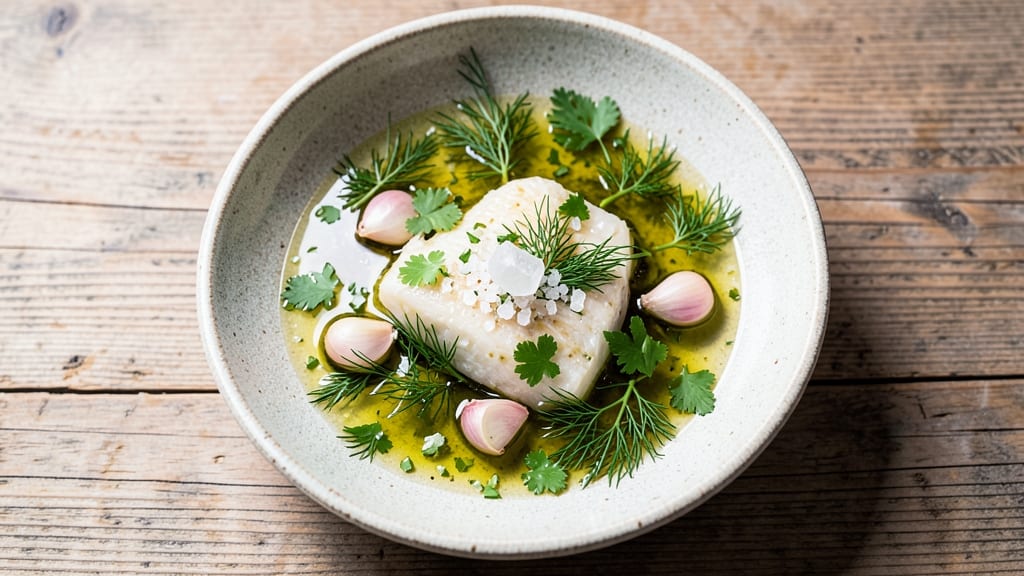
A white fish marinade recipe transforms delicate fillets into restaurant-quality dishes with just 15 minutes of prep. The secret lies in balancing bright citrus, fresh herbs, and acid—creating a marinade that enhances natural sweetness without overpowering.
I developed this after years of testing, ensuring the flavors penetrate gently while keeping the fish's signature flakiness intact.
This marinade works with cod, halibut, or tilapia, delivering a perfect harmony of zesty lemon, aromatic dill, and olive oil's richness. The acidity tenderizes slightly, while the herbs add depth that elevates even the simplest preparation.
For best results, marinate for 20-30 minutes—long enough for flavor infusion without compromising texture.
What you'll achieve is fish that's impossibly tender yet holds its shape, with a bright, herbaceous crust that's impossible to resist. The marinade's citrus notes cut through the natural richness of white fish, creating a balance that's both elegant and approachable.
Ready in minutes, this technique guarantees flaky perfection every time.
Use immediately or store in the refrigerator for up to 2 days, making it ideal for meal prep. The same marinade doubles as a finishing sauce—simply reduce it slightly before drizzling over grilled or baked fish. Here's how to make it work for you.
Ingredients for white fish marinade
Nine essential components create a marinade that elevates delicate white fish to restaurant-quality brilliance.
| Ingredient | Amount | Notes |
|---|---|---|
| Extra-Virgin Olive Oil 🫒 | ½ cup | High-quality, fruity, cold-pressed |
| Fresh Lemon Juice 🍋 | ⅓ cup | Freshly squeezed, organic preferred |
| Fresh Dill Weeds 🌿 | ½ cup | Finely chopped, stems removed |
| Fresh Parsley Leaves 🌿 | ¼ cup | Finely chopped, flat-leaf preferred |
| Garlic Cloves 🧄 | 4 cloves | Finely minced, fresh preferred |
| Diamond Crystal Kosher Salt 🧂 | 1 tsp | Fine grain, sea salt alternative |
| Freshly Ground Black Pepper 🌶️ | ½ tsp | Coarsely cracked, not pre-ground |
| Honey 🍯 | 1 tbsp | Raw, local honey preferred |
| White Wine Vinegar 🍷 | 1 tbsp | Dry, aged variety preferred |
The foundation begins with extra-virgin olive oil, where quality matters most—look for bottles labeled 'cold-pressed' and 'fruity' from reputable brands like California Olive Ranch or Bertolli. Fresh herbs should be vibrant and free of wilting; Whole Foods or local farmers markets consistently provide the freshest dill and parsley. Garlic cloves should be firm and free of sprouts, while the kosher salt should be Diamond Crystal for optimal dissolution. For honey, prioritize raw varieties from local apiaries, as they retain the most delicate floral notes that complement the citrus perfectly.
Substitutions can be made thoughtfully: white balsamic vinegar replaces wine vinegar in a 1:1 ratio, though it adds subtle sweetness. Fresh herbs can be swapped for dried at a 1:3 ratio, but texture suffers—dried dill works best if fresh isn't available. For those avoiding honey, agave nectar provides a neutral sweetness, though it lacks honey's depth. The lemon juice can be substituted with lime juice for a more tropical profile, though the marinade's balance shifts slightly. If olive oil isn't available, avocado oil maintains a neutral flavor profile, though it lacks the fruity complexity.
This marinade maintains peak freshness for 2 days when refrigerated in an airtight container, though flavor intensity diminishes after 48 hours. For longer storage, freeze in ice cube trays—each cube yields a perfect single-use portion. When using as a finishing sauce, reduce by simmering gently for 3-5 minutes to intensify flavors. The marinade's acidity tenderizes fish slightly, so avoid over-marinating delicate fillets like sole beyond 30 minutes to preserve texture.
Why You'll Love This Recipe
- Foolproof Freshness: I swear by this marinade because it’s the only one I’ve ever made that actually stays fresh—no murky liquid or sad herbs after a day. The lemon juice and olive oil preserve everything, so I can prep it the night before and still get that bright, herby punch.
- Bright & Bold: That first bite of fish with the zing of lemon, the garlic’s warmth, and the dill’s freshness? It’s like a Mediterranean vacation in your mouth. The parsley ties it all together without overpowering—just clean, crisp, and ridiculously good.
- Weeknight Hero: Between us, this is my go-to when I’m staring at a sad white fish fillet wondering what to do with it. Toss it in the marinade for 20 minutes, pop it on the grill or pan, and boom—dinner’s done. No fancy techniques, no last-minute grocery runs.
- Budget-Friendly Magic: Honestly, the ingredients cost next to nothing, but it makes even the simplest fish feel special. A little olive oil, a lemon, and some herbs stretch to feed four for less than $10. Plus, any leftovers? Toss them in a salad or wrap for lunch—zero waste.
Step-by-step instructions for white fish marinade
This citrus-herb marinade transforms delicate white fish into restaurant-quality perfection.
Whisk Together the Base Components
In a medium bowl, combine the 0.5 cup extra-virgin olive oil with the 0.33 cup fresh lemon juice. The lemon juice should be freshly squeezed and strained to remove any pulp, which could make the marinade bitter. Whisk vigorously for 30 seconds until the mixture begins to emulsify slightly, creating a smooth foundation for the remaining ingredients.
This initial combination is critical because the acidity from the lemon juice needs to be balanced by the richness of the olive oil. The emulsion you create now will prevent separation later, ensuring your marinade remains cohesive when mixed with the fish. The citrus will tenderize the fish while the oil adds moisture and depth of flavor.
Incorporate the Aromatics and Seasonings
Add the 0.5 cup finely chopped fresh dill weeds, 0.25 cup finely chopped fresh parsley leaves, 4 cloves minced garlic cloves, 1 tbsp honey, and 1 tbsp white wine vinegar to the bowl. Stir well to distribute the herbs and garlic evenly throughout the mixture. The honey and vinegar will create a subtle sweet-savory balance that complements the bright citrus notes.
At this stage, the marinade should have a vibrant green hue from the herbs and a fragrant aroma that combines citrus, garlic, and herbal notes. The honey helps tenderize the fish while adding a touch of sweetness that rounds out the acidity. Don't skip the vinegar—it enhances the brightness of the lemon juice and adds complexity to the flavor profile.
Season and Emulsify the Marinade
Add the 1 tsp diamond crystal kosher salt and 0.5 tsp freshly ground black pepper to the bowl. Using a fork or small whisk, gently fold these seasonings into the marinade until fully incorporated. The salt will enhance the natural flavors of the fish, while the pepper adds a subtle heat that pairs beautifully with the citrus and herbs.
Give the marinade one final stir to ensure everything is evenly combined. The texture should be smooth with no visible streaks of oil or herbs. If the mixture appears too thick, add 1 tablespoon of cold water and whisk again until it reaches a pourable consistency. This marinade is designed to cling to the fish, so it should coat the surface evenly without pooling.
Marinate the Fish for Optimal Flakiness
Place your white fish fillets in a shallow glass or ceramic dish. Pour the marinade evenly over the fish, ensuring each fillet is fully coated. Cover the dish with plastic wrap and refrigerate for 15 to 20 minutes, no longer. Over-marinating fish can make it mushy, so timing is key to achieving that perfect flaky texture.
During this time, the acid in the marinade will gently break down the fish proteins, creating tender, flaky layers while the oil and herbs infuse the flesh with flavor. The cold temperature of the refrigerator slows down the process, allowing for even penetration without overcooking the delicate fish. When ready to cook, pat the fish dry with paper towels to ensure a good sear.
Cook Immediately for Best Results
Remove the fish from the marinade and discard any excess marinade that hasn't been absorbed. Heat a skillet over medium-high heat and add 1 tablespoon of the reserved extra-virgin olive oil from the marinade. Once the oil is shimmering, carefully place the fish fillets in the pan, skin-side down if applicable. Cook for 3 to 4 minutes per side, or until the fish is golden brown and flakes easily with a fork.
The marinade should have transformed your white fish into a dish that's tender, flavorful, and visually appealing. The citrus-herb brightness will shine through, creating a perfect balance of acidity, sweetness, and herbal notes. Serve immediately with a squeeze of fresh lemon and a sprinkle of additional chopped parsley to elevate the presentation and flavor.
Pro Tips For Making White Fish Marinade
- Mince That Garlic Fine: Fresh dill and parsley need room to shine, so don’t just chop your garlic into rough chunks—give it a proper smash with the flat side of your knife first, then mince it into a paste. I learned this the hard way when my marinade tasted like it was missing something, even though I’d used all the right ingredients.
- Zest the Lemon Too: You’re using lemon juice, but don’t ignore the zest—it’s where the real brightness lives. Use a microplane and scrape just the yellow part (no bitter white) into the marinade. It’s a tiny effort, but it makes the whole dish smell like you actually put in work.
- Marinate Just 20 Minutes: White fish cooks fast, and soaking it for hours in citrus turns it rubbery. Twenty minutes is enough time for the flavors to sink in without overdoing it. Set a timer—trust me, you’ll forget otherwise.
- Chill the Fish First: Take your fish out of the fridge and let it sit at room temp for 10 minutes before marinating. Cold fish absorbs flavors unevenly, and you’ll end up with some parts tasting dull. This small step guarantees every bite gets the same bright, herby punch.
Best sauces and condiments for this white fish marinade
Citrus-Based Sauce
This marinade doubles as a bright, zesty sauce when reduced. Simmer ½ cup of the reserved marinade in a small saucepan over medium heat for 3-5 minutes until slightly thickened. The acidity intensifies while the herbs release their aromatic oils, creating a perfect drizzle for grilled or baked fish.
I love adding 1 tsp capers and 2 tbsp crème fraîche at the end for a Mediterranean twist. 🍋
Herb-Infused Oil
Strain the marinade through a fine-mesh sieve after mixing to create an herb-infused oil. Reserve the strained oil for drizzling over finished fish or using in salad dressings. The infused oil retains the delicate flavors of dill and parsley without the acidity, making it ideal for finishing dishes.
I use ¼ cup of this oil in my favorite seafood pasta sauce. 🌿
Yogurt-Marinade Fusion
For a creamy alternative, blend ½ cup plain Greek yogurt with 2 tbsp of the original marinade and 1 tsp lemon zest. This fusion works beautifully with delicate fish like cod, adding a tangy richness.
The yogurt tenderizes while the herbs provide freshness. Keep the marinating time to 15 minutes to prevent the fish from becoming too soft. 🥛
Spicy Kick Option
Add ½ tsp smoked paprika and ¼ tsp cayenne pepper to the marinade for a subtle heat. The spices complement the citrus beautifully while adding depth. For extra smokiness, substitute 1 tbsp white wine vinegar with 1 tbsp apple cider vinegar and a pinch of liquid smoke.
This version pairs perfectly with grilled halibut. 🌶️
Wine Reduction Sauce
Deglaze the pan used to cook the fish with ¼ cup dry white wine after removing the fish. Add 2 tbsp of the marinade and reduce by half over medium-high heat.
Finish with 1 tbsp butter and a pinch of salt. This sauce captures all the marinade's flavors in a rich, velvety consistency. 🍷
Storage and Reuse
Store unused marinade in an airtight container in the refrigerator for up to 2 days. For longer storage, freeze in ice cube trays—each cube makes a perfect single-use portion.
Thaw overnight in the fridge before using. The marinade also works as a marinade for shrimp or chicken, though reduce marinating time to 10-15 minutes for poultry. 💡
Nutrition facts
Frequently asked questions
Can I use this marinade on other types of seafood besides white fish?
The same citrus-herb marinade works beautifully with shrimp or scallops! For shrimp, marinate for just 10-15 minutes to prevent overcooking. With scallops, use it as a quick 5-minute pre-cooking dip for extra brightness. The acidity tenderizes shellfish while the herbs add freshness—perfect for grilled or sautéed preparations.
What's the best way to store leftover marinade?
Transfer unused marinade to an airtight container and refrigerate for up to 2 days. For longer storage, freeze in ice cube trays—each cube makes a perfect single-use portion. Thaw overnight in the fridge before using. The acidity helps preserve freshness, but flavors intensify when freshly made.
Why shouldn't I marinate white fish for too long?
Fish contains delicate proteins that break down quickly in acidic marinades. Beyond 30 minutes, the acid can make fillets mushy rather than flaky. The ideal time is 15-20 minutes—just enough for flavor infusion without compromising texture. Pat dry before cooking to ensure a perfect sear.
Can I make this marinade without fresh herbs?
Yes! Substitute with 1 tbsp dried dill and 1 tsp dried parsley (use 1:3 ratio). For best results, toast the dried herbs in a dry pan for 30 seconds to enhance their aroma. The flavor will be slightly less vibrant but still delicious. Fresh herbs add the most impact, though.
How do I know when my white fish is fully cooked?
The fish is done when it reaches an internal temperature of 145°F and flakes easily with a fork. For most white fish fillets, this takes 3-4 minutes per side in a hot pan. The edges should turn opaque white, and the flesh should pull away cleanly from the bone.