
Soups & Stews
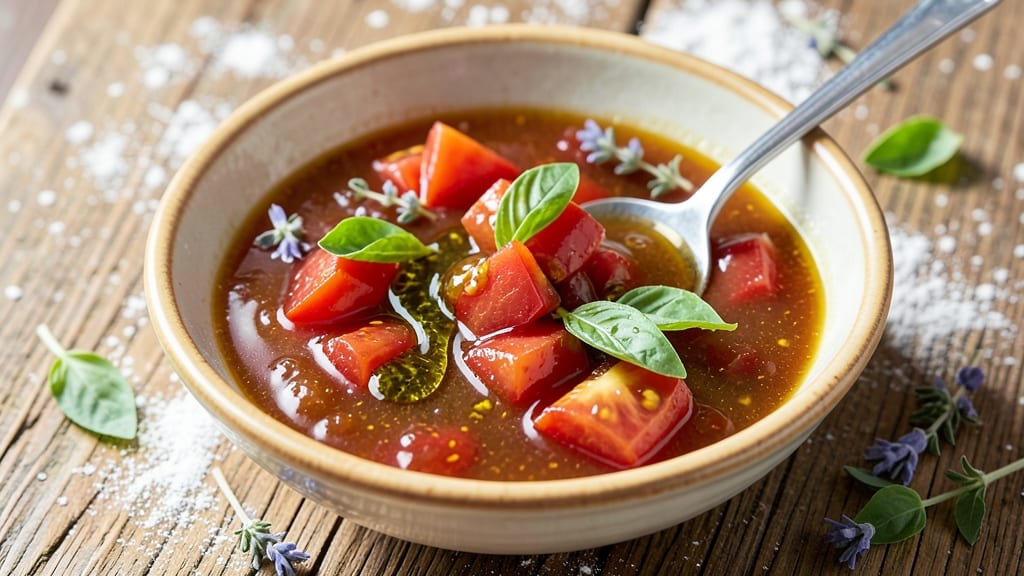
This tomato marmalade recipe transforms summer's brightest tomatoes into a versatile condiment with a perfect sweet-tart balance that elevates everything from sandwiches to charcuterie boards. The slow simmering process concentrates natural tomato flavors while caramelizing sugars, creating a thick, jam-like consistency that's richer than traditional tomato sauce.
I developed this recipe after discovering how homemade preserves could transform simple meals into restaurant-worthy experiences.
The beauty of tomato marmalade lies in its adaptability—use it as a sandwich spread, drizzle it over grilled meats, or pair it with sharp cheeses for a sophisticated appetizer.
The recipe includes a carefully balanced sugar ratio to preserve natural acidity while enhancing sweetness, and optional additions like citrus zest or herbs allow for customization. What sets this apart from store-bought versions is the depth of flavor achieved through proper reduction techniques and fresh ingredients.
What you'll end up with is a glossy, concentrated tomato preserve that maintains vibrant color and complex flavor profiles, perfect for both sweet and savory applications. The texture is thick enough to cling beautifully to toast or meats while remaining spreadable.
This marmalade keeps well in sterilized jars for up to six months, making it an excellent pantry staple for year-round use.
Whether you're preparing for holiday entertaining or simply want to add gourmet flair to everyday meals, tomato marmalade delivers professional-quality results with minimal effort. The recipe includes preservation best practices to ensure safety and longevity, while variations allow you to tailor the flavor to your preferences.
Let's create this versatile condiment that will become a kitchen essential.
Ingredients for tomato marmalade
Fresh tomatoes, sugar, and citrus create this restaurant-worthy condiment that transforms everyday meals.
| Ingredient | Amount | Notes |
|---|---|---|
| Fresh Roma Tomatoes 🍅 | 4 lb | Vine-ripened, cored and quartered |
| Granulated White Sugar 🍚 | 3 cups | Superfine preferred for faster dissolving |
| Fresh Lemon Juice 🍋 | ½ cup | From 2-3 lemons, freshly squeezed |
| Extra-Virgin Olive Oil 🫒 | ¼ cup | High-quality, fruity variety |
| Fresh Basil Leaves 🌿 | ½ cup | Chopped, stems removed (optional) |
| Fresh Thyme Sprigs 🍃 | 2 whole | Leaves only, stems discarded (optional) |
| Diamond Crystal Kosher Salt 🧂 | 1 ½ tsp | Fine grain preferred |
| Cayenne Pepper 🌶️ | ¼ tsp | Adjust for desired heat level |
| Orange Zest 🍊 | 1 tbsp | From 1 organic orange (optional) |
| Apple Cider Vinegar 💧 | 1 tbsp | For brightness and preservation |
The tomatoes are your flavor foundation—Roma tomatoes pack the most juice and natural sweetness, but any ripe, flavorful variety works. Heirloom or vine-ripened from your local farmers market will give you that gourmet edge, but grocery store tomatoes (like Sunkist or Sun Gold) are perfectly fine if you're in a pinch. The sugar ratio is critical: too much makes it cloying, too little won't preserve properly. Superfine sugar dissolves faster, but regular granulated works if you pulse it in a food processor first. For the citrus, organic lemons ensure you get zest without the bitter pith—Whole Foods or Trader Joe's usually carry the juiciest varieties.
No fresh basil or thyme? Dried herbs work at half the amount, but the flavor will be more muted. Running low on vinegar? White wine vinegar or balsamic both work, though balsamic adds a deeper complexity. The cayenne is purely optional—skip it if you're serving to kids or sensitive eaters. For a herb-free version, just omit the basil and thyme entirely. The orange zest adds a subtle brightness that pairs beautifully with the tomatoes, but if you're making this for savory applications, you can safely skip it. For a vegetarian-friendly twist, consider adding a pinch of smoked paprika to deepen the flavor profile.
This marmalade is a pantry superstar—sterilized jars keep it fresh for up to six months in a cool, dark place. For sterilizing, boil jars and lids in hot water for 10 minutes, then fill while hot. The marmalade thickens as it cools, so don't worry if it looks too thin immediately after processing. For a gift-worthy presentation, use small canning jars with ribbon seals. Store in the fridge after opening, and it'll last about 3 months. The flavor actually improves with age, so make a big batch and enjoy it all year!
Why You'll Love This Recipe
- No-Core Chopping Needed: I’ll admit, I used to dread chopping tomatoes—seeds everywhere, mess on my hands. This recipe? Just halve the Romas, squeeze out the pulp, and you’re done. Five minutes max, and no one’s judging your uneven slices.
- Sweet-Tart Magic: That balance of sugar and lemon juice? It’s ridiculously good. The tomatoes caramelize just enough to turn this into something rich, while the basil adds this fresh, herbal punch that makes it taste like a summer afternoon in a jar.
- Cheeseboard MVP: Between us, this is my go-to for charcuterie nights. Drizzle it over brie, pair it with prosciutto, or just eat it straight with crusty bread—it’s the kind of thing that makes guests ask, “What is this?” and then immediately want seconds.
- Pantry Goldmine: A few jars of this mean I never have to scramble for a quick sauce. Toss it into pasta, mix it into risotto, or use it as a glaze for grilled chicken. And honestly? It’s cheaper than buying fancy jarred sauces, lasts months, and I’ve never regretted making extra.
Step-by-step instructions for tomato marmalade recipe
Transform fresh vine-ripened tomatoes into a jewel-toned preserve bursting with sweet-tart complexity.
Prepare and Cook the Tomatoes
In a large, heavy-bottomed pot, combine the 4 lb fresh Roma tomatoes that have been cored and quartered. Add the 2 whole fresh thyme sprigs (leaves only) and the 1 tbsp orange zest. Bring to a boil over medium-high heat, then immediately reduce to medium-low heat and simmer uncovered for 30-40 minutes until the tomatoes break down into a thick, chunky pulp.
Stir occasionally to prevent sticking, and watch for the mixture to reduce by about half. You'll know it's ready when the tomatoes release their juices and the texture becomes jam-like. This slow simmering process is crucial—it develops the deep, concentrated tomato flavor without burning the edges. I like to press the tomatoes gently with a wooden spoon to help them break down faster, but never force it or you'll end up with a mushy texture.
Add Sweetener and Acid
Once the tomatoes have reduced, increase the heat to medium-high and add the 3 cups granulated white sugar all at once. Stir vigorously to dissolve the sugar completely—this is where the magic happens. The sugar will caramelize slightly, creating those beautiful amber hues and deepening the flavor profile.
Next, add the 0.5 cup fresh lemon juice and the 1 tbsp apple cider vinegar. The acidity brightens the tomatoes and balances the sweetness, while the vinegar adds a subtle tang that enhances preservation. Bring the mixture back to a full boil, then reduce heat to medium-low again. Let it simmer uncovered for another 20-25 minutes, stirring occasionally, until it thickens to a spreadable consistency. You're aiming for a texture that coats the back of a spoon but still has slight movement—like thick syrup.
Incorporate Herbs and Oil
Remove the pot from heat and let the marmalade cool slightly for 5 minutes. This resting period prevents the olive oil from separating when added. Stir in the 0.5 cup chopped fresh basil leaves and the 0.25 cup extra-virgin olive oil. The basil adds an aromatic freshness that cuts through the sweetness, while the olive oil gives it a luxurious, velvety mouthfeel.
Return the pot to low heat and stir in the 1.5 tsp diamond crystal kosher salt and 0.25 tsp cayenne pepper. The salt enhances all the flavors, and the cayenne adds a subtle warmth that lingers on the palate. Taste and adjust the seasoning if needed—you might want to add a bit more salt or cayenne depending on your preference for heat. The mixture should be vibrant, aromatic, and perfectly balanced between sweet, tart, and spicy.
Test for Doneness and Preserve
To test for doneness, place a small spoonful of the marmalade on a chilled plate and refrigerate for 2 minutes. If it wrinkles slightly when you push it with your finger, it's ready. If not, return it to low heat and simmer for another 5-10 minutes, testing again until it reaches the desired consistency. This step ensures your marmalade will keep well and maintain its texture over time.
Once perfect, transfer the marmalade to sterilized jars, leaving about ½ inch of headspace at the top. Seal the jars tightly and let them cool completely at room temperature. The marmalade will thicken further as it cools, so don't be alarmed if it looks slightly runnier in the jars. Store in a cool, dark place for up to 6 months, or refrigerate for up to 2 weeks once opened. This preserve is incredible on toast, mixed into yogurt, or drizzled over grilled meats.
Pro Tips For Making Tomato Marmalade
- Blister, Don’t Boil: Roma tomatoes release their juice best when they’re blistered first—toss halved tomatoes in a dry skillet over medium-high heat for 3-4 minutes until charred in spots. This jumpstarts the flavor extraction and cuts down on simmering time by 20%. (Yes, even if you’re impatient like me, resist the urge to rush this.)
- Sugar Gradually: Add sugar in thirds, not all at once—start with half the total amount, simmer until dissolved, then taste before adding more. This prevents a cloying sweetness and lets the acidity (from lemon juice) balance properly. I learned this the hard way after making a batch so sugary it tasted like dessert, not condiment.
- Strain Twice, Regret Nothing: After simmering, strain through a fine-mesh sieve once, then press the pulp with a spoon. Strain again through cheesecloth for a silky texture—no grainy bits. This is the thing that matters most if you want that restaurant-quality smoothness. (Your future self will thank you.)
- Lemon Early, Not Late: Add lemon juice with the sugar, not at the end—it needs time to mellow and integrate. Dumping it last makes the marmalade taste sharp and one-dimensional. Think of it like seasoning: let it work its magic during cooking, not as an afterthought.
Common mistakes when making this recipe
Overcooking the Tomatoes
One of the biggest mistakes is letting the tomatoes simmer too long before adding sugar, which can turn them mushy and lose their vibrant color. I’ve seen this happen when people get distracted or don’t monitor the pot closely. The goal is a thick, chunky pulp—not a mushy paste.
Once the tomatoes reduce by about half (around 30-40 minutes), it’s time to add the sugar. If they cook longer, the texture becomes unappealing, and the flavor flattens. 🍅
Skipping the Sugar Test
Many home cooks skip the crucial step of testing the sugar’s complete dissolution. If you don’t stir vigorously after adding the 3 cups of sugar, undissolved grains can create a gritty texture in your final marmalade.
I learned this the hard way—once, I rushed the process and ended up with a batch that felt like sandpaper on toast. Always stir until the sugar fully dissolves before proceeding.
Ignoring the Acid Balance
The lemon juice and apple cider vinegar aren’t just for flavor—they’re essential for preservation and balancing the sweetness. Omitting or reducing these ingredients can lead to a cloying, overly sweet marmalade that lacks depth.
The acidity also helps prevent mold growth during storage. I recommend measuring carefully: 0.5 cup lemon juice and 1 tbsp vinegar are non-negotiable for the perfect balance. 🍋
Underestimating Cooling Time
Adding olive oil or herbs to hot marmalade can cause separation or a greasy texture. I’ve ruined batches by rushing this step—always let the marmalade cool for 5 minutes before incorporating the oil and basil.
This small pause ensures everything blends smoothly. Skipping it risks a less cohesive, less appealing final product.
Improper Jar Sterilization
Using non-sterilized jars is a common oversight that can lead to spoilage. Even if your marmalade is perfectly made, contaminated jars will ruin the whole batch. Sterilize jars and lids by boiling them in water for 10 minutes before filling.
I use a large pot and let them air-dry upside down on a clean towel. This step is critical for a shelf-stable preserve that lasts up to 6 months. ❄️
Overfilling the Jars
Leaving insufficient headspace (½ inch) in jars can cause the marmalade to expand and seal improperly, leading to spoilage. Overfilled jars are also harder to seal tightly, increasing the risk of contamination.
I measure carefully and use a funnel to avoid spills. Trust me, a little extra space now saves a lot of frustration later.
Nutrition facts
Frequently asked questions
Can I use canned tomatoes instead of fresh for this marmalade?
Fresh tomatoes work best for vibrant flavor and texture, but you can use high-quality canned tomatoes in a pinch. Opt for whole peeled tomatoes (not diced or crushed) and drain them well before cooking. The texture will be slightly smoother, but you'll still get that rich tomato concentration. For best results, add an extra 1 tbsp of lemon juice to compensate for the lower acidity in canned varieties.
How do I adjust the sweetness level if I prefer less sugar?
Reduce the sugar by ½ cup at a time and taste after each adjustment. For every ½ cup less sugar, add 1 tbsp extra lemon juice to maintain balance. Keep in mind that less sugar may affect preservation time—this version will keep for 3-4 months in the pantry instead of 6. The texture will also be slightly less stable, so it's best used within 2 months for optimal quality.
What are the best ways to use tomato marmalade beyond sandwiches?
This versatile condiment shines on grilled meats (especially lamb or pork), drizzled over pizza before baking, or mixed into yogurt or cottage cheese for breakfast. Try it as a glaze for roasted vegetables, a dip for fresh mozzarella, or even as a sweet-savory topping for ice cream (the salt and cayenne create an unexpected but delicious contrast). The possibilities are endless!
Can I make this marmalade without vinegar for a different flavor profile?
Yes, but you'll need to compensate for the acidity. Replace the 1 tbsp vinegar with an extra 2 tbsp lemon juice to maintain preservation. Without acid, the marmalade will be slightly sweeter and less tangy, but it will still keep well in the fridge for 2-3 weeks (pantry storage isn't recommended). The flavor will be more tomato-forward with less complexity, but works beautifully for sweet applications like desserts.
Why did my marmalade turn out too thin?
This usually happens from either undercooking or overestimating the tomato's natural pectin. Simmer the marmalade uncovered for an additional 10-15 minutes to reduce it further. If it's still too thin, try one of these fixes: add 1 tbsp cornstarch mixed with 2 tbsp water and simmer for 5 minutes, or add ½ cup apple jelly (which contains pectin) and stir until dissolved. Always test for doneness by chilling a spoonful—it should wrinkle slightly when pushed.