Desserts
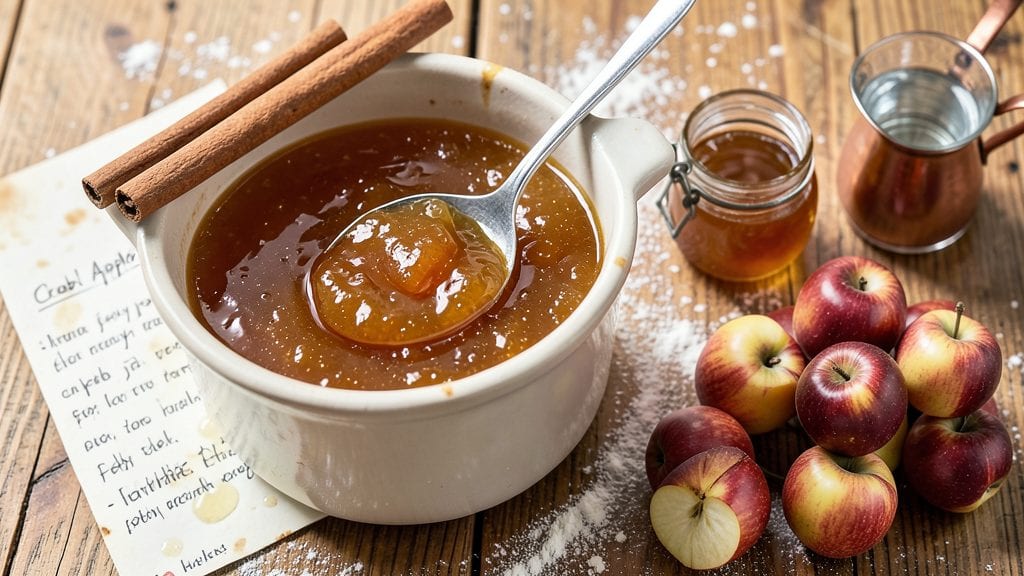
This crab apple jelly canning recipe lets you preserve summer’s fleeting sweetness in golden, jewel-toned spoonfuls of tart perfection. This crab apple jelly canning recipe delivers a perfect balance of tartness and subtle fruit flavor, with a smooth, wobbling texture that's ideal for toast, cheese boards, or gifting.
I've perfected the pectin-to-sugar ratio to ensure consistent gel without over-sweetening, while precise cooking times prevent over-processing that dulls the fruit's natural brightness.
The process begins with carefully selecting and prepping the fruit—removing stems, peeling if needed, and chopping uniformly to ensure even cooking.
Sterilizing jars and lids is non-negotiable for safe preservation, and I'll walk you through the exact water bath timing to create an airtight seal that keeps your jelly fresh for up to a year.
This isn't just another jelly recipe; it's a method that transforms humble crab apples into a restaurant-worthy condiment that elevates everyday meals.
What you'll end up with is a batch of vibrant, amber jelly with just the right balance of tartness and subtle apple sweetness—no artificial flavors, no aftertaste. The texture should be firm yet spreadable, with a gentle wobble that indicates perfect gel formation.
Each jar becomes a keepsake of harvest season, preserving the unique character of crab apples that store-bought jellies simply can't match. The aroma alone will transport you back to orchard rows and golden afternoons.
Whether you're a first-time canner or a seasoned preserver, this recipe includes troubleshooting tips for common issues like under-gel or mold prevention. With just 5 simple ingredients and about 45 minutes of active time (plus processing), you'll have beautifully sealed jars ready for gifting or pantry storage.
Let's preserve that harvest flavor before the season ends.
Ingredients for crab apple jelly canning
Six simple ingredients transform tart crab apples into golden, jewel-toned jelly perfect for gifting or breakfast.
| Ingredient | Amount | Notes |
|---|---|---|
| Crab Apples 🍎 | 4 lbs | Firm, unblemished, uniform size |
| Granulated Sugar 🍚 | 6 cups | White or light brown preferred |
| Powdered Pectin 🍯 | 1 box | Ball or Sure-Jell brand recommended |
| Lemon Juice 🍋 | ½ cup | Freshly squeezed, unsweetened |
| Water 💧 | 1 ½ cups | Filtered preferred for clarity |
| Cinnamon Sticks 🌿 | 6 whole | Optional for subtle spice infusion |
| Ball Mason Jars 🍶 | 6 whole | 8-ounce size, new lids included |
| White Vinegar 🍶 | 1 tbsp | For sterilizing jar rims |
The crab apples are the star—look for firm, unblemished fruit with vibrant color. Local orchards or farm stands often have the best selection, but grocery stores carry them in fall. Avoid any with soft spots or bruises. If your apples are particularly tart, you might want to add an extra ½ cup sugar to balance the flavor. The pectin is non-negotiable here—Ball or Sure-Jell brands work best for consistent gel. I always grab a box of each, just in case. For the jars, new lids are a must—never reuse old ones, even if they look intact.
No crab apples? Substitute with tart green apples like Granny Smith, but expect a slightly different flavor profile. Running low on sugar? Honey works at a 1:1 ratio, but it may darken the jelly slightly. The lemon juice can be swapped for bottled lemon juice if you're in a pinch, but fresh is always better. For the cinnamon sticks, ground cinnamon at half the amount works too—just steep it in the hot jelly for 10 minutes before straining. If you're canning a large batch, consider doubling the recipe, but make sure your water bath canner has enough room for all the jars.
Sterilize your jars and lids in boiling water for 10 minutes before filling. The jelly will keep for up to 1 year in a cool, dark pantry once sealed properly. For gifting, wrap the jars in twine and attach a handwritten tag—it makes them feel even more special. If you notice any jars that didn't seal properly, they can be refrigerated and used within 2 weeks. The aroma alone will remind you of harvest season, so save a jar for yourself before sharing with others.
Why You'll Love This Recipe
- No-Fuss Setup: I swear, this jelly comes together faster than you can peel a banana. Just chop those tart little crab apples, toss them in a pot with sugar and pectin, and let the stove do the work—no fancy gadgets, no stress.
- Tart-Sweet Magic: That bright, tangy crab apple flavor? It’s like autumn in a jar—sharp enough to wake up your taste buds but balanced by just the right amount of sugar. The lemon juice gives it that je ne sais quoi that makes it irresistible.
- Gift-Worthy Stash: Between us, homemade jelly is the ultimate hostess gift. Slap it on a pretty jar, tie a ribbon, and boom—you’ve got something special for holidays, teacher gifts, or just because. (Pro tip: It’s also my go-to for fancy charcuterie boards.)
- Pantry Goldmine: A single batch stretches for months, and the ingredients? Cheap as dirt. You’re basically turning wild apples into liquid treasure that costs pennies per serving. Plus, no waste—those crab apples that’d otherwise go to rot become something delicious.
Instructions for crab apple jelly canning recipe
Here's how to transform tart crab apples into vibrant, shelf-stable jelly with perfect set and shine.
Prepare the Crab Apples for Cooking
Wash the 4 lbs crab apples thoroughly under cold water to remove any dirt or debris. I like to use a vegetable brush for stubborn spots—these apples can be a little gritty. Cut each apple into quarters, removing the core and any bruised or discolored sections. For best results, aim for uniform-sized pieces about ½-inch thick. This ensures even cooking and consistent texture in your finished jelly.
Transfer the quartered apples to a large stainless steel pot—enamel or non-reactive cookware works best. Add the 6 whole cinnamon sticks and 1.5 cups water, then bring to a boil over medium-high heat. Once boiling, reduce the heat to medium-low and let it simmer for 20-25 minutes, stirring occasionally. You're looking for the apples to soften completely—they should break down easily when pressed with a fork. The mixture should reduce to about 4 cups of liquid, with the apples releasing their tart-sweet flavor into the syrup.
Strain and Measure the Juice
Line a fine-mesh strainer with cheesecloth or a clean kitchen towel to create a makeshift filter. Pour the cooked apple mixture through the strainer into a large bowl, pressing gently on the solids to extract every last drop of juice. Discard the apple solids—you want only the liquid for your jelly. The strained juice should measure approximately 4 cups; if it's less, add a little filtered water to reach this volume. This step is crucial for achieving the right consistency in your jelly.
While the juice is still warm, stir in the 0.5 cup lemon juice and 6 cups granulated sugar. I like to use a wooden spoon for this—it helps dissolve the sugar more evenly. Let the mixture sit for 10 minutes to allow the sugar to fully incorporate. This resting period prevents graininess in the finished jelly. The mixture should look like a thick, amber syrup with a glossy sheen.
Cook the Jelly to the Proper Gel Point
Return the sugar-apple mixture to the stainless steel pot and bring it to a full rolling boil over high heat. Once boiling, add the entire contents of the 1 box powdered pectin all at once. Stir vigorously for 1-2 minutes to ensure the pectin dissolves completely. This is where the magic happens—the pectin will transform the liquid into a gel as it cooks. Watch closely for the gel point: drop a small spoonful of the mixture onto a chilled plate. If it wrinkles when pushed with your finger, it's ready.
Continue boiling for an additional 1 minute to ensure the jelly reaches its full gel strength. Remove the pot from heat and skim off any foam that has risen to the surface with a clean spoon. This step gives you a smooth, professional-looking finish. The jelly should now be thick and glossy, with a beautiful amber hue. If it's too thick, you can thin it slightly with a few tablespoons of hot water, but it should hold its shape when cooled.
Fill and Process the Mason Jars
Use a clean kitchen towel to wipe the rims of the 6 whole Ball Mason jars and the flat edges of the lids with the 1 tbsp white vinegar. This sterilization step is critical for preventing mold and ensuring your jelly stays fresh. Fill each jar to within ¼-inch of the top with the hot jelly, using a funnel if needed to avoid spills. Tap the jars gently on the counter to remove any air bubbles trapped in the jelly.
Wipe the rims of the jars again with the vinegar-soaked towel to ensure a perfect seal. Place the lids on the jars and screw on the bands until they're fingertip-tight—don't overtighten, or the jars may not seal properly. Place the filled jars into a canning pot or a large pot of water, ensuring they're covered by at least 1 inch of water. Bring the water to a boil and process the jars for 10 minutes. This sterilization step kills any remaining bacteria and creates a vacuum seal. Remove the jars from the pot and let them cool undisturbed for 12 hours before checking the seals.
Pro Tips For Making Crab Apple Jelly Canning
- Boil Apples Fast: Chop crab apples into even ½-inch chunks—no smaller—then boil them in water for exactly 10 minutes. I learned this the hard way: smaller pieces turn mushy, and longer boiling kills that bright apple flavor you’re preserving.
- Use Tart Apples: Skip the sweetest crab apples—they’re too mild. Pick the tartest, firmest ones you can find; their natural acidity cuts through the sugar and makes the pectin work better. (Yes, even if they look ugly.)
- Don’t Rush the Sugar: Stir in the sugar slowly while the apples simmer—about 2 minutes per pound. Dumping it all at once makes clumps, and you’ll spend 10 minutes fishing them out. (Your future self will curse you if you don’t.)
- Test Jelly Thickness: Skip the guesswork: spoon a drop onto a chilled plate and wait 5 minutes. If it wrinkles when you push it with a finger, it’s set. If not, boil it 2 more minutes. No thermometer? This works just as well.
Perfect pairings for this recipe
Breakfast Spreads
This crab apple jelly shines on toasted sourdough or brioche—its tart-sweet balance cuts through buttery bread beautifully. I spread it thickly alongside creamy goat cheese for a farmhouse-style breakfast board. For a modern twist, layer it with ricotta and honey-drizzled walnuts on a crostini.
The jelly's subtle spice from cinnamon sticks adds warmth that pairs perfectly with scrambled eggs or pancakes. 🍳
Cheese Board Pairings
Crab apple jelly elevates any cheese board with its bright acidity. I love it with aged cheddar (the sharpness balances the sweetness) or brie (the creaminess contrasts perfectly). For a rustic spread, pair it with blue cheese and crackers—the tangy jelly cuts through the funk.
Add dried apricots or figs to complement the apple notes. The jelly's glossy finish makes it a showstopper for holiday gatherings. 🧀
Meat and Charcuterie
This jelly isn't just for sweet applications—it's fantastic with smoked meats and cured charcuterie. Drizzle it over prosciutto-wrapped melon or serve it alongside salami and sharp cheeses for a sweet-savory bite.
I also use it as a glaze for roasted pork tenderloin—simmer the jelly with a splash of apple cider vinegar and brush it on during the last 10 minutes of cooking. The result? A sticky, caramelized crust with bursts of tartness. 🐷
Baking and Desserts
Incorporate crab apple jelly into muffin batters or quick breads for natural sweetness and moisture. I stir ¼ cup into blueberry muffins or zucchini bread for a fruity twist. For decadent desserts, fill mini phyllo cups with jelly and top with whipped cream.
The jelly also makes a stunning glaze for pound cakes—simmer it with butter and brush it on warm cakes. The jelly's vibrant color adds visual appeal too. 🎂
Gift-Worthy Presentation
Turn your jelly into a gift-worthy centerpiece by layering it with local honey in clear jars. Tie the lids with twine and attach a handwritten tag with the harvest date. For a rustic look, nestle the jars in wooden crates with pinecones or dried orange slices.
I also love pairing the jelly with homemade granola or spiced nuts in a gift basket. The aroma alone makes it irresistible for hosts or holiday guests. 🎁
Unexpected Uses
Think outside the jar! Use crab apple jelly as a marinade for grilled chicken—simmer it with soy sauce and ginger for an Asian-inspired glaze. It also works as a cocktail syrup—muddle 1 tbsp with bourbon and lemon juice for a tart-sweet sipper.
For savory dishes, reduce the jelly with balsamic vinegar and drizzle it over roasted vegetables or seared scallops. The possibilities are endless! 🍸
Nutrition facts
Frequently asked questions
Why do I need to use powdered pectin for crab apple jelly?
Powdered pectin is essential for achieving that perfect wobble in your jelly. Crab apples are naturally tart and low in natural pectin, so adding powdered pectin (like Ball or Sure-Jell) ensures your jelly sets properly. Without it, your spread might turn out too runny or grainy. The 1 box in this recipe is the magic ingredient that transforms tart apple juice into a glossy, spreadable jelly.
Can I adjust the sweetness level in this crab apple jelly?
If your crab apples are extra tart, add an extra ½ cup sugar to the recipe. For a less sweet version, reduce by ½ cup instead. The key is balancing tartness with sweetness—taste the mixture before canning. Remember, you can't remove sugar later, so adjust gradually. The 10-minute rest after mixing sugar helps dissolve it fully for even flavor.
What should I do if my jelly doesn't gel properly?
If your jelly is too runny, it likely didn't reach the proper gel point. Try adding 1 tablespoon of powdered pectin to ½ cup of hot jelly and reheating it for 2-3 minutes, stirring constantly. If it's grainy, strain it again through a fine-mesh sieve. For future batches, ensure you're using high-quality pectin and following the recipe's cooking times precisely. Patience is key—don't rush the gel test!
How do I know if my sealed jars are properly canned?
After cooling for 12 hours, check the lids: press the center of each lid. If it pops back up, the jar sealed properly. If it stays pushed down, the seal failed—refrigerate and use within 2 weeks. Also, look for a slight concave dimple in the lid center. Never taste-test unsealed jars—they may contain harmful bacteria. Properly sealed jars should last up to 1 year in a cool, dark pantry.
Can I make this jelly without a water bath canner?
No, you can't safely can jelly without proper processing. The 10-minute water bath kills bacteria and creates a vacuum seal. If you don't have a canner, use a large pot with a rack to keep jars submerged. Never skip this step—raw jelly can spoil quickly. For small batches, a deep stockpot works fine, but ensure jars are covered by at least 1 inch of boiling water. Safety first!