Appetizers
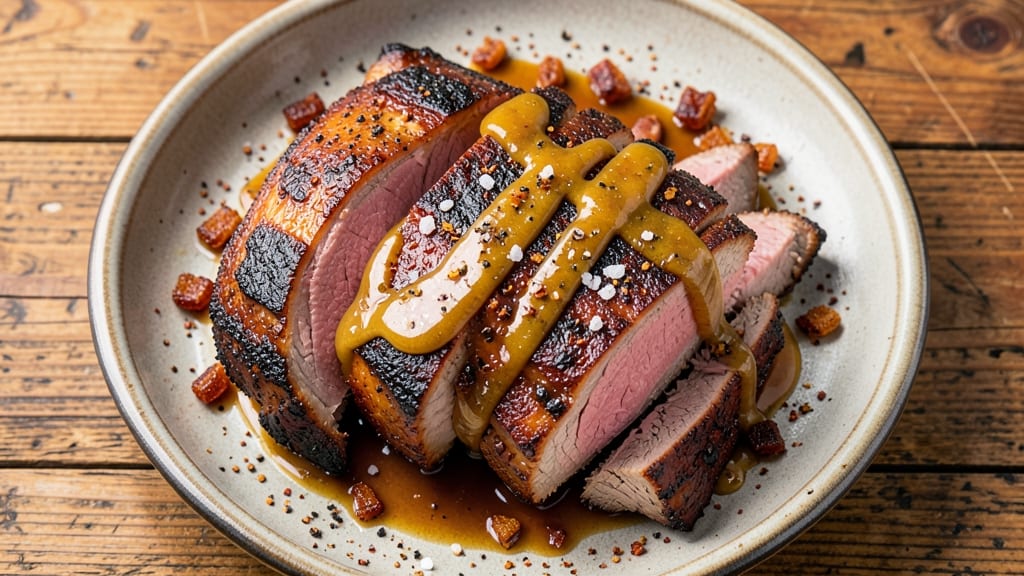
Smoking a Boston butt roast transforms tough pork into melt-in-your-mouth perfection that rivals any competition-style cook. The key lies in patience—low temperatures, proper wood selection, and precise timing create that signature bark while keeping the meat juicy throughout.
I’ve perfected this method over countless smoker sessions, and the results speak for themselves: tender, smoky, and packed with flavor in every bite.
This recipe delivers restaurant-quality results without requiring specialized equipment. A standard smoker or even a grill with a water pan works, and the process is straightforward once you understand the critical steps: proper bark formation, internal temperature monitoring, and the all-important rest.
The secret to juicy meat? Never rushing the cook—slow and steady wins the race every time.
By the time you slice into this roast, you’ll be rewarded with perfectly tender meat that pulls apart effortlessly, infused with deep smoky notes from the wood. The bark should be dark and crispy, while the inside remains moist and flavorful.
This is the kind of dish that makes your home smell like a BBQ competition and leaves everyone asking for seconds.
Pair it with classic sides like baked beans, coleslaw, or cornbread to complete the meal. The beauty of this recipe is its versatility—whether you’re feeding a crowd or meal prepping for the week, this smoked Boston butt roast delivers consistent, foolproof results.
Let’s get started on creating your next showstopper dish.
Ingredients for smoked boston butt roast
Twelve essential ingredients transform a simple pork roast into showstopping competition-style perfection.
| Ingredient | Amount | Notes |
|---|---|---|
| Boston Butt Pork Roast 🍖 | 10 lb | Bone-in preferred for flavor |
| Yellow Mustard 🍯 | ¼ cup | For crust application |
| Brown Sugar 🍚 | ½ cup | Light or dark variety |
| Smoked Paprika 🌶️ | 2 tbsp | For deep smoky flavor |
| Kosher Salt 🧂 | 2 tbsp | Diamond Crystal preferred |
| Black Pepper 🌶️ | 1 tbsp | Freshly ground preferred |
| Garlic Powder 🧄 | 1 tbsp | Freshly ground preferred |
| Onion Powder 🧅 | 1 tbsp | For balanced flavor |
| Apple Wood Chips 🌳 | 2 lb | For mild sweet smoke |
| Hickory Wood Chips 🌳 | 1 lb | For classic BBQ depth |
| Water 💧 | 4 cups | For soaking wood chips |
| Beef Broth 🍲 | 1 cup | For spritzing during cook |
| Fresh Rosemary 🌿 | ¼ cup | Chopped, for spritz |
| Fresh Thyme 🌿 | ¼ cup | Chopped, for spritz |
The pork roast is your foundation—bone-in Boston butt delivers the best flavor and texture. Look for well-marbled cuts at Whole Foods or your local butcher shop; they'll often trim it for you. I prefer to keep the fat cap intact for extra moisture. For wood chips, Traeger brand or Cooks Wood are my go-tos—they soak up water perfectly and deliver consistent smoke. The apple wood adds that subtle sweetness that pairs beautifully with pork, while hickory brings the classic BBQ depth everyone loves. Soak the wood chips in the water for at least 30 minutes before smoking to prevent flare-ups.
No smoked paprika? Regular paprika plus a pinch of liquid smoke works in a pinch, though it won't be quite the same. Running out of beef broth for spritzing? Apple cider or even water with a splash of vinegar keeps the meat moist. Fresh rosemary and thyme are ideal, but dried at one-third the amount gets you close. The mustard crust is non-negotiable—it helps create that perfect bark. If you're short on time, Dijon mustard works just as well. For the sugar, I usually grab the light brown variety from Trader Joe's—it's perfect for balancing the smokiness without overpowering.
This roast reheats beautifully—4-5 days in the fridge or 3 months frozen makes it perfect for meal prep. Wrap tightly in butcher paper before freezing to prevent freezer burn. I like to portion it into individual servings so it's ready for quick lunches. The bark gets crispier as it rests, so let it sit at least 15 minutes before slicing. Store any leftover broth in the fridge for up to 1 week—it's amazing for soups or gravies.
Why You'll Love This Recipe
- Five-Ingredient Magic: I swear by this combo—just the roast, mustard, brown sugar, smoked paprika, and salt. That’s it. No fancy marinades or hours of prep; the smoky-sweet crust forms right on the grill or in the oven while you sip your coffee.
- Crowd-Pleaser Guaranteed: Between us, this is the dish that gets my in-laws asking for seconds. The brown sugar caramelizes into a sticky glaze while the smoked paprika adds depth—rich enough for a Sunday dinner but simple enough for a weeknight when my kids are starving.
- Leftovers That Don’t Suck: Honestly, I make this just so I can have pulled pork sandwiches all week. The meat falls apart tender, so I portion it into containers—some for tacos, some for breakfast hash. No sad, dry reheats here; it’s always juicy, always flavorful.
- Budget-Friendly Feast: A whole Boston butt is cheaper than takeout for four, and it feeds a house. The mustard and brown sugar cost pennies, yet they transform that pork into something restaurant-worthy. My wallet thanks me every time.
Step-by-step instructions for smoked Boston butt roast
Transform a simple pork roast into melt-in-your-mouth perfection with this foolproof smoking method.
Prepare the Rub and Apply to the Roast
In a medium bowl, combine the 0.5 cup brown sugar, 2 tbsp smoked paprika, 2 tbsp kosher salt, 1 tbsp black pepper, 1 tbsp garlic powder, and 1 tbsp onion powder. Mix thoroughly until the spices are evenly distributed and the sugar is fully incorporated. This dry rub will create that signature bark while keeping the meat impossibly tender.
Pat the 10 lb Boston Butt Pork Roast completely dry with paper towels—this is critical for bark formation. Spread a thin layer of 0.25 cup yellow mustard over the entire surface, then press the spice mixture firmly into the meat. Work the rub into every crevice, including the cavity if you choose to season it. Let the roast sit at room temperature for 1 hour before smoking to ensure even cooking and maximum flavor penetration.
Soak and Prepare the Wood Chips
While the roast seasons, soak the 2 lb apple wood chips and 1 lb hickory wood chips in 4 cups water for at least 30 minutes. This prevents flare-ups and ensures a steady, flavorful smoke. I like to use a large bowl for this—just make sure the chips are fully submerged. The apple wood adds a subtle sweetness that balances the bold hickory, creating a complex smoke profile.
Drain the soaked wood chips before adding them to your smoker. If using a water pan, fill it with 1 cup beef broth—this helps maintain moisture in the air and keeps the meat from drying out during the long cook. The combination of apple and hickory gives you that classic BBQ flavor without overpowering the natural sweetness of the pork.
Smoke the Roast Low and Slow
Set your smoker to 225°F and add the drained wood chips. Allow the smoker to preheat for 15-20 minutes until you see a steady stream of blue smoke (not white). Place the roast fat-side up on the grill grates—this allows the rendered fat to baste the meat as it cooks. Close the lid and resist the urge to peek; every time you open it, you lose 15-20 minutes of cook time and temperature stability.
Smoke the roast for 6-8 hours, maintaining a temperature between 220-230°F. You'll hit "the stall" around 165-170°F internal temperature—this is when the meat's moisture evaporates and the temperature plateaus. Don't panic; this is normal. At this point, I wrap the roast tightly in butcher paper (not foil) to push through the stall while preserving that beautiful bark. Return it to the smoker and continue cooking.
Finish to Probe-Tender Perfection
Continue smoking until the internal temperature reaches 200-203°F and a meat thermometer inserted into the thickest part of the roast (avoiding bone) reads probe-tender—meaning the thermometer slides in like butter with no resistance. This typically takes an additional 4-6 hours, but trust the probe over the thermometer; tenderness is what matters most.
Once probe-tender, remove the roast from the smoker and let it rest in the butcher paper for at least 1 hour (I prefer 2 hours) before slicing. This resting period allows the juices to redistribute throughout the meat, ensuring every slice is moist and flavorful. The bark should be dark mahogany with a crispy exterior, while the meat inside will be so tender it practically falls apart.
Slice and Serve with Confidence
Unwrap the roast and locate the grain direction—you'll see lines running through the meat. Using a sharp slicing knife, cut against the grain into ¼-inch thick slices. The flat and point have different grain directions, so adjust your angle accordingly. Serve immediately while still warm, and you'll be rewarded with a roast that's juicy, smoky, and packed with flavor in every bite.
For extra moisture, spoon the rendered juices from the smoker tray over the sliced meat. The combination of apple and hickory smoke, the sweet-savory bark, and the melt-in-your-mouth tenderness make this roast worth every minute of the low-and-slow process. Leftovers? They're even better the next day—just reheat gently in the oven to preserve that perfect texture.
Pro Tips For Making Smoked Boston Butt Roast
- CRANK THE SMOKE LOW: Your first instinct might be to blast that smoker hot, but Boston butt needs patience. After the initial sear (if you’re doing one), drop the temp to 225°F—this is where the magic happens. I learned this the hard way after a roast came out tough; slow and steady wins the pull-apart texture.
- BRINE THE MEAT FIRST: Skip the dry rub until after brining. Mix 1 cup kosher salt + 1 cup brown sugar + 4 cups water per gallon, submerge the roast for 4–12 hours, then pat thoroughly dry before smoking. This locks in moisture and makes the mustard glaze stick like glue—no more dry, crumbly bark.
- DON’T PEEK OR MOVE: Every time you open the smoker, you reset the cook. Once you hit target temp, walk away—no checking, no rearranging. I used to obsess, but the roast stays juicier when left undisturbed. If you’re worried, use a probe thermometer and set an alarm for 195°F internal (yes, it’ll take 8–12 hours).
- GLAZE LATE, NOT EARLY: The mustard-brown sugar mix should go on 90 minutes before finishing. Too soon, and it burns; too late, and the bark stays bland. Brush it on, then crank the smoker to 250°F for the last hour to caramelize the sugar without overcooking the meat. Trust me, this is the thing that matters most.
Creative variations of this dish
Sweet and Spicy
Swap the brown sugar for ½ cup maple syrup and add 1 tbsp cayenne pepper to the rub for a sweet-spicy kick. The maple syrup caramelizes beautifully during smoking, creating a sticky glaze that clings to the bark.
I like to brush on an extra 2 tbsp maple syrup during the last 30 minutes of cooking for maximum flavor impact. 🌶️
Herb-Infused Bark
Add 2 tbsp chopped fresh rosemary and 2 tbsp chopped fresh thyme directly to the rub for an aromatic twist. These herbs infuse the bark with bright, piney notes that complement the smoky pork.
For extra depth, I also sprinkle 1 tsp ground coriander into the mix—it adds a subtle citrusy complexity. Fresh herbs make all the difference, so don’t skip them!
Cajun-Style Spice
Transform this into a Cajun-inspired roast by mixing 1 tbsp smoked paprika, 1 tbsp garlic powder, 1 tbsp onion powder, 1 tbsp dried thyme, 1 tbsp dried oregano, 1 tsp cayenne pepper, 1 tsp black pepper, and 1 tsp salt.
The cayenne brings heat, while the oregano adds a distinct Louisiana flair. Serve with Cajun-style corn maque choux for a full Southern experience.
Honey-Glazed Finish
For a sticky, caramelized finish, brush the roast with ¼ cup honey mixed with 1 tbsp apple cider vinegar during the last 1 hour of cooking. The honey creates a glossy bark while cutting through the richness.
I also sprinkle 1 tsp ground cinnamon over the glaze for warmth. This variation works beautifully with apple wood smoke, balancing sweet and smoky flavors.
Breakfast-Style
Turn your smoked Boston butt into a breakfast sensation by adding 1 tbsp ground cinnamon and ½ tsp nutmeg to the rub. After smoking, slice the roast and serve it with maple syrup, crispy bacon, and scrambled eggs.
The smoky-sweet pork pairs perfectly with breakfast classics, making it a brunch crowd-pleaser. 🍳
Regional Adaptations
For a Texas-style twist, add 1 tbsp chili powder and ½ tsp cumin to the rub. In Carolina, swap the apple wood for 100% hickory and add 1 tbsp black pepper and ½ tsp ground mustard for a bold, peppery bark.
Each region brings its own unique character to the dish, so experiment to find your favorite! 🗺️
Nutrition facts
Frequently asked questions
How do I know when my smoked pork shoulder is done?
Use a meat thermometer to check the internal temperature—it should reach 200-203°F and be probe-tender (the thermometer slides in like butter). This typically takes 12-16 hours total at 225°F. The stall around 165°F is normal; wrap in butcher paper to push through it while preserving bark. Never rely on time alone—always check the probe!
Can I use a grill instead of a smoker?
Yes! Convert your grill to a smoker by adding a water pan with 1 cup beef broth and using a smoker box filled with soaked wood chips. Maintain 225°F by adjusting vents and avoid direct flame contact. The key is patience—grill smoking takes 10-15% longer than a dedicated smoker due to heat fluctuations.
What's the best way to reheat leftover smoked pork?
Slice the roast and reheat in a 350°F oven for 10-15 minutes with a splash of beef broth to keep it moist. For sandwiches, warm slices in a skillet with butter for 2 minutes per side. Microwaving works in a pinch (cover with a damp paper towel for 30 seconds), but oven reheating preserves texture best.
Why did my bark turn out too thin?
Thin bark usually means the meat wasn't dry enough before applying rub or the smoker temperature was too high. Pat the roast thoroughly dry and let it sit uncovered for 30 minutes before seasoning. For extra bark, add 1 tbsp cornstarch to your rub or use light brown sugar instead of regular. Also ensure your smoker stays between 220-230°F—higher temps burn bark before it forms.
How much pork should I buy for a crowd?
Plan for ½ lb per person (about 6 slices) when serving as the main dish. For a party of 12, a 10 lb roast is perfect. If including sides like beans or coleslaw, you can stretch it to 15 people. Buy bone-in for better flavor, but remove bones before slicing for easier serving.