Main Courses
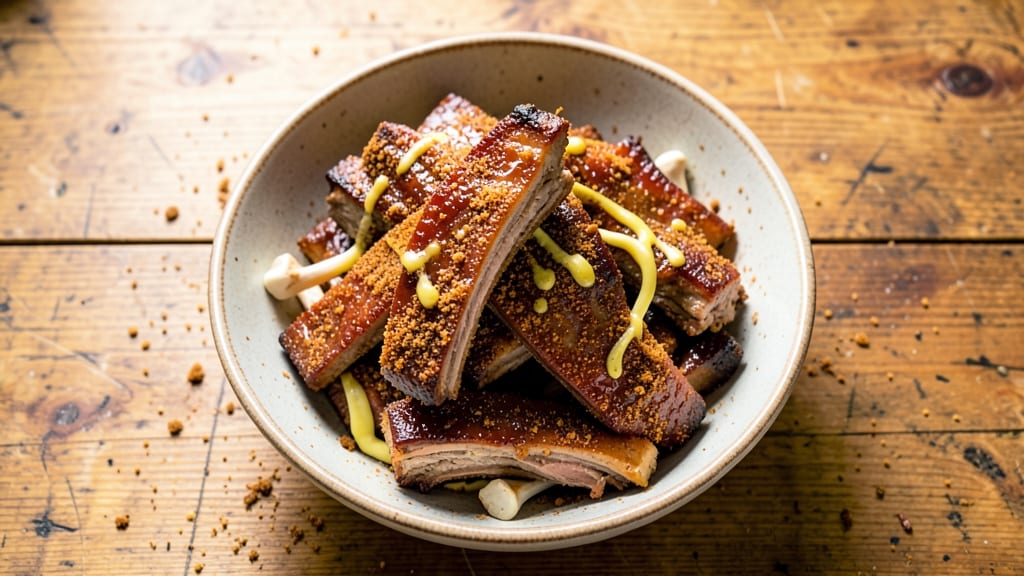
Frying spare ribs yields smoky bark and fall-off-the-bone tenderness that transforms a simple dinner into a memorable meal. This recipe combines dry rubs, high-heat frying, and precise timing to deliver restaurant-quality results at home.
I’ve perfected it over years of testing—no shortcuts, just a method that guarantees crispy edges and juicy meat every time.
The process starts with a dry spice rub applied generously to both sides of the ribs, letting flavors penetrate while the meat rests. Then, frying in 350°F oil for 12-15 minutes per side creates that coveted caramelized crust.
The key? Never overcrowding the pan—this ensures even cooking and maximum crispiness. A meat thermometer at 195°F internal temp confirms perfect doneness.
What you’ll end up with is ribs so tender they separate at a touch, wrapped in a crispy, smoky bark that shatters with every bite. The aroma alone will have everyone gathering around the table, and the contrast of textures—crunchy exterior, melt-in-your-mouth interior—makes this a standout dish.
Serve with classic sides like coleslaw or baked beans for a complete meal.
This method works for bone-in spare ribs (the best choice for flavor) and delivers results faster than traditional smoking or slow-cooking. Whether you’re hosting a weekend barbecue or craving a special treat, these ribs will impress without requiring hours of prep. Let’s get cooking!
Ingredients for fry spare ribs
Four pounds of ribs, a smoky rub, and one high-heat fry—this is your shortcut to restaurant-quality smoky bark.
| Ingredient | Amount | Notes |
|---|---|---|
| Bone-In Spare Ribs 🍖 | 4 lb | Baby back or St. Louis style preferred |
| Yellow Mustard 🍯 | ¼ cup | As base for dry rub |
| Brown Sugar 🍬 | ½ cup | Light or dark variety |
| Smoked Paprika 🌶️ | 2 tbsp | For deep smoky flavor |
| Chili Powder 🌶️ | 1 tbsp | Medium heat preferred |
| Garlic Powder 🧄 | 1 tbsp | Freshly ground preferred |
| Onion Powder 🧅 | 1 tbsp | For sweet depth |
| Ground Black Pepper 🌶️ | 1 tsp | Freshly cracked |
| Diamond Crystal Kosher Salt 🧂 | 1 tbsp | For balanced seasoning |
| Vegetable Oil 🫒 | 3 cups | High smoke point for frying |
| Apple Cider Vinegar 🍎 | 1 tbsp | For tenderizing ribs |
| Fresh Rosemary 🌿 | ¼ cup | Chopped, for aroma |
| Fresh Thyme 🌿 | ¼ cup | Chopped, for herbal notes |
| Butter 🧈 | 2 tbsp | Unsalted, for basting |
The ribs are non-negotiable—bone-in spare ribs (baby back or St. Louis style) deliver the best flavor and texture. Grab them from Costco or your local butcher if you want the freshest cut. Look for ribs with a good amount of fat marbling—this keeps them moist during frying. If you're buying frozen, thaw them in the fridge overnight; never use microwave-thawed meat for frying. The yellow mustard base in the dry rub is key—it helps the spices stick and adds a subtle tang that cuts through the richness. I always grab Diamond Crystal kosher salt for seasoning; it dissolves better than table salt and gives more precise control over flavor.
No smoked paprika? Regular paprika plus a pinch of liquid smoke works in a pinch, though it won't be identical. Short on fresh rosemary or thyme? Dried works at one-third the amount, but fresh herbs add that restaurant-quality aroma. The brown sugar can be swapped for turbinado sugar if you're avoiding refined sugar—just know it won't caramelize as dramatically. For the oil, vegetable or peanut oil are your best bets; avoid olive oil as it has too low a smoke point. If you're frying multiple batches, keep the oil at 350°F—a thermometer is worth the investment here. And trust me, don't skip the apple cider vinegar in the marinade—it tenderizes the meat and adds a bright note that balances the smokiness.
This isn't a leftovers kind of dish—once you fry these, they'll disappear fast. But if you have extras, store them wrapped tightly in foil at room temperature for up to 2 hours, then refrigerate for 3-4 days. They reheat beautifully in a 300°F oven for 10-15 minutes, wrapped in foil. For serving, I always keep a small bowl of melted butter on the table—it's perfect for basting those crispy edges. The ribs are best served immediately after frying, so plan to eat them right away. If you're prepping ahead, apply the dry rub and refrigerate the ribs overnight; this lets the flavors really penetrate.
Why You'll Love This Recipe
- One-Pan Magic: I swear by this—just ribs, a splash of mustard, and a dry rub of brown sugar, smoked paprika, and chili powder tossed in a hot skillet. No flipping, no fuss, and the pan does all the work while I sip my coffee.
- Sweet Heat Balance: That brown sugar caramelizes into a sticky glaze while the chili powder adds just enough kick to keep things interesting. Honestly, the first bite makes me close my eyes—it’s like a hug in food form.
- Tailgate Ready: I’ve served these at backyard BBQs, game days, and even lazy Sundays with zero complaints. The bone-in ribs stay juicy, and the crispy edges mean everyone grabs seconds before I can stop them.
- Budget Feeds Five: A full pack of spare ribs costs less than takeout, and this method stretches them perfectly for leftovers. My freezer’s always stocked because reheating these is just as good as the first bite—no sad, dry ribs here.
Step-by-step instructions for crispy fried spare ribs
Here's how to transform tough ribs into melt-in-your-mouth perfection with a crackling bark.
Create the Dry Rub and Tenderize the Ribs
In a medium bowl, combine the 0.25 cup yellow mustard, 0.5 cup brown sugar, 2 tbsp smoked paprika, 1 tbsp chili powder, 1 tbsp garlic powder, 1 tbsp onion powder, 1 tsp ground black pepper, and 1 tbsp Diamond Crystal kosher salt. Mix thoroughly until you have a fine, crumbly texture with no dry spots.
Pat the 4 lb bone-in spare ribs completely dry with paper towels—this is non-negotiable for crispy bark. In a separate bowl, whisk together 1 tbsp apple cider vinegar and 0.25 cup each of chopped fresh rosemary and thyme. Brush this mixture all over the ribs, then press the dry rub firmly into every surface. Let them sit at room temperature for 30 minutes to allow the seasoning to penetrate.
Preheat Oil and Prepare for Frying
Fill a deep, heavy-bottomed pot with 3 cups vegetable oil and heat over medium heat until it reaches 350°F on a deep-fry thermometer. If you don't have a thermometer, test the oil by dropping in a small piece of the seasoned ribs—it should sizzle and float immediately. If it sinks or bubbles gently, the oil isn't hot enough.
While the oil heats, arrange the seasoned ribs in a single layer on a wire rack. This prevents them from steaming and ensures even browning. Keep them within easy reach of the stove—they'll go from raw to golden in minutes.
Fry the Ribs in Batches for Perfect Crisp
Carefully lower the ribs into the hot oil using tongs, working in batches if needed to avoid overcrowding. Fry for 8-10 minutes on the first side until they develop a deep mahogany color with a thick, crackling crust. Flip them and fry another 8-10 minutes until the second side is equally crispy and golden.
Here's the key: don't rush the flipping. The ribs are ready when they release easily from the tongs and the crust is uniformly golden. If you peek too soon, you'll end up with pale, soggy ribs. Remove them to a paper towel-lined plate to drain excess oil.
Baste with Butter for Extra Flavor
Immediately after frying, transfer the ribs to a clean baking sheet lined with fresh paper towels. Let them rest for 2 minutes to set the crust slightly, then melt the 2 tbsp butter in a small saucepan over low heat. Using a pastry brush, generously baste the ribs with the melted butter on both sides, letting it soak into the cracks of the bark.
This step isn't just about flavor—it also helps maintain moisture while keeping that crispy exterior. The butter will give the ribs a glossy sheen and deepen their smoky-sweet profile. Serve immediately while the crust is still crackling and the meat is at its most tender.
Rest and Serve with Confidence
Let the ribs rest for 5 minutes before serving. This brief rest allows the juices to redistribute, ensuring every bite is moist and flavorful. Cut between the bones to serve, and watch as the crispy bark gives way to tender, fall-apart meat.
For best results, serve with classic BBQ sides like coleslaw or cornbread. The ribs will stay crispy for about 20 minutes after frying, so don't wait too long. If you're making them ahead, fry just before serving—they lose their ideal texture when reheated.
Pro Tips For Making Fry Spare Ribs
- CRISP THEM FIRST: Spare ribs need a dry, golden crust before frying—pat them thoroughly with paper towels and let them sit uncovered for 20 minutes. I used to skip this and ended up with soggy ribs that absorbed too much oil instead of getting that perfect snap.
- SALT THE MEAT BEFORE DRYING: Sprinkle ribs generously with kosher salt right after trimming and let them rest 15 minutes before drying. This draws out moisture, so they crisp up faster—no more waiting 30 minutes for a crust that never comes.
- LOW AND SLOW AFTER FRYING: After the initial crisp, drop the heat to medium-low and cover loosely with foil for 10 minutes. This keeps them from burning while letting the chili powder and smoked paprika meld into the mustard glaze—high heat here just torches the seasoning.
- USE BUTTER FOR GLAZE: Swap half the mustard for melted butter (1:1 ratio) when mixing with brown sugar and spices. The fat cuts through the sweetness and makes the glaze stick like glue—no more drippy, uneven coatings that slide right off.
Storing and reheating your leftovers
Short-Term Storage
Keep fried ribs at room temperature for no more than 2 hours before refrigerating. I wrap them tightly in heavy-duty aluminum foil to preserve crispiness, then store in an airtight container for up to 4 days.
The foil traps steam while the container blocks air—this combo keeps the bark from drying out. For extra insurance, place a damp paper towel over the ribs before sealing to maintain moisture. 🥶
Freezer Prep
For longer storage, freeze ribs in single-serving portions wrapped individually in plastic wrap, then transferred to a freezer bag. Label with the date—these keep for 3 months without texture loss.
I like to freeze them after the butter-basting step so they’re ready to reheat with maximum flavor. Just be sure to thaw overnight in the fridge before reheating. ❄️
Reheating Methods
Oven reheating preserves the best texture. Place ribs on a baking sheet, cover loosely with foil, and heat at 300°F for 15-20 minutes. For crispier results, broil for 2-3 minutes at the end.
If using the stovetop, warm in a skillet over medium-low heat for 5-7 minutes per side, adding a splash of water to prevent drying. 🔥
Microwave Caution
Microwaving is a last resort—it turns ribs soggy. If you must, cover with a damp paper towel and heat in 30-second bursts on 50% power, checking between each.
The goal is 165°F internal temp—any hotter and the bark will suffer. I only recommend this for quick lunches when you’re desperate. 💡
Reviving Crispiness
If reheated ribs lose their crunch, pop them under a broiler for 1-2 minutes or sear in a hot skillet with 1 tbsp butter for 30 seconds per side.
The high heat reactivates the Maillard reaction, restoring that golden bark. This trick works wonders for ribs that’ve sat too long in the fridge. ✨
Nutrition facts
Frequently asked questions
Why do my fried spare ribs turn out soggy instead of crispy?
The most common causes are oil temperature or overcrowding. Always maintain 350°F oil and fry in batches—never more than 2 racks at a time. Pat ribs completely dry before seasoning, and let them rest for 30 minutes after rubbing to form a better crust. A wire rack helps prevent steaming too.
Can I use frozen spare ribs for this recipe?
Yes, but thaw them properly first. Place frozen ribs in the fridge overnight, never at room temperature. For a quick thaw, use cold water in a sealed bag for 1-2 hours, changing water every 30 minutes. Never microwave-thaw—it creates uneven cooking and steaming.
What's the best way to cut fried spare ribs?
Use a sharp boning knife and cut between the bones, not through them. This preserves the crispy bark while making each piece easier to handle. For extra presentation, trim any excess fat or uneven edges. The bones act as natural handles—just grip them and pull apart.
How do I adjust this recipe for fewer/more servings?
For 2 servings, use 2 lb ribs and halve all dry rub ingredients. For 6 servings, scale up to 6 lb ribs and increase oil to 4 cups (fry in batches). Keep the oil temperature consistent—adding too much cold oil will drop the temperature.
Can I make this recipe without a deep fryer?
Use a deep, heavy-bottomed pot or Dutch oven with at least 2 inches of oil. A candy or deep-fry thermometer is essential for accuracy. Keep ribs submerged by using a wire basket or slotted spoon. Just monitor the oil closely—it burns faster in smaller pots.