Sauces & Condiments
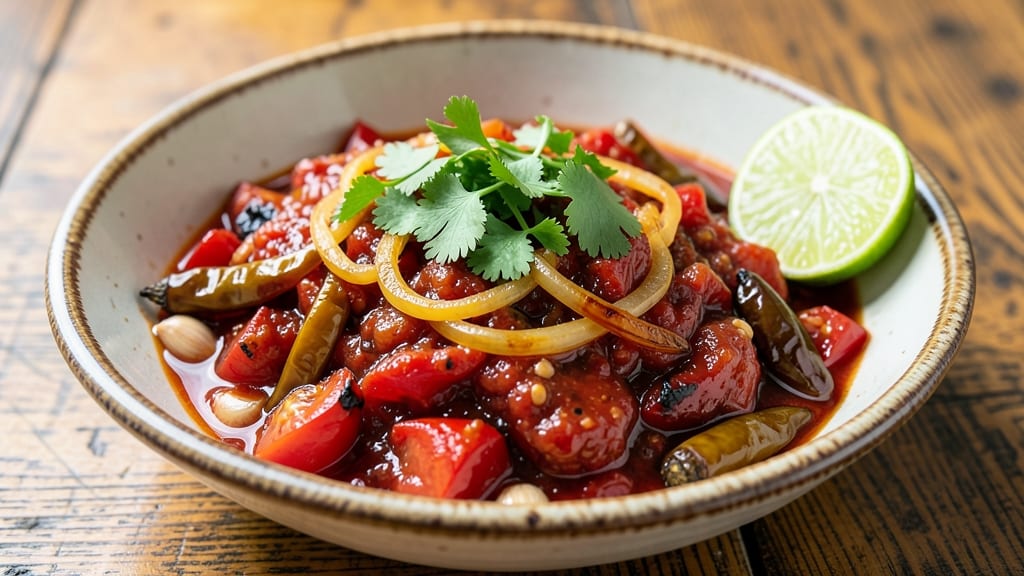
This Mexican restaurant red salsa recipe delivers the same smoky, chipotle-infused heat you crave from your favorite taquería—without the takeout markup. The secret lies in roasting the tomatoes and chiles over an open flame, which deepens their natural sweetness and adds that signature charred depth.
I’ve perfected this version to stay vibrant for days, making it ideal for batch cooking and meal prep.
What sets this salsa apart is the balance of smoky chipotle heat and bright, acidic lime, which cuts through the richness while keeping the flavors complex. Unlike store-bought versions, this recipe uses fresh tomatoes, onions, and garlic for a texture that’s chunky yet smooth—no artificial additives or preservatives.
The blend of roasted and raw ingredients creates layers of flavor that evolve the longer it sits.
By the time you’re done, you’ll have a bold, restaurant-quality salsa that’s perfect for tacos, nachos, grilled meats, or even as a dip. The smoky aroma alone will have everyone asking for the recipe, and the heat builds gradually, ensuring it’s approachable yet unforgettable.
Store it in the fridge for up to five days, or freeze for months without losing its vibrant color or depth.
The best part? This salsa is versatile enough for any Mexican-inspired dish—use it as a topping, a marinade, or even a sauce for eggs. Once you try it, you’ll never settle for anything less than homemade again. Let’s get started on making yours.
Ingredients for mexican restaurant red salsa
Fresh tomatoes, smoky chipotle, and bright lime—just eight ingredients for bold, restaurant-style salsa.
| Ingredient | Amount | Notes |
|---|---|---|
| Roma Tomatoes 🍅 | 3 lb | Large, ripe, charred for depth |
| Chipotle Peppers in Adobo 🌶️ | 2 tbsp | Paste only, not whole peppers |
| Yellow Onion 🧅 | 1 whole | Medium, charred with tomatoes |
| Garlic Cloves 🧄 | 6 cloves | Roasted with onion and tomatoes |
| Fresh Lime 🍋 | 2 whole | Juiced for brightness |
| Fresh Cilantro 🌿 | ½ cup | Chopped, stems removed |
| Extra-Virgin Olive Oil 🫒 | ¼ cup | For finishing, not cooking |
| Salt 🧂 | 1 ½ tsp | Kosher or sea salt |
| Black Pepper 🌶️ | ½ tsp | Freshly ground for heat |
| Jalapeño Pepper 🌶️ | 1 whole | Seeded, finely chopped |
The tomatoes are the heart of this salsa—heirloom or Roma work best, but any ripe tomato will do. Trader Joe's and local farmers markets often have the best selection, but grocery store tomatoes work fine if they're firm and red. The key is charring them—whether over an open flame, under a broiler, or on a gas stove. Don't skip this step—it unlocks that smoky depth that makes this taste like it came from a taquería. For the chipotle peppers, I always grab the Goya brand in adobo sauce from the Latin aisle—it's consistent and affordable. If you can't find it, mild pasilla peppers work in a pinch, but they won't give you that same smoky heat.
No fresh cilantro? Fresh parsley at double the amount works in a bind, though it'll taste slightly different. Running out of lime? Lemon juice at half the amount gets you close, but the flavor won't be quite as bright. The jalapeño can be swapped for serrano peppers for extra heat or bell peppers for mildness. For the olive oil, use something fruity and peppery—California extra-virgin brands like Corto or Lucini elevate the flavor. If you're making a big batch, double the lime and cilantro—they're what keep the salsa fresh and vibrant. And trust me, measure that salt—it's easy to overdo it when you're tasting as you go.
This salsa tastes even better the next day as the flavors meld. Store it in an airtight container in the fridge for up to 5 days, or freeze for 3 months in ice cube trays for single servings. The charred tomatoes keep it looking vibrant, but if you notice any discoloration, just give it a stir and add a splash of lime juice. I always make a double batch—half for tacos, half to freeze for lazy weeknights. The smoky aroma alone will have your kitchen smelling like a Mexican street market.
Why You'll Love This Recipe
- No-Fuss Simmer: I swear by this recipe because it’s literally dump-and-go after the chopping. Toss Roma tomatoes, onion, and garlic into a pot with the chipotle in adobo, and let the heat build naturally—no blender, no fancy techniques, just pure, smoky depth.
- Smoky Lime Zing: That chipotle in adobo? It’s the secret weapon—deep, smoky, and just a hint of heat that lingers. A squeeze of fresh lime at the end cuts through the richness, leaving you with a bright, complex flavor that tastes like a restaurant’s signature sauce.
- Taco Night Every Night: This salsa isn’t just for chips—it’s my go-to for tacos, grilled chicken, or even scrambled eggs. (Yes, even on a Tuesday night.) The versatility means I never run out of excuses to make it, and the leftovers? They last a week in the fridge.
- Budget-Friendly Staple: Roma tomatoes and onions are cheap, and a single can of chipotle in adobo stretches for multiple batches. Honestly, I make this so often I’ve stopped tracking the cost—it’s just part of my pantry rotation, and it always delivers.
Step-by-step instructions for Mexican restaurant red salsa
Here's the authentic method that delivers smoky, vibrant red salsa with restaurant-quality depth.
Char the Tomatoes, Onion, and Garlic
Preheat your oven's broiler to high. Cut the 3 lb roma tomatoes in half lengthwise and place them cut-side down on a rimmed baking sheet. Quarter the 1 whole yellow onion and peel the 6 cloves garlic cloves, leaving them whole. Arrange the onion quarters and garlic cloves alongside the tomatoes.
Broil for 10-12 minutes until the tomatoes are deeply charred with blackened spots and the onion and garlic are blistered and soft. Watch carefully—they should blacken but not burn completely. The charring adds that authentic smoky depth you find in restaurant salsa. Transfer the charred vegetables to a large mixing bowl once they're done. 2
Blend the Charred Vegetables with Chipotle and Lime
Remove the stems from the charred tomatoes and onion. Add the 2 tbsp chipotle peppers in adobo (including some of the sauce from the can) and the juice from the 2 whole fresh limes to the mixing bowl. Use your hands to break up the tomatoes and onion into rough chunks, then add the 6 roasted garlic cloves.
Transfer everything to a food processor or blender. Pulse until you achieve a chunky but smooth consistency—think of the texture you'd find in a high-end Mexican restaurant. You want visible tomato pieces but no large chunks. Taste at this point—you should notice the smoky chipotle heat and bright lime acidity coming through.
Step 3: Season and Finish with Cilantro and Olive OilReturn the blended mixture to the mixing bowl. Stir in the 0.5 cup chopped fresh cilantro, the 1.5 tsp salt, and the 0.5 tsp black pepper. The cilantro adds freshness that balances the smoky heat. Finely chop the 1 whole jalapeño pepper (remove seeds if you prefer less heat) and stir that in too.
Drizzle in the 0.25 cup extra-virgin olive oil while stirring continuously. The oil helps bind the salsa and adds richness. Taste again and adjust seasoning if needed—you might need a bit more salt or lime juice to balance the flavors. Let the salsa sit at room temperature for 10 minutes before serving to let all the flavors meld together.
Step 4: Rest and Serve for Maximum FlavorThe salsa will continue to develop flavor as it rests. For best results, let it sit uncovered in the refrigerator for at least 1 hour before serving. This resting period allows the smoky chipotle flavors to fully integrate with the bright tomato and lime notes.
Serve chilled or at room temperature. The salsa keeps well in an airtight container in the refrigerator for up to 5 days, making it perfect for meal prep. The flavors actually improve over time as the chipotle heat mellows slightly and the acidity brightens. This is the same technique professional kitchens use to create restaurant-quality salsa that stays fresh for days.
Pro Tips For Making Mexican Restaurant Red Salsa
- CHAR THE ONION LOW: Start with the onion on medium-low heat—sweating it out for 8-10 minutes until translucent but not browned. I learned this the hard way: rushing it burns before the garlic joins, and that bitter flavor sneaks into your salsa like an uninvited guest.
- PEEL THE TOMATOES FIRST: Blanch the Roma tomatoes for 30 seconds in boiling water, then ice bath. The skins slip off like a guilty secret, leaving you with clean, pulp-rich tomatoes that blend smoother than store-bought canned versions. (Yes, even if you're impatient like me.)
- STRAIN THE ADOBO SAUCE: The chipotle peppers in adobo come swimming in a smoky, slightly sweet sauce—but that liquid dilutes your salsa’s intensity. Drain the peppers thoroughly and reserve the sauce for another use (like marinades or soups). Trust me, your salsa will thank you.
- SALT THE TOMATOES BEFORE BLENDING: Sprinkle 1 teaspoon of salt directly over the chopped tomatoes and let them sit for 10 minutes. This draws out excess water, so your final salsa isn’t a watery disappointment. I skip this when I’m lazy, but the dish is noticeably better when I don’t.
Best sauces and condiments for this dish
Smoky Chipotle Variations
For a deeper smoky flavor, add 1 tbsp smoked paprika to the blended mixture. This works especially well if you're using mild chipotle peppers. I also like adding ½ tsp ground cumin for warmth—it pairs beautifully with the charred tomatoes and enhances the earthy notes.
For extra complexity, blend in 1 tsp coffee grounds (instant works fine) with the chipotle paste before adding to the tomatoes. 🌶️
Fresh vs. Roasted Tomato Balance
If you prefer a brighter salsa, blend in ½ cup uncharred Roma tomatoes after roasting the others. This keeps the smoky depth while adding freshness. For a smoother texture, strain the blended mixture through a fine-mesh sieve after adding lime juice—this removes seeds and excess pulp.
I find this technique works well when serving the salsa with delicate seafood dishes like grilled shrimp tacos.
Spice Level Control
Adjust heat by controlling the jalapeño and chipotle amounts. For mild heat, remove all seeds from the jalapeño and reduce chipotle to 1 tbsp. For extra kick, add 1 tsp cayenne pepper to the blended mixture.
I keep a small bowl of plain yogurt on hand when serving spicy salsa—it helps cool the palate between bites. Always taste as you go, especially when using different pepper varieties.
Herb Substitutions
No cilantro? Swap for ¼ cup chopped flat-leaf parsley or 2 tbsp chopped mint for a different but still fresh profile. For a Mediterranean twist, add 1 tbsp chopped oregano after blending. I've also experimented with 1 tsp dried Mexican oregano (not the Italian kind) for an authentic flavor boost.
The key is balancing the herbs with the lime—add a splash more juice if using dried herbs.
Storage Hacks
For longer freshness, store the salsa in a glass mason jar with the lid sealed tightly. The glass preserves color better than plastic containers. If freezing, portion into ice cube trays and transfer to a freezer bag once frozen—this makes perfect single-serving portions for tacos or nachos.
I've found that adding ½ tsp citric acid to each pint before freezing extends freshness by up to 6 months.
Serving Temperature Tips
Serve this salsa at room temperature for the best flavor experience—it develops more complexity than when chilled. For hot dishes like fajitas, warm the salsa gently in a small saucepan over low heat for 2-3 minutes before serving.
I never microwave it, as this can make the tomatoes taste bland. For cold applications like seafood platters, chill for 30 minutes before serving to let the flavors fully meld. 💡
Nutrition facts
Frequently asked questions
Why does charring the tomatoes make such a difference?
Charring the tomatoes and onions unlocks their natural sugars and creates a deep, smoky flavor that mimics authentic Mexican restaurant salsa. The blackened spots add complexity that raw tomatoes can't match, while the charred edges provide that signature smoky aroma. This technique is what separates homemade salsa from store-bought versions.
Can I make this salsa without a food processor?
Use a sturdy knife to finely chop the charred tomatoes, onion, and garlic into small pieces. For a smoother texture, mash them with a potato masher or fork. The key is to get them into small, even pieces so the flavors distribute evenly. You might need to add an extra splash of lime juice to help bind the salsa together.
How do I adjust the heat level for kids or sensitive eaters?
Remove all seeds and membranes from the jalapeño and reduce the chipotle peppers to just 1 tbsp. For extra mildness, blend in ½ cup uncharred tomatoes to balance the smoky heat. Always taste as you go—you can add more lime juice to brighten flavors if needed. This approach keeps the authentic taste while making it kid-friendly.
Will this salsa get too watery over time?
Not if you let it rest! The salsa naturally thickens as it sits, especially after 1 hour in the fridge. If it's still too thin, strain it through a fine-mesh sieve or simmer gently for 3-5 minutes to reduce moisture. The olive oil helps bind the ingredients, but adding a cornstarch slurry (mix 1 tsp cornstarch with 1 tbsp water) can also help thicken it.
What's the best way to reheat leftover salsa?
Never microwave it—this makes tomatoes taste bland. Instead, warm gently in a small saucepan over low heat for 2-3 minutes while stirring constantly. For best results, reheat only what you plan to use and serve immediately. The salsa tastes best fresh, but a quick warm-up works well for hot dishes like fajitas or quesadillas.