Beverages
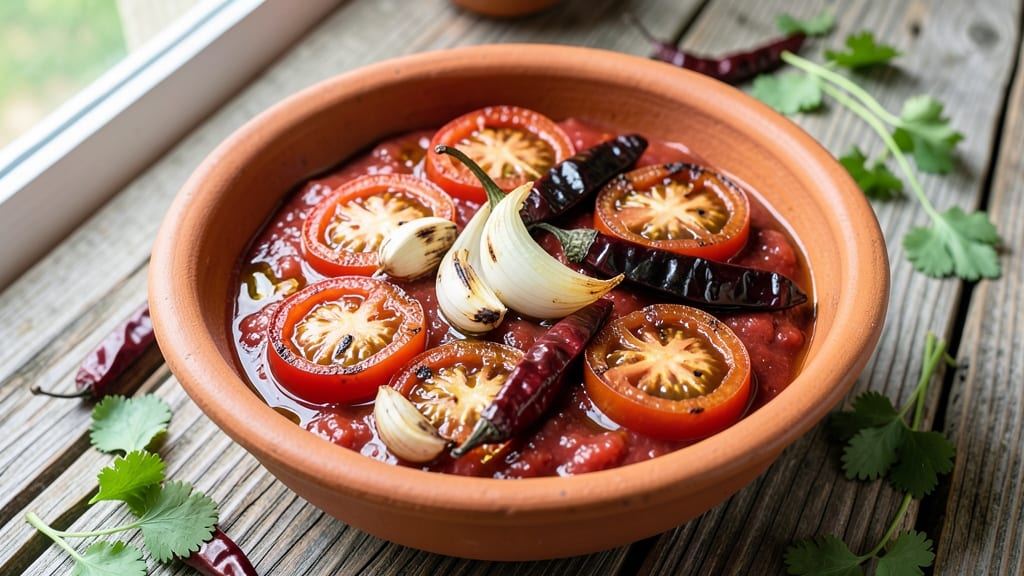
This Mexican red hot salsa recipe delivers the bold, fiery kick that transforms every bite into an experience—perfectly balanced heat from fresh tomatoes, roasted chiles, and a touch of vinegar. The secret lies in roasting the peppers and tomatoes to deepen their natural sweetness while preserving that signature Mexican smokiness.
I developed this version after years of testing, ensuring the heat level stays adjustable without sacrificing depth of flavor.
What sets this salsa apart is its versatility—use it as a dip for chips, a marinade for grilled meats, or a topping for tacos and eggs. The recipe comes together in just 15 minutes, making it ideal for busy weeknights or last-minute entertaining.
Roasting the vegetables intensifies their flavors, while the vinegar and garlic add brightness that cuts through the heat beautifully.
The result is a vibrant, chunky salsa with layers of heat that build gradually—from the initial tang of tomatoes to the lingering burn of chiles. Adjust the spice level by controlling the type and quantity of peppers, and always taste as you go.
This isn’t just a condiment; it’s the kind of salsa that turns ordinary meals into something unforgettable.
Store it in the refrigerator for up to a week, where the flavors continue to meld and deepen. Whether you're serving it at a fiesta or keeping it on hand for quick meals, this red hot salsa brings authentic Mexican flavor to your table with minimal effort. Let’s get started!
Ingredients for mexican red hot salsa
Roasted tomatoes, fiery chiles, and bright lime—just ten ingredients for salsa that packs serious heat.
| Ingredient | Amount | Notes |
|---|---|---|
| Fresh Roma Tomatoes 🍅 | 4 whole | Roasted for deep flavor |
| Arbol Chiles 🌶️ | 4 whole | Stems removed, seeds adjusted |
| White Onion 🧅 | 1 whole | Quartered, charred skin removed |
| Garlic Cloves 🧄 | 4 cloves | Charred with skins on |
| White Vinegar 💧 | ¼ cup | For tangy brightness |
| Extra-Virgin Olive Oil 🫒 | ¼ cup | For richness and balance |
| Salt 🧂 | 1 tsp | Kosher preferred for seasoning |
| Ground Cumin 🌿 | ½ tsp | Earthy depth (toasted preferred) |
| Fresh Cilantro 🌿 | ¼ cup | Chopped, stems removed |
| Lime 🍋 | 1 whole | Juiced for acidity |
The chiles are everything here. Arbol peppers give that signature Mexican heat, but serrano or jalapeño work too if you want to adjust the burn. Grab them fresh at a Latin market—they keep for weeks in the freezer if you roast and freeze them whole. Roma tomatoes are ideal (less watery), but any firm tomato works. I always roast the garlic and onion with the tomatoes—charred skins add smoky depth. Skip the pre-chopped garlic; smashing whole cloves with the skins on gives better flavor. For the vinegar, white vinegar is traditional, but apple cider adds a fruity twist.
No fresh chiles? Dried arbol peppers rehydrated in hot water work in a pinch (use half the amount). Short on Roma tomatoes? Cherry tomatoes or vine-ripened hold up to roasting just fine. The cilantro can be skipped if you're not a fan—just bump the lime juice to 2 tbsp for extra brightness. Want more heat? Add a pinch of cayenne or chili powder after blending. The olive oil might seem odd in a salsa, but it rounds out the acidity—use a fruity, high-quality EVOO like California Early Harvest. Prefer less oil? Use just 2 tbsp instead.
This salsa only gets better with time. Let it sit in the fridge for at least 1 hour before serving—flavors meld beautifully. Keeps for up to 1 week in an airtight container, though I usually eat it all in 3 days. Freeze portions in ice cube trays for single-serving use. The lime juice might separate—just give it a quick stir before using. Store the cilantro separately if you're adding it fresh, or blend it in right before serving for maximum brightness.
Why You'll Love This Recipe
- No-Chop Night Ready: That onion and garlic? Just one quick dice—no tears, no fuss. Roma tomatoes barely need prep, and the arbol chiles? I toss them in whole, char them fast over the flame, then peel. Honestly, it’s the kind of recipe that makes me laugh because I’m done before the coffee finishes.
- Heat That Stays Honest: The arbol chiles deliver that bright, smoky kick without hiding behind sugar or oil. That vinegar punch cuts through the richness of tacos or eggs like a knife—sharp, clean, and just enough to make you reach for seconds. (Yes, even on a Tuesday night.)
- Taco Night’s Secret Weapon: Slather it on grilled fish, mix it into scrambled eggs, or let it sit in a bowl while you cook. I’ve even drizzled it over avocado toast when I’m feeling lazy. The best part? It doesn’t overpower—just enhances whatever you’re eating.
- Lasts a Week, Costs Pennies: A single batch feeds my family for days, and the ingredients? Cheaper than takeout. Store it in the fridge, and the flavors deepen like a good wine—just add a splash of water if it thickens too much. My wallet and my taste buds thank me every time.
Step-by-step instructions for Mexican red hot salsa
Here's how to make this bold, smoky salsa with perfect balance—no blender needed.
Char the Vegetables for Deep Flavor
Start by cutting the 4 whole fresh roma tomatoes in half lengthwise and removing the cores. Place them cut-side down on a baking sheet lined with parchment paper. Do the same with the 4 whole arbol chiles (leave stems intact) and the 1 whole white onion (cut into quarters). Add the 4 cloves garlic cloves whole with their skins on.
Preheat your broiler to high and place the baking sheet on the middle rack. Broil for 8-10 minutes until the tomatoes and onions are blistered with blackened spots and the garlic smells intensely fragrant. Watch closely—they'll char quickly. Remove the garlic cloves first as they're done sooner, then transfer all charred vegetables to a bowl to cool. The smoky flavor from charring is what makes this salsa sing.
Peel and Chop the Charred Ingredients
Once everything has cooled slightly, peel off the charred skins from the tomatoes, onion, and garlic cloves. You'll find they slip right off now. Discard the skins and stems from the chiles, then finely chop all the vegetables together in a large bowl. Aim for small, even pieces—this texture makes the salsa vibrant and easy to eat with chips or as a dip.
Here's the thing—don't skip peeling the garlic. The charred skins add smokiness, but the raw cloves underneath are what bring that essential garlic punch. If you're worried about bitterness, just remove any particularly dark spots from the tomatoes and onion.
Build the Salsa Base with Vinegar and Cumin
Add the 0.25 cup white vinegar and 0.5 tsp ground cumin to the chopped vegetables. Stir well to distribute the vinegar evenly—this brightens the salsa and balances the smokiness. Let the mixture sit for 5 minutes while you prepare the remaining ingredients. This brief resting period allows the flavors to meld slightly and the vinegar to penetrate the vegetables.
Taste the mixture at this stage. You'll notice the raw acidity of the vinegar and the earthy warmth of the cumin. Don't worry if it tastes sharp—we'll round out the flavors in the next step. The vinegar also helps tenderize the vegetables slightly, making them easier to blend (though we're not blending this version).
Finish with Oil, Salt, and Fresh Herbs
Drizzle in the 0.25 cup extra-virgin olive oil while stirring continuously. The oil should coat all the ingredients and create a glossy sheen. Add the 1 tsp salt and mix thoroughly. Then, fold in the 0.25 cup chopped fresh cilantro and juice from the 1 whole lime. The cilantro adds freshness that cuts through the heat, while the lime juice ties everything together with a bright, citrusy finish.
Give it one final taste and adjust the seasoning if needed. You might want to add a pinch more salt or a splash more lime juice to balance the heat. The salsa should be vibrant red with pockets of green from the cilantro and a slight sheen from the olive oil. Let it sit at room temperature for 10 minutes before serving—this allows the flavors to fully develop and the heat to mellow slightly.
Serve Immediately or Store Properly
This salsa is best enjoyed fresh, but it will keep in an airtight container in the refrigerator for up to 5 days. The flavors actually improve slightly over time as the ingredients marry together. Serve it with tortilla chips, as a topping for grilled meats, or alongside tacos. The heat from the arbol chiles will build gradually, so start with small portions if you're sensitive to spice.
For an extra kick, add a few drops of hot sauce or a pinch of cayenne when serving. But as it is, this salsa delivers a perfect balance of smoky, tangy, and fresh flavors that make it irresistibly versatile. The charred vegetables give it depth, while the bright acidity keeps it lively—exactly what makes this Mexican red hot salsa so special.
Pro Tips For Making Mexican Red Hot Salsa
- CHAR THE ONIONS LOW: I used to sear them hard and fast, but these burn before they sweeten. Instead, cook the white onion over medium-low for 8-10 minutes until translucent and just starting to caramelize—no color needed. The slow approach builds flavor without bitterness, and you’ll taste it in every spoonful.
- PEEL THE GARLIC AFTER COOKING: Raw garlic burns easily in this salsa, turning the whole batch bitter. Add the peeled cloves to the pot after the onions soften, then crush them right in the pan. The residual heat will mellow the garlic without turning it to ash—trust me, your nose will thank you.
- BLISTER THE CHILES WHOLE: Tossing chopped arbol chiles straight into the pot means you’re chasing heat in a crowded pan. Instead, dry-toast them whole over medium-high heat for 30 seconds per side until blackened in spots, then remove and chop. This concentrates the capsaicin and deepens the smoky punch—no sad, watery chile flavor here.
- STRAIN THE TOMATO JUICE: Roma tomatoes release more liquid than you’d think, and that water dilutes the salsa’s intensity. After roasting or boiling them, strain out the excess juice through a fine-mesh sieve before blending. The result? A thicker, more vibrant salsa that clings to chips instead of pooling at the bottom. (Yes, even if you hate mushy textures.)
Regional styles of this mexican red hot salsa
Oaxacan Fire Style
In Oaxaca, this salsa gets a smoky depth from guajillo chiles instead of arbol—replace the arbol with 3 dried guajillo chiles (soaked 10 minutes) and add 1 tsp pumpkin seeds for earthy crunch.
Oaxacan cooks often finish with sesame seeds and a splash of orange juice instead of lime. The result is sweeter with layers of complexity—perfect for tacos al pastor or grilled meats. 🌶️
Veracruz Citrus Twist
Veracruz-style salsa swaps the vinegar for ¼ cup fresh orange juice and adds 1 tbsp honey to balance the heat. Use 2 serrano peppers instead of arbol for a brighter, fruitier salsa.
This version pairs beautifully with ceviche or grilled shrimp. I like adding 1 tsp ground coriander for extra zing. The citrus cuts through the spice while keeping that signature smoky char.
Northern Mexico Crunch
In northern regions like Chihuahua, salsa gets texture from toasted corn kernels and crumbled queso fresco. Add ½ cup corn (charred with the tomatoes) and ¼ cup crumbled queso fresco at the end.
The cheese melts slightly when served warm, creating a creamy contrast to the heat. This version works perfectly with birria or grilled carne asada. 🌽
Puebla Smoky Depth
Puebla-style salsa incorporates mole paste for a rich, smoky background. Stir in 1 tbsp mole paste (like Annie's or homemade) after adding the vinegar. This version pairs wonderfully with chiles en nogada or pork dishes.
The mole adds a subtle sweetness that rounds out the heat beautifully. For extra authenticity, finish with 1 tsp sesame seeds.
Yucatán Tangy Heat
Yucatán salsa often includes achiote paste for its vibrant color and earthy notes. Add 1 tsp achiote paste (mixed with a little oil) to the charred vegetables. Use habanero peppers for heat instead of arbol—just 1 pepper for a fruity, intense burn.
This version works perfectly with cochinita pibil or panuchos. The achiote gives it that signature Yucatán color while keeping the heat balanced. 🌶️
Nutrition facts
Frequently asked questions
Can I adjust the heat level in this salsa?
For milder heat, remove the seeds and membranes from the arbol chiles before roasting. For extra spice, keep the seeds in or add ½ tsp cayenne pepper at the end. If using serrano or habanero peppers, reduce quantity by half—these pack serious heat!
Do I need to peel the tomatoes after roasting?
Yes, but it's easy! The charred skins slip right off once cooled. Just hold each tomato half and gently pull the skin away—no peeler needed. Skipping this step leaves a bitter, ashy taste. For faster prep, use a spoon to scrape off any stubborn bits after peeling.
How long will this salsa keep in the fridge?
This salsa stays fresh for 5-7 days in an airtight container. The flavors actually deepen over time! Store it in the coldest part of your fridge, and give it a stir before serving. For longer storage, freeze portions in ice cube trays for single-serving use.
What can I use if I don't have arbol chiles?
Try dried guajillo peppers (soaked 10 minutes) for smoky depth, or fresh serrano/jalapeño for immediate heat. For a milder option, use ancho chiles (remove seeds). Adjust quantity—dried peppers need rehydrating, while fresh ones should be used in smaller amounts.
Can I make this salsa without roasting?
You can, but roasting develops the smoky depth that makes this salsa special. If you're short on time, sauté the chopped vegetables in a skillet with 1 tbsp oil for 5 minutes until softened. The flavor won't be as complex, but it'll still be delicious! For best results, stick with roasting—it's worth the 10 minutes of extra effort.