
Soups & Stews
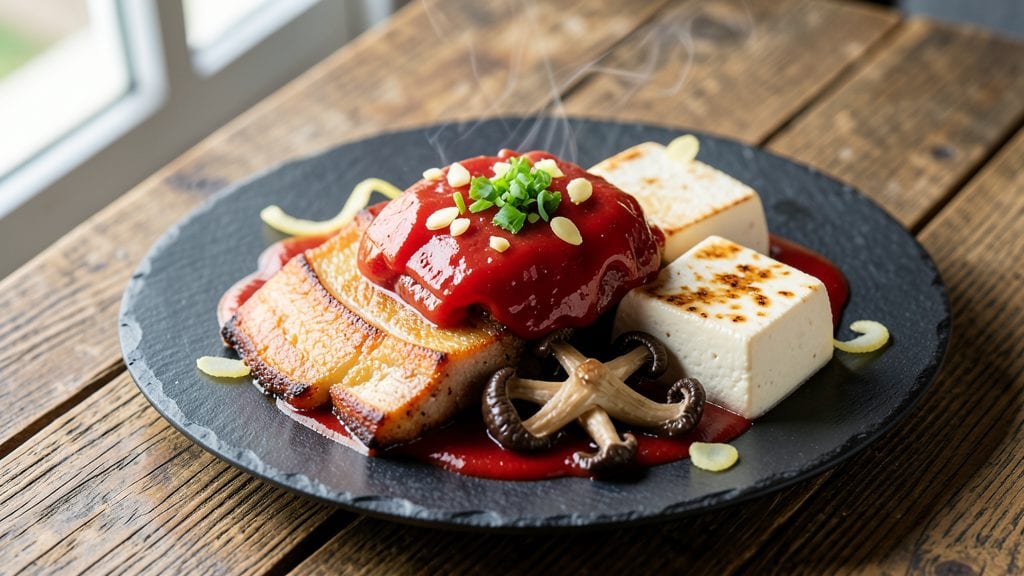
This tomato cheong recipe delivers the comforting balance of tangy, sweet, and umami flavors that define Korean home cooking. 🌟 What started as a humble stew has become a weekly staple in my kitchen, especially during chilly months when hearty soups feel like a warm embrace.
The secret lies in slow-cooked tomatoes that burst with natural sweetness while absorbing the savory broth.
The beauty of this dish is its versatility—whether you use tender pork belly, firm tofu, or mushrooms as the protein base, the rich tomato broth ties everything together.
I developed this version after years of experimenting with regional adaptations, keeping the traditional sourness while adding depth with a touch of sugar and soy. The result? A soup that's both restaurant-worthy and simple enough for weeknight meals.
By the time you finish cooking, you'll have a steaming pot of tomato cheong with tender protein swimming in a glossy, slightly thickened broth. The aroma alone will have everyone gathering at the table, while the first spoonful delivers that perfect harmony of sweet, sour, and savory.
This is comfort food at its finest—warm, satisfying, and full of character.
The best part? This recipe scales beautifully—double it for a crowd or halve it for leftovers that taste even better the next day. Serve with steamed rice to soak up every last drop of that flavorful broth. Let's get cooking!
Ingredients for tomato cheong
Simple ingredients that pack a punch of Vietnamese-inspired flavors.
| Ingredient | Amount | Notes |
|---|---|---|
| Large Tomatoes 🍅 | 4 whole | Roma or vine-ripened preferred |
| Pork Belly 🥓 | 1 lb | Cut into 1-inch cubes |
| Firm Tofu 🧀 | 1 package | 14-16 oz, pressed and cubed |
| Dried Shiitake Mushrooms 🍄 | 4 whole | Rehydrated in warm water |
| Fresh Ginger 🧄 | 2 tbsp | Finely grated, fresh preferred |
| Garlic Cloves 🧄 | 6 cloves | Minced for depth of flavor |
| Fish Sauce 🐟 | 2 tbsp | Red Boat preferred for quality |
| Soy Sauce 🍶 | 2 tbsp | Light or all-purpose variety |
| Sugar 🍚 | 1 tbsp | White or brown preferred |
| Rice Vinegar 🍶 | 1 tbsp | White or seasoned variety |
| Green Onions 🧅 | 4 whole | Sliced for garnish |
| Vegetable Oil 🫒 | 2 tbsp | For stir-frying pork |
| Salt 🧂 | 1 tsp | Adjust to taste |
The tomatoes are the heart of this dish—Roma tomatoes hold up best during slow cooking, but vine-ripened work too. Grab the freshest you can find from the produce section, not the pre-cut ones. For the pork belly, ask your butcher to cube it if you're not comfortable doing it yourself—it saves time and gives you more even pieces. The tofu needs pressing (wrap in a towel, place a heavy pan on top for 15 minutes) to get rid of excess water. Trader Joe's and Whole Foods usually have pre-pressed tofu if you're short on time. Shiitake mushrooms add earthy depth—soak them in warm water for 20 minutes before using.
No fish sauce? Soy sauce plus a splash of Worcestershire works in a pinch, though it won't be identical. The ginger and garlic can be swapped for 1 tbsp each of paste if fresh isn't available, but fresh is definitely better. Running low on rice vinegar? Apple cider vinegar at half the amount gives similar acidity. The sugar balances the sourness—don't skip it, but don't overdo it either. For a vegetarian version, swap the pork for extra tofu or mushrooms. The green onions are just for garnish, so use whatever's in your fridge—even chives work in a pinch.
This soup tastes even better the next day as the flavors meld together. Keeps 4-5 days in the fridge, though I usually make it fresh and eat it within 2 days when possible. Freezes beautifully for up to 3 months—just reheat gently on the stove. I like to make a big batch and freeze portions for lazy weeknights. The broth reduces slightly when reheated, so add a splash of water if it gets too thick.
Why You'll Love This Recipe
- Here’s what sold me: this reheats like a dream. Pack the leftovers in containers, and by noon, the pork belly’s still tender, the tomatoes haven’t turned to mush, and the ginger’s bright enough to wake you up. My kids actually ask for it in their bento boxes—no sad, soggy school lunches here.
- I’ll be real: pork belly might sound fancy, but a single slab stretches across three meals. Tofu and dried shiitake are dirt cheap, and those big tomatoes? Often cheaper than cherry ones. It’s the kind of dish where you spend more on the wine pairing than the ingredients—honestly, my grocery bill thanks me.
Step-by-step instructions for tomato cheong recipe
Here's how to craft this vibrant Vietnamese-inspired soup with perfect balance of sour, savory, and umami.
🍳 Step 1: Rehydrate and Prep the Shiitake Mushrooms
Place the 4 whole dried shiitake mushrooms in a heatproof bowl and cover with hot water. Let them soak for 20 minutes until softened and plump. While they soak, drain them and slice into ¼-inch thick pieces. I like to reserve the soaking water—it's packed with mushroom flavor that we'll use later.
Real talk: these mushrooms are the secret to depth in this soup. Don't skip rehydrating them properly—they should feel tender when pierced with a fork. If you're short on time, you can microwave them in a bowl of water for 3 minutes instead of soaking, but the flavor won't be as concentrated.
🔥 Step 2: Stir-Fry the Pork Belly for Rich Flavor
Heat 2 tablespoons vegetable oil in a large pot over medium-high heat until shimmering. Add the 1 lb pork belly cut into 1-inch cubes and cook for 5-6 minutes, stirring occasionally, until the edges turn golden brown. This step builds the foundation of your soup—don't rush it.
Once the pork is browned, add the 2 tablespoons minced garlic cloves and 2 tablespoons finely grated fresh ginger. Cook for another 30 seconds until fragrant. Here's the thing—garlic and ginger should smell like a Vietnamese market when they're ready. If they burn, you've gone too far.
🍳 Step 3: Build the Flavorful Broth
Pour in 4 cups water (or the reserved mushroom soaking water if you prefer) and bring to a boil. Add the sliced shiitake mushrooms, 1 tablespoon sugar, 1 tablespoon rice vinegar, 2 tablespoons fish sauce, and 2 tablespoons soy sauce. Reduce heat to medium-low and let it simmer for 10 minutes—this lets all those flavors meld together beautifully.
While it simmers, cut the 4 whole large tomatoes into wedges and remove their cores. The skin should stay on for texture. I know it seems weird to leave the skin, but trust me—it adds a nice chewy contrast to the silky soup. You'll add these tomatoes in the next step when the broth is ready.
🥘 Step 4: Add Tomatoes and Tofu for Texture
After the broth simmers for 10 minutes, carefully add the tomato wedges and 1 package firm tofu cut into 1-inch cubes. Simmer for another 8-10 minutes until the tomatoes soften but still hold their shape. The soup should have a vibrant red color and a balance of sweet, sour, and savory flavors.
Here's where it gets fun—taste the broth and adjust seasoning. You might need a little more fish sauce for saltiness or rice vinegar for tang. The tofu should be heated through but still hold its shape. Don't overcook it or it'll turn rubbery.
🍽️ Step 5: Finish and Serve with Fresh Garnishes
Remove the pot from heat and stir in the 1 teaspoon salt. Let the soup sit for 5 minutes to allow flavors to settle. Just before serving, slice the 4 whole green onions and sprinkle them on top. I like to serve this with steamed rice—it's the perfect vessel for soaking up all that delicious broth.
This soup tastes even better the next day as the flavors continue to develop. The tomatoes will soften further and the broth will deepen in complexity. Don't be afraid to experiment with the seasoning ratios—every kitchen has different preferences for sour and salty balance.
Pro Tips For Making Tomato Cheong
- BLANCH TOMATOES FIRST: Drop whole tomatoes in boiling water for 30 seconds—just enough to loosen skins—then shock in ice water. Peeling them afterward is 10x easier, and the flesh stays intact when you crush them later. (I used to fight with slippery skins and ended up with bruised hands.)
- DRY PORK BELLY WELL: Pat that pork belly thoroughly with paper towels—no wet spots—before searing. The crispier the crust, the better it holds up through the slow braising. (Yes, even if you’re impatient like me.)
- REHYDRATE MUSHROOMS RIGHT: Soak dried shiitakes in hot (not boiling) water for 20 minutes, then slice before adding to the pot. Cold water makes them rubbery, and slicing after rehydration keeps them from turning to mush.
- SALT THE TOFU LAST: Hold off on salting firm tofu until you’re ready to add it to the simmering sauce—about 5 minutes before serving. Early salting makes it absorb liquid and turn soggy. (I learned this after serving mushy tofu twice in a row.)
Troubleshooting great tomato cheong
Broth Too Thin?
If your soup ends up watery, don’t panic—simmer uncovered for an extra 5-10 minutes to reduce the liquid. For faster thickening, mix 1 teaspoon cornstarch with 1 tablespoon cold water, stir into the broth, and simmer for 2 minutes until slightly glossy.
I’ve also had success adding ½ cup cooked rice at the end to soak up excess liquid while adding subtle texture. 💡
Tomatoes Too Tart?
Balance excess acidity by adding ½ teaspoon sugar or a pinch of salt to mellow the flavor. For a deeper savory note, stir in 1 teaspoon fish sauce or a splash of soy sauce (about 1 teaspoon).
If the tomatoes are underripe, roast them first at 400°F for 20 minutes to intensify their natural sweetness before adding to the broth.
Pork Overcooked?
Pork belly should be tender but still hold its shape. If it’s tough, it likely cooked too long.
Next time, remove it from the broth once it reaches 195°F internal temperature (about 4-5 minutes after browning), then shred it and return it to the pot for the final 5 minutes of cooking. For extra moisture, add ¼ cup water when reheating.
Tofu Too Soft?
Firm tofu absorbs liquid quickly—if it turns mushy, reduce simmering time to 5-7 minutes instead of 10. For extra structure, press the tofu for 30 minutes before cubing (double the pressing time if using extra-firm).
Alternatively, use silken tofu (cut into small cubes) for a creamier texture that holds up better.
Flavor Too Mild?
Boost umami by adding 1 teaspoon miso paste or 1 tablespoon oyster sauce to the broth. For heat, stir in ½ teaspoon chili flakes or a dash of Sriracha. If the fish sauce flavor is subtle, swap in Red Boat brand—it’s the most concentrated and aromatic.
Let the soup rest for 10 minutes off heat before tasting to let flavors develop fully.
Mushrooms Too Bitter?
Soak dried shiitake mushrooms in cold water for 30 minutes instead of hot to reduce bitterness. Discard the soaking water and use fresh water for cooking.
For milder flavor, trim the tough stems before slicing. If bitterness persists, add ½ teaspoon sugar or a pinch of salt to the broth while simmering.
Nutrition facts
Frequently asked questions
Can I make tomato cheong without pork?
This Vietnamese-inspired soup works beautifully with plant-based proteins. Swap the pork belly for 1 lb extra-firm tofu (pressed and cubed) or 1 lb king oyster mushrooms for a meatier texture. For added depth, use 1 cup firm tofu plus ½ cup shiitake mushrooms together. The broth's rich tomato base will still shine while keeping the dish vegetarian-friendly.
How do I adjust the spice level in tomato cheong?
This recipe keeps things mild, but you can easily adjust it. For a gentle kick, add ½ teaspoon chili flakes or 1 teaspoon gochujang (Korean chili paste) when simmering the broth. For heat lovers, stir in 1 tablespoon sriracha at the end. If you prefer no spice, simply omit the rice vinegar and use 1 tbsp apple cider vinegar instead for tanginess without heat.
Can I prepare tomato cheong in an Instant Pot?
Yes! Sauté the pork belly, garlic, and ginger in the Instant Pot on Sauté mode for 5 minutes. Add all remaining ingredients (except green onions) and cook on High pressure for 8 minutes. Quick-release the pressure, then stir in the green onions. The broth may be thinner than stovetop—simmer uncovered for 5 minutes to thicken. This method cuts cooking time to about 30 minutes!
What's the best way to store and reheat leftovers?
Store tomato cheong in an airtight container in the fridge for up to 5 days. The flavors actually improve overnight! To reheat, warm gently on the stove over medium-low heat for 5-7 minutes, stirring occasionally. Add 1-2 tablespoons water if the broth thickens too much. For freezing, portion into containers and freeze for up to 3 months. Thaw overnight in the fridge before reheating.
Why does my tomato cheong taste bland?
Bland flavor usually means one of three things: underseasoned broth, overcooked tomatoes, or insufficient umami. First, check your fish sauce—use Red Boat brand for maximum flavor. If the tomatoes taste watery, roast them at 400°F for 20 minutes before adding. For extra depth, stir in 1 teaspoon miso paste or 1 tablespoon oyster sauce at the end. Let the soup rest 10 minutes off heat before tasting to allow flavors to develop fully.