
Main Courses
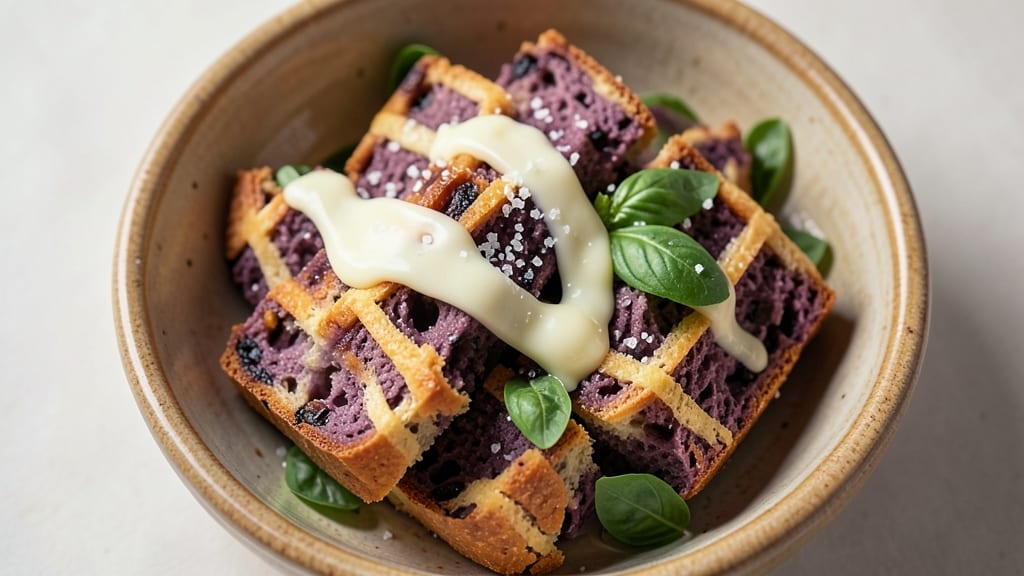
This eggplant bread recipe transforms humble ingredients into a showstopping dish with a crispy crust that shatters like glass and a soft, pillowy interior. I developed it during a particularly hot summer when I needed a vegetarian main course that felt special—no heavy sauces, just bold flavors and satisfying textures.
The key lies in properly prepping the eggplant to remove bitterness while maintaining moisture, then layering it with herbed bread dough for that perfect contrast.
The beauty of this recipe is its foolproof technique—no advanced skills required, just precise timing. You'll work with a simple dough that comes together in minutes, then stuff it with roasted eggplant, garlic, and fresh herbs before baking until golden.
The result? A dish that looks impressive yet feels comforting, with each bite delivering that satisfying crispy exterior and tender bread interior. It's the kind of recipe that makes weeknight dinners feel like a restaurant experience.
What makes this stand out is the balance—crispy edges from the baked bread crust, tender eggplant that's been properly roasted to remove moisture, and a herbaceous filling that keeps every bite interesting.
The aroma alone will have your kitchen smelling like a Mediterranean bakery, and the texture contrast is what makes it unforgettable. This is the kind of dish that disappears quickly, so make sure you've got extra on hand.
Perfect for summer gatherings, vegetarian meals, or when you want to impress without the fuss. The recipe scales beautifully, so you can feed a crowd or just enjoy a satisfying single serving. Here's how to bring this crispy crust, soft bread magic to your table—no shortcuts, just professional results.
Ingredients for eggplant bread
Fourteen ingredients, two textures—crispy crust meets tender bread magic.
| Ingredient | Amount | Notes |
|---|---|---|
| Eggplant 🍆 | 1 ½ lb | Medium-sized, organic preferred |
| All-Purpose Flour 🌾 | 3 ½ cups | Unbleached, for soft dough |
| Active Dry Yeast 🍞 | ¼ oz | Or 2.25 tsp, fresh preferred |
| Granulated Sugar 🍚 | 1 tbsp | For yeast activation |
| Warm Water 💧 | 1 cup | 110°F for yeast activation |
| Unsalted Butter 🧈 | ½ cup | Cold, cubed for dough |
| Extra-Virgin Olive Oil 🫒 | ¼ cup | Plus extra for brushing |
| Garlic Cloves 🧄 | 4 cloves | Fresh, minced for filling |
| Fresh Parsley 🌿 | ¼ cup | Chopped, stems removed |
| Fresh Basil 🌿 | ¼ cup | Chopped, for herb blend |
| Diamond Crystal Kosher Salt 🧂 | 1 ½ tsp | For dough and seasoning |
| Ground Black Pepper 🌶️ | ½ tsp | Freshly cracked |
| Lemon Zest 🍋 | 1 tsp | From 1 small lemon |
The eggplant is non-negotiable. Organic varieties like Ichiban or Rosa Bianca have fewer seeds and more flavor, but any medium eggplant works. Look for firm, heavy ones with glossy skin—Trader Joe's often carries great ones, or hit the farmers market for the freshest. The key is roasting it first to remove moisture and bitterness. Salt it generously, let it sweat, then roast until tender. I always use a mandoline for even slices, but a sharp knife works too. For the dough, King Arthur flour gives the best texture, but any high-protein all-purpose flour does the trick.
No fresh herbs? Dried oregano and thyme at half the amount will work, but you'll lose that vibrant Mediterranean aroma. The yeast needs to be active dry or fresh—if it's not bubbling in 5 minutes with warm water and sugar, toss it. For the butter, cold cubes create flaky layers, so don't let it soften. The lemon zest might seem optional, but it brightens the whole dish—zest only, no pith. If you're short on time, use jarred roasted eggplant (like Muir Glen), but drain it well and pat dry.
This keeps beautifully for 3 days wrapped in foil at room temp, or 5 days in the fridge. For longer storage, freeze portions for up to 3 months. Reheat in a 350°F oven for 10-15 minutes until crispy again. The bread reheats best—wrap it in foil and warm it in the oven while the eggplant filling gets a quick zap in a skillet. Leftovers make amazing sandwiches the next day, so plan ahead.
Why You'll Love This Recipe
- No Egg Waste: I slice the eggplant, toss it in salt, and let it sweat out liquid—then blend it right into the dough. That means no sad, rotting eggplant in your fridge later, just a soft, slightly sweet texture in every bite.
- Sweet-Savory Magic: The sugar caramelizes just enough to balance the eggplant’s earthiness, while the yeast gives it a light, airy crunch. It’s like a cross between bread and dessert—honestly, I’ve caught myself sneaking extra slices for breakfast.
- Budget Baking Hack: Flour, yeast, sugar, and eggplant? This costs me half what store-bought bread does, and it keeps for days. Wrap it in a towel, and it stays fresh longer than my willpower around it.
- Weeknight Wonder: Mix the dough, let it rise while you prep dinner, and bake it alongside your meal. The warm, slightly charred crust pairs perfectly with soups or spreads—zero fuss, all flavor. (Yes, even on a Tuesday night.)
Step-by-step instructions for crispy eggplant bread
Here's how to transform humble ingredients into golden, crispy bread with a secret eggplant twist.
Prepare the Eggplant for Maximum Crispiness
Preheat your oven to 400°F and line a baking sheet with parchment paper. Cut the 1.5 lb eggplant into ½-inch thick slices, then brush both sides generously with the 0.25 cup extra-virgin olive oil. Sprinkle with 1 tsp diamond crystal kosher salt and 0.5 tsp ground black pepper.
Arrange the eggplant slices in a single layer on the prepared baking sheet, leaving ½-inch between each piece. Bake for 20-25 minutes until the edges are golden brown and the flesh is tender when pierced with a fork. Let the slices cool completely before handling—they'll be delicate. This step creates the crispy base that sets this bread apart from ordinary loaves.
Activate the Yeast and Create the Dough
In the bowl of a stand mixer fitted with the dough hook attachment, combine the 3.5 cups all-purpose flour, 1.5 tsp diamond crystal kosher salt, and 1 tbsp granulated sugar. Whisk together the 0.25 oz active dry yeast with the 1 cup warm water (about 110°F) in a separate bowl until fully dissolved.
With the mixer on low speed, pour the yeast mixture into the flour mixture. Add the 0.5 cup unsalted butter (cold, cubed) and mix until the butter is incorporated and the dough begins to form. Increase the speed to medium and knead for 5-7 minutes until the dough is smooth and elastic, pulling away from the sides of the bowl. This develops the gluten structure needed for that perfect oven-spring.
Add the Eggplant and Herb Filling
Remove the dough from the mixer and transfer it to a lightly floured surface. Gently press down to create a rectangle about ½-inch thick. Using a rolling pin, roll out the dough to form a 12x16-inch rectangle. Spread the 0.25 cup chopped fresh parsley, 0.25 cup chopped fresh basil, and 4 minced garlic cloves evenly over the surface, leaving a ½-inch border around the edges.
Carefully arrange the cooled eggplant slices in a single layer over the herbs, slightly overlapping them if needed to cover the entire surface. Sprinkle the 1 tsp lemon zest evenly over the eggplant. Using a sharp knife, score the dough around the eggplant in a ½-inch grid pattern to create sections that will puff up during baking. This technique ensures even browning and that signature crispy texture we're after.
Shape and Proof the Dough
Gently lift the edges of the dough and bring them together over the eggplant filling, pinching the edges to seal. Transfer the filled loaf to a parchment-lined baking sheet and brush the top generously with the remaining 0.25 cup extra-virgin olive oil. Cover the baking sheet loosely with plastic wrap and let the dough proof in a warm place for 1-1.5 hours, or until it has risen by about 50%.
Look for the dough to feel slightly springy when pressed gently with your finger—this is your cue that the yeast has done its job. The eggplant filling should be visible through the thin sections, promising that crispy texture we're aiming for. Preheat your oven to 375°F while the dough proofs, ensuring it reaches the perfect temperature for baking.
Bake to Golden Perfection
Bake the eggplant bread for 30-35 minutes until the crust is deep golden brown and the internal temperature reaches 190°F. You'll know it's done when the crust sounds hollow when tapped on the bottom. The eggplant slices should be crispy on the outside while remaining tender inside.
Remove the bread from the oven and let it cool on a wire rack for at least 15 minutes before slicing. This resting period allows the filling to set and prevents the bread from falling apart when you cut into it. Serve warm with your favorite butter or olive oil for dipping, and enjoy the perfect balance of crispy crust, soft bread, and herbed eggplant filling that makes this recipe truly special.
Pro Tips For Making Eggplant Bread
- SALT THE SLICES: Toss raw eggplant chunks in a bowl with 1 tablespoon salt and let them sit for 20 minutes before rinsing. This pulls out the bitterness and keeps the bread from tasting like a vegetable—trust me, I’ve made this mistake twice and regretted it.
- GRATE THE EGPLANT: Skip chopping—grate the eggplant on the largest holes of a box grater instead. It blends better into the dough, gives a smoother texture, and saves you from dealing with big chunks hiding in every bite. (Yes, I’ve pulled those out before.)
- DON’T OVER-KNEAD: The dough will feel sticky and fight you, but stop after 5–7 minutes of kneading by hand. Overworking it makes the bread dense, and this recipe already has eggplant pulling moisture—you don’t need extra gluten toughness. I learned this after a batch turned out like a brick.
- USE A THERMOMETER: The warm water for the yeast should be exactly 105–110°F (40–43°C). Too hot? You kill the yeast. Too cold? It won’t activate. I used to eyeball it and wonder why my dough never rose—now I just check the temp, and it works every time.
Pro cooking tips for this dish
Eggplant Prep Secrets
I can't stress enough how critical this step is—skipping it ruins the texture. After slicing the eggplant, salt it generously and let it sit for 30 minutes before roasting.
This draws out excess moisture, ensuring your bread stays crispy, not soggy. I use a mandoline for even slices, but a sharp knife works if you're careful. 🍆
Roast at 400°F until the edges are golden and the flesh collapses easily with a fork. Let them cool completely before handling—they'll be delicate!
If you're short on time, I've used pre-roasted eggplant from the jar (like Muir Glen), but drain it well and pat dry to avoid excess moisture in your dough.
Dough Texture Mastery
Cold butter is your friend here—cold cubes create flaky layers that give this bread its signature crispy crust.
I use a stand mixer with a dough hook for 5-7 minutes of kneading, but if you're doing it by hand, go for 8-10 minutes until the dough pulls away cleanly from the surface. This develops the gluten for that perfect oven-spring. 🌾
For extra fluffiness, I add a ½ tsp xanthan gum to the flour if I'm worried about the dough being too sticky. It mimics gluten structure, which is a lifesaver if you're not confident in your kneading skills.
The dough should be soft but not wet—adjust with a little more flour if needed.
Proofing Like a Pro
Proofing is where the magic happens, but it's easy to mess up. Cover your dough loosely with plastic wrap and place it in a warm spot—I use my oven with the light on or a proofing box if I have one.
The dough should rise by 50% in 1-1.5 hours, feeling slightly springy when pressed gently. 💡
If your kitchen is cold, try placing the dough near the bottom oven rack with the oven light on for 10-15 minutes to warm it up. Overproofing is the enemy—it leads to dense bread. Look for the dough to feel slightly resistant when poked, not flat or sticky.
Scoring for Crispy Perfection
Scoring isn't just for show—it directs where the bread expands and ensures even browning. Use a sharp razor blade (or a very sharp knife) to cut a ½-inch grid over the eggplant filling.
This creates steam vents that prevent the bread from cracking unevenly. The grid also gives you those crispy, golden sections that everyone will love. ⚡
Don't press too hard—just make clean cuts through the top crust. If you're nervous, practice on a scrap piece of dough first. The scoring should be deep enough to reach the filling but not tear the dough apart. This is where patience pays off!
Nutrition facts
Frequently asked questions
Can I make this eggplant bread without yeast?
Yes! For a quick version, replace the yeast with 1 tsp baking powder and 1 tsp baking soda in the dough. The texture will be denser but still delicious. For a gluten-free option, use a 1:1 gluten-free flour blend and add ½ tsp xanthan gum to help bind the dough.
How do I store leftovers to keep them crispy?
Wrap the bread tightly in aluminum foil at room temperature for up to 3 days. For longer storage, freeze slices individually for 3 months. To reheat, warm in a 350°F oven for 10-15 minutes until golden and crispy again. The bread reheats better than the eggplant filling, so enjoy it fresh when possible.
What if my eggplant slices aren't crispy after baking?
This usually happens if the eggplant wasn't roasted long enough or had too much moisture. Next time, roast at 400°F for 25-30 minutes until completely tender, then pat slices dry with paper towels before assembling. For extra crispiness, broil for 1-2 minutes at the end of baking.
Can I use jarred eggplant instead of fresh?
Drain jarred eggplant thoroughly and pat it completely dry with paper towels to remove excess liquid. Roast it for 10-15 minutes at 400°F to crisp up the edges before using. Look for brands like Muir Glen that have minimal additives for best results.
What's the best way to serve this eggplant bread?
Slice it warm and serve with olive oil for dipping or alongside a simple Mediterranean salad. It's also fantastic as a vegetarian main course with a side of roasted vegetables. For extra flair, sprinkle with crumbled feta or a drizzle of balsamic glaze before serving.