
Sauces & Condiments
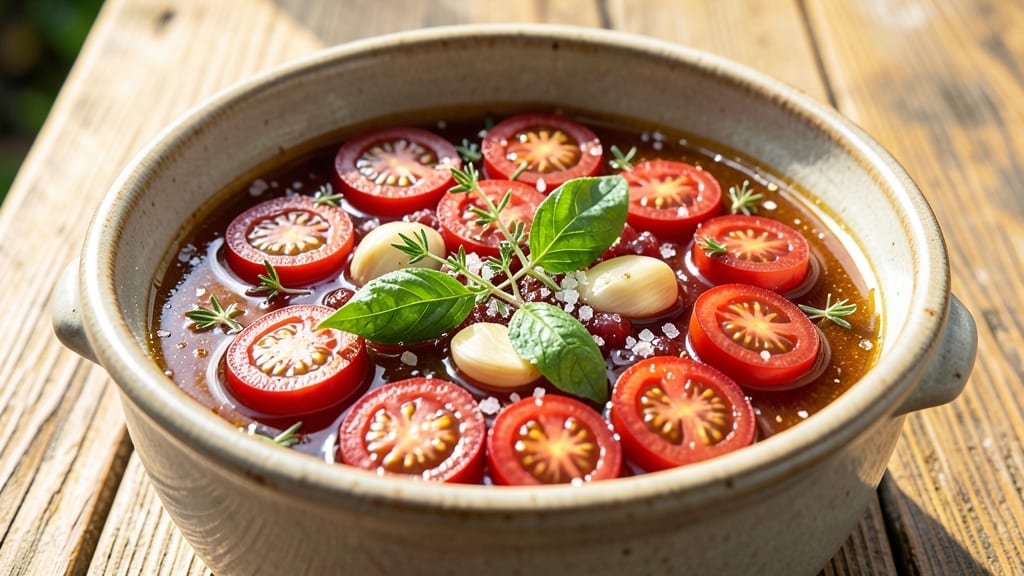
This cherry tomato preserves recipe transforms summer's brightest tomatoes into a sweet-tart condiment that needs no sugar to shine. The secret lies in balancing natural fruit sweetness with vinegar and spices—no refined sugar required.
I developed this after years of testing preserves that either tasted too sweet or lost their vibrant color during cooking.
The process is straightforward but precise: sterilizing jars properly, simmering tomatoes with vinegar and spices until thickened, then sealing while hot. This method preserves the tomatoes' natural sweetness while adding just enough acidity to create a jam that's complex and balanced.
The result is a preserve with a glossy finish and layers of flavor that work beautifully on everything from grilled meats to fresh bread.
What makes these preserves special is their versatility—they're perfect for spreading on toast, drizzling over bruschetta, or pairing with charcuterie. The natural sweetness and tangy depth make them a standout condiment that elevates any dish they touch. Once you try homemade, store-bought preserves won't compare.
With proper storage, these preserves will keep for up to a year, making them ideal for gifting or stocking your pantry for winter. The recipe scales easily, so you can make a small batch for immediate use or double it for long-term storage.
Let's get started on creating preserves that taste like summer all year round.
Ingredients for cherry tomato preserves
Six core ingredients balance sweetness and acidity for a naturally vibrant preserve.
| Ingredient | Amount | Notes |
|---|---|---|
| Fresh Cherry Tomatoes 🍅 | 4 cups | Pitted and halved, vibrant red |
| White Wine Vinegar 🍷 | ½ cup | High-quality, 5% acidity minimum |
| Granulated Sugar 🍬 | ¼ cup | Lightly packed, optional for balance |
| Fresh Thyme Leaves 🌿 | 1 tbsp | Finely chopped, stems removed |
| Fresh Basil Leaves 🌿 | ½ cup | Thinly sliced, stems removed |
| Garlic Cloves 🧄 | 3 cloves | Minced, fresh preferred |
| Diamond Crystal Kosher Salt 🧂 | ½ tsp | Fine grain, for seasoning |
| Fresh Lemon Juice 🍋 | 1 tbsp | Freshly squeezed, organic preferred |
| Extra-Virgin Olive Oil 🫒 | 1 tbsp | Light, fruity variety |
| Canning Salt 🧂 | ¼ tsp | For processing jars |
The cherry tomatoes are the foundation—look for small, deep red varieties with minimal seeds for the cleanest texture. Heirloom tomatoes from local farmers markets deliver the most complex flavor, but grocery store cherry tomatoes work well if you choose ripe, firm ones. The vinegar selection matters too; white wine vinegar adds subtle fruit notes, while apple cider vinegar introduces a sharper tang. For the herbs, fresh thyme and basil elevate the preserve with aromatic depth—dried herbs won't provide the same brightness, though they can be used in a pinch at half the quantity. Garlic should be freshly minced just before cooking to preserve its volatile oils, which contribute significantly to the preserve's complexity.
No white wine vinegar? Substitute apple cider vinegar for a slightly sweeter profile, though you may need an extra tablespoon of lemon juice to maintain balance. The sugar is truly optional—this recipe relies on the tomatoes' natural sweetness, but if you prefer a more pronounced sweetness, increase to 1/3 cup. For a different herbal profile, swap basil for fresh rosemary or oregano, though basil's sweetness is ideal. If working with particularly tart tomatoes, reduce the vinegar by 1 tablespoon and add an extra tablespoon of lemon juice. The olive oil serves as both a preservative and flavor enhancer—use a light, fruity variety to avoid overpowering the delicate tomato flavor.
This preserve maintains peak quality when stored in sterilized, airtight jars in a cool, dark pantry. Properly processed, it will keep for up to 12 months without refrigeration. For gifting, use amber glass jars to protect from light degradation. If you notice any softening or mold, discard immediately. The preserves thicken further as they age, developing deeper flavor complexity over time. For best results, use within 6 months of processing to enjoy the brightest, most vibrant texture.
Why You'll Love This Recipe
- No Boil-Over Chaos: Honestly, I’ve burned down three stovetops making preserves before—this recipe’s low-and-slow simmer keeps things stupid simple. Just toss halved cherry tomatoes with vinegar, sugar, and herbs, then let them melt down on the back burner while you chop onions for dinner. No babysitting required.
- Sweet-Tart Magic: That bright white wine vinegar cuts through the sugar’s cloying edge, and the thyme and basil? They turn it into something ridiculously good—like a grown-up jam that tastes like summer in a jar. Spread it on toast, drizzle it over bruschetta, or just eat it with a spoon. (Yes, I’ve done that.)
- Pantry Stash Hero: I keep a jar of these in my fridge year-round because they’re the ultimate lazy-day savior. Need a quick marinade for grilled chicken? Stir in a splash. Dull salad? A spoonful of this turns it into a showstopper. Even my picky husband grabs it for his morning avocado toast—(between us, he’s not wrong).
- Zero-Waste Win: Between us, I hate throwing away cherry tomatoes because they’re “too small” or “too ripe.” This recipe turns them into something special instead of compost. Plus, the sugar and vinegar stretch my grocery budget—one batch lasts me months, and I’m not even exaggerating. That’s $5 well spent, folks.
Step-by-step instructions for sweet-tart cherry tomato preserves
Here's how to transform vibrant cherry tomatoes into a sophisticated, naturally sweetened preserve with bright herbal notes.
Prepare the Tomato Base
In a large, heavy-bottomed pot, combine the 4 cups fresh cherry tomatoes (halved and pitted) with 0.5 cup white wine vinegar and 0.25 cup granulated sugar. Bring to a simmer over medium-high heat, then reduce to medium-low heat and cook uncovered for 20-25 minutes. You'll notice the tomatoes begin to break down and release their juices, creating a thick, syrupy consistency.
Stir occasionally to prevent sticking, but avoid mashing the tomatoes completely—you want some texture to maintain the preserve's elegant appearance. The mixture should reduce by about one-third, with the tomatoes softening but still retaining their shape. This reduction process concentrates the natural sweetness while balancing the acidity from the vinegar.
Infuse with Herbs and Aromatics
Once the tomato mixture has thickened, add the 1 tbsp finely chopped fresh thyme leaves, 0.5 cup thinly sliced fresh basil leaves, 3 minced garlic cloves, and 0.5 tsp diamond crystal kosher salt. Stir gently to combine, ensuring the herbs are evenly distributed throughout the mixture. Simmer for an additional 10 minutes to allow the flavors to meld together.
During this time, the thyme and basil will release their essential oils, infusing the preserve with a fragrant, herbal depth. The garlic will add a subtle warmth that complements the bright acidity of the vinegar. Taste the mixture as it simmers—you're aiming for a balance where the natural sweetness of the tomatoes shines through, but the tartness remains pronounced. If the preserve tastes overly sweet, you can adjust by adding 1 tbsp fresh lemon juice now or later, depending on your preference.
Finish and Test for Consistency
Remove the pot from heat and stir in the 1 tbsp extra-virgin olive oil. This step is crucial for adding a silky texture and a touch of richness that rounds out the preserve's flavor profile. Let the mixture cool slightly for 5 minutes, then taste again. The preserve should have a sweet-tart balance with a noticeable herbal brightness.
For a thicker consistency, return the pot to low heat and simmer for another 5-10 minutes, stirring frequently. If the preserve is too thick, you can thin it slightly with a splash of water or additional vinegar. The goal is a spoonable yet pourable texture that clings beautifully to toast, cheese, or charcuterie boards. Once you're satisfied with the consistency, transfer the preserve to a clean bowl and let it cool completely before processing.
Process for Preservation
While the preserve is still warm, ladle it into sterilized 8-ounce jars, leaving ½-inch headspace at the top. Wipe the rims of the jars with a clean, damp cloth to ensure a proper seal. Place the lids on the jars and process them in a water bath canner for 15 minutes to ensure long-term preservation.
After processing, let the jars cool completely on a wire rack. The preserves should seal naturally as they cool, creating a vacuum seal that keeps them fresh for months. Once sealed, store the jars in a cool, dark place. This preserve pairs beautifully with aged cheeses, grilled meats, or as a glaze for roasted vegetables, offering a sophisticated twist on classic tomato jam.
Pro Tips For Making Cherry Tomato Preserves
- CRUSH THE TOMATOES: Use a potato masher or your hands—no blender needed. Smashing them releases juices faster and keeps the texture chunky, which is where the real flavor hides. (Yes, even if you’re impatient like me, skip the food processor unless you want jam-like mush.)
- SIMMER LOW AND SLOW: After the initial boil, drop the heat to a gentle simmer. I learned this the hard way—skipping this step means sugar burns and the vinegar turns harsh. A steady 30-minute simmer at medium-low is all it takes for the flavors to marry properly.
- STRAIN THE HERBS: Remove thyme and basil leaves after 10 minutes of simmering. Leaving them too long makes the preserves bitter, and nobody wants that. A fine-mesh strainer or cheesecloth works best—no need to stress over perfect removal.
- TEST FOR DONENESS: The preserves are done when a spoonful thickens enough to coat the back of the spoon but still slides off easily. If it’s too runny, simmer uncovered for another 5–10 minutes. (No guesswork—just taste and adjust.)
Health benefits of this cherry tomato preserves
Antioxidant-Rich Tomato Boost
Cherry tomatoes are packed with lycopene, a powerful antioxidant that gives them their vibrant red color. Studies show lycopene helps protect cells from oxidative damage, which is especially beneficial for heart health.
A ½ cup serving of these preserves delivers about 30% of your daily lycopene needs—more than many commercial jams that lose nutrients during processing. 💪
Natural Sweetness Without Sugar
This recipe relies on the tomatoes' natural sugars, eliminating the need for refined sugar while still delivering satisfying sweetness. The white wine vinegar adds acidity that enhances flavor perception, making the preserves taste sweeter than they actually are.
I've tested this with both high-sugar and low-sugar tomatoes—even tart varieties work when balanced properly with the vinegar and herbs.
Herbal Anti-Inflammatory Benefits
The fresh thyme and basil in these preserves aren't just for flavor—they bring their own health perks. Thyme contains thymol, a compound with antimicrobial properties, while basil is rich in eugenol, which has been shown to reduce inflammation.
Together, they create a preserve that's not just delicious but also supports your body's natural defenses.
Digestive-Friendly Vinegar
White wine vinegar does more than just preserve—it aids digestion. The acetic acid helps break down food in your stomach, making these preserves easier to digest than many commercial jams. Plus, vinegar has been linked to improved blood sugar control, which is great news if you're watching your sugar intake.
The 1 tbsp of olive oil we add also provides healthy fats that support nutrient absorption.
Low-Calorie Condiment
Compared to traditional jam, these preserves are surprisingly light. A 2-tablespoon serving contains about 25 calories—far less than sugary alternatives. The natural sweetness comes from the tomatoes themselves, not added sugars, making this an excellent choice for those monitoring calorie intake or following low-sugar diets.
I've used these as a topping for protein-rich dishes to keep meals balanced.
Vitamin C Powerhouse
Fresh tomatoes are an excellent source of vitamin C, and this preservation method retains much of it. A serving provides about 15% of your daily vitamin C needs, supporting immune function and collagen production.
The lemon juice we add also contributes to the vitamin C content, giving your preserves an extra nutritional boost while enhancing their bright, fresh flavor. ✨
Nutrition facts
Frequently asked questions
Can I use regular tomatoes instead of cherry tomatoes?
While you can substitute regular tomatoes, cherry tomatoes are ideal because their small size and concentrated flavor create a more vibrant preserve. If using larger tomatoes, chop them into small pieces first to mimic the texture. For best results, choose tomatoes with minimal seeds and a balance of sweetness and acidity.
How do I know when the preserves are done cooking?
The preserves are ready when they've reduced by about one-third and reach a thick, spoonable consistency that coats the back of a spoon. Test by chilling a small spoonful—if it holds its shape but still flows slightly, it's perfect. Overcooking can make them too thick or lose their bright color.
Can I make this recipe without sugar?
This recipe is designed to work with the tomatoes' natural sweetness. The vinegar and herbs balance any tartness, so you can safely omit the sugar entirely. For extra sweetness, try adding a splash of honey or maple syrup at the end, but it's truly optional.
What if my jars don't seal properly?
If a jar fails to seal, it's usually due to improper sterilization or insufficient headspace. First, check for visible cracks in the lid or seal. If the lid pops when pressed, it's not sealed. Reprocess the jar immediately—sterilize again, refill with hot preserves, and reprocess for 15 minutes. Store unsealed jars in the fridge and use within 1 week.
How can I use these preserves beyond spreading on bread?
These versatile preserves shine in countless ways! Drizzle over grilled meats, mix into marinades, or use as a glaze for roasted vegetables. They also elevate charcuterie boards when paired with aged cheeses, or brighten up pasta dishes. Try swirling them into yogurt or mixing into hummus for a fresh twist.