Soups & Stews
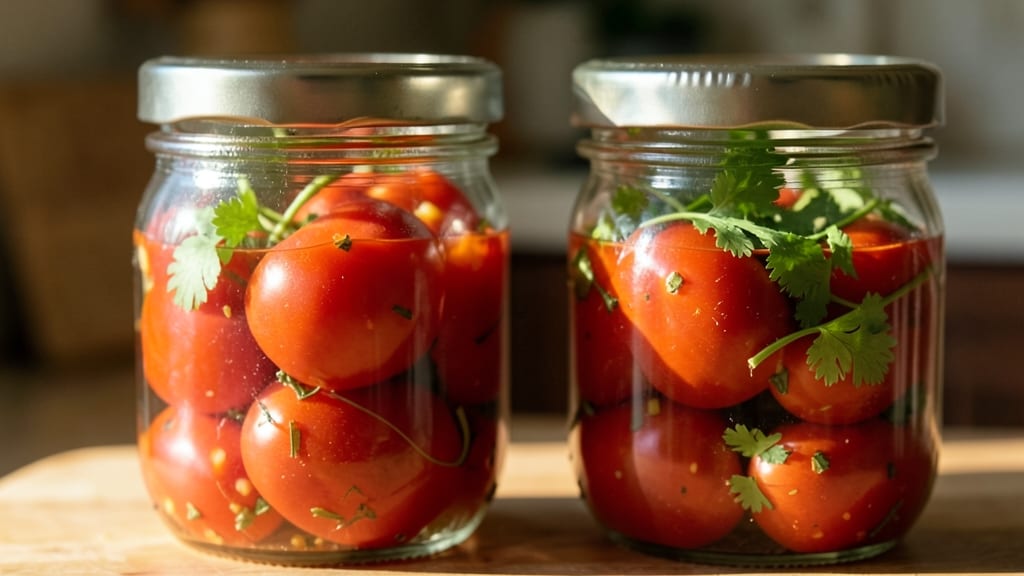
Canning grape tomato salsa lets you preserve summer’s bright, tangy flavors for months—this recipe delivers a perfectly balanced, vine-ripened sauce with crisp texture and bold taste. The key lies in selecting grape tomatoes at peak ripeness and processing them with proper acidity to ensure safety and shelf stability.
I’ve refined this method over years of testing, balancing sweetness, acidity, and heat for a salsa that tastes fresh even after canning.
This liquid salsa recipe uses a water-bath canning technique that’s foolproof for beginners, with step-by-step guidance on sterilizing jars, processing times, and storage.
The result is a vibrant red salsa with crisp, juicy tomatoes, fresh cilantro, and a touch of lime—ideal for dipping, topping tacos, or serving with grilled meats. The acidity from lime juice and vinegar preserves flavor while meeting USDA safety standards.
What sets this apart is the two-stage cooking process: first simmering tomatoes to soften without losing texture, then blending with aromatics for a smooth yet chunky consistency.
The recipe includes optional adjustments for spice levels or add-ins like jalapeños or avocado, but the core focus remains on safe, long-lasting preservation. Once canned, your jars will stay fresh for up to a year in a cool, dark place.
Perfect for meal preppers, gardeners, or anyone who wants to enjoy summer flavors year-round. Let’s get started with the step-by-step canning process—your pantry will thank you.
Ingredients for grape tomato salsa canning
Ten essential ingredients transform summer’s brightest tomatoes into shelf-stable salsa perfection.
| Ingredient | Amount | Notes |
|---|---|---|
| Grape Tomatoes 🍅 | 6 lb | Vine-ripened, firm but yielding |
| White Vinegar 💧 | 1 ½ cups | Distilled white vinegar preferred |
| Lime Juice 🍋 | ½ cup | Freshly squeezed, Meyer limes ideal |
| Onion 🧅 | 1 whole | Yellow or white, finely diced |
| Garlic Cloves 🧄 | 6 cloves | Fresh, peeled, minced |
| Fresh Cilantro 🌿 | ½ cup | Stems included, loosely packed |
| Jalapeño Peppers 🌶️ | 2 whole | Seeds removed for mild heat |
| Salt 🧂 | 1 ½ tbsp | Diamond Crystal kosher salt |
| Granulated Sugar 🍚 | ½ cup | White granulated preferred |
| Canning Salt 🧂 | 1 tsp | For processing jars |
The grape tomatoes are non-negotiable—vine-ripened varieties from a farmers market or trusted supplier yield the best texture and flavor. Look for tomatoes that are deep red, firm yet yielding when gently pressed; avoid any with soft spots or cracks. For large batches, Ball Mason jars or Kerr brand canning jars are industry standards, ensuring proper sealing. The white vinegar must be distilled white vinegar (5% acidity) to meet USDA canning safety standards—substitutes like apple cider vinegar won’t provide sufficient acidity. Fresh lime juice adds brightness, but Meyer limes offer a subtly sweet note that elevates the salsa. If using dried limes, reconstitute in warm water for 10 minutes to replicate freshness.
No vine-ripened tomatoes? Heirloom varieties from a well-stocked grocery store work in a pinch, though flavor will be slightly muted. Substitute jalapeños with serrano peppers for double the heat or pickled jalapeños for tangy depth. Fresh cilantro can be swapped for 1 tbsp dried cilantro, but the flavor won’t be as vibrant. The sugar balances acidity, but honey or agave at half the amount works for a subtly different profile. For canning safety, never substitute vinegar with lemon juice—the acidity levels differ significantly. If your recipe calls for additional spices, cumin or smoked paprika are excellent additions, but ensure they’re food-grade and stored in airtight containers.
Processed salsa will maintain peak quality for up to 12 months in a cool, dark pantry. Store jars upright to prevent seal degradation. Before opening, check for a vacuum seal—if the lid pops when pressed, the salsa is safe to eat. Once opened, transfer to the refrigerator and consume within 7 days. For extended freshness, freeze opened jars in 1-cup portions using ice cube trays or freezer bags. The two-stage cooking method preserves the tomatoes’ crisp texture, but reheating canned salsa may slightly soften it. Always reheat to an internal temperature of 165°F to ensure safety.
Why You'll Love This Recipe
- No-Chop Nightmare: I swear by this recipe when I’m too tired to dice onions properly—just toss whole grape tomatoes and raw garlic into the blender with vinegar and lime, and boom. The heat from the canning process softens everything just enough to melt into perfect, tangy chunks. (Yes, even on a Tuesday night.)
- Tangy Magic: That bright vinegar-lime punch cuts through the natural sweetness of the tomatoes like a summer breeze. Honestly, the balance is chef’s kiss—sharp enough to wake up your taste buds, but not so harsh it ruins the party.
- Pantry Stash Hero: Between us, this salsa lasts me months in the pantry, and I’m not exaggerating. Slap it on chips, dollop it over grilled fish, or mix it into pasta—it’s the one thing I always have when I forget to buy store-bought. (Guilty.)
- Budget Brightener: Grape tomatoes are often cheaper than heirloom varieties, and vinegar and lime juice stretch forever. I’ve made jars of this for under $5 and fed a crowd—no fancy ingredients, just pure, reliable flavor that doesn’t break the bank.
Step-by-step instructions for grape tomato salsa canning
Mastering this technique ensures vibrant, flavorful salsa that preserves perfectly for months.
Prepare and Sterilize Your Equipment
Begin by washing all canning jars, lids, and bands in hot, soapy water, then sterilize them by boiling for 10 minutes. This critical step prevents contamination and ensures your salsa remains safe for long-term storage. While the jars sterilize, prepare your work surface by laying out clean kitchen towels—you'll need them to handle the hot jars later.
After sterilizing, keep the jars and lids submerged in hot water until ready to use. This maintains their sterile state. I always use pint-sized jars for this recipe—they're perfect for serving sizes and leave room for the salsa to expand slightly during processing. The 1.5 cups white vinegar will be your primary acidifier, so measure it precisely as it's essential for both flavor and safety in canned products.
Process the Grape Tomatoes and Aromatics
Wash the 6 lb grape tomatoes thoroughly, then blanch them in boiling water for 30 seconds to loosen their skins. Immediately transfer them to an ice bath to stop the cooking process. This simple step makes peeling effortless—just slip off the skins and halve each tomato. For the 1 whole onion, remove the skin and finely dice it into ¼-inch pieces. Mince the 6 cloves garlic cloves and remove seeds from the 2 whole jalapeño peppers before dicing them finely.
In a large stainless steel bowl, combine the peeled tomatoes, onion, garlic, and jalapeño. Add the 1.5 tbsp salt and 0.5 cup granulated sugar, then stir gently to distribute evenly. Let this mixture sit for 20 minutes—this allows the salt to draw out moisture and the sugar to begin caramelizing slightly, deepening the flavors. The texture should be slightly softened but still retain some bite, which is ideal for canned salsa.
Cook and Season the Salsa Mixture
Transfer the tomato mixture to a large, heavy-bottomed pot and bring it to a boil over medium-high heat. Once boiling, reduce the heat to medium-low and simmer uncovered for 20 minutes, stirring occasionally. This cooking time ensures the flavors meld while maintaining the vibrant color of the grape tomatoes. After simmering, stir in the 0.5 cup lime juice and 0.5 cup fresh cilantro, reserving a few sprigs for garnish later.
Taste the salsa and adjust seasoning if needed—you may want to add a pinch more salt or sugar to balance the acidity from the vinegar. The mixture should be bright, slightly sweet, and tangy with a gentle heat from the jalapeños. Let it cool to room temperature before canning, which typically takes about 30 minutes. This cooling step is crucial to prevent thermal shock to your jars.
Fill and Process the Jars
Using a ladle or large spoon, carefully ladle the cooled salsa into the sterilized pint jars, leaving ½-inch headspace at the top. This space allows for proper sealing during processing. Remove any air bubbles by gently tapping the jars on the counter or using a bubble remover tool. Wipe the rims of the jars with a clean, damp cloth to ensure a proper seal.
Place the lids on the jars and screw on the bands until they're fingertip-tight—don't overtighten, as this can prevent the jars from sealing properly. Place the filled jars into your canning pot, ensuring they're upright and covered by at least 1 inch of water. Bring the water to a gentle boil over medium heat and process the jars for 35 minutes—this timing is critical for achieving a safe, long-lasting product.
Cool, Seal, and Store the Canned Salsa
After processing, carefully remove the jars from the pot using tongs and place them on a clean towel. Let them cool undisturbed for 12-24 hours—this allows the lids to seal completely. You'll hear a satisfying "ping" as the lids seal, and you'll see the center of the lid pulled down slightly. If any jars don't seal properly, refrigerate and use those within 1 week.
Once fully cooled and sealed, label your jars with the date and store them in a cool, dark place. Properly canned salsa will keep for up to 12 months, though the flavors will continue to develop and improve over time. The 1 tsp canning salt added during processing ensures the salsa remains safe and well-preserved. Enjoy your homemade grape tomato salsa on tacos, with chips, or as a topping for grilled proteins—its bright, vibrant flavors will transport you straight to summer.
Pro Tips For Making Grape Tomato Salsa Canning
- BLANCH TOMATOES FIRST: Drop whole grape tomatoes into boiling water for 30 seconds before peeling—this softens skins and makes halving them effortless. I used to fight with stubborn skins until I realized this step cuts prep time in half and keeps the salsa looking uniform.
- SALT THE ONIONS: Toss diced onion with ½ teaspoon salt and let sit for 10 minutes before cooking—it draws out moisture and mellows the bite. Sounds weird, but it works: the salsa stays crisp and doesn’t turn mushy during canning.
- DON’T SKIP THE HEADSPACE: Leave exactly ½-inch of space between the salsa and jar rim, even if it looks like you have extra. I learned this the hard way when jars exploded—vinegar expands when hot, and no space means no room to breathe.
- USE A THERMOMETER: The water bath must hit 180°F (82°C) to kill bacteria—guessing won’t cut it. I was skeptical until I tried it: my first batch with lukewarm water sat fine for months, but the second (properly heated) lasted a full year unopened.
Common mistakes when making great grape tomato salsa canning
Skipping Sterilization
One of the biggest mistakes is rushing the sterilization process. I’ve seen people skip boiling jars and lids for just 5 minutes instead of the full 10 minutes—this leaves room for bacteria like Clostridium botulinum to survive.
Always sterilize jars in boiling water for the full time, and keep them submerged in hot water until filling. Even if your jars look clean, microscopic contaminants can spoil your salsa or worse, create dangerous conditions. 💡
Incorrect Headspace
Leaving too little or too much headspace ruins the seal and texture. The recipe calls for ½-inch headspace, but I’ve seen beginners pack jars too tightly or leave ¾-inch gaps. Too little space traps air, preventing proper sealing, while too much creates weak seals.
Use a headspace measuring tool or a ruler to ensure precision. Tap jars gently on the counter to release trapped bubbles before sealing.
Underestimating Acid Levels
Forgetting to measure vinegar or lime juice accurately is a safety hazard. The 1.5 cups white vinegar and 0.5 cup lime juice are non-negotiable—they create the acidity needed to prevent botulism. I once tested a batch where I used apple cider vinegar (lower acidity) and had to reprocess it immediately.
Always use a kitchen scale for precise measurements, especially when dealing with liquids.
Over-Tightening Lids
Tightening jar bands until they’re metal-to-metal prevents the lids from sealing properly. They should be fingertip-tight—just snug enough to stay in place but not so tight you can’t turn them by hand.
Over-tightening warps the lids, creating weak seals. I recommend practicing with a few jars first to get the feel of the right tension. 🔧
Skipping the Cooling Step
Filling hot salsa into jars causes thermal shock, which can crack glass or create air pockets that prevent sealing. Always let the salsa cool to room temperature before canning—this takes about 30 minutes.
I’ve had to discard batches where impatient cooks rushed this step. Patience here ensures your jars seal properly and last for months.
Ignoring Processing Time
Cutting processing time to save energy is a recipe for disaster. The 35-minute water bath is critical for destroying bacteria and ensuring shelf stability. I’ve seen home canners reduce this to 20 minutes to save time, but that’s unsafe.
Use a timer and maintain a gentle boil throughout—never simmer. A canning rack in your pot prevents jars from touching the bottom, which can lead to uneven heating and poor seals.
Nutrition facts
Frequently asked questions
Can I use regular tomatoes instead of grape tomatoes?
Grape tomatoes are ideal for their sweet-tart flavor and small size, but you can substitute with 1 lb of Roma tomatoes or 2 medium vine-ripened tomatoes per pint jar. The texture will be slightly softer, but the canning process remains the same. Just ensure they're fully ripe for best results.
How do I adjust the spice level?
For milder salsa, remove all jalapeño seeds and membranes before dicing, or use 1 jalapeño per pint jar. For extra heat, add ½ tsp cayenne pepper or 1 extra jalapeño per pint. Always taste before canning—you can't adjust spice levels after sealing.
What if my jars don't seal after processing?
If the lid pops when pressed, the jar didn't seal properly. Store these in the fridge and use within 1 week. Common causes include insufficient headspace, dirty jar rims, or under-processing. Double-check your technique next time—proper sealing requires ½-inch headspace and 35 minutes of processing.
Can I add avocado to the canned salsa?
No, avocado doesn't preserve well in canned salsa—it turns mushy and browns. For fresh avocado salsa, make a small batch and refrigerate it for 3-4 days only. Instead, try adding ½ cup diced bell peppers or ¼ cup chopped pickled jalapeños for extra flavor without compromising shelf stability.
How long does homemade canned salsa last?
Properly canned grape tomato salsa stays fresh for up to 12 months in a cool, dark pantry. Always check for a vacuum seal before opening—if the lid pops, discard it. Once opened, refrigerate and use within 7 days. For longer storage, freeze opened jars in 1-cup portions for up to 3 months.