Beverages
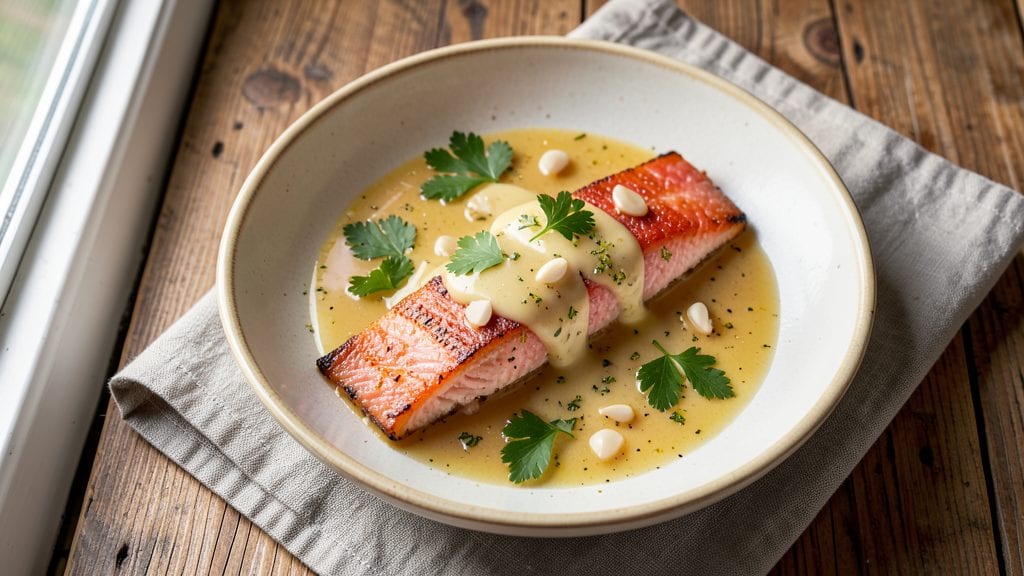
This American red snapper recipe delivers restaurant-quality results with a lemon-butter crust and secrets to achieving crispy skin that separates the amateurs from the pros. After years of perfecting this coastal classic, I’ve cracked the code for tender, flaky flesh with a golden, crackling exterior—no fancy equipment required.
The key lies in a precise balance of heat, timing, and a simple yet transformative technique that elevates this mild, white fish into a showstopper.
The foundation of this recipe is Southern coastal tradition—where red snapper is celebrated for its delicate flavor and versatility. We’ll start with a foolproof cleaning method to ensure your fillets are pristine, then build flavor with a herb-infused butter that melts into every bite.
The lemon not only brightens the dish but also acts as a natural tenderizer, ensuring the fish stays moist while the skin achieves that shatteringly crisp texture. This method works equally well for baking, pan-searing, or even grilling over charcoal for a smoky twist.
What you’ll end up with is a perfectly plated dish that’s elegant enough for a dinner party yet simple enough for a weeknight supper. The golden crust contrasts beautifully against the snow-white, flaky flesh, while the lemon-butter sauce ties everything together with a tangy, aromatic finish.
Serve it with steamed asparagus, a crisp green salad, or buttery corn on the cob to complement the dish’s natural brightness. The result? A meal that feels like a coastal escape without leaving your kitchen.
Whether you’re cooking for two or a crowd, this recipe scales effortlessly while maintaining its restaurant-quality standards. The technique is repeatable, the flavors are bold yet balanced, and the presentation is undeniably impressive.
Ready to master the art of crispy red snapper? Let’s get started—your taste buds (and dinner guests) will thank you.
Ingredients for american red snapper
Coastal tradition meets precision technique—these ingredients unlock restaurant-quality crispy red snapper every time.
| Ingredient | Amount | Notes |
|---|---|---|
| Red Snapper Fillets 🐟 | 4 whole | Skin-on, 6-8 oz each, patted dry |
| Unsalted Butter 🧈 | ½ cup | Cold, cut into 8 pieces |
| Lemon Zest 🍋 | 1 tbsp | From 1 organic lemon |
| Fresh Lemon Juice 🍋 | 2 tbsp | From same lemon |
| Garlic Cloves 🧄 | 4 cloves | Thinly sliced, peeled |
| Fresh Parsley 🌿 | ¼ cup | Finely chopped, stems removed |
| Fresh Thyme Leaves 🌿 | ¼ cup | From 5 sprigs, finely chopped |
| Diamond Crystal Kosher Salt 🧂 | 1 ½ tsp | Fine grain for even coating |
| Ground Black Pepper 🌶️ | ½ tsp | Freshly cracked |
| Extra-Virgin Olive Oil 🫒 | 2 tbsp | For oiling baking sheet |
| All-Purpose Flour 🌾 | ¼ cup | For dredging fillets |
| Cornstarch 🌾 | 2 tbsp | For extra crispiness |
| Panko Breadcrumbs 🍞 | ¼ cup | For final texture layer |
The red snapper fillets are the heart of this dish, so prioritize quality. Local seafood markets or reputable grocery stores like Whole Foods carry the freshest cuts—look for fillets with vibrant color and minimal bruising. If buying frozen, opt for individually quick-frozen (IQF) fillets to preserve texture. The skin must remain intact for that coveted crisp, so handle with care. For optimal results, purchase fillets the day you plan to cook; freshness is non-negotiable for achieving that shatteringly crisp exterior. When selecting your butter, choose European-style unsalted for higher fat content—it's what professional chefs rely on for that golden crust.
Substitutions can work, but with caveats. Swap the lemon zest for bottled lemon juice at half the amount, though you'll lose the aromatic oils. Fresh herbs? Dried thyme at one-third the quantity suffices, but parsley's bright flavor is harder to replicate. Running low on panko? Regular breadcrumbs toasted in a dry pan will mimic the texture. For the flour, cornstarch creates more crisp—use it alone if you prefer. The olive oil can be swapped for avocado oil, which has a higher smoke point. And if you're grilling instead of baking, increase the butter to 1/3 cup total to compensate for heat loss.
Prep is where the magic happens. Pat the fillets extremely dry with paper towels—this step cannot be skipped. The butter mixture should be cold and pliable, not melted; if it softens too quickly, refrigerate it briefly. Store the herb butter in an airtight container with parchment between layers for up to 3 days. The flour-cornstarch-panko blend keeps indefinitely in a sealed container. For leftovers, the crispy skin will soften but the flesh remains tender—reheat gently in a 350°F oven for 5-7 minutes to restore some crunch. This dish reheats beautifully, making it perfect for meal prep.
Why You'll Love This Recipe
- Minimal Ingredient Hunt: I swear by this recipe because my pantry already has everything. Butter, garlic, lemon—no obscure spices or last-minute grocery runs. The snapper’s the star, and that’s it.
- Butter-Garlic Magic: The moment that rich butter melts into the pan with minced garlic? Pure satisfaction. The snapper soaks up the flavor while staying tender, and that bright lemon finish cuts through the richness like a breath of fresh air.
- Weeknight Crowd-Pleaser: Between us, this feeds four without breaking the bank, and it’s the one dish my picky eaters actually finish. Serve it with rice or crusty bread, and suddenly you’re hosting a dinner party—no one will guess it took less than 30 minutes.
- Leftovers That Don’t Suffer: I make a double batch on Sundays, and the second night is just as good. The butter keeps it moist, and reheating it in a skillet with a squeeze of lemon? It’s like eating it fresh all over again. (Yes, even on a Tuesday night.)
Step-by-step instructions for lemon-butter crispy red snapper
Master the technique for perfectly crispy skin and tender fillets with this foolproof method.
Prepare the Lemon-Butter Crust
In a small bowl, combine the 0.5 cup unsalted butter with the 1 tablespoon lemon zest and 2 tablespoons fresh lemon juice. Use a fork to mash the butter into a smooth paste, incorporating the citrus oils completely. This mixture will form the flavorful crust that ensures crispiness while keeping the fish moist.
Transfer the butter mixture to a plate and refrigerate until firm but still pliable—about 15 minutes. The cold butter will help create a stable crust that adheres perfectly to the snapper fillets. Meanwhile, finely chop the 0.25 cup fresh parsley and 0.25 cup fresh thyme leaves, setting them aside for later.
Create the Crispy Coating
In a shallow dish, whisk together the 0.25 cup all-purpose flour, 2 tablespoons cornstarch, 1.5 teaspoons diamond crystal kosher salt, and 0.5 teaspoon ground black pepper. The cornstarch is key—it creates an extra-crispy texture that regular flour alone can't achieve. Add the chopped herbs to this mixture and stir well to distribute evenly.
In another shallow dish, place the 0.25 cup panko breadcrumbs. This layer will add a delicate crunch that contrasts beautifully with the buttery crust. Arrange the fillets on a wire rack set over a baking sheet to ensure even drying before coating. This step is critical for adhesion—pat the skin side of each fillet dry with paper towels to remove any moisture that would prevent crisping.
Assemble and Chill the Fillets
Take one fillet and press it skin-side down into the flour mixture, coating both sides completely. Lift it carefully and press it into the panko breadcrumbs, ensuring full coverage. Repeat with the remaining fillets, working quickly to maintain even coating. Place each breaded fillet on the prepared rack, skin-side up.
Spoon the chilled lemon-butter mixture onto the skin side of each fillet, spreading it evenly to cover about half the surface area. Press gently to adhere, then transfer the rack to the refrigerator for 20 minutes. This chilling step is non-negotiable—it allows the butter to firm up and creates a stable crust that won't slide off during cooking.
Cook to Crispy Perfection
Preheat your oven to 425°F. Line a baking sheet with parchment paper and lightly brush it with 2 tablespoons extra-virgin olive oil to prevent sticking. Arrange the chilled fillets on the prepared sheet, skin-side down. Bake for 12-14 minutes until the skin is deep golden brown and crispy to the touch, while the flesh remains just opaque in the center.
For the final touch, transfer the fillets to a serving platter and broil for 1-2 minutes on high heat, watching closely to prevent burning. The broiler will intensify the color and crispiness of the skin while keeping the fish tender. Serve immediately with the remaining lemon-butter mixture spooned over the top for maximum flavor impact.
Rest and Serve
Let the fillets rest for 2-3 minutes before serving. This brief resting period allows the juices to redistribute, ensuring each bite is moist and flavorful. The crispy skin should hold its structure while the flesh remains delicate and flaky. Garnish with additional chopped herbs if desired, and serve with lemon wedges for squeezing over the top.
This method delivers the perfect balance of textures—crispy, golden skin that gives way to tender, buttery flesh infused with bright citrus notes. The secret lies in the precise timing of chilling and baking, along with the strategic use of cornstarch and panko for that coveted crunch.
Pro Tips For Making American Red Snapper
- PAT THE FISH DRY: Snapper stays moist but flops without a crisp edge—wipe the fillets thoroughly with paper towels before searing. I used to skip this and ended up with sad, greasy fish; now the butter clings and browns like it should.
- MELT BUTTER FIRST: Cold butter in the pan = uneven cooking. Melt 1 tablespoon over medium heat until it foams, then add the fillets. This guarantees a silky sauce instead of a butter bath that never emulsifies.
- ZEST THEN JUICE: Toss the lemon zest into the pan before the fish hits the heat—it blooms flavor instantly. Add the juice only at the end, or you’ll end up with a bitter, watered-down sauce. Trust me, the timing matters.
- DON’T OVERCROW THE PAN: Snapper cooks in 3–4 minutes per side. If you pile them on, the middle fillets steam instead of sear. Work in batches—yes, it’s an extra minute, but the difference in texture is night and day.
Essential equipment for this recipe
Oven Essentials
The 425°F oven is your best friend for achieving that perfect golden crust. I recommend using a convection oven if available—it circulates heat more evenly, ensuring consistent crispiness across all fillets.
For non-convection ovens, position the rack in the middle position to avoid hot spots. A digital thermometer like the Thermoworks Thermapen ensures your oven is truly at temperature before baking. 🌡️
For baking sheets, I swear by half-sheet pans with perforated edges from Chicago Metallic—they distribute heat perfectly and prevent warping. Line them with parchment paper to avoid sticking, but leave the edges bare so the butter doesn't pool underneath.
If you don't have parchment, a light coating of avocado oil works in a pinch. Pro tip: Preheat your oven for 15 minutes before baking to ensure even cooking.
Pan-Searing Tools
If you prefer pan-searing, a 12-inch cast-iron skillet like the Lodge Pre-Seasoned is my go-to. Its heavy gauge construction retains heat perfectly, while the natural seasoning prevents sticking.
For extra crispiness, I use a fish spatula with a silicone edge (like the OXO Good Grips) to gently press the fillets without tearing the skin. A kitchen torch can also finish the skin in 30 seconds for a restaurant-worthy sheen.
For the butter mixture, I recommend using a small offset spatula to spread it evenly on the fillets. A mini food processor (like the Cuisinart Mini-Chopper) speeds up herb chopping, but a sharp knife works just as well.
Keep a small bowl of ice water nearby to chill your tools between uses—this helps maintain the butter's firmness during assembly. 💡
Cooling & Prep Gear
A wire cooling rack is non-negotiable for this recipe. I use a stainless steel rack from Norpro that fits directly over a baking sheet—it allows air to circulate underneath, preventing soggy bottoms.
For chilling the fillets, I place the rack on top of a large baking sheet in the fridge to catch any butter drips. A timer (I use my iPhone alarm) ensures you don't over-chill the butter.
For storage, I keep the herb butter in a small glass jar with a silicone lid (like Le Parfait jars) in the fridge for up to 3 days. The flour-cornstarch blend stays fresh in a resealable plastic bag with a paper towel to absorb moisture.
A fine-mesh sieve helps sift the flour mixture smoothly for even coating. 🧂
Broiler Finishing
If you're using the broiler for that final crisp, position the oven rack 3-4 inches from the heat source. A heat-resistant spatula (like OXO's Good Grips) helps transfer fillets safely. Watch closely—broilers can go from perfect to burnt in seconds.
I keep a small bowl of water nearby to dampen a kitchen towel for quick cooling if needed. For extra safety, I use oven mitts rated for 500°F when handling hot pans.
For serving, I use a wooden fish platter (like Williams Sonoma's) to elevate the dish naturally. A small squeeze bottle (like Misto) makes it easy to drizzle the lemon-butter sauce artistically.
For garnishes, a pair of sharp scissors trims herbs cleanly, while a microplane adds fresh zest at the table. 🍋
Nutrition facts
Frequently asked questions
Can I substitute red snapper with another white fish?
This recipe works beautifully with sea bass, branzino, or mahi-mahi fillets. Stick to similar-sized pieces with skin for best results. For delicate fish like cod, reduce baking time by 1-2 minutes to prevent overcooking. The lemon-butter technique adapts well to most firm white fish.
Why is my snapper skin not crispy?
Crispy skin requires three critical steps: bone-dry fillets, cold butter mixture, and proper oven temperature. Skip the paper towel drying? Moisture prevents crisping. Use warm butter? It'll melt before browning. Always bake at 425°F and avoid overcrowding the pan. For extra crunch, broil for 30 seconds at the end.
How do I clean red snapper fillets properly?
Rinse fillets under cold water, then pat completely dry. Use a fish scaler or dull knife to remove scales in one motion, working from tail to head. Trim any dark muscle tissue along the belly. For extra freshness, soak fillets in iced water with lemon slices for 10 minutes before cooking. This removes surface impurities while keeping them moist.
Can I make this ahead of time?
Prep the lemon-butter mixture and herb coating up to 2 days ahead—store separately in airtight containers. For the fillets, bread them and refrigerate on a rack for 4 hours max (butter may soften). Cook immediately after chilling. Leftover cooked snapper reheats best in a 350°F oven for 5 minutes—the skin will soften slightly but remains flavorful.
What wine pairs best with this dish?
A crisp Sauvignon Blanc (New Zealand or Loire Valley) complements the citrus notes perfectly. For red wine lovers, try a light Pinot Noir (Oregon or Burgundy) to balance the butter without overpowering. Sparkling options? A chilled Prosecco adds refreshing contrast. Always serve white wines slightly chilled (45-50°F).