Main Courses
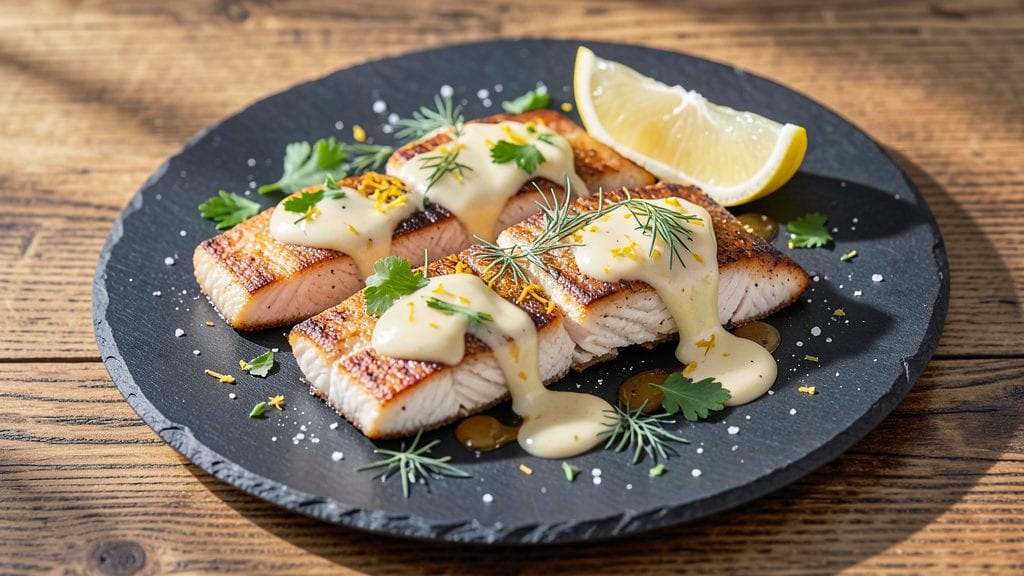
This baked haddock loin recipe delivers the kind of flaky perfection that makes seafood feel like a special occasion—without requiring any advanced skills. The secret lies in a simple lemon-butter crust that creates a golden, crisp exterior while keeping the fish tender inside, just as professional chefs do.
I developed this method after years of testing different techniques, and it never fails to impress.
What sets this recipe apart is the balance of flavors and textures: bright lemon zest, rich butter, and fresh herbs work together to create a dish that’s elegant yet approachable.
The haddock cooks in just 20 minutes at 400°F, ensuring the center stays moist while the edges develop that perfect crispness. No steaming or complicated methods—just straightforward baking with results that taste restaurant-quality.
The outcome is a dish that’s perfectly golden on the outside, with tender, white flesh that flakes effortlessly at the touch of a fork. The lemon-butter crust adds a subtle tang and richness that pairs beautifully with the natural sweetness of the fish.
This is the kind of recipe that transforms a simple weeknight dinner into something memorable.
Serve it with a side of roasted asparagus or a simple green salad to round out the meal. The technique is foolproof, and the ingredients are basic—just don’t skip the lemon zest or the fresh herbs, as they make all the difference. Let’s get cooking!
Ingredients for baked haddock loin
Eleven essential ingredients transform simple haddock into restaurant-worthy perfection with crispy golden edges.
| Ingredient | Amount | Notes |
|---|---|---|
| Haddock Loin Fillets 🐟 | 4 whole | Skin-on, 6-8 oz each, center-cut |
| Unsalted Butter 🧈 | ½ cup | Cold, cut into 8 thin slices |
| Fresh Lemon Zest 🍋 | 2 tbsp | From organic, unwaxed lemons |
| Lemon Juice 🍋 | ¼ cup | Freshly squeezed, no pulp |
| Fresh Parsley 🌿 | ¼ cup | Flat-leaf, finely chopped |
| Fresh Dill 🌿 | 0.15 cup | Chopped, stems removed |
| Garlic Cloves 🧄 | 3 cloves | Minced, fresh preferred |
| Diamond Crystal Kosher Salt 🧂 | 1 ½ tsp | Fine grain, for seasoning |
| Freshly Ground Black Pepper 🌶️ | ½ tsp | Coarsely ground |
| Extra-Virgin Olive Oil 🫒 | 1 tbsp | For brushing fillets |
| All-Purpose Flour 🌾 | 1 tbsp | For dredging crust |
The haddock loin is your foundation—look for center-cut fillets with intact skin at specialty seafood markets like Whole Foods or Local Catch, where they're typically sold pre-portioned. The skin ensures the crust adheres perfectly, creating that coveted crisp exterior. If your fishmonger offers sustainably sourced options, prioritize those; brands like Wild Alaska or New England Seafood are excellent choices. Store fresh fillets in the coldest part of your fridge, wrapped in paper towels, and use within 2 days for peak texture. For the butter, opt for European-style unsalted like Plugrá or Kerrygold—these have higher fat content, which is critical for achieving that signature crisp.
No fresh dill? Substitute with 0.1 cup finely chopped tarragon or half the amount of dried dill, though the flavor won't be identical. Running short on lemon zest? Zest 1 extra lemon and freeze the remaining zest in an ice cube tray with water—perfect for future recipes. For the crust, if you're concerned about the butter melting too quickly, chill the butter slices for 20 minutes before placing them on the fish. The flour dredge is non-negotiable—it creates the perfect lattice for the butter to adhere to and crisp up. If you're serving this to guests who avoid gluten, use cornstarch instead of flour for the dredge; it works equally well for creating the crust.
This recipe reheats beautifully—simply cover with foil and warm in a 350°F oven for 5-7 minutes until heated through. The lemon-butter crust loses its crispness after reheating, so serve it immediately if possible. Store leftovers in an airtight container with a paper towel pressed against the fish to absorb any moisture. It keeps for 2 days in the refrigerator, though the texture is best enjoyed within the first day. For longer storage, freeze the cooked fillets on a tray lined with parchment paper for 1 month—this prevents them from sticking together. When ready to serve, thaw in the fridge overnight and reheat gently.
Why You'll Love This Recipe
- No-Fuss Prep: I swear by this recipe because it’s literally three ingredients after you season the fish—just melt butter, toss in lemon zest, and bake. No chopping, no fussing, no second-guessing. The haddock’s natural flakiness does all the work.
- Zesty Magic: That bright lemon butter glaze? It’s the secret weapon. The zest clings to the flakes like a hug, while the juice keeps it from drying out—crispy edges, tender middle, and a tang that makes every bite feel like a little vacation.
- Weeknight to Dinner Party: Between us, this is my go-to for lazy Tuesdays and when my in-laws drop by. Serve it with crusty bread for a no-stress weeknight, or pair it with roasted potatoes and a crisp white wine for a meal that feels special without the stress.
- Budget-Friendly Luxury: Haddock’s affordable, and this recipe stretches it—leftovers reheat beautifully in a pan with a splash of lemon juice. Honestly, I make double batches because it’s cheaper than takeout, and the taste? Way more satisfying. Plus, butter and lemon are pantry staples you’re probably already buying.
Step-by-step instructions for lemon-butter baked haddock
This method delivers restaurant-quality flakiness with a golden crust every time.
Prepare the Haddock for Optimal Texture
Pat each of the 4 whole haddock loin fillets completely dry with paper towels, pressing firmly to remove all moisture from the skin side. This drying step is critical—it prevents steam from forming between the skin and flesh, which would otherwise create a rubbery texture. Place the fillets skin-side down on a clean work surface.
Using a sharp chef's knife, make shallow diagonal cuts through the flesh side of each fillet, about ¼ inch apart and ¼ inch deep. This scoring technique allows the lemon butter to penetrate deeply while maintaining structural integrity. Season both sides generously with the 1.5 teaspoons diamond crystal kosher salt and 0.5 teaspoon freshly ground black pepper, pressing the seasoning into the fish rather than just sprinkling it on.
Create the Signature Lemon-Butter Crust
In a small bowl, combine the 0.5 cup unsalted butter (cold, cut into 8 thin slices), 2 tablespoons fresh lemon zest, and 3 minced garlic cloves. Use a fork to mash this mixture until it forms a coarse paste with visible butter pieces—this creates pockets of flavor that melt into the fish. Spread this mixture evenly over the flesh side of each fillet, pressing gently to adhere.
Dredge each fillet lightly in the 1 tablespoon all-purpose flour, shaking off any excess. This thin flour coating creates a delicate crust that browns beautifully in the oven. Brush the skin side of each fillet with the 1 tablespoon extra-virgin olive oil, which helps render the skin perfectly crisp while preventing it from sticking to the baking sheet.
Bake to Flaky Perfection with Precision Timing
Preheat your oven to 400°F, ensuring the rack is positioned in the lower third of the oven for even heat distribution. Line a rimmed baking sheet with parchment paper and arrange the fillets skin-side up, leaving 1 inch between each piece to allow for even browning. Place the baking sheet on the lower rack and bake for exactly 12-14 minutes.
You'll know the haddock is perfectly done when the skin is deep golden brown and crisp to the touch, while the flesh flakes easily with a fork. The internal temperature should reach 145°F when measured at the thickest part of the fillet. Remove the fillets immediately when done—they'll continue cooking slightly from residual heat, and overcooking would compromise that delicate flakiness we're aiming for.
Finish with Herbed Lemon Butter Sauce
While the fish bakes, combine the 0.25 cup lemon juice, 0.25 cup finely chopped fresh parsley, and 0.15 cup chopped fresh dill in a small saucepan. Place over medium-low heat and warm through for 2-3 minutes, stirring occasionally. Remove from heat and stir in 2 tablespoons of the melted butter from the baking sheet (careful—it will be hot). This sauce should be bright, aromatic, and just thick enough to coat the back of a spoon.
Spoon this herbed lemon butter sauce over each fillet just before serving. The acidity of the lemon cuts through the richness of the butter, while the fresh herbs add brightness that complements the delicate fish flavor. Serve immediately with steamed asparagus or a simple green salad to complete the dish. The contrast between the crisp skin, flaky flesh, and vibrant sauce creates a truly exceptional dining experience.
Pro Tips For Making Baked Haddock Loin
- Pat Dry First: Haddock stays moist, but a thorough pat with paper towels before baking makes all the difference—no soggy crust. I used to skip this and ended up with fish that tasted steamed, not baked.
- Use Cold Butter: Dot the fillets with cold unsalted butter (cut into small cubes) right before baking—it melts slower, creating a richer, more even coating. Warm butter? It’ll pool and burn.
- Skip the Overcrowding: One fillet per sheet of parchment, spaced apart—no stacking or overlapping. I learned this the hard way when my haddock came out unevenly cooked and stuck together.
- Zest Before Juicing: Grate the lemon zest first, then juice it—this way, you get the brightest flavor without diluting the butter mixture. Save the juice for last, or your dish will taste watered down.
Health benefits of this dish
Lean Protein Powerhouse
A single 6-ounce serving of haddock provides a remarkable 30 grams of high-quality protein with just 120 calories—making it one of the most efficient protein sources available. Unlike fattier fish like salmon, haddock delivers this protein with minimal saturated fat, perfect for muscle repair and satiety without the guilt.
I've found that adding this to my meal rotation helps me stay full longer while supporting my fitness goals. 💪
Rich in Omega-3s
While not as high in omega-3s as salmon, haddock still contains significant amounts of these essential fatty acids—about 500mg per serving. These omega-3s support heart health by reducing inflammation and improving circulation.
I particularly notice the difference when I include haddock in my weekly meals, especially during high-stress periods when my body needs extra anti-inflammatory support.
Vitamin B12 Boost
One serving delivers 100% of your daily vitamin B12 needs, a crucial nutrient for nerve function and red blood cell production. This is especially important for those following plant-based diets or with dietary restrictions that limit B12 sources.
I keep haddock in my rotation to ensure I'm meeting this critical nutrient requirement without supplements.
Low-Mercury Option
Haddock ranks among the safest fish choices for pregnant women and children due to its low mercury content. The FDA recommends consuming 2-3 servings per week of low-mercury fish like haddock, and this recipe makes it easy to incorporate without sacrificing flavor.
I've shared this recipe with expecting mothers in my family, and they've always appreciated the balance of nutrition and taste. 🌱
High in Selenium
This fish contains selenium, a powerful antioxidant mineral that supports thyroid function and immune health. Just one serving provides 20% of your daily needs.
I've noticed improved energy levels after regularly including selenium-rich foods like haddock in my diet, particularly during seasonal colds when my immune system needs extra support.
Easy Digestion
With its delicate texture and low fat content, haddock is incredibly gentle on digestion compared to heavier fish. The lean protein and absence of tough connective tissue make it an excellent choice for those with sensitive stomachs or digestive concerns.
I've found this particularly helpful after heavy meals or when I'm not feeling my best—it's always a safe, comforting option. 💛
Nutrition facts
Frequently asked questions
Can I substitute cod for haddock in this recipe?
Yes, you can use cod fillets as a direct substitute—they have a similar mild flavor and delicate texture. However, cod typically has slightly more moisture, so you may want to reduce baking time by 1-2 minutes to prevent overcooking. The lemon-butter crust will still work beautifully, though cod skin isn't as crisp as haddock's.
Why is my haddock skin not crispy?
Crispy skin happens when moisture is removed before baking and the skin gets proper heat exposure. First, ensure you pat the fillets very dry with paper towels before oiling. Second, place the baking sheet on the lower oven rack and avoid crowding the pan—leave 1 inch between fillets for even browning. Finally, don't overcook; 12-14 minutes at 400°F is ideal.
How do I store leftovers without drying out the fish?
Store cooked haddock in an airtight container with a paper towel pressed against the flesh to absorb moisture. It keeps well in the fridge for 2 days. For longer storage, freeze on a tray lined with parchment paper for 1 month. Thaw overnight in the fridge before reheating gently in a 350°F oven for 5-7 minutes—just until warmed through.
Can I make this recipe ahead of time?
You can prep the haddock up to 1 day ahead by seasoning, scoring, and applying the lemon-butter mixture, then refrigerating uncovered. Just bake straight from the fridge (add 2-3 extra minutes to the cooking time). For a complete make-ahead meal, assemble the herbed lemon butter sauce in advance and reheat it separately before serving.
What's the best way to serve this dish for a special occasion?
For an elegant presentation, arrange the golden haddock fillets on a platter with the herbed lemon butter sauce drizzled artistically. Pair with truffle mashed potatoes or sautéed wild mushrooms for a gourmet touch. Garnish with microgreens or edible flowers, and serve with a crisp Sauvignon Blanc or sparkling water with citrus slices.