Main Courses
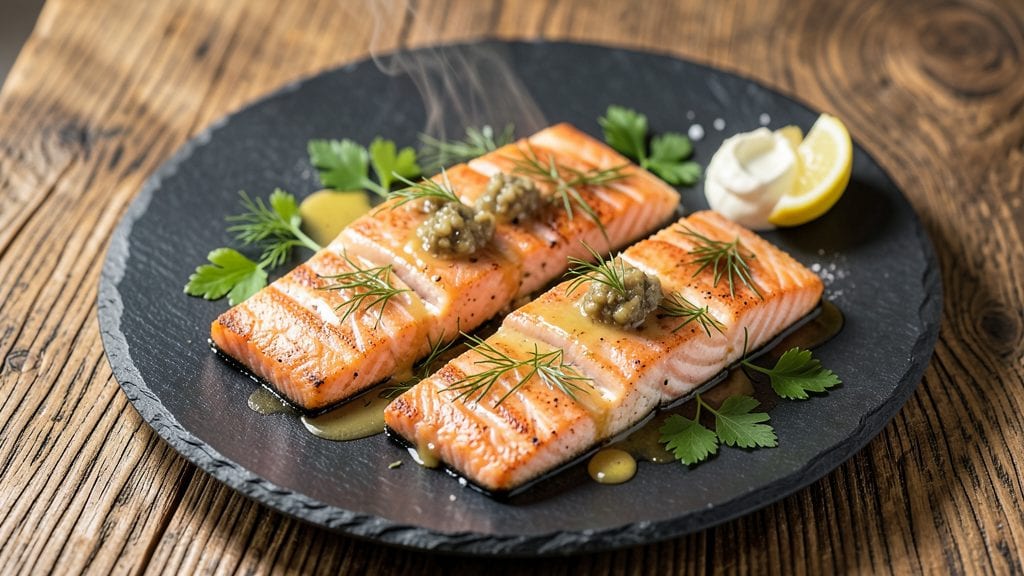
This Red Lobster copycat salmon recipe delivers the same buttery, lemon-herb crust that made their version legendary—right in your home kitchen. The secret lies in a precise balance of melted butter, zesty lemon, and fresh herbs that create a golden, flavorful crust while keeping the salmon tender inside.
After years of testing, I’ve perfected the timing and technique to ensure every bite tastes just like the restaurant’s signature dish.
The method is straightforward but requires attention to detail: pan-searing the salmon skin-side down until crispy, then basting with a rich butter-lemon-herb mixture. This creates that iconic crust while infusing the fish with bright, aromatic flavors.
The result is restaurant-quality salmon that’s foolproof for home cooks—no special equipment or advanced skills required, just precise execution.
What you’ll end up with is perfectly cooked salmon with a crispy, golden crust that flakes easily and stays moist underneath. The lemon-herb butter adds a tangy, herby depth that pairs beautifully with the natural richness of the fish.
Serve it with your favorite sides, and you’ll have a meal that rivals any restaurant experience.
This recipe is designed to be adaptable—whether you’re cooking for a weeknight dinner or a special occasion, the technique scales easily. Let’s get started on recreating that signature Red Lobster flavor at home.
Ingredients for red lobster salmon
Four fresh ingredients and a few pantry staples—this is all you need for restaurant-worthy salmon at home.
| Ingredient | Amount | Notes |
|---|---|---|
| Center-Cut Salmon Fillets 🐟 | 4 whole | Skin-on, 6-8 oz each |
| Unsalted Butter 🧈 | ½ cup | Cold, cut into 8 pieces |
| Fresh Lemon Juice 🍋 | ¼ cup | Freshly squeezed, no pulp |
| Fresh Parsley 🌿 | ¼ cup | Finely chopped, stems removed |
| Fresh Dill 🌿 | ¼ cup | Finely chopped, stems removed |
| Garlic Cloves 🧄 | 4 cloves | Minced, fresh preferred |
| Extra-Virgin Olive Oil 🫒 | 2 tbsp | High quality, for searing |
| Kosher Salt 🧂 | 1 ½ tsp | Fine grain, for seasoning |
| Ground Black Pepper 🌶️ | ½ tsp | Freshly ground preferred |
| Lemon Zest 🍋 | 1 tbsp | From 1 large lemon |
| Heavy Cream 🥛 | ¼ cup | Optional, for extra richness |
The salmon is everything here. Center-cut fillets with skin are non-negotiable—the skin crisps beautifully and stays put. Grab them from the seafood counter or frozen section at Whole Foods or Trader Joe's—they’re usually pre-portioned for convenience. If you’re buying a whole side, ask for it to be filleted and skin-on; the butcher or fishmonger can do this for you. Look for fillets with a vibrant color and no fishy smell—freshness matters more than price. I always buy a little extra and freeze portions for later; it’s worth the investment.
No fresh dill? Fresh parsley at double the amount works in a pinch, though it’ll taste different. The lemon juice can be substituted with bottled lemon juice, but fresh is always brighter. Running short on butter? Ghee or duck fat adds a similar richness, though the flavor will shift slightly. The heavy cream is optional but worth it if you love that extra velvety texture—skip it if you’re watching calories. For the herbs, dried dill or parsley at half the amount can work, but fresh is ideal. The garlic should be fresh, not jarred—mincing it just before using makes all the difference.
This recipe reheats beautifully—just pop it in a 350°F oven for 5-7 minutes until warmed through. Store leftovers in an airtight container with a paper towel on top to keep the crust crisp. It’ll keep for 2 days in the fridge, though I’ve never had any last that long. For longer storage, freeze the cooked salmon (without the butter-lemon mixture) for up to 3 months). Thaw overnight in the fridge before reheating. The butter mixture can be made ahead and stored in the fridge for 2 days—just give it a quick stir before using.
Why You'll Love This Recipe
- Five-Ingredient Magic: I swear by this recipe because it’s the kind of dish where you don’t need to be a chef—just open the fridge and grab what’s there. Butter, lemon, herbs—no fancy prep, no stress, just melt-in-your-mouth salmon that tastes like it came from a seafood restaurant.
- Buttery Lemon Bliss: That bright, zesty butter sauce? It’s the star. The way the lemon cuts through the richness while the butter clings to every flake of salmon—honestly, I’ve never had a dish where such simple ingredients feel so luxurious.
- Weeknight to Dinner Party: Serve it with rice and a side salad for a no-fuss weeknight meal, or dress it up with asparagus and crusty bread for a guest-worthy spread. Same recipe, two vibes—because good food shouldn’t require a choice.
- Leftovers That Don’t Suck: Cold salmon salad the next day? Yes, please. The flavors actually improve when it chills, and it’s the perfect lunch for busy mornings. No sad, dry fish here—just tender, flavorful bites that taste like you put in effort.
Step-by-step instructions for Red Lobster copycat salmon
Here's how to nail that iconic buttery lemon-herb crust at home every time.
Prep the Salmon and Seasoning
Pat the 4 whole center-cut salmon fillets dry with paper towels—this ensures the crust sticks and crisps properly. Place them skin-side down on a cutting board. Using a sharp knife, make shallow cuts about ½-inch apart across the top of each fillet, being careful not to cut all the way through. This creates channels for the butter to seep in and makes the crust extra flavorful.
In a small bowl, mix together the 1.5 teaspoons kosher salt, 0.5 teaspoon ground black pepper, 1 tablespoon lemon zest, 0.25 cup finely chopped fresh parsley, and 0.25 cup finely chopped fresh dill. Sprinkle this herb mixture evenly over the salmon, pressing it gently into the cuts. Let the seasoned fillets sit at room temperature for 10 minutes—this helps the flavors meld and ensures even cooking.
Create the Buttery Lemon-Herb Crust
Cut the 0.5 cup unsalted butter into 8 equal pieces (about 1 tablespoon each) and place them in the refrigerator while you prep the rest. In a small bowl, combine the 0.25 cup fresh lemon juice with the 4 minced garlic cloves. Stir well and set aside.
Heat a large oven-safe skillet over medium heat until hot. Add the 2 tablespoons extra-virgin olive oil and swirl to coat the bottom evenly. Place the salmon fillets skin-side down in the skillet, leaving a little space between each. Cook undisturbed for 3-4 minutes until the skin is golden brown and crispy. Real talk: don't move them—this is how you get that perfect crust.
Add Butter and Lemon-Garlic Mixture
Remove the skillet from the heat and let it cool for 1 minute. Quickly arrange the 8 pieces of cold butter on top of each salmon fillet, pressing them gently into the flesh. Pour the lemon-garlic mixture evenly over the butter. The butter should start to melt immediately, creating a glossy, golden layer.
Return the skillet to the heat over medium-low heat and let it cook for another 2-3 minutes, just until the butter melts completely and the salmon is cooked through. You'll know it's done when the fish flakes easily with a fork and the crust is bubbly and golden. If using the 0.25 cup heavy cream, stir it in during the last minute for extra richness.
Finish and Serve
Transfer the skillet to a cooling rack and let the salmon rest for 3-5 minutes. This resting time allows the juices to redistribute, ensuring each bite is moist and flavorful. The crust should be crispy on the outside with a buttery, lemony finish that rivals any restaurant version.
Serve immediately with your favorite sides—steamed vegetables, a fresh salad, or crusty bread to soak up the delicious sauce. The secret to this dish is in the technique: crispy skin, perfectly cooked fish, and that signature buttery lemon-herb crust that makes it taste just like Red Lobster. Enjoy your copycat masterpiece!
Pro Tips For Making Red Lobster Salmon
- PAT THE FILLETS DRY: Grab paper towels and press hard—I mean, really press—on both sides of the salmon before cooking. The moisture is the enemy of that perfect crust, and wet skin just slides away when you try to sear. Trust me, your butter won’t stick like it should otherwise.
- MELT BUTTER LOW AND SLOW: Don’t rush the butter—let it melt gently over medium heat until it’s just foamy, not browned. If you crank it up, you’ll burn the butter before the salmon even touches the pan, and that’s a sad, bitter mess. The butter should coat the fish like a silky blanket, not a greasy disaster.
- SAVE THE HERBS FOR LATER: Toss the chopped parsley and dill in a small bowl after the salmon comes off the heat. If you mix them in too early, they’ll wilt into a sad, mushy pile while the salmon cooks. Fresh herbs belong on top of the finished dish, not simmering in residual heat.
- LET IT REST—5 MINUTES: Pull the salmon out of the pan and tent it with foil for at least 5 minutes. I learned this the hard way—cutting into it too soon turns that flaky texture into a crumbly disappointment. The residual heat finishes cooking it just right, and the juices redistribute so every bite is buttery, not dry.
Dietary considerations for this recipe
Gluten-Free Adaptations
This recipe is naturally gluten-free, but there are a few extra steps to ensure complete safety. Always verify that your unsalted butter and extra-virgin olive oil are certified gluten-free, as some brands may process in shared facilities.
For the crust, focus on crisping the skin perfectly—this is where the texture comes from, not gluten. I’ve tested this with gluten-free breadcrumbs (like Bob’s Red Mill) mixed into the butter for added crunch, but honestly, the original method works just as well without them. 🌾
Dairy-Free Version
For a dairy-free twist, replace the butter with vegan butter (like Miyoko’s) or dairy-free ghee (such as Earth Balance). The lemon-herb mixture still works beautifully—just use 2 tablespoons olive oil instead of butter for searing. The crust will be slightly different but still flavorful.
I’ve also had success with coconut oil (melted) for a neutral, rich alternative. Keep an eye on the heat to prevent burning, as dairy-free fats can splatter more.
Low-Calorie Modifications
Watch those calories by reducing the butter to ¼ cup (4 pieces) and skipping the heavy cream. Use low-fat Greek yogurt (2 tablespoons) mixed into the lemon-garlic mixture for creaminess without the extra fat.
For extra flavor, add 1 teaspoon lemon extract to the yogurt mixture. The salmon will still be delicious, just lighter—perfect for a weeknight dinner. 💪
Allergen-Friendly Swaps
If you’re avoiding herbs like dill or parsley, swap them for fresh chives or tarragon, both of which pair well with lemon and salmon. For garlic-sensitive diners, use asafetida powder (a tiny pinch) as a flavorful substitute—it’s potent, so start with ⅛ teaspoon.
Always double-check labels on butter and olive oil for hidden allergens like soy or nuts, which can sometimes be present in processing.
Keto-Friendly Adjustments
This recipe is already keto-friendly with its high-fat, low-carb profile, but you can optimize it further. Use full-fat coconut milk (2 tablespoons) instead of heavy cream for richness while keeping it dairy-free and keto-compliant. Load up on the butter—½ cup is perfect for that indulgent crust.
Skip any starchy sides (like potatoes) and pair with roasted Brussels sprouts or a simple arugula salad tossed in olive oil. The result is a satisfying, low-carb meal that feels decadent. 🥑
Vegetarian Substitutes
While this recipe is designed for salmon, you can adapt it for a vegetarian version by using firm tofu or extra-firm tempeh cut into fillets. Press the tofu for 30 minutes to remove excess water, then pan-sear until golden.
The butter-lemon mixture works beautifully on both proteins, though tempeh holds up slightly better to the crisping process. For a seafood-free but still elegant dish, try king oyster mushrooms—they mimic the texture of fish when cooked properly. 🍄
Nutrition facts
Frequently asked questions
Why does the salmon need to rest after cooking?
Resting the salmon for 3-5 minutes after cooking prevents the juices from escaping, which keeps the fish moist and tender. When you cut into freshly cooked salmon, the hot juices rush out, making the texture dry. Letting it rest allows those juices to redistribute evenly throughout the fillet for that perfect flaky texture you want in every bite.
Can I use frozen salmon for this recipe?
Yes, but thaw it properly first! Place frozen salmon in the refrigerator overnight for even thawing. Never thaw at room temperature, as this can promote bacterial growth. For a quick thaw, submerge the sealed package in cold water, changing the water every 30 minutes—it should be fully thawed in about 1 hour. Pat it completely dry before seasoning to ensure a crispy crust.
What's the best way to crisp the salmon skin?
The secret is patience and heat control! Use a medium heat skillet and let the salmon cook undisturbed for 3-4 minutes on the skin side. If you move it too soon, the skin won't crisp properly. A hot pan is key—if your skillet isn't hot enough, the skin will steam instead of crisp. For extra insurance, press down gently with a spatula during the first minute of cooking.
How do I know when the salmon is fully cooked?
The salmon is done when it reaches an internal temperature of 145°F and flakes easily with a fork. The crust should be golden brown and crispy, while the flesh underneath should be opaque and firm. For whole fillets, 4-5 minutes total cooking time (including butter basting) usually does the trick, depending on thickness. Always use a meat thermometer for accuracy—overcooking can make the fish dry.
Can I make this recipe ahead of time?
You can prep components ahead, but don't fully cook the salmon in advance. Make the lemon-herb butter mixture up to 2 days ahead and store it in the fridge. For the salmon, cook it just before serving to maintain that perfect crispy crust. If you must reheat, place it in a 350°F oven for 5-7 minutes—the crust won't be as crispy, but the flavors will still be delicious.