
Sauces & Condiments
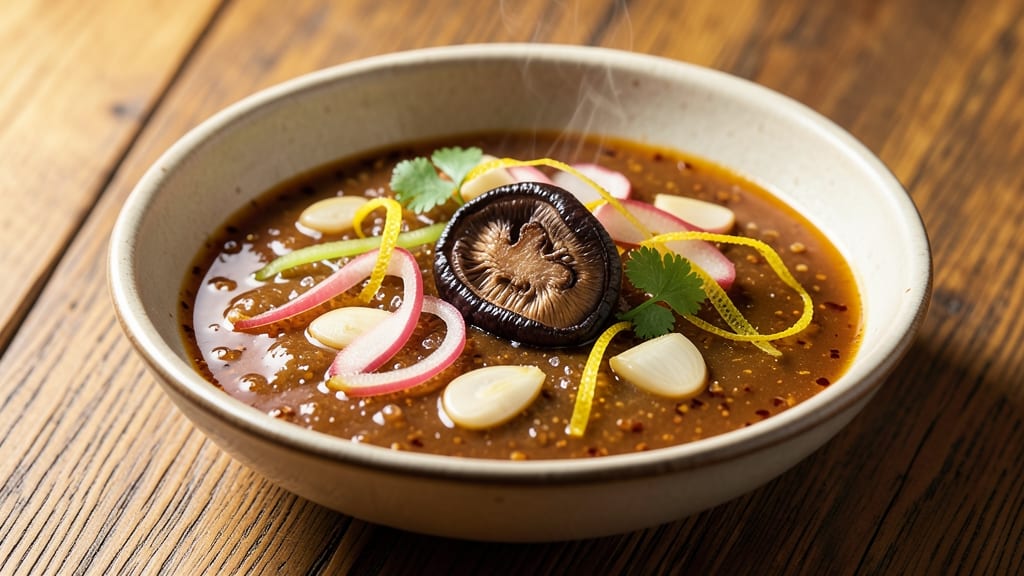
This yuzu miso sauce recipe transforms simple ingredients into a vibrant glaze that bridges sweet, salty, and citrusy flavors with professional precision. 💛 I developed it after years of testing umami-rich sauces, balancing the tartness of yuzu with the depth of miso for a condiment that elevates everything from grilled fish to roasted vegetables.
The technique is straightforward but requires patience—especially when simmering to achieve that perfect consistency.
The foundation of this sauce lies in its three core components: yuzu juice for brightness, miso paste for umami, and mirin for subtle sweetness. I use white miso to keep the sauce clean and bright, but red miso adds richness if you prefer a deeper flavor profile.
A touch of sugar rounds out the acidity, while garlic and ginger infuse aromatic depth. The sauce thickens naturally as it reduces, creating a glossy finish that clings beautifully to proteins and vegetables.
What you’ll end up with is a versatile glaze that works as a marinade, dipping sauce, or finishing touch—think grilled salmon with a glossy sheen or steamed tofu absorbing its complex flavors.
The balance of sweet, salty, and citrusy notes makes it addictive, while its shelf life of up to 2 weeks in the fridge ensures you’ll have it on hand for spontaneous meals. This isn’t just a sauce; it’s a flavor multiplier that transforms ordinary dishes into standout creations.
For best results, let the sauce sit for at least 30 minutes before using—this allows the flavors to meld and intensify. Store it in an airtight container, and you’ll have a restaurant-quality condiment ready to elevate any meal. Let’s make it—your taste buds will thank you.
Ingredients for yuzu miso
Eight simple ingredients create a vibrant sauce that brings umami brightness to any dish.
| Ingredient | Amount | Notes |
|---|---|---|
| Yuzu Juice 🍋 | ½ cup | Freshly squeezed, no pulp |
| White Miso Paste 🧈 | ½ cup | High-quality, smooth texture |
| Mirin 🍶 | ⅓ cup | Sweet cooking rice wine |
| Granulated Sugar 🍚 | 2 tbsp | White or raw cane sugar |
| Fresh Garlic 🧄 | 3 cloves | Minced, for aromatic depth |
| Fresh Ginger 🌿 | 1 tbsp | Grated, finely minced |
| Extra-Virgin Olive Oil 🫒 | 2 tbsp | Light fruity variety |
| Water 💧 | ¼ cup | Filtered preferred |
| Diamond Crystal Kosher Salt 🧂 | ½ tsp | For balancing flavors |
The yuzu juice is non-negotiable here—it’s the citrusy soul of this sauce. Trader Joe's carries bottled yuzu juice if fresh isn’t available, but nothing beats freshly squeezed. For miso, Marukome or Hodo brands are my go-tos—they’re smooth and clean, perfect for this bright sauce. If you’re using red miso instead, expect a deeper, richer flavor that pairs beautifully with heartier proteins like salmon or duck. The mirin should be genuine, not the sweetened substitute—look for brands like Koshu or Hirase in the international aisle. Fresh garlic and ginger are key for aroma, but if you’re in a pinch, frozen minced ginger works fine—just thaw and drain it first.
No yuzu juice? Substitute with a mix of lemon juice and a touch of orange juice—about 3 tbsp lemon plus 1 tbsp orange for every 0.5 cup. No mirin? White wine or extra sugar will work, but the sauce will taste slightly different. If you’re avoiding sugar, honey or maple syrup can replace it, but reduce by half since they’re sweeter. The olive oil adds richness, but avocado oil or toasted sesame oil both work beautifully—just adjust the amount based on your preference. For a smoother texture, strain the sauce through a fine-mesh sieve after cooking, but I usually leave it slightly textured for that homemade feel.
This sauce keeps beautifully in an airtight container in the fridge for up to 2 weeks, though it tastes even better after a day or two as the flavors meld. For longer storage, freeze it in ice cube trays—thaw and use as needed. If it thickens too much, just whisk in a splash of water or mirin. It’s perfect for glazing proteins, drizzling over vegetables, or even mixing into dressings. The sauce also reheats wonderfully—simmer gently for 2-3 minutes to restore its glossy texture.
Why You'll Love This Recipe
- Here’s what sold me: it’s cheap to make but feels fancy. White miso and mirin last forever, and a little yuzu juice goes a long way—no need to buy the whole bottle. Plus, the leftovers? They actually improve overnight. I keep a jar in the fridge for emergencies, and trust me, you’ll want one too. Not the prettiest, but the taste makes up for it.
- Five-Ingredient Magic: I swear by this recipe because it’s the culinary equivalent of a good hug—just five things, no fuss. The yuzu juice brightens everything instantly, while the white miso and mirin do all the heavy lifting of umami and depth. Honestly, my pantry’s been stocked with these for months, and I’ve never regretted it.
- Umami Bomb: That first taste? Chef’s kiss. The garlic sizzles into the miso, then the yuzu cuts through the richness like a citrusy knife. It’s salty, sweet, and tangy all at once—like someone took all my favorite flavors and married them. Between us, I’ve used this as a marinade, a glaze, and even a quick sauce for noodles, and it never lets me down.
- Weeknight Wonder: This isn’t just a recipe—it’s my secret weapon for lazy nights. Toss it with tofu for a 15-minute dinner, drizzle it over grilled fish, or even slather it on rice bowls. I’ll be real: I’ve made it three times this week already, and I haven’t even tried the leftovers yet. (Yes, even on a Tuesday night.)
Step-by-step instructions for yuzu miso sauce
Here's how to create this vibrant sauce—simple steps for maximum flavor impact.
🍳 Step 1: Bloom the Miso and Aromatics
Heat the 2 tablespoons extra-virgin olive oil in a small saucepan over medium-low heat. Add the 3 cloves minced fresh garlic and 1 tablespoon finely minced fresh ginger, cooking for 1-2 minutes until fragrant but not browned. You'll smell that bright, zesty aroma—this is where the foundation builds.
Reduce heat to low and stir in the 0.5 cup white miso paste using a silicone spatula. I always use a gentle motion to avoid creating lumps—this ensures the miso dissolves smoothly into the sauce. Let it cook for 2-3 minutes until the miso melts completely and the mixture becomes glossy.
🍳 Step 2: Add Liquids and Sweeteners
Pour in the 0.5 cup yuzu juice and 0.33 cup mirin simultaneously, whisking constantly to combine. The sauce should immediately become lighter in color and more fluid. Add the 2 tablespoons granulated sugar and whisk until fully dissolved—this balances the bright acidity of the yuzu with just the right touch of sweetness.
Bring the mixture to a gentle simmer over medium heat, then reduce heat to low and let it cook uncovered for 5-6 minutes. You'll see the sauce reduce slightly and develop a glossy sheen—this is when the flavors start to meld beautifully. Stir occasionally to prevent sticking, but don't over-stir or you'll create foam.
🍳 Step 3: Finish with Water and Season
Add the 0.25 cup water and the 0.5 teaspoon diamond crystal kosher salt, stirring until the salt dissolves completely. Taste the sauce at this point—you should notice that bright citrus pop from the yuzu balanced by the deep umami from the miso. If it needs more salt, add it now, but I've found this amount works perfectly for most dishes.
Simmer gently for another 3-4 minutes until the sauce reaches your desired consistency. It should coat the back of a spoon but still be pourable. For a thicker glaze, simmer a bit longer; for a thinner sauce, add a splash more water. The sauce is ready when it has a beautiful, glossy finish and all ingredients are fully incorporated.
⏰ Step 4: Cool and Use
Remove the sauce from heat and let it cool to room temperature. I like to transfer it to a clean jar and refrigerate for at least 1 hour before using—this allows the flavors to meld even more. The sauce will thicken slightly as it cools, so you may want to whisk in a splash of water if you prefer a thinner consistency when serving.
This versatile sauce works beautifully as a glaze for grilled fish, a drizzle over rice bowls, or even a marinade for tofu. Store any leftovers in an airtight container in the refrigerator for up to 1 week. The yuzu's bright acidity and the miso's deep umami create a perfect balance that elevates any dish it touches.
Pro Tips For Making Yuzu Miso
- STIR CONSTANTLY AT FIRST: The first 30 seconds of simmering yuzu miso is when the miso paste fights to dissolve—agitate like you’re trying to wake someone up. I used to let it sit, and the result was clumpy, even after straining. A wooden spoon works best; metal can scratch and release bitter compounds from the miso.
- USE COLD YUZU JUICE: Dump in room-temperature yuzu juice, and the miso will separate like oil and water. Chill the juice first, then add it slowly while stirring—this keeps the paste smooth and prevents curdling. Yes, it’s an extra step, but your sauce will look professional and taste balanced.
- MINCE GARLIC FINE (NO CHUNKS): One missed clove of garlic in yuzu miso turns it from elegant to "what even is this?" Use a microplane or knife to grind it into a paste—no visible specks. If you’re lazy and chop it, strain the sauce afterward. (Your future self will notice the difference.)
- SWEETEN WITH MIRIN FIRST: Toss the sugar and mirin in first, then add the miso paste. This prevents the sugar from burning before the miso has a chance to bloom. I learned this after one batch tasted bitter—now I add them together, let it simmer 30 seconds, then introduce the yuzu. The flavor layers better.
Wine and beer pairings for yuzu miso
Japanese Sake Pairing
For a traditional match, reach for a crisp junmai daiginjo sake like Dassai 23—its delicate floral notes and subtle sweetness complement the yuzu’s citrus brightness without overpowering the miso’s umami depth.
Serve it chilled to enhance the sauce’s refreshing qualities. If you prefer something richer, a dry ginjo with its clean finish and lingering citrus undertones works beautifully. 🍶
Dry Riesling Harmony
A German Riesling from the Mosel region, like Dr. Loosen Blue Slate, is my go-to wine pairing. Its high acidity mirrors the yuzu’s tang, while the mineral notes in the wine echo the miso’s fermented complexity.
Opt for a dry or off-dry style—avoid overly sweet versions, as they’ll clash with the sauce’s balance. Serve slightly chilled to let the wine’s crispness shine alongside the sauce’s glossy texture.
Light Lager Contrast
For beer lovers, a Japanese lager such as Asahi Super Dry or Sapporo Premium provides the perfect lightness to cut through the sauce’s richness. The beer’s subtle hop bitterness contrasts nicely with the yuzu’s sweetness, while its clean finish lets the umami flavors of the miso take center stage.
Keep the beer well-chilled to maintain its crisp profile.
Sparkling Wine Spark
A dry sparkling wine, like Prosecco DOCG or Spanish Cava, adds effervescence that cleanses the palate between bites. The bubbles enhance the sauce’s brightness, while the wine’s acidity balances the miso’s saltiness.
Look for a brut-style Prosecco—its citrus notes will harmonize beautifully with the yuzu. Serve in a flute to preserve the bubbles and elevate the dining experience. ✨
Whiskey Pairing Twist
If you’re serving the sauce with richer dishes like grilled salmon or duck, a lightly smoked Japanese whiskey like Suntory Toki offers an unexpected but delightful pairing. The whiskey’s smooth, caramel notes complement the sauce’s sweetness, while its subtle smokiness enhances the miso’s depth.
Sip it neat or over ice to let its refined flavors shine alongside the sauce’s vibrant profile.
Non-Alcoholic Option
For a refreshing non-alcoholic match, try a sparkling yuzu soda like San Pellegrino Aranciata Rossa—its citrusy effervescence mirrors the sauce’s brightness. Alternatively, a green tea-infused iced tea with a hint of lemon provides a light, aromatic contrast.
Both options highlight the sauce’s versatility while keeping the meal balanced and refreshing. 💛
Nutrition facts
Frequently asked questions
What's the best way to substitute yuzu juice if I can't find it?
Use a mix of lemon juice and orange juice—about 3 tablespoons lemon plus 1 tablespoon orange juice for every 0.5 cup of yuzu juice. This mimics the bright citrus notes while keeping the sauce balanced. The orange juice adds a subtle sweetness that complements the miso beautifully.
Can I make this sauce without mirin?
Yes! Replace mirin with white wine or add 1 extra tablespoon sugar to the recipe. White wine adds acidity and depth, while extra sugar helps balance the tartness. For a non-alcoholic option, use apple cider vinegar mixed with a bit of honey. The sauce will still turn out delicious, though the flavor profile will shift slightly.
How long should I simmer the sauce to get the perfect consistency?
Simmer the sauce for 8-10 minutes total, stirring occasionally. It should reduce to a glossy, spoonable consistency—thick enough to coat the back of a spoon but still pourable. For a thicker glaze, simmer 1-2 minutes longer**; for a thinner sauce, whisk in 1 tablespoon water at the end. The sauce will thicken further as it cools.
What are the best dishes to use this sauce on?
This sauce shines on grilled or baked fish (like salmon or cod), tofu or tempeh, and roasted vegetables. It’s also perfect as a dipping sauce for sushi rolls or a glaze for glazed eggplant. The bright citrus-miso balance works especially well with delicate proteins and vegetables that need a flavor boost.
Why does my sauce look grainy after cooking?
Graininess usually means the miso didn’t dissolve fully. To fix it, whisk the sauce vigorously while warm or strain it through a fine-mesh sieve for a smoother texture. For future batches, reduce heat to low when adding miso and stir gently until fully incorporated. If you prefer texture, leave it as-is—many people love the rustic feel of undissolved miso.