
Soups & Stews
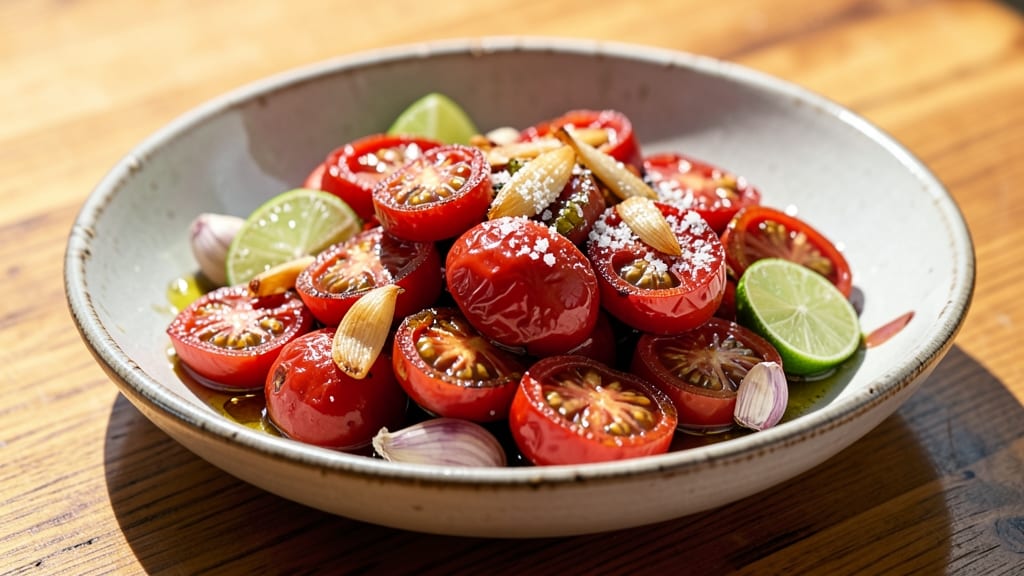
Creating a freezer tomato salsa recipe that stays vibrant and flavorful after months in storage is a game-changer for busy cooks. This recipe delivers a bright, tangy sauce that freezes beautifully—perfect for batch cooking and meal prep.
The key lies in balancing acidity and texture to prevent separation or mushiness when thawed.
What makes this sauce stand out is its versatility: use it as a dip, marinade, or cooking base, and it maintains its rich tomato flavor even after freezing. I developed this method after testing multiple variations, ensuring the salsa retains its fresh-tasting quality without added preservatives.
The blend of tomatoes, vinegar, and spices creates a balanced profile that holds up perfectly in the freezer.
By the time you’re done, you’ll have a smooth yet textured salsa that’s ready to use straight from the freezer—no loss of quality. The acidity from vinegar and lime preserves freshness, while the onions and garlic add depth that freezer storage can’t dull.
This is the kind of sauce that transforms ordinary meals into something special with minimal effort.
Store it in airtight containers or freezer bags for up to 6 months, and thaw overnight in the fridge for best results. Whether you’re prepping for holidays or stocking your pantry, this recipe ensures you’ll always have flavor-packed salsa on hand.
Ingredients for freezer tomato salsa
This freezer-friendly salsa starts with fresh tomatoes and bright acidity for a sauce that stays vibrant after months in storage.
| Ingredient | Amount | Notes |
|---|---|---|
| Roma Tomatoes 🍅 | 4 lbs | Ripe but firm, cored and quartered |
| Yellow Onion 🧅 | 1 whole | Medium size, diced finely |
| Garlic Cloves 🧄 | 6 cloves | Fresh, peeled and minced |
| White Vinegar 💧 | ½ cup | Distilled for tangy brightness |
| Lime Juice 🍋 | ¼ cup | Freshly squeezed, no pulp |
| Extra-Virgin Olive Oil 🫒 | ¼ cup | High quality, fruity variety |
| Salt 🧂 | 1 ½ tsp | Kosher or sea salt |
| Ground Cumin 🌿 | 1 tsp | Toasted for deeper flavor |
| Dried Oregano 🍃 | 1 tsp | Mexican oregano preferred |
| Jalapeño Pepper 🌶️ | 1 whole | Seeds removed for mild heat |
The tomatoes are the foundation—Roma tomatoes work best because they're meaty and low-seed, but any ripe tomatoes will do. Costco or Trader Joe's usually have great prices on Roma in season. If you can't find them, regular tomatoes work too, but you might want to peel them first for a smoother texture. The yellow onion adds sweetness that balances the acidity, so don't skip it. For the garlic, fresh is non-negotiable—jarred garlic won't give you that bright, fresh flavor. Look for plump cloves with no green shoots when buying.
No white vinegar? Apple cider vinegar or lemon juice work in a pinch, but white vinegar has that clean tang that stands up to freezing. The lime juice is key for freshness—bottled lime juice works but fresh is better. Running out of jalapeño? Serrano or banana pepper are great swaps (just adjust the heat level). Want more depth? Add a pinch of smoked paprika. The olive oil might seem like an afterthought, but it helps preserve the texture during freezing. Use the good stuff—California Early Harvest or Colavita are reliable brands.
This salsa freezes beautifully—just let it cool completely before packing into airtight containers or freezer bags. It keeps for 6 months without losing quality. For best results, thaw overnight in the fridge. I like to portion it into 1-cup servings so I can grab just what I need. The texture might change slightly after freezing, but the flavor stays bright. If it seems too thick after thawing, just stir in a splash of water or broth.
Why You'll Love This Recipe
- No-Chop Hassle: I swear by the food processor for this—toss in whole tomatoes, onion, and garlic, pulse a few times, and boom. No knife skills required, no peeling, no fuss. My lazy summer nights thank me every time.
- Tangy-Sweet Balance: That bright vinegar cut through the sweetness of the Roma tomatoes like a dream, while the lime juice at the end? Chef’s kiss. It’s fresh, zesty, and never overpowering—just the kind of salsa that makes you reach for seconds without thinking.
- Meal Prep MVP: Freeze it in ice cube trays for single-serving portions or big batches in freezer bags. Taco Tuesday? Check. Grilled cheese upgrade? Done. Even my picky teen grabs it straight from the freezer for nachos—no judgment here.
- Pantry Stash Gold: Onions and garlic last forever, tomatoes are cheap in bulk, and vinegar? You’ve got it. This salsa costs pennies per serving but tastes like you slaved over it. Honestly, it’s the kind of recipe that makes grocery shopping feel like a win.
Step-by-step instructions for freezer tomato salsa
Here's how to turn fresh garden tomatoes into a vibrant, freezer-friendly salsa that keeps its flavor for months.
Roast the Tomatoes and Onion for Deep Flavor
Preheat your oven to 425°F and line a large baking sheet with parchment paper. Spread the 4 lbs Roma Tomatoes and 1 whole Yellow Onion (cut into wedges) directly on the sheet. Drizzle with 0.25 cup Extra-Virgin Olive Oil and sprinkle with 1 tsp Salt. Roast for 25-30 minutes, turning halfway, until the tomatoes are blistered and the onion is caramelized.
Watch for the tomatoes to soften and develop a slightly charred skin—that's when you know they're ready. The roasting process intensifies their natural sweetness and creates a rich, smoky base for your salsa. Let them cool slightly before handling, as they'll be very hot.
Blend the Roasted Vegetables with Aromatics
Transfer the roasted tomatoes and onion to a food processor or blender. Add the 6 cloves Garlic Cloves, 1 whole Jalapeño Pepper (seeds removed), 1 tsp Ground Cumin, and 1 tsp Dried Oregano. Pulse until you achieve a smooth but slightly textured consistency—think chunky but not completely puréed.
This texture gives your salsa that perfect balance between smooth and rustic. If you prefer it smoother, pulse a few more times, but I like to keep some texture for contrast. The roasted vegetables should blend easily now, but don't over-process or you'll lose that beautiful roasted flavor.
Finish with Acid and Brighten the Flavor
Transfer the blended mixture to a large mixing bowl. Stir in the 0.5 cup White Vinegar and 0.25 cup Lime Juice. Taste and adjust the seasoning with additional salt if needed—this is where the salsa comes together. The vinegar brightens the flavors while the lime juice adds a fresh, tangy finish.
Here's the thing—this is the moment that matters. The acidity from the vinegar and lime juice balances the richness of the roasted tomatoes. If it tastes too sharp, add a pinch more salt. If it needs more brightness, add a splash more lime juice. You're aiming for a perfect harmony of sweet, smoky, tangy, and slightly spicy.
Store Properly for Long-Term Freezing
Let the salsa cool completely to room temperature, then transfer it to airtight freezer-safe containers or heavy-duty freezer bags. Press out as much air as possible before sealing to prevent freezer burn. Label the containers with the date and store in the freezer for up to 6 months.
When you're ready to use it, thaw the salsa in the refrigerator overnight. If it thickens up during freezing, simply stir in a splash of water or lime juice to restore its original consistency. This salsa keeps beautifully in the freezer, making it perfect for stocking up when tomatoes are at their peak.
Use and Enjoy Your Freezer Salsa
Thawed salsa can be used in any recipe that calls for fresh salsa—tacos, nachos, burritos, or even as a topping for grilled meats. The flavors might be slightly more concentrated after freezing, so you can thin it with a bit of water or lime juice if needed. The texture will be slightly softer than fresh salsa, but it still delivers that bright, tangy flavor you love.
Real talk: while nothing beats fresh salsa, this freezer version is a fantastic backup that keeps the essence of summer all year round. The roasting step is what makes it special—it gives your salsa depth and complexity that you just can't get from raw tomatoes alone.
Pro Tips For Making Freezer Tomato Salsa
- CHAR THE TOMATOES FIRST: I learned this the hard way—raw Roma tomatoes release way too much water when frozen, turning your salsa into a mushy, watery mess. Simmer them for 5-7 minutes until they start breaking down, then blend or chop. This cuts the moisture by half and keeps your texture intact after thawing.
- PEEL AND SEED ONIONS: Yellow onions add depth, but their skins turn bitter when frozen. Peel them first, then slice thinly and soak in cold water for 10 minutes to mellow the sharpness. Drain well before cooking—wet onions steam instead of caramelize, and you’ll end up with a dull, watery base.
- ACIDIFY BEFORE FREEZING: Vinegar and lime juice are your preservatives, but don’t skimp. Add at least 1 tablespoon of white vinegar per pint of salsa and 1-2 tablespoons of lime juice (fresh, not bottled). This prevents mold growth and keeps the color bright. I used to freeze without enough acid—my first batch turned gray and smelled off after a month.
- USE ICE CUBE TRAYS: Portion the salsa into ice cube trays before transferring to freezer bags. Once frozen solid, pop them out and store in a labeled bag. Thaw only what you need—no more defrosting a whole pint when you just want a few spoonfuls for tacos. (Yes, it sounds silly, but it’s a game-changer for leftovers.)
Common mistakes when making this recipe
Skipping the Acid Test
The most common mistake I see is underestimating the importance of acidity in freezer salsa. Without enough vinegar or lime juice, your salsa can develop a dull, flat flavor after freezing. The acidity preserves freshness and prevents bacterial growth.
I recommend using at least 0.5 cup white vinegar—don’t skimp! If your salsa tastes bland after thawing, it’s likely because the acidity wasn’t balanced properly. 💡
Overprocessing the Texture
Blending your salsa until it’s completely smooth is a recipe for disaster in the freezer. When tomatoes are puréed too finely, they release excess water, leading to a mushy texture after thawing.
Aim for a chunky but smooth consistency—just pulse until the tomatoes are broken down but still retain some texture. This helps maintain structure during freezing. I like to leave about 10-15% of the tomatoes slightly chunky for the best results.
Not Cooling Completely
Rushing to freeze your salsa without letting it cool completely is a big mistake. If you transfer warm salsa to the freezer, condensation forms inside the container, leading to ice crystals and freezer burn. Always let the salsa cool to room temperature before storing.
I place my containers in the fridge for 30-60 minutes to speed up cooling while preventing condensation. This small step makes a huge difference in texture and flavor retention. ❄️
Using the Wrong Containers
Freezer burn is the enemy of long-term salsa storage, and it starts with poor container choices. Avoid glass jars with loose lids—they don’t seal tightly enough. Instead, use airtight plastic containers or heavy-duty freezer bags. Press out as much air as possible before sealing to minimize exposure.
I also recommend using silicone molds for portioning—just pop the frozen salsa cubes into a bag for easy single-serving use. This keeps your salsa fresh for up to 6 months without quality loss.
Thawing Too Quickly
Microwaving or using hot water to thaw your salsa is a fast track to a watery, flavorless mess. The sudden temperature change breaks down the texture and dilutes the flavors. Always thaw salsa overnight in the fridge—this gradual process preserves the integrity of the ingredients.
If you’re in a hurry, place the sealed container in a bowl of cool water (not hot) for 1-2 hours. This method maintains the best texture while still being efficient. 💫
Ignoring the Jalapeño
Some cooks skip the jalapeño entirely, thinking it’s optional, but this pepper plays a crucial role in flavor preservation. The natural oils and capsaicin in jalapeños act as a mild preservative, helping the salsa stay vibrant longer.
If you omit it, your salsa might lose some of its brightness after freezing. For a milder heat, remove the seeds and membranes, but don’t skip it altogether—even a small amount makes a difference.
I like to add 1 whole jalapeño (seeds removed) to every batch for that subtle kick and extra flavor protection.
Nutrition facts
Frequently asked questions
Why does this tomato salsa recipe work so well in the freezer?
The roasting process caramelizes natural sugars, while the vinegar and lime juice act as natural preservatives. The balanced acidity prevents bacterial growth, and the olive oil helps maintain texture during freezing. This combo keeps flavors vibrant for 6 months without added preservatives.
Can I make this salsa without roasting the tomatoes?
Yes, but the flavor will be less complex. For a quick version, simmer 4 lbs chopped tomatoes with 1 tsp salt for 10 minutes to soften them first. The roasting step develops deeper, smoky notes that make this recipe especially freezer-friendly.
How do I adjust the heat level after freezing?
If the jalapeño's heat mellows after thawing, add ½ tsp cayenne powder or 1 fresh serrano pepper when reheating. For milder salsa, blend in 1 tbsp sour cream or ½ cup Greek yogurt to balance the flavors. Always taste before serving!
What's the best way to reheat frozen salsa?
Never microwave directly—transfer to a saucepan and warm on low heat for 3-5 minutes while stirring constantly. For best texture, add 1 tbsp water to loosen any thickening. If using in cold dishes (like tacos), serve straight from the fridge for freshest flavor.
Can I use canned tomatoes instead of fresh?
Use 2 (28 oz) cans fire-roasted tomatoes (drained) for similar depth. Skip the roasting step and add 1 extra tbsp vinegar to compensate for lost acidity. The texture will be smoother but still freezer-friendly.