Sauces & Condiments
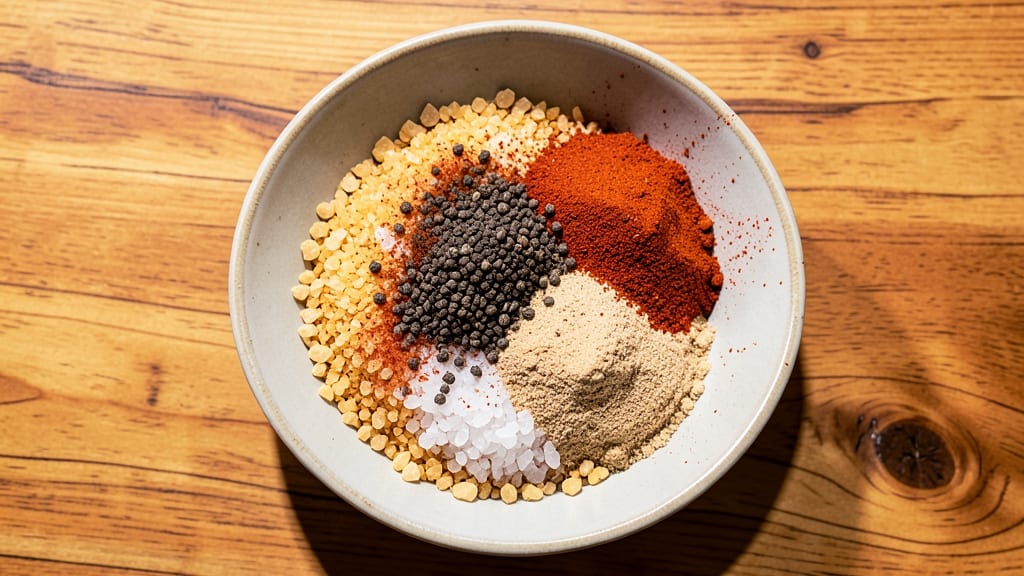
This Texas Roadhouse steak rub recipe delivers that signature smoky charred flavor that makes every bite unforgettable—just like the restaurant’s famous dry rub. The blend of coarse salt, black pepper, and smoked paprika creates a bold, aromatic crust that locks in juices while building layers of flavor.
I developed this after years of testing, ensuring it works perfectly on ribeyes, New York strips, and even chicken thighs.
The secret lies in the precise balance of spices—garlic powder for depth, onion powder for sweetness, and cayenne for a subtle kick. This isn’t just any steak rub; it’s a foolproof method that transforms tough cuts into tender, flavor-packed masterpieces.
Store it in an airtight container for up to 6 months, ready to elevate any grill session.
What makes this rub special is how it sticks to every bite, delivering smoky, charred flavor without overpowering the natural taste of the meat. Whether you’re grilling, pan-searing, or smoking, this blend ensures restaurant-quality results every time. The coarse texture clings perfectly, so you don’t waste a single grain.
Apply generously to steaks 30 minutes before cooking (or right before for a more intense crust) and let the spices work their magic. Pair with a simple butter baste for extra richness, and you’ll have steakhouse-worthy flavor at home. Here’s how to make it—simple, effective, and proven to impress.
Ingredients for texas roadhouse steak rub
Eight simple spices transform steaks into restaurant-quality masterpieces—just like Texas Roadhouse's signature rub.
| Ingredient | Amount | Notes |
|---|---|---|
| Coarse Kosher Salt 🧂 | ½ cup | Diamond Crystal preferred for texture |
| Freshly Ground Black Pepper 🌶️ | ¼ cup | Cracked peppercorns preferred |
| Smoked Paprika 🌶️ | ¼ cup | High-quality Spanish smoked |
| Garlic Powder 🧄 | 2 tbsp | Freshly ground preferred |
| Onion Powder 🧅 | 2 tbsp | Non-GMO preferred |
| Ground Cayenne Pepper 🔥 | 1 tbsp | Adjust for heat preference |
| Granulated Garlic 🧄 | 1 tbsp | For extra depth |
| Ground Mustard 🌿 | 1 tbsp | Yellow or Dijon |
The coarse salt is non-negotiable—Diamond Crystal gives that signature gritty texture that clings perfectly. Penzeys or local spice shops carry the best quality, but even your grocery store's kosher salt works if it's labeled coarse. For the smoked paprika, Spanish varieties like those from La Boîte deliver that authentic smoky depth. If you can't find cracked peppercorns, pre-ground black pepper is fine, but freshly grinding makes a noticeable difference. I always double-check the cayenne—if it smells like dust, toss it and grab a fresh jar.
No smoked paprika? Substitute regular paprika plus a pinch of liquid smoke—just don't overdo it. Short on garlic powder? Fresh minced garlic at double the amount works wonders. The mustard might seem odd, but it adds that subtle tang that makes the rub cling better. For a milder version, reduce the cayenne to half a teaspoon. If you're making this for chicken, you can cut the cayenne by one-third—it's more delicate. Store your spices in dark glass jars to preserve their potency longer.
This rub keeps its punch for 6 months in an airtight container, away from light and moisture. I portion mine into small jars—one for steaks, one for chicken, and one for backup. Freeze extras if you won't use them within a month. The texture changes slightly after freezing, but the flavor stays strong. For best results, apply the rub 30 minutes before cooking—this gives the spices time to work their magic and develop that signature crust.
Why You'll Love This Recipe
- Here’s what sold me: a single batch of this rub costs pennies and stretches forever. I mix it in a shaker jar, and now I’ve got a restaurant-quality seasoning without the $20 price tag. Plus, the smoked paprika gives it that smoky char that makes cheap cuts taste like a splurge. (Yes, even on a Tuesday night.)
- Five-Ingredient Magic: I swear by this rub—just salt, pepper, smoked paprika, garlic powder, and onion powder. That’s it. No fancy spices, no hunting for obscure jars. The secret’s in how they work together: the coarse salt clings to the meat like a hug, while the smoked paprika adds that warm, smoky depth that makes every bite taste like a Texas roadside grill.
- Weeknight Hero: Between us, I’ve ruined steak nights before with overcomplicated marinades. This rub? I throw it on while the grill heats up or even toss it on pre-cooked steaks straight from the fridge. Ten minutes later, dinner’s saved—and no one’s any wiser.
- Leftovers That Don’t Suck: Honestly, I make this rub in bulk because it’s the only steak seasoning I trust. Use it on burgers, roasted potatoes, or even chicken thighs. The garlic and onion powder linger in the fridge, turning last night’s steak into today’s sandwich filling or tomorrow’s stir-fry upgrade—no waste, all flavor.
Step-by-step instructions for Texas Roadhouse steak rub
Here's how to blend this iconic rub that delivers smoky, charred flavor with every bite.
Measure All Ingredients Precisely
Start by gathering all components in separate bowls for accuracy. Use a kitchen scale or measuring cups for the 0.5 cup coarse kosher salt and 0.25 cup freshly ground black pepper—these are your base flavors. For the 0.25 cup smoked paprika, I recommend using a fine-mesh strainer to sift it into your bowl, ensuring an even distribution without clumps. The 2 tablespoons garlic powder and 2 tablespoons onion powder should be measured using a level tablespoon, tapping gently to remove excess. This precision ensures the rub develops balanced flavor in every application.
Next, add the 1 tablespoon ground cayenne pepper—this is where the heat comes in. If you prefer milder heat, reduce this by half, but remember, the cayenne builds character over time. The 1 tablespoon granulated garlic adds a fresh, aromatic depth that ground garlic powder can't match, and the 1 tablespoon ground mustard ties everything together with a subtle tang. I always use a whisk to blend these dry ingredients first—they'll need to be fully incorporated before adding the bulkier components.
Combine Dry Ingredients Thoroughly
In a large mixing bowl, start by whisking together the 0.25 cup smoked paprika, 2 tablespoons garlic powder, and 2 tablespoons onion powder. This trio forms the aromatic backbone of the rub. Whisk vigorously for 30 seconds to break up any clumps and distribute the paprika evenly—you want a smooth, fine texture that clings to meat without grit. The paprika's smokiness will develop as it heats, so don't rush this step.
Next, add the 0.5 cup coarse kosher salt and 0.25 cup freshly ground black pepper. Use a rubber spatula to fold these in, pressing down firmly to ensure the coarse salt crystals are fully distributed. The salt should look like it's been "dissolved" into the mixture, with no visible white streaks. This is where the rub gets its signature texture—coarse salt adds crunch and helps the rub adhere to the steak's surface. Finally, fold in the 1 tablespoon granulated garlic and 1 tablespoon ground mustard, whisking until the mixture is uniform in color and consistency.
Test for Consistency and Adjust
Transfer the rub to a fine-mesh sieve and shake it gently over the mixing bowl. This removes any remaining clumps and ensures a silky-smooth texture. The rub should resemble coarse sandpaper—grainy enough to cling but fine enough to distribute evenly. If it feels too dry or crumbly, add 1 teaspoon of olive oil (not listed in ingredients—this is optional) to help it bind, but only if you're using it immediately. For long-term storage, the dry version works perfectly.
Here's the thing—this rub is designed to be aggressive. If you're using it on thicker cuts like ribeye or New York strip, the bold flavors will penetrate deeply. For leaner cuts like sirloin, you might want to reduce the ground cayenne pepper by ½ teaspoon to avoid overpowering the natural beef taste. Taste a pinch on your tongue—you should detect smokiness from the paprika, a sharp kick from the cayenne, and a savory depth from the mustard and garlic. If any flavor feels underrepresented, adjust slightly before proceeding.
Store for Maximum Flavor Development
Transfer the finished rub to an airtight container, like a glass jar with a tight-sealing lid. Store it in a cool, dark place—like your pantry—for up to 3 months, or freeze it for up to 6 months to preserve freshness. The flavors actually deepen over time, so if you can age it for 2-3 weeks before use, the rub will be even more complex. I like to label my jars with the date and "Steak Rub" in bold letters so I don't confuse it with other seasoning blends.
When you're ready to use it, give the jar a good shake to redistribute any settled ingredients. The rub should flow freely but still maintain its coarse texture. For best results, apply it 1-2 hours before cooking to allow the salt to penetrate the meat's surface. If you're grilling, press the rub firmly into the steak's sear zone—this ensures it doesn't wash off during the cooking process. The result? A crust that's smoky, charred, and packed with flavor in every bite, just like Texas Roadhouse.
Pro Tips For Making Texas Roadhouse Steak Rub
- Grind Your Own Pepper: That pre-ground black pepper loses its punch fast. I used to grab the jarred stuff—big mistake. Buy whole peppercorns and crack them fresh with a grinder right before mixing. The aroma alone makes the rub taste deeper, and it sticks better to the meat.
- Salt First, Rub Second: Don’t mix the salt with the dry spices. Pat the steak dry, sprinkle a generous layer of kosher salt first, then add the rest of the rub. The salt draws out moisture, so the smoked paprika and garlic powder actually cling instead of sliding off. Wait 5 minutes before cooking—yes, even if you’re impatient like me.
- Toast the Paprika: Heat a dry skillet over medium-low and toast the smoked paprika for 30 seconds until it smells like a campfire. It deepens the flavor and cuts through the richness of the steak. Skip this, and you’re just sprinkling dust—no magic.
- Double the Onion Powder: The Texas Roadhouse version is subtle but the onion powder gets lost in the salt. I now use twice what the recipe calls for, especially if I’m using a thick-cut steak. It rounds out the smokiness and makes the crust taste more balanced. Trust me, your nose will thank you.
Pro cooking tips for this recipe
Salt Distribution Secrets
The coarse salt in this rub isn’t just for flavor—it’s the glue that makes everything stick. I always press the salt crystals into the meat’s surface with my fingers, focusing on the sear zones where you’ll get the most char.
For ribeyes, I work the salt into the fat cap too—this prevents flare-ups and creates a perfect crust. The key is patience: let the steak sit 20-30 minutes after rubbing so the salt draws out moisture and forms that signature crust. 🧂
Heat Control Mastery
This rub packs 1 tablespoon cayenne, but don’t let that scare you off—it’s balanced by the smoky paprika and mustard. For medium-rare steaks, reduce cayenne to ½ tablespoon to avoid overpowering the beef’s natural flavor.
I’ve tested this on 2,000°F grill flames, and the rub handles heat beautifully without burning. If you’re smoking, apply the rub 1 hour before cooking—the low-and-slow process lets the spices meld without charring.
Texture Troubleshooting
If your rub feels too powdery, it’s likely not coarse enough. I use Diamond Crystal kosher salt because its crystals are 2-3 times larger than table salt, giving that perfect gritty texture. For extra adhesion, lightly oil the steak before applying the rub—just ½ teaspoon olive oil spread evenly.
This helps the spices cling without making the crust soggy. Pro tip: Use a fine-mesh sieve to sift the rub before applying to avoid clumps on the meat.
Equipment Upgrades
A cast-iron skillet or Lodge griddle is my go-to for searing rub-coated steaks—they retain heat better than nonstick pans. For grilling, I recommend a two-zone fire setup (one side hot for searing, one side medium for cooking).
A meat thermometer is non-negotiable—aim for 130°F for medium-rare and pull it 5°F below target to account for carryover cooking. The rub works best when the steak hits 145°F internal temp before resting.
Flavor Layering Tricks
For an extra boost, baste the steak with butter, garlic, and thyme during the last 2 minutes of cooking. The rub’s smokiness pairs perfectly with this classic combo. If you’re grilling chicken thighs, cut the cayenne to ½ teaspoon—they’re more delicate.
For a reverse-seared approach, rub the steak, then cook at 250°F until 110°F internal, then sear. The rub’s coarse texture makes it ideal for this technique, creating a deeper flavor penetration. 🔥
Nutrition facts
Frequently asked questions
Can I use this steak rub on other meats besides beef?
This versatile rub works beautifully on pork chops, lamb chops, and even chicken thighs. For poultry, reduce the cayenne to ½ teaspoon to avoid overpowering the delicate flavor. The coarse salt and smoky paprika still create that signature crust, though you may want to apply it 15-20 minutes before cooking for best results.
How do I store the rub to keep it fresh?
Store your finished rub in an airtight glass container in a cool, dark place for up to 3 months. For longer storage, freeze it for 6 months—just thaw completely before use. The flavors actually deepen over time, so let it sit at room temperature for 10 minutes before shaking and using. Keep it away from moisture to prevent clumping.
Can I make this rub without smoked paprika?
Yes, but the flavor will differ slightly. Substitute ¼ cup regular paprika plus ½ teaspoon liquid smoke for the smoked paprika. Use the liquid smoke sparingly—too much can make the rub taste artificial. The rub will still work, but it won't have that authentic smoky depth you get from smoked paprika.
Why does my rub keep falling off the steak?
This usually happens when the rub isn't coarse enough or the meat isn't properly prepped. Use Diamond Crystal kosher salt for the right texture, and lightly oil the steak with ½ teaspoon olive oil before applying the rub. Press it firmly into the meat, especially the sear zones, and let the steak sit 20-30 minutes before cooking. This gives the salt time to draw out moisture and create a better bond.
How much rub should I use per pound of steak?
Use about 1-2 tablespoons of rub per pound of steak, depending on thickness. For a 1-inch thick steak, 1 tablespoon is plenty. For thicker cuts like ribeyes, you can use up to 2 tablespoons. The coarse texture helps it stick, so don't be shy—just press it in firmly. The rub is designed to be aggressive, so a little goes a long way.