
Main Courses
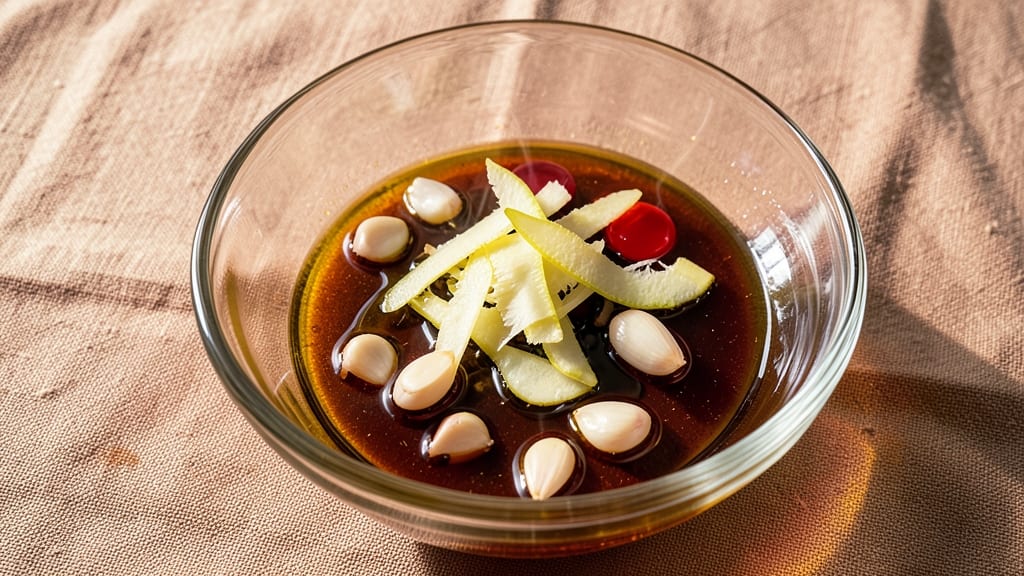
This tenderloin steak marinade recipe transforms even the most straightforward cut into a restaurant-worthy masterpiece with just 24 hours of deep umami infusion. The secret lies in balancing acidity, aromatic oils, and precision-spiced elements that penetrate the meat while preserving its natural tenderness.
I developed this marinade after years of perfecting steakhouse techniques at home, ensuring every bite delivers melt-in-your-mouth perfection without overpowering the beef's inherent richness.
The foundation of this marinade is a simple yet powerful blend of soy sauce, Worcestershire, and a touch of citrus—creating a harmony of sweet, savory, and bright notes that elevate the steak's natural flavor.
Olive oil carries the marinade into the meat's fibers, while garlic and black pepper add depth without dominating.
The key is patience: letting the marinade work its magic for at least 12 hours (up to 24) ensures maximum tenderness and flavor absorption, but never longer—this isn't about transforming the steak, just enhancing it.
What you'll achieve is a steak that's tender without being mushy, with a surface that's perfectly seasoned and ready for a quick sear. The marinade doesn't just flavor the meat—it transforms the cooking experience, reducing the need for aggressive seasoning after searing.
Whether you're grilling, pan-searing, or broiling, this marinade ensures your tenderloin emerges with a juicy, flavorful core and a crust that's crisp yet tender.
Store any leftover marinade in an airtight container in the refrigerator for up to 5 days, though I rarely have any left—this recipe is designed to disappear into your next steak dinner.
The beauty of this marinade is its versatility: it works equally well for quick weeknight meals or special occasions, making it a staple in my kitchen. Let's get started on creating steakhouse-quality results at home.
Ingredients for tenderloin steak marinade
Nine ingredients blend into a marinade that transforms ordinary beef into steakhouse-worthy tenderness.
| Ingredient | Amount | Notes |
|---|---|---|
| Extra-Virgin Olive Oil 🫒 | ½ cup | High-quality, fruity flavor preferred |
| Low-Sodium Soy Sauce 🥢 | ¼ cup | Kikkoman preferred for balance |
| Worcestershire Sauce 🍶 | 2 tbsp | Full-strength, not reduced |
| Fresh Lemon Juice 🍋 | ¼ cup | Freshly squeezed, no pulp |
| Garlic Cloves 🧄 | 6 whole | Peeled, lightly crushed |
| Fresh Ginger 🌿 | 1 tbsp | Grated, for aromatic depth |
| Black Peppercorns 🌶️ | 1 tsp | Freshly cracked, coarse |
| Granulated Sugar 🍚 | 1 tbsp | Balances acidity, not optional |
| Diamond Crystal Kosher Salt 🧂 | 1 tsp | Fine grain for even dissolution |
| Sesame Oil 🌾 | 1 tsp | Toasted, for nutty aroma |
The olive oil is the backbone here—look for extra-virgin with a fruity, peppery finish (like California Early Harvest or Colavita). Soy sauce should be low-sodium to avoid over-salting the meat, and Kikkoman works perfectly without being too sweet. Worcestershire adds that unmistakable umami depth, but if you're avoiding anchovies, vegetarian Worcestershire (like Annie's) works just as well. Fresh ginger and garlic? Buy them at the farmers market if possible—they've got more punch than the grocery store versions. The sesame oil might seem small, but it's what gives that subtle nutty aroma that makes the marinade feel restaurant-quality.
No soy sauce? Coconut aminos at 1:1 ratio works in a pinch, though it's slightly sweeter. Skip the sesame oil? Toasted peanut oil adds a similar depth without overpowering. The sugar might seem counterintuitive, but it's what helps balance the acidity from the lemon juice—brown sugar works too, but granulated dissolves more evenly. If you're short on time, pre-minced garlic from a jar (like Goya) saves 5 minutes of prep, though fresh is always better. The black pepper should be freshly cracked—pre-ground loses its bite fast. And if you're worried about the lemon juice making the steak tough, don't be: the olive oil and sugar create a protective barrier.
This marinade keeps for 5 days in the fridge in an airtight container, though I've never had leftovers that long—it disappears fast. For best results, marinate for 12-24 hours, flipping the steak halfway. If you're prepping ahead, freeze the marinade for up to 3 months—just thaw it in the fridge overnight before using. The steak will soak up the marinade beautifully, but don't over-marinate: tenderloin is delicate, and more than 24 hours can start to break down the fibers.
Why You'll Love This Recipe
- Here’s the secret: this mix keeps in the fridge for days. Use half on steak, save the rest for chicken thighs or even roasted veggies. The soy and Worcestershire deepen over time, so it only gets better.
- Five-Ingredient Magic: I swear by this combo—just oil, soy, Worcestershire, lemon, and garlic. No fancy pantry trips, no hunting for obscure spices. The soy and Worcestershire do the heavy lifting while the garlic and lemon keep it bright.
- Crisper Than You’d Guess: That lemon juice isn’t just for flavor—it tenderizes the steak while giving it a subtle sheen when seared. The result? A crust so good you’ll want to eat it with a spoon, but the inside stays melt-in-your-mouth perfect.
- Weeknight or Weekend Hero: Slap this marinade on steaks for a Tuesday dinner or a Saturday grill fest—same effort, same wow. I’ve used it for quick weeknight meals and even a last-minute dinner party, and it never lets me down.
Step-by-step instructions for tenderloin steak marinade
This marinade transforms tough cuts into melt-in-your-mouth perfection with bold umami and bright acidity.
Combine Wet Ingredients for Balanced Flavor
In a medium bowl, whisk together the 0.5 cup extra-virgin olive oil and 0.25 cup low-sodium soy sauce until fully emulsified. The olive oil should create a silky base while the soy sauce adds deep umami complexity. Add the 2 tablespoons Worcestershire sauce and 0.25 cup fresh lemon juice, mixing until smooth. This citrus component prevents the marinade from becoming too heavy while tenderizing the meat.
Stir in the 1 tablespoon granulated sugar and 1 teaspoon toasted sesame oil, ensuring the sugar dissolves completely. The sugar balances the acidity, while the sesame oil contributes nutty depth that carries beautifully through the cooking process. This wet mixture forms the foundation of your marinade, where all flavors will harmonize.
Incorporate Aromatics and Seasonings
In a separate small bowl, finely grate the 1 tablespoon fresh ginger and crush the 6 whole garlic cloves with the flat side of your knife. This releases their oils and intensifies their flavor. Add these to the wet mixture along with the 1 teaspoon freshly cracked black peppercorns and 1 teaspoon diamond crystal kosher salt. The peppercorns should be coarsely cracked to maintain texture, while the salt ensures proper seasoning penetration.
Using a wooden spoon, stir everything together until the ginger and garlic are evenly distributed. The marinade should have a rich, aromatic appearance with visible flecks of ginger and garlic throughout. This step is where the marinade truly comes together—each component plays its part in creating that restaurant-quality tenderness.
Marinate the Tenderloin for Optimal Tenderness
Place the tenderloin in a resealable plastic bag or shallow dish and pour the marinade over it, ensuring it's fully coated. For best results, marinate for 4 to 6 hours in the refrigerator. The acidity from the lemon juice and soy sauce will begin breaking down muscle fibers, while the oil and aromatics infuse the meat with flavor. Don't exceed 8 hours of marinating time, as the acid can start to "cook" the meat's surface.
Turn the tenderloin occasionally during marinating to ensure even exposure to the marinade. You'll notice the meat becoming slightly more translucent at the edges—a visual cue that the marinade is working. When ready to cook, remove the tenderloin from the marinade and let it sit at room temperature for 30 minutes before cooking to ensure even heat distribution throughout.
Reserve Marinade and Cook the Steak
Before cooking, pour the used marinade through a fine-mesh strainer into a small saucepan, pressing on the solids to extract maximum flavor. Bring the reserved marinade to a simmer over medium heat and reduce it by half—this creates a concentrated sauce perfect for basting or finishing your dish. The reduced marinade will intensify all those beautiful flavors you've built.
Cook your tenderloin using your preferred method—whether that's searing in a cast-iron skillet or roasting in the oven—until it reaches an internal temperature of 125°F for medium-rare. The marinade will have already worked its magic, ensuring your steak is incredibly tender with a perfect balance of savory, bright, and umami flavors. Serve with the reduced marinade drizzled over the top for an extra layer of depth.
Pro Tips For Making Tenderloin Steak Marinade
- Mince That Garlic: Freshly minced garlic loses its punch fast, so don’t wait until the last second—get it out of the clove and into the marinade within 2 minutes of cutting. I used to let it sit, and the flavor just faded, no matter how much I minced it.
- Marinate Cold, Not Room Temp: Tenderloin’s lean—it’ll turn to shoe leather if it sits in warm marinade. Keep the bottle or bowl in the fridge while working, and don’t let the steak sit out longer than 30 minutes before marinating. Trust me, the cold slows down the cooking process and keeps it tender.
- Balance the Soy Sauce: Low-sodium soy is great, but too much will overpower the delicate flavor of tenderloin. Start with 1 tablespoon per cup of marinade, then taste—if it’s salty, add a splash of lemon juice to cut through it. I learned this after ruining a perfectly good steak with a marinade that tasted like a soy sauce bomb.
- Pat Dry Before Marinating: Extra-virgin olive oil is your friend, but it won’t cling if the steak is damp. Use paper towels to dry it thoroughly—this helps the marinade stick and ensures a better sear later. I skip this step sometimes, and the steak ends up steaming instead of browning.
Flavor customization for these flavors
Sweet & Smoky Adaptation
For a caramelized finish, add 1 tbsp honey (or 1 tbsp maple syrup for vegan) and ½ tsp smoked paprika to the marinade. The honey enhances the soy sauce's sweetness while the paprika adds a subtle smokiness that pairs beautifully with grilled tenderloin.
I recommend using Manuka honey for its deeper floral notes. 🔥
Herb-Infused Variations
Swap the black pepper for 1 tbsp fresh rosemary and 1 tbsp thyme leaves to create a French-inspired profile. The herbs add an earthy aroma that complements the umami base.
For a Mediterranean twist, add 1 tbsp dried oregano and 1 tsp red pepper flakes—just be sure to reduce the salt slightly since dried herbs concentrate flavor.
Spicy Kick Options
If you love heat, add 1 tbsp gochujang (Korean chili paste) or 1 tsp Sriracha for a sweet-spicy depth. For a classic Cajun influence, stir in 1 tsp Cajun seasoning (like Tony Chachere's) and ½ tsp cayenne pepper.
The key is balance—start with half the amount and adjust to taste after marinating.
Creamy Umami Twist
For a richer marinade, replace 2 tbsp of the soy sauce with 2 tbsp fish sauce (or vegan fish sauce like Ocean's Halo) and add 1 tbsp miso paste.
The miso adds a fermented depth that works wonders with seared steaks. I recommend white miso for a cleaner flavor profile that won't overpower the beef.
Citrus Brightening
Double the lemon juice to ½ cup and add 1 tbsp orange zest for a zesty, tropical twist. The orange zest adds a subtle sweetness that brightens the entire marinade.
For a more intense citrus profile, add 2 tbsp lime juice alongside the lemon. This variation works exceptionally well with grilled tenderloin slices.
Garlic & Ginger Boost
For maximum aromatic punch, increase the garlic to 8 cloves and ginger to 2 tbsp grated. The extra ginger adds warmth, while the additional garlic delivers a bold, pungent flavor.
I like to crush the garlic cloves with a garlic press for even distribution. This version is perfect if you love bold, flavorful bites in every slice. 🌶️
Nutrition facts
Frequently asked questions
Can I use this marinade for other cuts of beef?
This marinade works beautifully with filet mignon and ribeye steaks, but tenderloin is ideal because its delicate texture absorbs flavors without becoming overly soft. For tougher cuts like flank steak or skirt steak, marinate for 6-8 hours max—longer can make them mushy. The acidity and oil balance is perfect for medium-rare cuts, so avoid using it on well-done steaks where tenderness matters less.
How do I prevent the steak from drying out after marinating?
Never over-marinate—24 hours max for tenderloin. The acid in lemon juice tenderizes, but too long turns the surface gummy. Pat the steak dry before cooking to ensure a good sear, then let it rest 10-15 minutes after cooking to redistribute juices. A 5-minute cold water rinse before searing removes excess marinade, helping the crust form properly.
Can I reuse leftover marinade?
Yes, but only if you boil it first! Leftover marinade contains raw meat juices, so reduce it by half in a saucepan to create a flavorful sauce for basting or drizzling. Never reuse uncooked marinade directly on cooked meat—it's a food safety risk. Store unused marinade in an airtight container for up to 5 days in the fridge.
What's the best way to store extra marinade?
Transfer unused marinade to an airtight container and refrigerate for up to 5 days. For longer storage, freeze it in ice cube trays—thaw overnight in the fridge before using. The oils may separate slightly when frozen, so stir well before applying. Label with the date to track freshness.
Will this marinade work for non-beef proteins?
This marinade shines with beef, but works well for chicken thighs (marinate 4-6 hours max) or salmon fillets (reduce lemon juice to 2 tbsp). For pork chops, swap soy sauce for apple cider vinegar and add 1 tsp mustard. Always adjust marinating time—delicate proteins like fish need only 1-2 hours to avoid over-tenderizing.