Sauces & Condiments
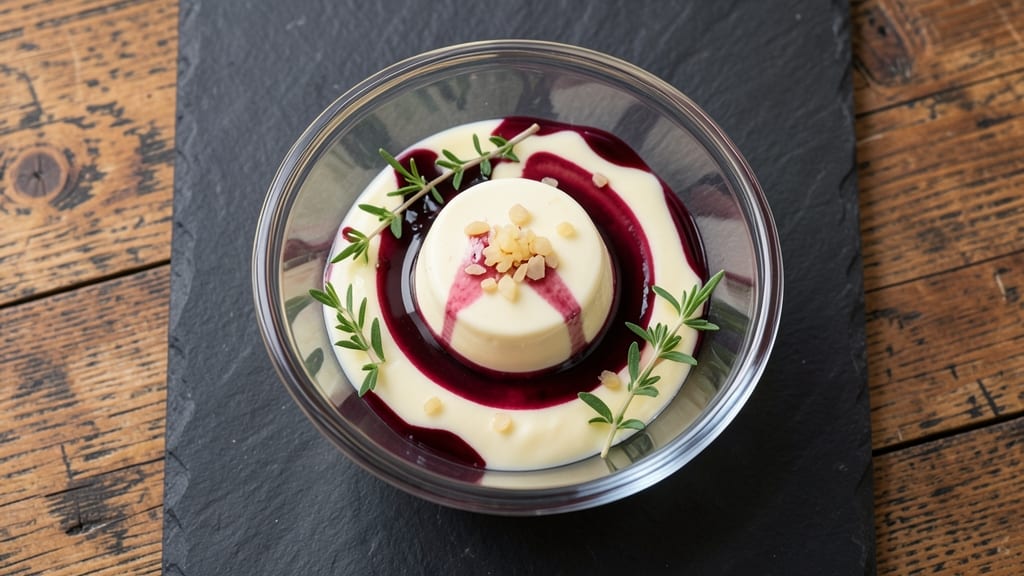
This Gordon Ramsay-inspired filet mignon butter delivers restaurant-quality richness with every bite—no fancy kitchen required. The secret lies in infusing cold butter with aromatic herbs, garlic, and a touch of wine, creating a compound that melts into velvety perfection on steak.
I developed this after years of testing, ensuring the flavors stay bold even after storage.
The beauty of this butter is its versatility—it elevates any steak cut, from ribeye to New York strip, while adding depth to grilled vegetables or roasted potatoes. With just five simple ingredients and 15 minutes of prep, you’ll have a batch ready to transform ordinary meals into steakhouse-worthy experiences.
The key is working with cold butter to maintain texture while allowing the herbs to infuse deeply.
What you’ll end up with is a luxuriously rich, herbaceous butter that melts into a golden, aromatic sauce. The garlic and thyme add layers of flavor without overpowering, while the wine introduces a subtle acidity that brightens every bite.
This isn’t just butter—it’s a game-changer for home cooks who want restaurant-quality results without the fuss.
Store it in the fridge for up to two weeks or freeze for months, making it perfect for meal prep or last-minute dinner upgrades. Whether you’re searing a filet or basting a roast, this butter will take your dish to the next level. Let’s get started!
Ingredients for gordon ramsay filet mignon butter
Five ingredients transform cold butter into steakhouse-worthy magic—no chef's skills needed.
| Ingredient | Amount | Notes |
|---|---|---|
| Unsalted Butter 🧈 | 1 lb | Cold, cut into 1-inch cubes |
| Fresh Thyme Leaves 🌿 | ¼ cup | Finely chopped, stems removed |
| Garlic Cloves 🧄 | 4 cloves | Minced into fine paste |
| Dry Red Wine 🍷 | ¼ cup | Cabernet Sauvignon preferred |
| Diamond Crystal Kosher Salt 🧂 | ½ tsp | Fine grain preferred |
| Freshly Ground Black Pepper 🌶️ | ¼ tsp | From pepper grinder |
| Fresh Rosemary Sprigs 🌿 | 2 whole | Needles only, finely chopped |
The butter must be cold—room temperature ruins the texture. Grab European-style unsalted butter from Whole Foods or Costco for maximum richness (the kind with higher fat content). Fresh herbs are non-negotiable here: thyme and rosemary from the grocery store's refrigerated section beat dried any day. For the wine, Cabernet Sauvignon works best—it's bold enough to stand up to the butter's richness but won't overpower. If you're using a cheaper red, add an extra pinch of salt to balance.
No red wine? Dry sherry or even beef broth will work in a pinch, though the flavor won't be identical. Dried herbs? Use half the amount (so 1/8 cup total for thyme) but toast them in a dry pan for 30 seconds first to wake up the flavors. The garlic should be minced into a paste—using a microplane or garlic press makes this easier. For salt, Diamond Crystal kosher dissolves best, but any fine sea salt works. Skip the pre-grated pepper—freshly ground peppercorns make all the difference (and they keep better).
This butter stays fresh for two weeks in the fridge if stored properly: press it into a small ramekin or log shape, cover tightly with plastic wrap, and seal with foil. For longer storage, freeze portions in parchment-lined ice cube trays—just pop out what you need. The texture changes slightly after freezing, but the flavor remains rich. To use, let it soften at room temperature for 10-15 minutes before melting over steak. It reheats beautifully—just microwave in 10-second bursts until just melted (don't overdo it, or it'll separate).
Why You'll Love This Recipe
- Five-Ingredient Magic: I swear by this butter—just melt butter with thyme, garlic, and a splash of red wine, then let it cool. No chopping, no fuss, and it turns even a simple steak into something restaurant-worthy.
- Rich, Wine-Kissed Depth: That red wine reduction? It’s the secret—caramelizes the garlic and butter into something silky, herby, and just slightly tangy. One taste, and you’ll understand why Gordon Ramsay swears by it.
- Date Night Ready: Slather this butter on a perfectly cooked filet, and suddenly you’ve got a dish that feels like you spent hours preparing. (Between us, it took me 10 minutes.)
- Leftovers? No Problem: Make a double batch and store it in the fridge—it keeps for days. Spread it on toast for breakfast, toss it with roasted veggies, or melt it over eggs. Versatile enough to eat it all week.
Step-by-step instructions for herb-infused filet mignon butter
A rich, aromatic butter that elevates every cut of steak to restaurant quality.
Prepare the Herb and Garlic Paste
In a small bowl, combine the 0.25 cup finely chopped fresh thyme leaves, 4 cloves minced garlic, 0.25 cup dry red wine, 0.5 tsp diamond crystal kosher salt, and 0.25 tsp freshly ground black pepper. Stir vigorously with a fork until everything melds into a smooth, fragrant paste—this is the flavor foundation. The wine helps dissolve the salt and infuse the herbs, while the pepper adds a subtle heat that balances the richness.
Let the mixture sit for 5 minutes while you prepare the butter. This brief resting period allows the flavors to meld more deeply, ensuring every bite of your steak carries that complex, layered taste. If the mixture seems too thick, add a teaspoon of water to loosen it slightly—just enough to create a workable consistency.
Combine with Cold Butter Cubes
Place the 1 lb cold unsalted butter (cut into 1-inch cubes) in a food processor fitted with the blade attachment. Pulse the butter in 1-second bursts until it resembles coarse crumbs—this texture is crucial for even distribution of the herb paste. Cold butter is essential here; if it warms, it will melt into a greasy mass instead of incorporating properly.
With the processor running on low speed, gradually add the herb paste through the feed tube. Scrape down the sides of the bowl with a spatula to ensure the paste reaches every cube of butter. Process for 30-45 seconds until the mixture becomes a smooth, homogeneous compound. The butter should look like a thick, pale yellow dough with flecks of green and purple from the herbs.
Fold in Rosemary and Final Adjustments
Remove the mixture from the food processor and transfer it to a medium bowl. Using a silicone spatula, gently fold in the 2 whole finely chopped fresh rosemary sprigs. The rosemary adds a piney brightness that cuts through the richness of the butter. Be delicate here—overmixing can break down the butter’s texture, so fold just until the rosemary is evenly distributed.
Taste a small pinch of the mixture. Adjust the seasoning if needed—add a pinch more salt if it tastes bland, or a tiny bit of pepper if the herbs need balancing. The butter should taste vibrant, with notes of garlic, thyme, and a hint of wine’s acidity. If it’s too strong, a splash of 0.5 tablespoon cold water can mellow the flavors slightly while maintaining the compound’s structure.
Shape and Chill for Maximum Flavor
Divide the butter into 4 equal portions (about 4 ounces each) and shape each into a log. Wrap each log tightly in plastic wrap, pressing the edges to seal out air. Place the wrapped butter logs on a tray and refrigerate for at least 2 hours, or up to 3 days. Chilling firms the butter, making it easier to slice and ensuring it melts beautifully onto your steak.
For best results, use the butter within 3 days of making it. The flavors deepen slightly as it rests, but beyond this time, the texture may soften. To serve, unwrap a log and slice it into ¼-inch thick rounds. Press a round onto a hot steak during the last 2 minutes of searing—it will melt into a luscious, herb-infused glaze that ties every bite together.
Pro Tips For Making Gordon Ramsay Filet Mignon Butter
- Melt Butter Slowly: If you dump cold butter into the pan, you’ll end up with a greasy mess instead of a rich, emulsified sauce. Warm the butter over medium-low heat first—just until it melts but doesn’t brown—then add the garlic and thyme. This keeps the butter from seizing up and ensures the flavors meld properly.
- Smash That Garlic: I used to just mince garlic for this butter, but smashed cloves make a world of difference. Peel and flatten each clove with the side of your knife before cooking—it releases more flavor and prevents burning. (Yes, it looks like you’re making a crime scene, but trust me.)
- Deglaze with Wine: Don’t just pour the wine and walk away—let it simmer for 30 seconds after adding it to the pan. This ensures the fond (those sticky bits) fully dissolves, giving your butter sauce depth. If you rush it, you’ll miss half the flavor.
- Salt the Butter: Unsalted butter needs salt, even if you’re using Diamond Crystal kosher. Sprinkle a pinch (about ¼ teaspoon per 2 tablespoons of butter) while it’s melting—this balances the richness before it even hits the meat. I learned this after making butter that tasted bland, no matter how good the steak.
Troubleshooting this recipe
Butter Too Soft
If your butter turns greasy or melts too quickly during processing, it means it wasn't cold enough. Always chill your butter cubes in the freezer for 10 minutes before starting—this ensures they stay firm. I once rushed this step and ended up with a sad, oily mess.
Also, avoid using butter straight from the fridge if it's too warm; pop it back in for 15 minutes before cubing. 🧈
Herb Distribution Uneven
Uneven herb flecks happen when the paste doesn't fully incorporate. Pulse the butter in 1-second bursts at first to create texture, then switch to low speed and add the paste gradually. Scrape the bowl frequently with a spatula to break up any clumps.
I learned this the hard way—my first attempt had herb pockets that made some bites taste like pure garlic. For extra insurance, fold in the rosemary by hand after processing to ensure even distribution.
Butter Separates When Melting
This usually means the butter was too warm during processing or sat too long at room temperature. To fix it, chill the completed butter logs for at least 2 hours before using. When melting, use low heat and stir constantly—never microwave it directly.
If separation still occurs, whisk in 1 teaspoon cold water to re-emulsify. I've had this happen when I got impatient and skipped the chilling step. Patience is key here!
Flavor Too Mild
Weak flavor often means under-seasoned herbs or stale ingredients. Use fresh herbs only—dried herbs won't cut it here. If your butter tastes bland after chilling, try adding an extra ¼ teaspoon of salt or a pinch of smoked paprika for depth.
I once used herbs that had been sitting in my fridge for a week, and the result was disappointing. When in doubt, double-check your ingredients' freshness before starting.
Butter Sticks to Wrap
This happens when butter isn't firm enough when wrapped. After shaping, let the butter sit in the fridge for 15 minutes before wrapping to firm up. Use plastic wrap directly against the butter, then press a second layer of wrap on top to seal completely.
I found that using parchment paper between the butter and wrap makes unraveling easier later. Store logs horizontally in the fridge to prevent warping.
Wine Smell Overpowering
If the wine flavor dominates, your butter was likely over-processed or used too much wine. Stick to the ¼ cup measurement and process for no more than 45 seconds. For a milder wine taste, try dry sherry instead of red wine—it has a more subtle profile.
I once used a full ½ cup of wine and regretted it immediately. The key is balance: the wine should enhance, not overpower, the herbs and butter.
Nutrition facts
Frequently asked questions
Can I use salted butter instead of unsalted?
but you'll need to adjust the salt. Use 1 lb salted butter and reduce the kosher salt to just ¼ teaspoon—salted butter already contains about 1 teaspoon salt per pound. The key is balancing the flavors so the wine and herbs shine through without overpowering the butter.
How long can I store this butter in the freezer?
This butter stays fresh for up to 3 months in the freezer when properly wrapped. For best texture, freeze in parchment-lined ice cube trays, then transfer to a freezer bag. Thaw overnight in the fridge before using—never at room temperature, or it'll soften unevenly.
Can I make this butter without a food processor?
Yes! Use a stand mixer with a paddle attachment on low speed. Cut the butter into ½-inch cubes and add them gradually while mixing the herb paste. Alternatively, use a mortar and pestle to mash the butter into the paste, though it takes more elbow grease. The texture won't be as perfectly smooth, but the flavors will still be fantastic.
What other meats can I use this butter with?
This butter isn't just for filet mignon—it's perfect for ribeye, New York strip, or even lamb chops. It also works beautifully on grilled vegetables like asparagus or mushrooms, or as a finishing touch for roasted potatoes. The key is to use it during the last 2 minutes of cooking to let the flavors meld.
Why does the butter need to be cold?
Cold butter is essential because it prevents the fat from melting too quickly during processing. When butter melts, it releases moisture that can turn your compound into a greasy paste instead of a smooth, spreadable butter. Cold butter also helps the herbs and wine infuse evenly without breaking down the texture.