Appetizers
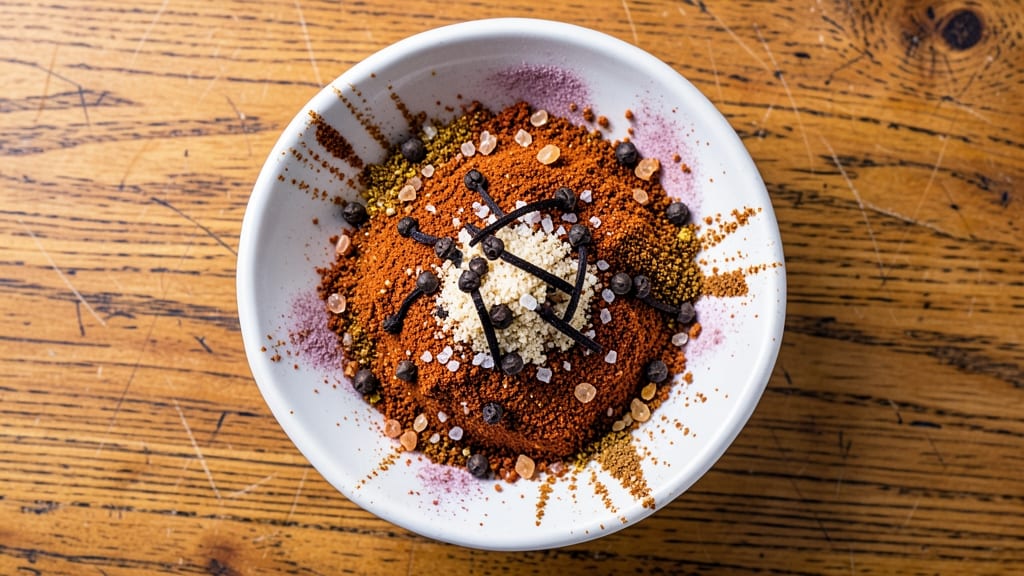
Creating the perfect smoked beef rib rub transforms ordinary beef ribs into a flavor powerhouse with a deep, smoky crust that locks in every bite. This carefully balanced dry spice blend combines sweet, smoky, and savory elements to create a crust that’s both aromatic and addictive.
I’ve perfected this recipe over countless cookouts, ensuring it delivers restaurant-quality results with just a few simple ingredients.
The foundation of this rub starts with a mix of smoked paprika and brown sugar for that signature caramelized crust, while garlic powder and black pepper add depth and heat.
Optional additions like cayenne or mustard powder can be adjusted to suit your preferred spice level, giving you control over the final flavor profile. The blend is designed to be versatile—ideal for ribs, brisket, or even steaks.
What makes this rub truly special is its ability to create a thick, flavorful crust that clings to the meat, enhancing tenderness and juiciness as it smokes. The spices are measured precisely to ensure a harmonious balance, so you don’t need to worry about overpowering flavors.
Once mixed, this rub stays fresh for months in an airtight container, ready to elevate your next smoked dish.
Whether you’re a seasoned pitmaster or a backyard grilling enthusiast, this recipe simplifies the process of achieving professional-level flavor. The instructions are straightforward, and the results are consistently impressive. Let’s dive into the ingredients and get started on crafting your perfect smoked beef rib rub.
Ingredients for smoked beef rib rub
Nine spices, one perfect crust—this blend turns ribs into smoky, tender perfection.
| Ingredient | Amount | Notes |
|---|---|---|
| Smoked Paprika 🌶️ | 3 tbsp | High-quality smoked variety for deep flavor |
| Brown Sugar 🍚 | 2 tbsp | Light or dark for caramelized crust |
| Garlic Powder 🧄 | 1 tbsp | Freshly ground preferred for intensity |
| Black Pepper 🌶️ | 1 ½ tbsp | Freshly cracked for robust flavor |
| Coarse Kosher Salt 🧂 | 1 ½ tbsp | Diamond Crystal preferred for texture |
| Onion Powder 🧅 | 1 tbsp | Adds subtle sweetness and depth |
| Mustard Powder 🌶️ | 1 tsp | Optional for tangy depth (omit for mild) |
| Ground Cumin 🌿 | ½ tbsp | Toasted for enhanced aroma |
| Cayenne Pepper 🔥 | ½ tsp | Adjust for heat preference (optional) |
| Ground Coriander 🌿 | ½ tbsp | Bright citrusy note to balance smokiness |
The smoked paprika is non-negotiable here—Penzeys or McCormick Smoked are my go-tos for that authentic barbecue flavor. Brown sugar can be light or dark; I lean toward dark for a deeper caramelization, but light works too if you prefer a milder sweetness. Costco or bulk bins are great for stocking up on spices, but any reputable grocery store carries these basics. For the garlic powder, if you’ve got whole cloves, toast and grind them fresh—the difference is noticeable. The kosher salt should be coarse; Diamond Crystal dissolves better than table salt and gives that perfect crust texture.
No smoked paprika? Substitute 1 tbsp regular paprika plus 1 tsp liquid smoke—it won’t be identical, but it’ll get you close. Skip the mustard powder if you’re sensitive to tang, but trust me, it’s worth it for that extra layer of complexity. For heat, red pepper flakes at half the amount work in a pinch, though cayenne delivers a cleaner burn. If you’re using this rub on pork, reduce the cayenne to 0.25 tsp—pork handles heat differently than beef. And if you’re really in a bind, half the garlic powder and double the onion powder mimics that allium depth.
This rub keeps for 6-12 months in an airtight container, so make a big batch. I like to store mine in a glass jar with a tight seal—keeps the spices fresh and makes it easy to grab when you’re ready to smoke. For extra freshness, add a bay leaf inside the jar; it subtly enhances the aroma without altering the flavor. Portion it out into smaller jars if you’re gifting it—people love having this on hand for cookouts. And if you’re feeling fancy, mix in 1 tsp of ground chipotle for a smokier kick, but save that for special occasions.
Why You'll Love This Recipe
- Five-Ingredient Magic: I swear by this combo—smoked paprika and brown sugar alone make ribs taste like they’ve been slow-smoked for hours, but I’m mixing it in five minutes while the grill heats up. No fancy tools, no stress.
- Sweet-Smoky Crust: That caramelized crust? Pure satisfaction. The brown sugar melts into a sticky, smoky glaze while the paprika adds depth—like a hug for your taste buds, but better than actual hugs (no judgment).
- Tailgate or Tuesday: Serve it on ribs for game day, toss it on roasted potatoes for a weeknight, or even sprinkle it on steak when you’re feeling fancy. I’ve used this on everything, and it never lets me down.
- Leftovers That Shine: The rub keeps flavors bright for days—store it in a jar, and you’ve got instant flavor for next week’s burgers or even chicken thighs. Honestly, I make a double batch just to have it on hand.
Step-by-step instructions for smoked beef rib rub
Here's how to craft a bold, complex rub that delivers an irresistible smoky crust while preserving juicy meat.
Combine Dry Ingredients in a Mixing Bowl
Place all ingredients in a medium mixing bowl: the 3 tablespoons smoked paprika, 2 tablespoons brown sugar, 1 tablespoon garlic powder, 1.5 tablespoons black pepper, 1.5 tablespoons coarse kosher salt, 1 tablespoon onion powder, 1 teaspoon mustard powder, 0.5 tablespoon ground cumin, 0.5 teaspoon cayenne pepper, and 0.5 tablespoon ground coriander. This combination creates a perfect balance of smokiness, heat, and depth.
Use a whisk to break up any clumps in the smoked paprika and brown sugar first. Then stir all ingredients together vigorously with a rubber spatula for about 2 minutes, ensuring the spices are evenly distributed and the brown sugar dissolves slightly into the mixture. The texture should be coarse but uniform—think of wet sandpaper rather than fine powder.
Toast the Spice Blend for Enhanced Aroma
Transfer the mixture to a dry skillet over medium-low heat. Stir constantly for 3-4 minutes until you notice a deep, aromatic steam rising and the spices begin to darken slightly at the edges. This step awakens the flavors, intensifying the smoky, earthy notes that will penetrate the ribs during smoking.
Watch closely—if the blend darkens too quickly, reduce the heat immediately. You're looking for a subtle color change, not charring. When the spices release their full aroma (you'll smell it strongly), remove the skillet from heat and let the mixture cool completely. This cooling step prevents condensation on your ribs later.
Store Properly for Maximum Freshness
Once cooled, transfer the rub to an airtight container with a fine-mesh sieve lid. Store in a cool, dark place for up to 3 months or freeze for up to 6 months. The coarse texture is ideal for clinging to meat, but if you prefer a finer rub, pulse the cooled mixture briefly in a food processor—just enough to break up any remaining clumps without turning it into powder.
For best results, use within 2 weeks of making. Freshly toasted rub delivers the most vibrant flavors, especially when applied to ribs that will spend hours in the smoker. The combination of toasted spices and caramelizing brown sugar creates that coveted dark mahogany bark that locks in moisture while delivering complex flavor in every bite.
Apply Generously to Ribs Before Smoking
When ready to smoke, apply the rub 24 hours in advance for maximum penetration. Use about 2 tablespoons per pound of ribs, pressing firmly to ensure adhesion. Focus on the meaty portions, avoiding the bones where it won't stick. The coarse texture helps create that signature bark while preventing the rub from washing away during the smoking process.
For immediate smoking, apply the rub 1 hour before placing ribs in the smoker. This shorter rest time still allows the spices to adhere well, though you may sacrifice slightly deeper flavor penetration. Either method works—choose based on your timing needs—but the 24-hour method yields the most impressive results.
Pro Tips For Making Smoked Beef Rib Rub
- Toast the Spices First: Heat your smoked paprika and garlic powder in a dry skillet for 30 seconds—just until fragrant. This wakes up their flavors and cuts that bitter, raw powder taste that ruins a good rub. (Yes, even if you’re impatient like me, wait for it.)
- Use Light Brown Sugar: Skip the dark stuff—light brown sugar dissolves cleaner and caramelizes better on ribs without clumping or making the rub sticky as hell. If you’re in a pinch, mix a teaspoon of cornstarch into the sugar to prevent moisture from turning it into paste.
- Salt in Layers: Don’t dump all the kosher salt at once. Apply half before smoking, then sprinkle the rest on after the first hour. This keeps the crust from getting too salty too fast and lets the meat absorb flavor evenly. (Your ribs will thank you when they’re not briny on the outside.)
- Pat Dry, Then Rest: After patting the ribs bone-dry with paper towels, let them sit uncovered on a rack for 20 minutes before applying the rub. This evens out surface moisture so the spices stick and crisp up instead of steaming into a sad, sticky mess. (I learned this the hard way—wet ribs = sad crust.)
Pro cooking tips for perfect results
Spice Toasting Secrets
Toasting your rub in a dry skillet over medium-low heat for 3-4 minutes awakens the spices and deepens their flavors. I use a 10-inch cast-iron skillet because it distributes heat evenly and retains warmth. Stir constantly with a wooden spoon—this prevents burning while ensuring all spices darken uniformly.
The moment you smell that rich, aromatic steam rising, your rub is ready. Let it cool completely before storing to avoid moisture buildup in your airtight container. 🔥
Rib Prep Timing
Apply your rub 24 hours before smoking for maximum flavor penetration and bark formation. The coarse texture helps the spices cling to the meat, creating that signature crust. For a quick cook, apply the rub 1 hour before smoking, but expect slightly less intense flavor.
I always pat the ribs dry with paper towels first—this ensures the rub adheres evenly and promotes better bark development. 💪
Equipment Essentials
A fine-mesh sieve lid on your storage container keeps the rub fresh by allowing moisture to escape while keeping contaminants out. I recommend a glass jar with a tight seal for long-term storage—it preserves flavor better than plastic.
For application, use a rubber spatula to press the rub firmly into the meat, especially in crevices. A meat thermometer is also critical for tracking internal temperature during smoking. ✨
Substitutions for Common Shortages
No smoked paprika? Mix 1 tbsp regular paprika with 1 tsp liquid smoke—it won’t be identical, but it works in a pinch. Skip the mustard powder if you dislike tang, but if you’re out of cayenne, red pepper flakes at half the amount add similar heat.
For a sweeter rub, increase the brown sugar to 3 tbsp and reduce the cayenne to 0.25 tsp. These tweaks keep your rub balanced without sacrificing flavor. 💡
Storage Longevity
This rub stays fresh for 6-12 months in an airtight container, but for peak flavor, use it within 2 weeks of toasting. Store in a cool, dark place like a pantry or freezer.
To test freshness, smell the rub before each use—if it loses its aroma, toast it again briefly to revive the flavors. For gift-giving, portion into small jars with a handwritten tag detailing the ingredients. 📅
Heat Control Mastery
When toasting the rub, maintain medium-low heat to prevent burning. If the spices darken too quickly, reduce the heat immediately—you’re aiming for a subtle color change, not charring. The goal is to awaken the spices without losing their complexity.
I’ve ruined a few batches by rushing this step, so patience pays off here. A digital thermometer set to 250°F helps monitor the skillet’s temperature for consistency. 🌡️
Nutrition facts
Frequently asked questions
Can I use this rub on other meats besides beef ribs?
This versatile rub works beautifully on pork ribs, brisket, and even steaks. For pork, reduce the cayenne to 0.25 tsp to avoid overpowering the delicate flavor. The coarse texture clings well to any meat, creating that signature bark while keeping the interior juicy. Try it on chicken thighs too—they develop a fantastic crust!
How do I prevent the rub from falling off my ribs?
Pat the ribs completely dry with paper towels before applying the rub. The coarse texture needs a dry surface to adhere properly. Press the rub firmly into the meat, especially in crevices, and let it sit for at least 1 hour (or 24 hours for maximum penetration) before smoking. A light mist of water over the rub can help it stick better if needed.
What’s the best way to store leftover rub?
Transfer the cooled rub to an airtight container with a fine-mesh sieve lid to keep it fresh for 6-12 months. Store in a cool, dark place like a pantry or freezer. For peak flavor, use it within 2 weeks of toasting. If the rub loses its aroma, revive it by toasting briefly in a dry skillet again.
Can I adjust the heat level in this rub?
Yes! For a milder rub, reduce the cayenne to 0.25 tsp or omit it entirely. For extra heat, increase the cayenne to 1 tsp or add 0.5 tsp red pepper flakes. Mustard powder also adds subtle tang—skip it if you prefer a sweeter profile. Always taste-test small amounts before applying to meat.
Why does toasting the rub matter?
Toasting awakens the spices’ flavors, deepening their aroma and creating a richer crust. Heat releases essential oils that wouldn’t otherwise activate, giving your ribs that professional-grade depth. Skip this step, and your rub will taste flat—like comparing dry spices to freshly ground ones. Just 3-4 minutes over medium-low heat makes all the difference!