Main Courses
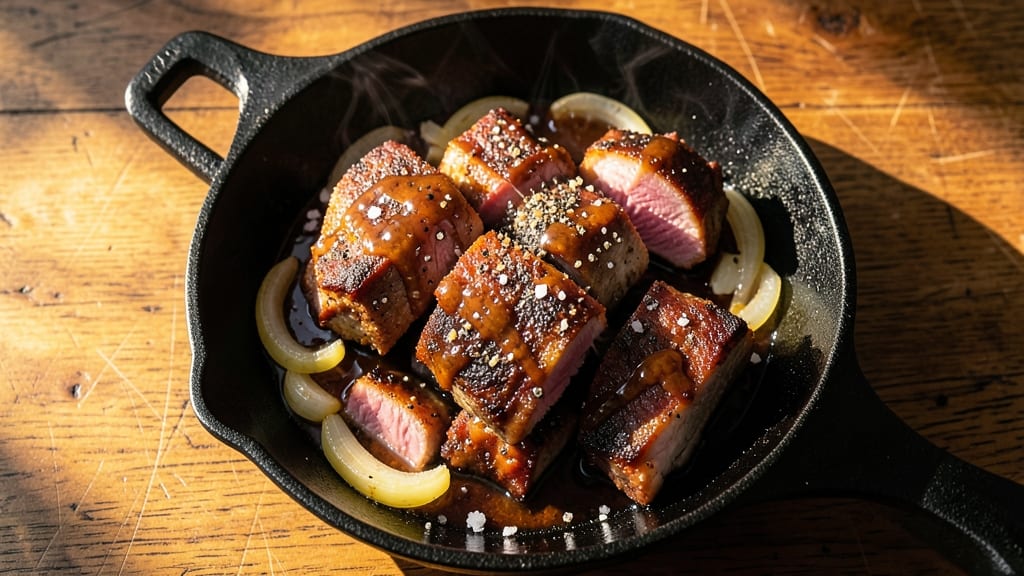
This boneless pork shoulder country-style ribs recipe turns simple ingredients into melt-in-your-mouth magic—where slow cooking rewards you with effortless, fork-tender perfection. Growing up in small-town Georgia, I learned that patience and a well-seasoned rub turn tough cuts into something extraordinary.
The secret lies in a dry brine and low-and-slow method that renders fat while keeping the meat impossibly tender.
This method requires just five key ingredients—pork shoulder, salt, pepper, brown sugar, and a touch of vinegar—and about three hours of hands-off time. The vinegar tenderizes the meat while the sugar caramelizes into a sticky glaze, creating that classic country-style flavor.
Unlike traditional ribs, this boneless version cooks through evenly, ensuring every bite is perfect without the mess of bones.
By the time you pull these from the oven, you'll have ribs so tender they practically fall apart at the touch, with a glossy, caramelized crust that makes them irresistible.
The aroma alone will have your kitchen smelling like a Southern cookout, and the texture—juicy, flavorful, and effortlessly rich—is what keeps me coming back to this recipe time and again.
Serve with classic sides like buttery cornbread or tangy coleslaw for a complete meal that feels both comforting and impressive. The beauty of this dish is its versatility—it works for weeknight dinners or weekend gatherings, and leftovers reheat beautifully. Let's get cooking!
Ingredients for pork shoulder country style ribs boneless
Five simple ingredients transform tough pork into melt-in-your-mouth country-style ribs with just slow cooking time.
| Ingredient | Amount | Notes |
|---|---|---|
| Boneless Pork Shoulder 🥩 | 3 lb | Cut into 2-inch chunks for even cooking |
| Kosher Salt 🧂 | 2 tbsp | Diamond Crystal preferred for purity |
| Freshly Ground Black Pepper 🌶️ | 1 tbsp | Cracked peppercorns for maximum flavor |
| Light Brown Sugar 🍚 | ½ cup | Packed for accurate measurement |
| Apple Cider Vinegar 🍎 | 2 tbsp | Bragg or organic preferred |
| Yellow Onion 🧅 | 1 whole | Large, roughly chopped for braising |
| Garlic Cloves 🧄 | 6 cloves | Smashed for intense flavor |
| Fresh Rosemary 🌿 | 2 sprigs | Woody stems for aromatic depth |
| Fresh Thyme 🌿 | 2 sprigs | Leaves only for subtle seasoning |
| Butter 🧈 | 2 tbsp | Unsalted, cold for basting |
| Beef Broth 💧 | 1 cup | Low-sodium for seasoning control |
The pork shoulder is the star—look for well-marbled cuts at your butcher or Costco for the best value. A 3-pound cut feeds four generously, but if you're feeding a crowd, scale up. Freshly ground pepper and Diamond Crystal kosher salt are non-negotiable here—they dissolve evenly and enhance flavor without overpowering. For the brown sugar, light variety keeps the ribs from getting too sweet, but dark works too if you prefer a deeper caramel note. The vinegar? Apple cider vinegar adds brightness, but white vinegar in a pinch won’t ruin the dish.
No fresh rosemary? Dried at one-third the amount works, but the woody stems add depth you can’t replicate. Short on time? Pre-minced garlic from the jar saves steps, though fresh smashed cloves give the best flavor. If you’re avoiding sugar, swap the brown sugar for 1 tbsp molasses—it’s liquid gold for caramelization. The beef broth can be subbed with water plus 1 tsp soy sauce if you’re watching sodium, but don’t skip it entirely—the liquid helps render the fat and keeps the ribs moist.
These ribs reheat like a dream—just warm in the oven with a splash of broth for 10-15 minutes until heated through. Store leftovers in the fridge for up to 5 days, covered tightly to trap moisture. For longer storage, freeze portions in airtight containers for up to 3 months. Pro tip: Let the ribs cool completely before refrigerating to prevent condensation, which can make them soggy.
Why You'll Love This Recipe
- No Fuss, Big Payoff: I swear by this recipe because it’s the kind of meal that feels like a hug—just four ingredients (plus salt and pepper) and a slow cooker. Honestly, I’ve made it while answering emails, and it still turned out tender enough to melt.
- Sweet-Savory Magic: That brown sugar and apple cider vinegar combo? It’s the secret weapon—caramelized edges with a tangy bite that makes every bite feel special. Between us, my kids ask for seconds before I even finish serving.
- Weeknight Wonder: I keep a big batch in the fridge for lazy Mondays or when friends drop by unannounced. Slice it thin, serve it cold with pickles or hot on toast—it’s the ultimate “I didn’t plan this but it’s perfect” dish.
- Budget-Friendly Feast: Pork shoulder is my go-to for stretching meals without sacrificing flavor. A single cut feeds four, and leftovers reheat beautifully—whether in tacos, sandwiches, or straight from the pan. (Yes, even on a Tuesday night.)
Step-by-step instructions for slow-braised pork shoulder country style ribs
Here's how to transform tough pork shoulder into melt-in-your-mouth country-style ribs using just a few simple ingredients.
Prep the Pork Shoulder for Maximum Flavor
Begin by cutting the 3 lb boneless pork shoulder into 2-inch chunks for even cooking. Pat each piece dry with paper towels—this helps the seasoning adhere and creates a better crust later. In a large bowl, combine the 2 tbsp kosher salt, 1 tbsp freshly ground black pepper, 0.5 cup packed light brown sugar, and 2 tbsp apple cider vinegar. Mix well to create a sticky, flavorful paste.
Coat each pork chunk thoroughly with this mixture, pressing it into the meat so it clings. Let the seasoned pork sit at room temperature for 15 minutes while you prep the rest of your ingredients. This resting period allows the seasoning to penetrate and the meat to cook more evenly. I like to use a wire rack over a baking sheet here to prevent the chunks from steaming in their own juices.
Sear the Pork for Deep Flavor
Heat a large Dutch oven over medium-high heat. Add the 2 tbsp cold unsalted butter and let it melt completely. Working in batches if needed, add the pork chunks and sear for 2-3 minutes per side until they develop a deep golden-brown crust. This step is crucial—it locks in moisture and builds layers of flavor. Don't crowd the pan or the temperature will drop, preventing proper browning.
As you sear, remove the pork and set it aside. In the same Dutch oven, add the 1 whole yellow onion (roughly chopped) and 6 smashed garlic cloves. Cook for 3-4 minutes until the onions soften and begin to caramelize. This forms the aromatic base for your braise. If the onions stick, add 1-2 tablespoons of beef broth to deglaze the pan.
Braise Until Fork-Tender
Return all the pork to the Dutch oven along with the onions and garlic. Add the 2 sprigs fresh rosemary (woody stems included) and 2 sprigs fresh thyme (leaves only). Pour in the 1 cup beef broth, making sure to scrape up any browned bits from the bottom of the pan. These bits are packed with flavor that will infuse into your pork.
Bring the mixture to a gentle simmer, then reduce heat to low. Cover the Dutch oven and let it cook for 2.5-3 hours until the pork is fork-tender. You'll know it's done when a fork slides in easily and the meat pulls apart with minimal resistance. The liquid should have reduced significantly, creating a rich, glossy sauce. If the liquid evaporates too quickly, add 1-2 tablespoons of water to maintain moisture.
Finish and Serve with Crispy Edges
Once the pork is tender, remove the lid and increase the heat to medium-high. Let the liquid reduce for an additional 5-7 minutes until it thickens slightly and coats the back of a spoon. This step intensifies the flavors and creates a glossy finish. Stir in the 2 tbsp cold butter, letting it melt and emulsify into the sauce for extra richness.
Transfer the pork to a serving platter, spooning the sauce over the top. The ribs should be fall-apart tender with a caramelized exterior and a sauce that clings beautifully. Serve immediately with crusty bread to soak up every last bit of that delicious braising liquid. For extra crispiness, you can broil the pork for 2-3 minutes at the end, but be careful not to overdo it or the meat will dry out.
Pro Tips For Making Pork Shoulder Country Style Ribs Boneless
- Trim the Fat First: Cut away the thickest layers of fat before cooking—it’s not just about looks. I learned this the hard way when my first batch rendered so much grease it nearly drowned the ribs in their own oil, making the sauce greasy instead of glossy.
- Salt in Layers: Season the pork shoulder before cooking, then again after searing—don’t skip the post-sear salt. The first layer helps with browning, but the second ensures even flavor penetration, especially since boneless cuts dry out faster.
- Braise Until Tender: Check for doneness at 195°F internal temp, but don’t rush—pull it when it shreds easily with a fork. I used to pull at 190°F, and the ribs were still chewy. The extra 5 minutes in the liquid makes all the difference.
- Deglaze with Vinegar: After searing, splash in the apple cider vinegar immediately—it cuts through the fond and adds tang without overpowering. I was skeptical until I tried it: the sauce thickens better and clings to the meat. (Yes, even if you’re impatient like me.)
Perfect pairings for pork shoulder country style ribs boneless
Classic Southern Sides
Nothing beats these ribs with creamy, tangy coleslaw—I make mine with shredded cabbage, carrot, and a dressing of mayonnaise, apple cider vinegar, and a pinch of cayenne.
For extra crunch, add toasted pecans on top. A warm buttery cornbread with a hint of honey completes the meal perfectly. 🥗
BBQ Sauce Drizzle
For a modern twist, serve these ribs with a homemade BBQ sauce drizzle. I love a smoky tomato-based sauce with black pepper and a touch of brown sugar—just brush it on lightly before serving.
This adds a sweet-spicy contrast that balances the caramelized richness of the ribs. A vinegar-based slaw also pairs beautifully with the bold flavors.
Crispy Potato Wedges
Swap traditional sides for crispy potato wedges tossed in olive oil, smoked paprika, and sea salt. Bake at 425°F for 25-30 minutes until golden and fluffy. The starchiness of the potatoes soaks up the braising sauce beautifully, making every bite even more satisfying. 🍟
Herbed White Wine
Pair these ribs with a dry white wine like Sauvignon Blanc—its crisp acidity cuts through the richness. For a non-alcoholic option, try sparkling apple cider with a splash of lemon juice and fresh mint. The effervescence cleanses your palate between bites, letting the ribs shine. 🍷
Pickled Vegetables
Add brightness with quick-pickled vegetables—I love thinly sliced cucumbers, red onions, and radishes in a rice vinegar, sugar, and salt brine. These add a refreshing crunch and acidity that balances the sweetness of the caramelized ribs.
Serve on the side or mix into a slaw for extra texture. 🥒
Bread Pudding Finale
Save room for a warm bread pudding drizzled with vanilla ice cream—the custardy sweetness contrasts perfectly with the savory ribs. Use stale cornbread or challah for the best texture. This Southern classic turns leftovers into a decadent dessert. 🍞
Nutrition facts
Frequently asked questions
Can I use pork shoulder with bones for this recipe?
While this recipe is designed for boneless pork shoulder, you can adapt it with bone-in cuts by adjusting the cooking time. Bone-in pieces will take 30-45 minutes longer to reach fork-tender perfection. Simply add the bones back after searing and braise until the meat pulls apart easily. The bones won't interfere with the process, but they'll add extra richness to your sauce.
What's the best way to reheat these ribs?
Reheat in a 350°F oven for 10-15 minutes with a splash of beef broth or water to restore moisture. For stovetop reheating, use low heat with the sauce and simmer gently for 5-7 minutes. Never microwave—it makes the meat tough. The ribs reheat beautifully and taste just as good as fresh!
Can I make this recipe in a slow cooker?
After searing the pork, transfer everything to a 6-quart slow cooker and cook on low for 8 hours or high for 5-6 hours. The slow cooker's gentle heat will create tender ribs with minimal effort. Just add 1/2 cup extra broth to prevent drying out. The flavors will meld beautifully in the enclosed environment.
Why do my ribs turn out dry?
Dry ribs usually happen from overcooking or insufficient liquid. Always check doneness with a fork—it should slide in easily. If the liquid evaporates too quickly, add 1-2 tbsp broth or water during cooking. For extra moisture, baste the ribs with the cooking liquid every 30 minutes. The key is patience: 2.5-3 hours at low heat ensures perfect tenderness without drying out.
What's the best cut of pork for this recipe?
Look for a well-marbled pork shoulder (also called Boston butt) with visible fat streaks. The fat renders during cooking, keeping the meat juicy. Avoid lean cuts—they'll dry out. If your butcher offers heritage pork like Gloucestershire Old Spots, it has superior flavor and texture. A 3-pound cut serves 4 generously, but scale up for larger groups.