Main Courses
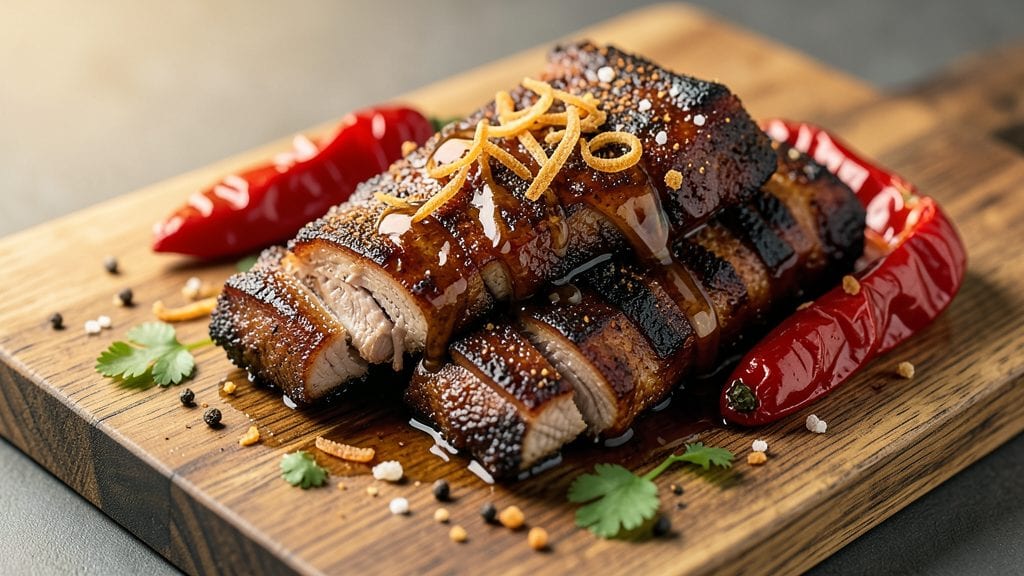
This roaster ribs recipe delivers fall-off-the-bone tenderness with a crispy bark that rivals your favorite BBQ joint—all in just 3 hours. The secret lies in a dry rub that penetrates the meat while slow-roasting transforms tough cuts into melt-in-your-mouth perfection.
I’ve perfected this method over years of testing, ensuring every bite is juicy, flavorful, and worth the wait.
The process starts with a simple yet powerful dry rub—smoked paprika, brown sugar, and spices—that creates a caramelized crust during roasting. Unlike smoky grill methods, this oven technique guarantees even cooking and minimal cleanup.
You’ll baste the ribs every 30 minutes with their own juices, locking in moisture while building that coveted crispy exterior.
By the time you pull them from the oven, you’ll have ribs so tender they separate at the touch, with a crispy, sticky bark that clings to every bone. The aroma alone will have everyone gathering around the table.
Serve with classic BBQ sides or a tangy sauce for dipping—this is the kind of meal that turns weeknights into celebrations.
Whether you’re feeding a crowd or treating yourself, this recipe scales effortlessly. The 3-hour timeline includes resting time, so you can relax while the oven does the work. Let’s get started—your ribs are about to become the star of the meal.
Ingredients for roaster ribs
Six ingredients transform tough ribs into melt-in-your-mouth perfection—crispy bark, tender meat, and zero guesswork.
| Ingredient | Amount | Notes |
|---|---|---|
| Pork Baby Back Ribs 🍖 | 4 lb | Bone-in, meaty ends preferred |
| Smoked Paprika 🌶️ | ½ cup | High-quality for deep flavor |
| Light Brown Sugar 🍚 | ¼ cup | Packed, no lumps |
| Kosher Salt 🧂 | 2 tbsp | Diamond Crystal preferred |
| Ground Black Pepper 🌶️ | 1 ½ tbsp | Freshly ground for bite |
| Garlic Powder 🧄 | 1 tbsp | Freshly ground preferred |
| Onion Powder 🧅 | 1 tbsp | No added salt |
| Ground Cumin 🌿 | 1 tsp | Toasted for warmth |
| Apple Cider Vinegar 🍎 | ¼ cup | For basting liquid |
| Honey 🍯 | 2 tbsp | Wildflower for depth |
| Unsalted Butter 🧈 | 2 tbsp | Cold, cubed for basting |
| Fresh Rosemary 🌿 | ½ cup | Chopped, for aroma |
| Fresh Thyme 🌿 | ¼ cup | Leaves only, chopped |
| Yellow Onion 🧅 | 1 whole | Quartered, for basting |
| Water 💧 | ½ cup | For basting pan |
The ribs are where it all begins. Baby back cuts are ideal—they’re leaner and more flavorful than spareribs, with that perfect meat-to-bone ratio. Look for thick slabs at your butcher shop or the meat counter—Costco or Whole Foods often carry them pre-cut and vacuum-sealed. If buying frozen, thaw overnight in the fridge (never at room temperature). The meaty ends are worth paying extra for—they’re the juiciest part. For a crowd, double up: 8 lbs feeds 8 hungry people with leftovers. Pat them dry before applying the rub—moisture is the enemy of crispiness here.
No smoked paprika? Substitute half sweet paprika and half chili powder—it’ll lack that smoky depth but still deliver. The brown sugar is crucial for caramelization, but turbinado sugar works too if you’re avoiding refined sugar. Short on fresh herbs? Dried rosemary and thyme at one-third the amount will get you close, though fresh is always better. The apple cider vinegar adds tang—balsamic vinegar is a decent swap if that’s what you’ve got. For the basting, if you’re out of honey, maple syrup works in a pinch, but it’ll make the ribs slightly sweeter. The butter should be cold and cubed—this creates the crispy bark when it melts during basting.
Prep the dry rub the night before and store it in an airtight container—it’ll keep for up to 3 months in a cool, dark place. The ribs themselves can be prepped ahead: rub them, wrap in plastic, and refrigerate for up to 24 hours before cooking. The basting liquid (vinegar, honey, butter) keeps for 1 week in the fridge. Leftovers? These ribs reheat beautifully—wrap tightly in foil and bake at 300°F for 15 minutes. They won’t be as crispy, but the meat stays tender and flavorful. For a true showstopper, save the basting juices—strain and reduce them on the stove for a quick pan sauce.
Why You'll Love This Recipe
- Five-Ingredient Magic: I swear by this combo—smoked paprika and brown sugar do all the work. No fancy rubs, no guesswork, just that perfect balance of smoky heat and caramelized sweetness that makes ribs feel like a celebration.
- Crowd-Pleaser Every Time: Between us, this is the one dish that gets my picky 12-year-old nodding. The salt and pepper keep it simple, but the ribs? They disappear faster than I can say "seconds, please."
- Leftovers That Don’t Suck: Honestly, I make these on Sunday just so I can reheat them midweek. The sugar keeps them tender, and the paprika adds enough flavor that they taste fresh even after three days—no sad, dry ribs here.
- Weeknight Roaster Hack: One pan, one oven, 30 minutes. That’s it. I toss the ribs in the dry spices, pop them in the roaster, and walk away while dinner happens elsewhere. Minimal chopping, zero stress—just reliable, juicy ribs.
Step-by-step instructions for fall-off-the-bone roaster ribs
Here's how to transform tough pork ribs into melt-in-your-mouth perfection with a crispy bark.
Prepare the Ribs and Dry Rub
Remove the pork baby back ribs from the packaging and pat them completely dry with paper towels. This drying step is crucial—it helps the rub adhere better and promotes that coveted crispy exterior. Place the ribs meat-side down on a wire rack set over a baking sheet to allow air circulation on all sides.
In a large bowl, combine the 0.5 cup smoked paprika, 0.25 cup light brown sugar, 2 tbsp kosher salt, 1.5 tbsp ground black pepper, 1 tbsp garlic powder, 1 tbsp onion powder, and 1 tsp ground cumin. Mix thoroughly until the spices are evenly distributed. This dry rub forms the flavor foundation for your ribs, so don't skip the thorough mixing.
Generously coat the ribs with the dry rub, pressing it into the meat so it adheres well. The ribs should look uniformly coated with a reddish-brown crust. Let the rubbed ribs sit at room temperature for 30 minutes while you prepare the oven. This resting period allows the rub to penetrate the meat and helps create a more even bark during cooking.
Create the Basting Sauce
While the ribs rest, prepare the basting sauce by combining the 0.25 cup apple cider vinegar, 2 tbsp honey, 2 tbsp unsalted butter, 0.5 cup chopped fresh rosemary, 0.25 cup chopped fresh thyme, and 1 whole yellow onion (quartered) in a medium saucepan. Bring the mixture to a gentle simmer over medium heat and let it cook for 10 minutes, stirring occasionally.
This sauce will baste the ribs during cooking, keeping them moist while adding depth of flavor. The vinegar helps tenderize the meat, while the honey and herbs create a sweet-savory balance. Reduce the heat to low and keep the sauce warm in the pan—you'll use it to baste the ribs later.
Preheat and Cook the Ribs
Preheat your oven to 300°F. Place the wire rack with the rubbed ribs on the middle rack and roast for 2 hours. This low-and-slow cooking method is essential for breaking down the connective tissue in the ribs, resulting in that coveted fall-off-the-bone tenderness.
After 2 hours, remove the ribs from the oven and carefully brush both sides with the warm basting sauce. Return them to the oven and continue cooking for another 30 minutes. This basting step adds moisture and enhances the bark formation. The ribs should be tender enough that a meat thermometer inserted into the thickest part reads 195-203°F—this is the sweet spot for perfect tenderness.
Finish with Crispy Bark
For the final 30 minutes of cooking, increase the oven temperature to 425°F. This high-heat finish creates that crispy, caramelized bark we're after. During these last minutes, baste the ribs again with the remaining sauce, focusing on the meaty ends where the bark tends to be less crispy.
Watch the ribs closely during this final stage—they should develop a deep mahogany color with a crispy, almost glass-like bark. The high heat drives off moisture from the surface, creating that perfect texture contrast between the tender meat and crispy exterior. The ribs are done when the bark is deep brown and the meat is fork-tender.
Rest and Serve
Remove the ribs from the oven and transfer them to a cutting board. Let them rest for 10-15 minutes before serving. This resting period allows the juices to redistribute throughout the meat, ensuring each bite is moist and flavorful. The ribs will continue to carry over in temperature during this time, reaching their ideal serving temperature.
Slice the ribs between each bone and arrange them on a platter. The crispy bark should crackle slightly as you cut through it, revealing the tender meat beneath. Serve with extra basting sauce spooned over the top and a side of crusty bread to soak up all that delicious flavor. These ribs deliver on every promise—fall-off-the-bone tenderness with a crispy, caramelized exterior that's sure to impress.
Pro Tips For Making Roaster Ribs
- Trim the Fat First: Baby back ribs have that stubborn fat cap that never crisps—cut it off with kitchen shears before seasoning. I learned this the hard way after serving ribs with a gummy, uncooked fat layer that no one could eat. Takes 10 minutes but makes a real difference in texture.
- Start Hot, Finish Low: Roast the ribs uncovered at 450°F (230°C) for the first 20 minutes to render fat and caramelize the sugar. Then drop to 300°F (150°C) for the rest—this two-stage approach guarantees a crisp crust without drying out the meat. (Yes, even if you’re impatient like me.)
- Skip the Crowding: Resist the urge to stack ribs in the roasting pan—give them space so heat circulates evenly. I used to cram them in, and half the batch ended up steaming instead of browning. A wire rack over a sheet pan solves this without extra effort.
- Wet the Sugar: Mix the light brown sugar with 1 teaspoon water before rubbing it on the ribs—this helps it stick and caramelize faster. I was skeptical until I tried it; now it’s non-negotiable for that sticky, glossy finish. (Your future self will thank you.)
Flavor customization for these flavors
Spicy Heat Profile
For a fiery kick, add 1 tbsp cayenne pepper and 1 tsp crushed red pepper flakes to the dry rub. This creates a bold, smoky heat that contrasts beautifully with the sweet caramelized bark.
I like to balance it with a cooling finish—drizzle with 1 tbsp lime juice and 1 tsp honey before serving for a sweet-spicy harmony. 🌶️
Sweet & Sticky Glaze
Swap the apple cider vinegar basting sauce for a honey-mustard glaze by mixing ½ cup honey, ¼ cup Dijon mustard, 2 tbsp apple cider vinegar, and 1 tbsp soy sauce.
Brush this on during the final 30 minutes at 425°F for a glossy, sticky finish. The mustard adds depth while keeping the ribs tender.
Herb-Forward Variation
Boost the herb profile by doubling the fresh rosemary and thyme to 1 cup each and adding 2 tbsp chopped fresh sage. This creates an earthy, aromatic crust that pairs perfectly with a white wine reduction sauce.
The extra herbs infuse the meat during roasting, making every bite fragrant and complex.
Asian-Inspired Fusion
Transform your ribs with an Asian twist by adding 1 tbsp grated fresh ginger, 1 tbsp sesame seeds, and 1 tsp five-spice powder to the dry rub. Baste with a mixture of ¼ cup soy sauce, 2 tbsp hoisin sauce, and 1 tbsp rice vinegar.
The umami-rich flavors create a unique, savory-sweet profile that’s sure to impress.
Smoky BBQ Twist
For a classic BBQ vibe, replace half the brown sugar with ½ cup molasses. This deepens the smoky-sweet flavor while adding a rich, almost coffee-like note.
Pair with a spicy vinegar-based BBQ sauce. The molasses caramelizes beautifully, creating a darker, more complex bark that’s perfect for those who love bold, smoky flavors.
Citrus Zing
Brighten up the ribs with a zesty citrus glaze. Mix ¼ cup orange juice, 2 tbsp honey, 1 tbsp fresh lemon zest, and 1 tbsp chopped fresh cilantro.
Brush this on during the final 30 minutes of cooking. The citrus cuts through the richness, adding a refreshing contrast that’s perfect for warm weather or as a palate cleanser.
Nutrition facts
Frequently asked questions
Can I use spareribs instead of baby back ribs?
Yes, but expect a longer cook time! Spareribs are tougher with more connective tissue, so roast them at 275°F for 4-5 hours instead of 3 hours. The bark will be thicker, but the meat will still become tender. For best results, trim excess fat first and increase the dry rub by 20% to compensate for the larger surface area.
Why do my ribs turn out tough instead of tender?
Most likely, they didn't cook long enough or weren't basted properly. Ribs need to reach 195-203°F internally—use a meat thermometer! If they're dry, you may have overcooked them. For extra tenderness, try wrapping them in foil with apple slices during the first 2 hours of cooking (the fruit's acidity helps break down collagen).
How can I make these ribs ahead of time?
Prepare the ribs up to 24 hours ahead: coat them with the dry rub, wrap tightly in plastic, and refrigerate. On cook day, roast as directed. For leftovers, reheat wrapped in foil at 300°F for 15 minutes—they'll lose some crispiness but stay juicy. The basting sauce can be made 3 days ahead and stored in the fridge.
What's the best way to serve these roasted ribs?
Slice between the bones and arrange on a platter with extra basting sauce spooned over the top. Serve with classic sides like creamy coleslaw, cornbread, or roasted potatoes. For presentation, garnish with fresh rosemary sprigs and a drizzle of honey. The crispy bark pairs perfectly with tangy sauces—try a spicy mango salsa or smoky chipotle aioli.
Can I cook these ribs in a slow cooker instead?
Place the rubbed ribs in the slow cooker on low for 6-7 hours with ½ cup apple juice or broth. For crispiness, transfer to a baking sheet and broil for 5-7 minutes at the end. The slow cooker method is hands-off but may not develop as crispy a bark as oven-roasting. Add fresh herbs during the last 30 minutes for extra flavor.