Sauces & Condiments
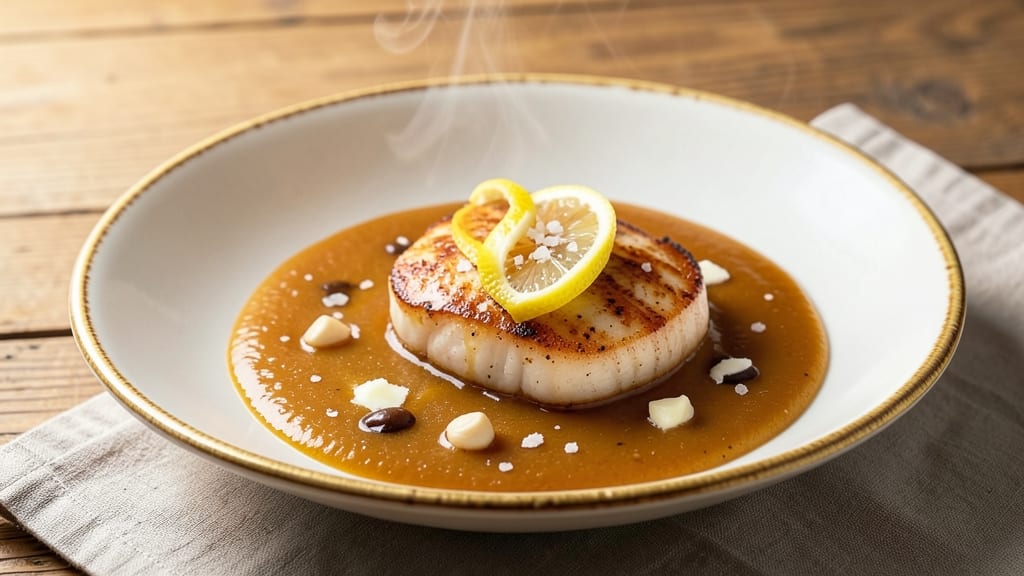
This palomino sauce recipe transforms simple ingredients into a velvety, aromatic sauce that elevates seafood and grilled dishes to restaurant-quality levels. The secret lies in reducing white wine and sherry with butter and garlic, creating a rich, golden finish that pairs perfectly with Cajun shrimp or grilled fish.
I developed this recipe after years of testing—it’s the one sauce that always gets rave reviews.
The beauty of palomino sauce is its versatility and ease. With just five ingredients—white wine, Palomino sherry (or dry white wine), butter, garlic, and a touch of lemon—you’ll achieve a smooth, creamy sauce that’s far more complex than it seems.
The key is patience: letting the wine reduce slowly builds depth, while the butter and garlic infuse the sauce with warmth and richness.
What makes this sauce truly special is its ability to transform ordinary meals into something extraordinary. A drizzle over Cajun shrimp adds a bright, tangy contrast to the spice, while it also works as a luxurious dip for oysters or a finishing touch for grilled steak.
The result is a sauce that’s creamy yet light, with just the right balance of acidity and richness.
Ready in just 15 minutes, this sauce is perfect for last-minute gatherings or weeknight dinners when you want to impress. The best part? It keeps well in the fridge for up to a week, so you can make a batch ahead and enjoy it whenever the craving strikes.
Let’s get started!
Ingredients for palomino sauce
Five simple ingredients create this velvety sauce that takes shrimp and seafood to new heights.
| Ingredient | Amount | Notes |
|---|---|---|
| Dry White Wine 🍷 | 1 cup | Substitute with Palomino sherry if available |
| Palomino Sherry 🍷 | ½ cup | Or dry white wine substitute |
| Unsalted Butter 🧈 | ½ cup | Cold, cubed for best texture |
| Garlic Cloves 🧄 | 4 cloves | Minced or finely chopped |
| Fresh Lemon Juice 🍋 | 1 tbsp | From 1 small lemon |
| Salt 🧂 | ¼ tsp | Fine sea salt preferred |
| Black Pepper 🌶️ | ⅛ tsp | Freshly cracked preferred |
The wine is the backbone here. Dry white wine works perfectly, but if you can find Palomino sherry—like the kind used in sherry casseroles—it’s a game changer. I grab mine from Trader Joe's or the wine section at Whole Foods. The butter? Unsalted is key—you control the saltiness. Cold cubes melt beautifully into the sauce, creating that signature creamy texture. Garlic can be pre-minced to save time, but fresh is always better if you’ve got it. That bright lemon juice cuts through the richness—don’t skip it.
No sherry? Dry white wine alone works, just use the full 1.5 cups. Butter too expensive? Olive oil or ghee can substitute, though the flavor shifts slightly. Garlic powder in a pinch? Use half a teaspoon, but fresh is worth the effort. The sauce thickens as it cools, so if it feels too thin, let it sit 10 minutes before serving. Want extra richness? Add a splash of heavy cream at the end—just 1 tablespoon keeps it light. And if you’re serving with Cajun shrimp, make double—it disappears fast.
This sauce keeps beautifully in the fridge for up to a week, sealed in an airtight container. The flavor actually improves overnight as everything melds. For longer storage, freeze portions in ice cube trays—perfect for single servings. Reheat gently on the stove, stirring constantly, until just warmed through. The sauce thickens when cold, so thin with a splash of wine or water if needed. I always make extra—it’s the first thing I reach for when grilling shrimp or steak.
Why You'll Love This Recipe
- Pantry Magic: I swear by this sauce when I’m staring at a half-empty wine bottle and a sad block of butter. No fancy shopping—just what’s already lurking in my cabinet and fridge. The sherry and wine reduce down to a silky glaze in 15 minutes while I chop garlic, no fancy techniques required.
- Bright & Bold: That first hit of lemon cutting through the richness? Chef’s kiss. The butter and garlic mellow into a velvety base, but the acidity keeps it lively—like a crisp white wine should taste, but 10x more delicious. It’s the kind of sauce that makes you pause mid-bite and think, “Wait, how is this so good?”
- Weeknight Swiss Army: Slather it on grilled fish, drizzle over roasted veggies, or toss with pasta—it’s my go-to when I’m too tired to plan. Honestly, I’ve even used it to deglaze a pan after searing chicken, turning scraps into something restaurant-worthy. The sherry’s depth works everywhere, but the lemon keeps it from feeling heavy.
- Leftovers That Lie: Make a double batch and stash it in the fridge—it actually improves overnight, deepening in flavor. I’ve frozen it in ice cube trays for quick single-use portions, too. And between us? A jar of this costs less than takeout, but tastes like I spent hours in the kitchen. (Spoiler: I didn’t.)
Step-by-step instructions for creamy palomino sauce
Here's how to make this rich, velvety sauce that pairs perfectly with Cajun shrimp.
Melt the Butter and Sauté Garlic
Place the 0.5 cup unsalted butter in a medium saucepan over medium-low heat. Let it melt completely, stirring occasionally until it's fully liquid but not browned. Watch closely—if it starts to foam too vigorously, reduce the heat slightly to prevent burning.
Once the butter is melted, add the 4 cloves minced garlic. Sauté gently for 1-2 minutes until the garlic becomes fragrant and just begins to turn golden—this prevents it from burning and adds depth to the sauce. Keep the heat low to avoid cooking the garlic too quickly, which can make it bitter.
Deglaze with Wine and Sherry
Pour in the 1 cup dry white wine and the 0.5 cup palomino sherry, scraping up any browned bits from the bottom of the pan with a wooden spoon. These bits, called fond, are packed with flavor and will help thicken the sauce. Let the mixture simmer gently for 3-4 minutes until it reduces by about half and becomes slightly syrupy.
Real talk: If you're using a substitute for the palomino sherry, like another dry white wine, the sauce will still work, but the depth of flavor might be slightly different. The sherry adds a unique richness that's hard to replicate, so if you can get your hands on it, use it.
Simmer and Thicken the Sauce
Reduce the heat to low and let the sauce simmer uncovered for 8-10 minutes, stirring occasionally. You're looking for the sauce to thicken slightly and coat the back of a spoon. If it starts to reduce too quickly and looks like it might curdle, add 1-2 tablespoons of water to keep it smooth.
This is where the magic happens—the sauce should transform from a thin liquid into a luscious, creamy consistency. If it's not thickening enough after 10 minutes, continue simmering for another 2-3 minutes. The goal is a sauce that's rich but still pourable, not too thick like gravy.
Finish with Lemon and Seasonings
Remove the sauce from heat and stir in the 1 tablespoon fresh lemon juice, 0.25 teaspoon salt, and 0.125 teaspoon black pepper. The lemon juice brightens the flavors and balances the richness of the butter and wine. Taste the sauce and adjust the seasoning if needed—you might need a pinch more salt or a crack of extra pepper to taste.
Let the sauce sit off the heat for 2-3 minutes to allow the flavors to meld together. This resting time is crucial—it lets the sauce come together and ensures a smooth, cohesive texture. If you're serving it immediately, you can proceed, but if you're making it ahead, let it cool completely before storing.
Strain and Serve
For the smoothest texture, strain the sauce through a fine-mesh sieve into a clean saucepan. This removes any garlic bits and ensures a silky finish. Return the sauce to low heat and keep it warm until ready to serve. If the sauce thickens too much while reheating, whisk in a splash of water or wine to loosen it.
The sauce should be creamy, slightly tangy, and perfectly balanced—rich from the butter and sherry, bright from the lemon, and aromatic from the garlic. Serve it warm alongside Cajun shrimp, grilled seafood, or even as a dipping sauce for crusty bread. Enjoy it while it's hot for the best experience!
Pro Tips For Making Palomino Sauce
- Deglaze Slowly: After sautéing garlic, pour in the dry white wine gradually—about ¼ cup at a time—letting each splash fully evaporate before adding more. I learned this the hard way when I dumped it all in at once and ended up with a thin, boozy glaze instead of a rich reduction. Patience here builds flavor.
- Use Cold Butter: Cut unsalted butter into small cubes and add it last, straight from the fridge. It’ll melt into the sauce smoothly without scrambling or separating—no one wants to salvage a broken emulsion. (Yes, even if you’re impatient like me.)
- Toast Garlic Properly: Cook garlic cloves in butter until they’re golden, not brown—about 2-3 minutes on medium-low. Burned garlic turns bitter fast, and no amount of sherry or lemon can fix it. If you’re nervous, pull them out early and check.
- Reduce Sherry First: Simmer the Palomino sherry alone for 2-3 minutes before adding wine or garlic. This concentrates its nutty depth and cuts the alcohol sharpness—like prepping a strong cup of tea. Skip this, and the sauce tastes thin and flat.
Wine and beer pairings for these flavors
Wine Pairings
Palomino sauce’s bright acidity and creamy richness make it a perfect match for dry Spanish wines like Fino sherry or Albariño. The nutty, citrusy notes of Fino sherry mirror the sauce’s sherry base, while Albariño’s crisp acidity cuts through the butter’s richness.
I always keep a bottle of Williams & Humbert Fino on hand—it’s the gold standard for this pairing. 🍷
For a red wine option, go for a light-bodied Spanish Tempranillo like Rioja Crianza. The wine’s subtle earthiness complements the sauce’s garlic and lemon, while its acidity balances the creaminess. Avoid bold reds like Cabernet Sauvignon—they’ll overpower the delicate sauce.
Beer Pairings
A crisp, dry Spanish lager like Estrella Galicia or Alhambra Reserva is my go-to beer pairing. The beer’s clean, citrusy profile refreshes your palate between bites of Cajun shrimp or grilled fish.
For a craft option, try a Belgian witbier—the coriander and orange peel notes add a fun contrast to the sauce’s richness. 🍺
Avoid heavy, malty beers like stouts or porters—they’ll clash with the sauce’s brightness. Instead, opt for something light and effervescent to keep the meal feeling fresh and balanced.
Cocktail Pairings
For a festive touch, serve your palomino sauce with a gin-based cocktail like a Spanish Spritz. Mix 2 oz gin, 1 oz Palomino sherry, ½ oz lemon juice, and soda water over ice.
The sherry in the sauce ties beautifully into the drink, creating a cohesive flavor experience. Garnish with a lemon twist for that extra zing. 🍹
If you prefer something simpler, a chilled glass of Sauvignon Blanc works wonders. The wine’s herbal notes complement the garlic in the sauce, while its acidity keeps everything feeling light and refreshing.
Non-Alcoholic Options
For a non-alcoholic pairing, try sparkling apple cider or ginger beer. The effervescence cleanses your palate, while the slight tartness of apple cider enhances the sauce’s lemony brightness. I love Martinelli’s Sparkling Apple Cider—it’s crisp and easy to find. 🍎
Another great choice is cucumber-mint infused water. Slice a cucumber and muddle with fresh mint, then add to cold water with ice. The cool, refreshing flavors contrast perfectly with the warm, creamy sauce.
Nutrition facts
Frequently asked questions
What’s the best substitute for Palomino sherry in this sauce?
Use dry white wine like Sauvignon Blanc or Pinot Grigio—just increase the amount to 1.5 cups total (instead of 1 cup wine + 0.5 cup sherry). The flavor won’t be identical, but it’ll still deliver that bright, creamy profile. For extra depth, add ½ teaspoon sherry extract (available at baking stores).
Can I make palomino sauce without butter?
Yes! Swap the butter for ½ cup olive oil or ghee for a dairy-free version. The sauce will be lighter but still rich. For a vegan option, use vegetable broth instead of wine (reduce by half) and finish with 1 tablespoon nutritional yeast for a cheesy note.
Why did my sauce turn out too thick or grainy?
Over-reducing the wine creates thickness, so simmer gently and add 1-2 tablespoons water or wine if needed. Graininess happens from garlic bits—strain the sauce through a fine-mesh sieve for a silky texture. If it curdles, whisk in 1 tablespoon cold butter or cream to smooth it out.
How long can I store leftover palomino sauce?
Store in an airtight container in the fridge for up to 1 week. For longer storage, freeze in ice cube trays—thaw in the fridge overnight. Reheat gently on low heat, stirring constantly, and thin with a splash of wine if needed. The flavor actually improves after resting!
What are the best dishes to serve with this sauce?
This sauce shines with Cajun shrimp, grilled salmon or scallops, and even steak or chicken. It’s also perfect as a dip for crusty bread or oysters. For a vegetarian option, drizzle it over roasted mushrooms or polenta. The key is pairing it with dishes that need a bright, creamy contrast.