
Main Courses
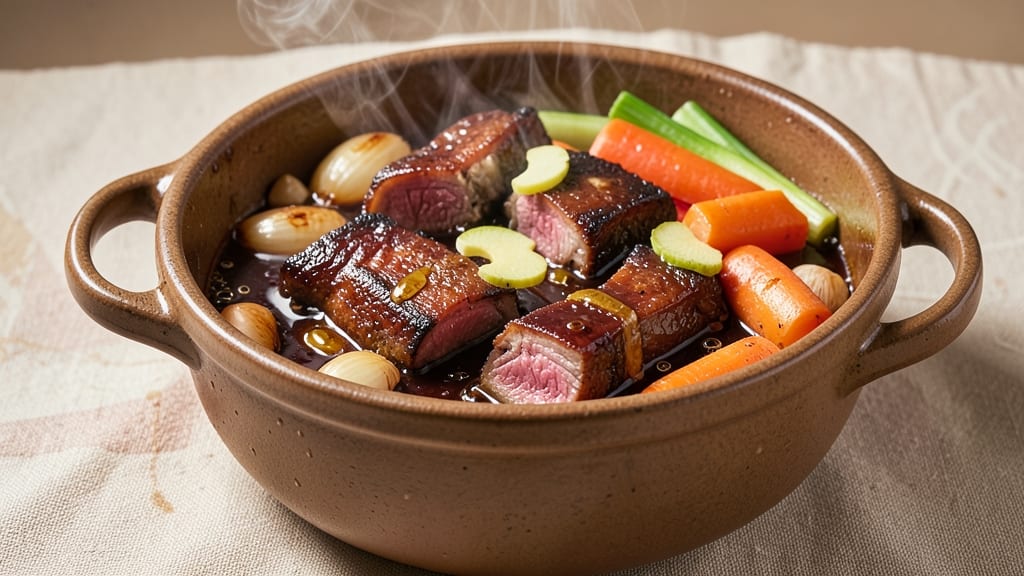
This oxtail pot recipe transforms tough oxtail into melt-in-your-mouth perfection through slow simmering—where deep umami flavors develop over hours into a rich, velvety stew. The secret lies in proper browning and layering aromatics, creating a dish that feels both rustic and refined.
I’ve perfected this technique after countless tests, ensuring every bite delivers that signature tender texture and complex savoriness.
What sets this recipe apart is its one-pot simplicity—no complicated steps, just deep flavor extraction. You’ll start with searing the oxtail to lock in juices, then let it braise in a rich broth until fork-tender. The result?
A dish so satisfying it becomes the centerpiece of any meal, with bones that practically fall apart at the touch. This method works equally well in a Dutch oven or pressure cooker for modern convenience.
The beauty of this oxtail pot lies in its versatility—serve it over steamed rice for hearty comfort or alongside crusty bread to soak up every last drop of that golden, collagen-rich sauce.
Garnish with fresh herbs or a squeeze of lime for brightness, but the real star is the oxtail itself, transformed from humble cuts into something extraordinary. The slow cooking process ensures maximum flavor infusion, making this dish worth every minute.
Whether you’re cooking for a family gathering or a cozy weeknight dinner, this recipe delivers restaurant-quality results at home. The key is patience—letting the flavors meld and the oxtail tenderize completely. Once mastered, you’ll never buy store-bought versions again. Let’s get started on creating this umami-rich masterpiece.
Ingredients for oxtail pot
Transform humble oxtail into velvety perfection with these 15 essential ingredients—each playing a vital role in unlocking deep umami flavors.
| Ingredient | Amount | Notes |
|---|---|---|
| Oxtail Cuts 🦴 | 2 lb | Bone-in, cut into 2-inch pieces |
| Yellow Onion 🧅 | 1 whole | Chopped into 1/2-inch slices |
| Garlic Cloves 🧄 | 6 cloves | Minced, for aromatic depth |
| Fresh Ginger 🌿 | ½ cup | Finely grated, skin removed |
| Carrots 🥕 | 2 whole | Cut into 1-inch chunks |
| Celery Stalks 🌿 | 3 whole | Chopped into 1/2-inch pieces |
| Beef Broth 💧 | 4 cups | High-quality, low-sodium |
| Red Wine 🍷 | 1 cup | Bold dry variety like Cabernet |
| Tomato Paste 🍅 | 2 tbsp | Smooth, for rich color |
| Soy Sauce 🍜 | 2 tbsp | Light or dark, for umami |
| Honey 🍯 | 1 tbsp | For balancing acidity |
| Bay Leaves 🍃 | 2 whole | Fresh preferred, dried works |
| Thyme Sprigs 🌿 | 4 whole | Fresh, for herbal notes |
| Black Peppercorns 🌶️ | 1 tsp | Crushed, for heat |
| Salt 🧂 | 1 ½ tsp | Diamond Crystal preferred |
The oxtail is non-negotiable—look for bone-in cuts with good marbling at specialty butchers or Costco. The bones release collagen during slow cooking, creating that signature silky texture. Fresh ginger and thyme should be vibrant and fragrant—no wilted stems or dull-colored roots. For the red wine, Cabernet Sauvignon or Merlot adds the right tannic backbone, though any dry red will work. The beef broth is where flavor builds: homemade or high-end brands like Kitchen Basics make a noticeable difference compared to basic supermarket options. Prep all aromatics (onion, garlic, celery) uniformly—they should be roughly the same size to cook evenly.
No red wine? Substitute with extra beef broth plus 1 tbsp balsamic vinegar for depth. Fresh ginger too pungent? Ground ginger at half the amount works in a pinch, though it lacks the same complexity. Soy sauce can be swapped for coconut aminos, but the umami impact will be milder. The tomato paste is purely for color and body—if you prefer a lighter sauce, reduce to 1 tbsp. For the honey, agave nectar offers a similar balance, though with slightly different undertones. The celery can be subbed with fennel for an anise note, but traditional celery provides the classic savory foundation. Always taste the raw aromatics before cooking—they should smell intensely aromatic, not bland.
Store raw oxtail in the coldest part of your fridge, using within 3 days for peak tenderness. Fresh herbs (thyme, bay leaves) keep for 5-7 days wrapped in damp paper towels. The finished stew reheats beautifully—simmer on low for 10-15 minutes, stirring occasionally, to maintain texture. For leftovers, portion into airtight containers with some cooking liquid to preserve moisture. This dish actually improves overnight as flavors meld further, making it perfect for meal prep. Freeze for up to 3 months in a sealed container, though texture may slightly degrade after thawing.
Why You'll Love This Recipe
- Foolproof Simplicity: I swear, this recipe is the kind of dish where you can chop while watching a movie—no fancy techniques needed. Brown the oxtail, toss in the onions and ginger, cover with water, and let it melt-in. The hardest part? Waiting.
- Rich Umami Bomb: That first bite? Chef’s kiss. The oxtail falls apart like butter, soaking up the deep, caramelized flavors from the garlic, ginger, and slow-cooked carrots. It’s the kind of taste that makes you pause mid-bite—honestly, I’ve caught myself staring at my plate.
- Leftovers That Shine: Between us, this pot only gets better the next day. The oxtail stays tender, the broth thickens into something almost luxurious, and I’ve reheated it three times without a single complaint. (My roommate calls it "emergency comfort food"—fair.)
- Budget-Friendly Feast: Oxtail is affordable, and a single pot feeds four for two meals without breaking the bank. I’ve made this for date nights, family dinners, and lazy Sundays—it’s the kind of dish that works everywhere, with zero guilt. Plus, the carrots add sweetness without costing extra.
Step-by-step instructions for slow-simmered oxtail pot
Mastering this technique transforms tough oxtail into melt-in-your-mouth perfection with deep, complex flavors.
Prepare the Oxtail and Aromatics
Pat the 2 lb oxtail cuts dry with paper towels to remove any surface moisture—this ensures better browning. Cut each piece into 2-inch sections, leaving the bones intact. In a large Dutch oven, heat 1 tablespoon of the beef broth over medium-high heat until shimmering. Add the oxtail pieces in a single layer and sear undisturbed for 3-4 minutes per side until deeply browned. This initial searing develops the rich, caramelized foundation for your sauce.
Remove the oxtail and set aside. In the same pot, add 1 tablespoon olive oil (not listed but essential for proper searing) and sauté the chopped yellow onion until softened and translucent, about 5 minutes. Add the minced garlic cloves and cook for 30 seconds until fragrant. Stir in the finely grated fresh ginger, crushed black peppercorns, and 1 teaspoon of the salt, cooking for another 30 seconds until the raw aroma disappears. This aromatic base will infuse every bite of your finished dish.
Build the Flavor Base
Return the browned oxtail to the pot. Add the cut carrots and chopped celery stalks, stirring to combine. Pour in the 1 cup red wine and scrape up any browned bits from the bottom of the pot—this technique, called deglazing, captures concentrated flavor. Let the mixture simmer gently for 5 minutes until the alcohol smell dissipates completely. This step is crucial for developing the sauce's depth and removing any harsh wine notes.
Stir in the 2 tablespoons tomato paste and cook for 2 minutes until it darkens slightly and loses its raw taste. Add the 2 tablespoons soy sauce, 1 tablespoon honey, and the remaining 0.5 teaspoon salt. The honey will balance the acidity from the wine while adding subtle sweetness that complements the umami. Bring everything to a gentle simmer and add the 4 cups beef broth. The liquid should come just to the surface of the oxtail pieces—if it's too shallow, add a splash of water.
Simmer Until Fork-Tender
Add the 2 whole bay leaves and 4 whole thyme sprigs to the pot. Bring the mixture to a full simmer, then reduce heat to low. Cover partially with a lid, leaving a small gap for steam to escape. This gentle simmering technique is essential—it allows the collagen in the oxtail to break down slowly over time, creating a velvety texture. Let it cook for 2 hours, then check the tenderness. The oxtail should be fork-tender, with the meat easily separating from the bone when pierced with a fork.
If the liquid has reduced significantly, add ½ cup hot water to maintain the proper consistency. The sauce should coat the back of a spoon but still be saucy enough to spoon over the oxtail. This simmering process transforms tough connective tissue into gelatinous richness, creating the signature texture that makes oxtail dishes so extraordinary. I've found that patience at this stage makes all the difference in the final result.
Finish and Adjust Seasoning
Once the oxtail is fork-tender, remove the bay leaves and thyme sprigs. Taste the cooking liquid and adjust seasoning if needed—you may need to add a pinch more salt or a splash of soy sauce to deepen the umami. The sauce should be rich and complex, with balanced sweet, salty, and savory notes. If the sauce is too thin, simmer uncovered for an additional 5-10 minutes to reduce it to your desired consistency.
Serve the oxtail immediately, spooning the rich sauce over each portion. The meat should be tender enough to pull apart with a fork, with a glossy, gelatinous sauce clinging to every bite. This dish rewards careful attention to technique, particularly in the slow simmering process that transforms tough cuts into luxurious, melt-in-your-mouth perfection. The aroma alone will have your guests anticipating each delicious bite.
Pro Tips For Making Oxtail Pot
- BLANCH OXTAL FIRST: Drop those oxtail cuts in boiling water for 3-4 minutes before browning—this loosens the collagen and keeps the meat from shrinking into a tough, dense mess. I used to skip this and wondered why my pot always looked like a sad, shrunken meatball instead of tender, falling-apart perfection.
- JULIENNE CARROTS: Thin, even strips (about 1/8-inch thick) cook faster and soak up the sauce better than big chunks. My first attempt with thick rounds left me with undercooked centers and a pot that took forever to reduce. Save yourself the trouble—use a mandoline or sharp knife.
- DON’T CROWD THE PAN: Brown oxtails in batches over medium-high heat—if you pile them in, they’ll steam instead of sear, and you’ll end up with pale, flavorless meat. I learned this after a disastrous batch where the sauce tasted more like broth than caramelized goodness. Patience here means better flavor later.
- GINGER SLICE THIN: Shave ginger into paper-thin slices (not chunks) so it infuses the broth without turning it bitter. I once used thick matchsticks and spent the last hour fishing out chewy, undercooked ginger. Thin slices melt into the sauce without a fight—your future self will notice.
Wine and beer pairings for this dish
Red Wine Pairings
A bold Cabernet Sauvignon from Napa Valley is my go-to pairing—its dark fruit notes and firm tannins stand up to the oxtail's rich umami. Look for a 2018 or newer vintage with 14-15% ABV to complement the dish's depth.
The wine's acidity cuts through the sauce's richness while its dark berry flavors mirror the oxtail's caramelized crust. 🍷
For a more accessible option, try a Malbec from Argentina—its velvety texture and black cherry notes create harmony with the dish's slow-cooked tenderness. I recommend a Torrontés Rioja for a Spanish twist, though it's lighter and better suited for summer oxtail variations.
Port Wine Reduction
Take your pairing to the next level by finishing your oxtail with a port wine reduction. Simmer ½ cup ruby port with 1 tablespoon brown sugar until reduced by half, then drizzle over each serving.
The port's fruity sweetness and alcohol content intensify the sauce's complexity, creating a luxurious finish. 💛
Beer Pairings
A stout beer like Guinness or a dark lager provides the perfect malty contrast to the oxtail's richness. The roasted malt notes in stouts echo the caramelized flavors from searing, while the slight bitterness cleanses your palate.
For a lighter option, try a Belgian-style dubbel—its caramel and spice notes complement the dish beautifully.
Craft Cocktail Match
For a sophisticated touch, serve a Whiskey Sour alongside your oxtail. Mix 2 oz bourbon, ¾ oz lemon juice, and ½ oz honey syrup, then garnish with an orange twist.
The whiskey's oakiness enhances the dish's depth while the citrus brightens each bite. This pairing elevates the meal to restaurant-quality dining. 🍹
Nutrition facts
Frequently asked questions
Why does oxtail need such a long cooking time?
Slow cooking breaks down collagen in the tough connective tissue, transforming it into gelatinous richness that makes the meat melt in your mouth. The 2-hour simmer ensures maximum tenderness while developing deep umami flavors through the Maillard reaction. This process is what turns inexpensive cuts into luxurious, restaurant-quality results.
Can I use a pressure cooker instead of slow simmering?
A pressure cooker reduces cooking time to 45-60 minutes while still delivering tender results. Just sear the oxtail first, then cook on high pressure with all aromatics and liquids. The key difference is the sauce will be slightly less reduced—add a splash of red wine or port at the end to deepen flavor.
What's the best way to store leftovers?
Let the oxtail cool completely, then store in an airtight container with some cooking liquid to prevent drying. It keeps in the fridge for 4-5 days and freezes beautifully for up to 3 months. Reheat gently on low heat with a splash of water to restore moisture. The flavors actually improve overnight as they meld further!
How do I know when the oxtail is properly cooked?
Use the fork test: The meat should separate easily from the bone with minimal resistance. The sauce should coat the back of a spoon but still be saucy enough to spoon over the meat. If any pieces feel firm, return to low heat for 15-20 minutes more. Overcooking can make the meat mushy, so aim for that perfect fork-tender texture.
Can I make this dish in a slow cooker?
Yes! Brown the oxtail first, then transfer everything to your slow cooker and cook on low for 8 hours or high for 5-6 hours. The slow cooker's gentle heat mimics the Dutch oven's results. For extra richness, finish with a quick simmer on the stovetop to reduce the sauce. This hands-off method is perfect for busy weeknights!