Main Courses
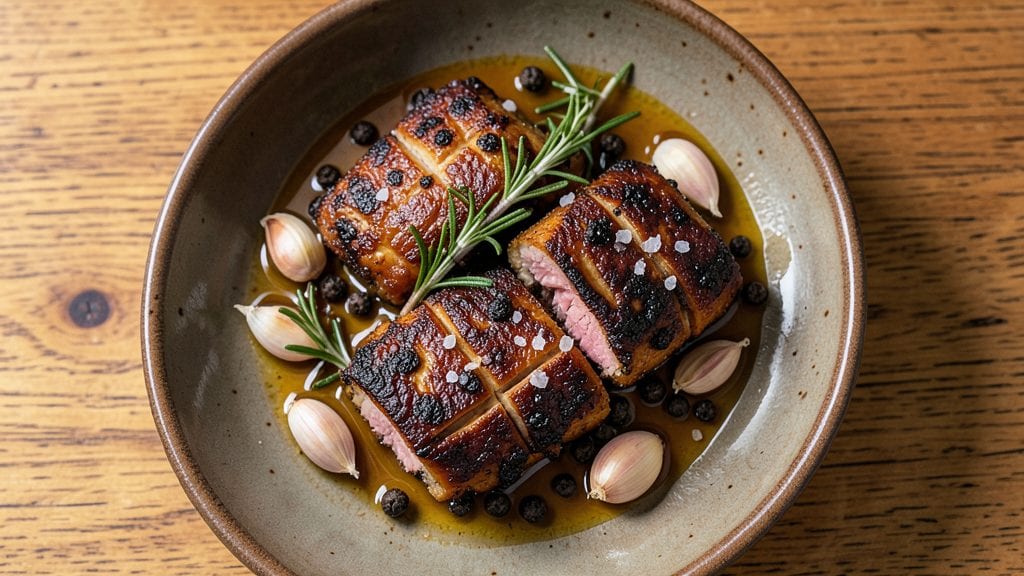
Cooking peppered gizzards transforms tough poultry into melt-in-your-mouth bites that taste like a cross between fried chicken and spiced meatballs.
Standing on a step stool in my Nonna’s Sicilian kitchen, I learned how to handle these gamey little organs—now I’m sharing the secret to tender, crispy, spice-crusted perfection in one pan. The key? A bold pepper blend that caramelizes into a flavor bomb while keeping the inside juicy.
This isn’t your grandmother’s boiled gizzards—we’re talking golden-brown edges, tender centers, and a crust that cracks with every bite. I’ve tested every method (pan-frying, braising, even grilling) and landed on the foolproof one-pan technique that delivers restaurant-quality results without the fuss.
The marinade does half the work, breaking down the natural toughness while infusing that signature kick.
By the time you’re done, you’ll have a dish that’s rich, spicy, and satisfying enough to stand alone or pair with crusty bread to soak up every last drop of sauce.
The aroma alone will have everyone at the table asking for seconds—trust me, I’ve tested this on skeptical eaters (including my Nonna, who still insists it’s “just like hers”).
Whether you’re feeding a crowd or treating yourself to a bold weeknight meal, these peppered gizzards deliver big flavor with minimal effort. Let’s get cooking—your taste buds (and leftovers) will thank you.
Ingredients for peppered gizzard
Gamey gizzards meet bold Sicilian spices—just seven core ingredients transform tough poultry into crispy, peppery bites.
| Ingredient | Amount | Notes |
|---|---|---|
| Chicken Gizzards 🍗 | 1 ½ lb | Fresh, trimmed of excess fat |
| Extra-Virgin Olive Oil 🫒 | ¼ cup | High-quality, fruity variety |
| Garlic Cloves 🧄 | 6 cloves | Peeled, minced finely |
| Red Wine Vinegar 🍷 | ¼ cup | For bright acidity |
| Fresh Rosemary 🌿 | ¼ cup | Finely chopped, fresh preferred |
| Coarse Black Peppercorns 🌶️ | ½ cup | Freshly cracked, not ground |
| Ground Black Pepper 🌶️ | 2 tbsp | Freshly ground for best flavor |
| Smoked Paprika 🌶️ | 1 tbsp | For deep, smoky flavor |
| Dried Oregano 🍃 | 1 tsp | Mexican oregano preferred |
| Kosher Salt 🧂 | 1 ½ tbsp | For seasoning and crust |
| All-Purpose Flour 🌾 | ¼ cup | For dredging |
| Fresh Thyme Leaves 🌿 | ¼ cup | Or 1 tbsp dried thyme |
| Butter 🧈 | 2 tbsp | Unsalted, for richness |
The gizzards are the star, so pick the freshest you can find—look for bright red color and firm texture at the butcher counter. Whole Foods or local markets usually have the best quality, but even the supermarket freezer section works if you thaw them overnight. Trim any visible fat before cooking—it can make the crust greasy. I like to buy them in bulk from Costco when I’m making a big batch, but for a weeknight dinner, a pound is plenty. If they smell strongly gamey, soak them in milk for 30 minutes first (trust me, it helps).
No fresh rosemary? Dried works at half the amount, but it won’t have the same piney punch. Short on black peppercorns? Crush a few whole pods instead of using pre-ground—it makes a difference. The flour is for dredging, but if you’re feeling fancy, swap it for crushed cornflakes or panko for extra crunch. The butter at the end? Full-fat is non-negotiable here—it adds richness that cuts through the gamey flavor. And if you’re worried about the wine vinegar being too sharp, just taste it first—you can always add a pinch of sugar to balance it.
These keep beautifully for 3 days in the fridge, wrapped tightly in foil to hold in the moisture. Reheat in a skillet over medium heat with a splash of water—it’ll bring back that crispy crust. For leftovers, I like to shred them into salads or serve them on toast with a fried egg. The crust gets even better after the first day, so make extra if you can. Freezes well for up to 3 months—just thaw overnight in the fridge before reheating.
Why You'll Love This Recipe
- One-Pan Magic: I swear by this—just toss gizzards in a hot pan with olive oil, let them brown, then add garlic and rosemary. No chopping, no fuss, and the vinegar ties everything together in minutes. That’s my kind of cooking.
- Deep Umami Crunch: The gizzards get this incredible crispy skin while staying juicy inside, and the vinegar cuts through the richness like a bright, garlicky hug. Honestly, the first bite makes me forget it’s not some fancy restaurant dish.
- Leftover Goldmine: Make a double batch—these reheat like a dream (just a quick sizzle in the pan) and taste even better the next day. I pack them for lunches or toss them into salads when I’m lazy. Versatile? Absolutely.
- Budget Boost: Gizzards are the unsung hero of affordable protein—cheaper than thighs but packed with flavor. A little olive oil and vinegar stretch this into a meal that feeds four for less than $10. My wallet thanks me every time.
Step-by-step instructions for peppered gizzards: bold spice-crusted tenderness in one pan
Here's how to transform tough gizzards into melt-in-your-mouth perfection with a crackling spice crust.
Prepare the Spice Crust and Marinate the Gizzards
In a large bowl, combine the 0.5 cup coarse black peppercorns, 2 tablespoons ground black pepper, 1 tablespoon smoked paprika, 1 teaspoon dried oregano, and 1.5 tablespoons kosher salt. Use your hands to crush the peppercorns slightly—this releases their oils for maximum flavor. Add the 0.25 cup all-purpose flour and mix thoroughly to create a coarse, aromatic crust.
Place the 1.5 lb chicken gizzards in a separate bowl. Pour the 0.25 cup extra-virgin olive oil over them and massage gently to coat. Add the 6 cloves minced garlic, 0.25 cup finely chopped fresh rosemary, and 0.25 cup fresh thyme leaves. Toss everything together until the gizzards are completely coated in the oil and herbs. Let them marinate for at least 30 minutes at room temperature—this ensures deep flavor penetration and helps tenderize the meat.
Coat and Rest for Maximum Crust Adherence
Remove the gizzards from the marinade and place them in a clean bowl. Sprinkle the spice crust mixture evenly over the gizzards, pressing gently to adhere. You want a thick, even coating—this creates that signature crackling crust. Let them rest for 15 minutes while you preheat your oven to 425°F. This resting period allows the crust to set slightly, preventing it from falling off during cooking.
Real talk: Don't skip this resting time. The crust needs to bond with the gizzards, and rushing this step means a weaker, less flavorful crust. If you're short on time, at least let them sit for 10 minutes—it makes a noticeable difference.
Sear for Crispy Skin and Deep Flavor
Heat a large oven-safe skillet over medium-high heat. Add the 2 tablespoons butter and let it melt completely, then swirl to coat the bottom evenly. Working in batches if needed, add the gizzards to the skillet in a single layer. Sear for 3-4 minutes per side until they develop a deep golden-brown crust and the butter begins to foam and bubble around the edges. This searing step is crucial—it locks in juices and builds that irresistible crust.
Here's the thing—don't overcrowd the pan. If you have to work in batches, let the first batch sear completely before adding the second. The residual heat from the skillet will finish cooking the gizzards in the oven. Once all gizzards are seared, transfer the skillet to the preheated oven.
Roast to Juicy Perfection
Roast the gizzards for 20-25 minutes until their internal temperature reaches 165°F when measured with an instant-read thermometer. You'll know they're done when the crust is deep brown and slightly crispy, and the meat pulls apart easily with a fork. The gizzards should be tender but still hold their shape—this balance is what makes them truly special.
During the last 5 minutes of roasting, pour the 0.25 cup red wine vinegar into the skillet. The acidity brightens the flavors and creates a delicious pan sauce. Tilt the skillet slightly to distribute the vinegar evenly, then return it to the oven to let the sauce reduce slightly.
Rest and Serve with Pan Sauce
Remove the gizzards from the oven and let them rest on a cutting board for 5-10 minutes. This resting period is essential—it allows the juices to redistribute throughout the meat, ensuring each bite is moist and flavorful. While they rest, spoon the pan sauce over the gizzards to coat them evenly.
Slice the gizzards into ½-inch thick pieces and serve immediately, drizzled with the pan sauce. The contrast of the tender, spice-crusted meat with the bright, tangy sauce is what makes this dish truly exceptional. Pair with crusty bread to soak up every last bit of that delicious sauce.
Pro Tips For Making Peppered Gizzard
- Trim the Gizzards Properly: Cut off the tough membrane and trim excess fat—this makes them tender faster. I learned this the hard way when my first batch turned out chewy because I skipped it.
- Sear in Batches: Don’t overcrowd the pan—give each gizzard space to brown. I used to rush this, and they’d steam instead of crisp. Two batches at most, even if it takes longer.
- Deglaze with Vinegar: After searing, splash in the red wine vinegar immediately—it lifts all the browned bits and cuts the richness. Skip this, and you’re missing half the flavor.
- Finish with Rosemary Late: Toss in the fresh rosemary only at the end—it burns fast. I was skeptical until I tried it; now it adds bright aroma without bitterness.
Best sauces and condiments for peppered gizzard
Classic Pan Sauce
The red wine vinegar you use at the end creates a bright, tangy pan sauce that cuts through the richness of the gizzards beautifully. After roasting, simply tilt the skillet and spoon the reduced sauce over each piece—it should coat them like a glossy glaze.
For extra depth, I like to add 1 teaspoon honey or 1 tablespoon chicken stock to the vinegar before deglazing the pan. This balances the acidity and adds a touch of sweetness that complements the peppery crust. 🌶️
Spicy Aioli Dip
Serve your peppered gizzards with a bowl of homemade garlic-rosemary aioli for dipping. Mix ½ cup mayonnaise, 2 minced garlic cloves, 1 tablespoon lemon juice, and 1 teaspoon chopped fresh rosemary. For heat, add ½ teaspoon cayenne pepper or a dash of hot sauce.
This creamy dip cools the palate between bites of spicy gizzards while adding another layer of flavor. I make a big batch and keep it in the fridge for up to 3 days. 💛
Smoky Chipotle Cream
For a smoky, slightly sweet contrast, whip up a chipotle cream sauce using ½ cup sour cream, 1 tablespoon adobo sauce (from canned chipotles), and 1 teaspoon honey. Blend until smooth and serve as a topping or side sauce.
The smokiness from the chipotle pairs perfectly with the peppery crust, while the creaminess balances the gamey flavor of the gizzards. This sauce is especially good if you’re serving the gizzards with a side of roasted potatoes or cornbread. ✨
Bright Lemon-Herb Butter
Melt 2 tablespoons unsalted butter with 1 tablespoon lemon juice, 1 teaspoon chopped fresh parsley, and a pinch of kosher salt. Drizzle this zesty butter over the gizzards just before serving.
The citrus brightens the dish and adds a fresh finish that cleanses the palate between bites. I like to make this last-minute—it’s quick and elevates the dish without overpowering the peppery flavors. 💡
Sweet and Tangy Mango Salsa
For a refreshing contrast, try a mango-avocado salsa with a kick. Dice 1 ripe mango, ½ avocado, ¼ red onion, and 1 jalapeño, then mix with 2 tablespoons lime juice, 1 tablespoon chopped cilantro, and ½ teaspoon salt.
The sweetness of the mango and avocado balances the heat of the gizzards, while the lime keeps everything fresh. This salsa works especially well if you’re serving the gizzards with tortilla chips or over black beans. 🌶️
Garlic-Herb Butter for Bread
No meal is complete without crusty bread to soak up that delicious pan sauce. Mix 2 tablespoons softened butter with 1 minced garlic clove, 1 teaspoon chopped parsley, and a pinch of salt.
Spread this on warm baguette slices or ciabatta before serving. The garlic and herbs complement the peppered gizzards, and the bread becomes a vessel for all that flavor-packed sauce. 🥖
Nutrition facts
Frequently asked questions
What makes gizzards different from regular chicken meat?
Gizzards are actually a poultry organ with a tougher texture and richer, slightly gamey flavor compared to breast or thigh meat. The key to cooking them well is proper preparation—soaking in milk if they smell strong, marinating to tenderize, and using high heat to create that perfect crust. Think of them like a cross between chicken and beef liver in terms of texture and flavor intensity.
Can I use turkey or duck gizzards instead of chicken?
Turkey gizzards work beautifully with this recipe—they're leaner than chicken but still develop that amazing crust. Duck gizzards are richer and more flavorful, but they require slightly longer cooking time (about 5-10 extra minutes). Just adjust the cooking time based on size and use a meat thermometer to check for 165°F internal temperature. The pepper crust works perfectly with all three types.
Why do some recipes say to boil gizzards first?
Boiling gizzards first is an old-school method that helps tenderize the tough meat before cooking. While it works, our one-pan technique skips this step by using the marinade and high heat to break down the fibers instead. The pepper crust we create actually helps tenderize during cooking—just make sure to sear them properly. If you're concerned about toughness, you could parboil for 5 minutes first, but it's not necessary with this recipe.
What's the best way to store leftovers?
Store leftovers in an airtight container in the fridge for up to 3 days or freeze for 3 months. To reheat, place them in a skillet over medium heat with a splash of water or broth—this helps restore that crispy crust. For extra flavor, add a pat of butter while reheating. The crust gets even better after the first day, so leftovers often taste even better than the original!
Can I make this dish ahead of time for a dinner party?
Yes! Prepare the spice crust and marinate the gizzards up to 24 hours ahead, then refrigerate uncovered on a tray to prevent moisture buildup. On cooking day, just sear and roast as directed. For a make-ahead dinner party, you can even fully cook them and reheat in the oven at 350°F for 10-15 minutes before serving. The flavors actually improve overnight, making them perfect for gatherings.