Appetizers
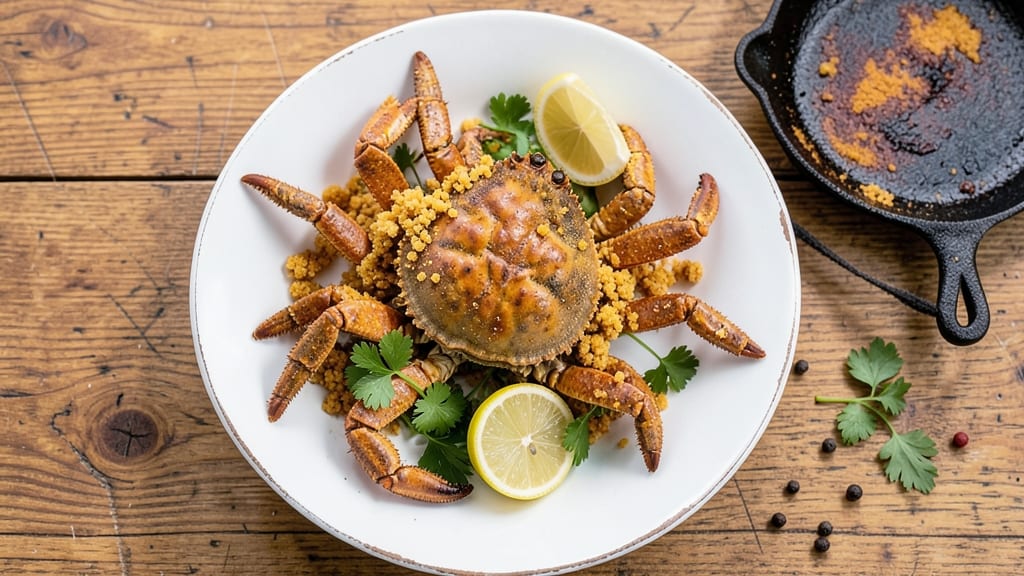
This Maryland fried hard crab recipe delivers the signature crispy cornmeal crust and sweet, tender crab meat that defines Chesapeake Bay seafood tradition.
After years of perfecting the technique—from selecting fresh crabs to achieving that golden, shatteringly crisp exterior—I’ve created a method that stays true to the original while making it approachable for home cooks.
The secret lies in the cornmeal batter, which creates a lattice-like crust that stays crisp even when dipped into tartar sauce.
The process begins with properly cracking and cleaning hard crabs, a step many overlook but is critical for flavor and texture. Once prepared, the crab legs are coated in a seasoned cornmeal mixture and fried to a golden brown, ensuring the meat inside remains sweet and succulent.
Old Bay seasoning plays a starring role here, adding that signature Maryland kick without overpowering the natural brininess of the crab.
By the time you’re done, you’ll have a platter of crispy, perfectly fried crab legs that are impossible to resist—each bite offering a satisfying crunch followed by tender, buttery crab meat.
The aroma alone will have everyone gathering around the table, and the presentation is as impressive as the flavor. Serve with classic accompaniments like lemon wedges, tartar sauce, and a sprinkle of extra Old Bay for that true Maryland touch.
This recipe is perfect for summer gatherings, game day spread, or any occasion where you want to showcase the best of Chesapeake Bay seafood. With just a few key ingredients and a precise frying technique, you’ll achieve restaurant-quality results that taste like a trip to the Eastern Shore.
Let’s get started on creating your own crispy, golden crab feast.
Ingredients for maryland fried hard crab
Four crabs and a few pantry staples transform into Maryland's crispy, golden crab feast.
| Ingredient | Amount | Notes |
|---|---|---|
| Hard-Shelled Blue Crabs 🦀 | 4 whole | Live, 7-9 inches each, cleaned |
| Yellow Cornmeal 🌽 | 1 ½ cups | Fine grind, not self-rising |
| All-Purpose Flour 🌾 | ½ cup | For lightness in batter |
| Old Bay Seasoning 🌶️ | 2 tbsp | Classic Maryland blend |
| Salt 🧂 | 1 tbsp | Kosher or sea salt |
| Black Pepper 🌶️ | ½ tsp | Freshly cracked |
| Vegetable Oil 🫒 | 3 cups | High smoke point, like peanut |
| Lemon Wedges 🍋 | 4 whole | For serving |
| Tartar Sauce 🥛 | ½ cup | Homemade or store-bought |
| Butter 🧈 | 2 tbsp | Unsalted, melted |
| Ice Water ❄️ | ½ cup | For batter consistency |
The crabs are non-negotiable—look for live, hard-shelled blues at your local seafood market or specialty grocery store. Costco or Whole Foods often carry them in season, but check with your fishmonger for freshness. Size matters: 7-9 inches ensures good meat-to-shell ratio. If you can't find live crabs, frozen hard crabs work, but thaw them overnight in the fridge. For the cornmeal, Bob's Red Mill fine grind is my go-to—it creates that signature lattice crust. The Old Bay? Original blend only—no substitutions here. Freshly cracked black pepper adds depth without overpowering the crab's natural sweetness.
No Old Bay? Make your own mix with 2 parts paprika, 1 part celery salt, 1 part dried thyme, and a pinch each of garlic powder and black pepper. Running short on cornmeal? Corn flour at 1:1 ratio works in a pinch, but texture won't be identical. For the batter, ice water is key—it prevents clumping and helps the coating stick. If you're frying for a crowd, double the oil and keep it at 350°F—any hotter and the crust burns before the crab cooks. The melted butter in the batter? Full-fat is non-negotiable—it's what makes the crust extra crispy.
Fry the crabs immediately after coating—they're at their crispiest right out of the oil. Drain on a wire rack (not paper towels) to keep that crunch. Store leftovers in the fridge for up to 2 days, but reheat gently—microwave or oven at 300°F for 5 minutes to revive the crust. For serving, keep the tartar sauce and lemon wedges separate until ready to eat. The aroma alone will draw everyone to the table, and the presentation is just as important as the flavor—arrange the crabs on a platter with lemon wedges fanned out like a sunburst.
Why You'll Love This Recipe
- I’ll be real: you’ll probably eat them all fresh, but if there’s any chance of seconds, they reheat like a dream—crispy again in the air fryer, no soggy corners. Plus, the cornmeal coating keeps them sturdy enough to pack for lunch, so zero waste.
- One-Pan Magic: I swear by this recipe because it’s that simple—just crabs, cornmeal, and a dusting of Old Bay. No fancy prep, no mess, just a sheet pan and 15 minutes of frying. Honestly, the hardest part is deciding whether to eat them straight out or wait for the sauce.
- Crispy-Creamy Obsession: That first bite? Golden crust shattering over tender, buttery crab meat—it’s the kind of contrast that makes you close your eyes. The Old Bay clings to every nook, turning a basic fry into something ridiculously good without extra effort.
- Tailgate Champion: Between us, this is my go-to for game days, beach picnics, or when friends drop by unannounced. Serve with lemon wedges and a cold beer, and suddenly you’re the host who always gets invited back. (Yes, even on a Tuesday night.)
Step-by-step instructions for Maryland fried hard crab
Here's how to achieve that signature Maryland crispy crust with tender, sweet crab meat.
Prepare the Crab and Seasoning Mix
Begin by cleaning the 4 whole hard-shelled blue crabs thoroughly, removing any remaining barnacles or debris from the shells. Pat them completely dry with paper towels - this is crucial for creating that perfect crispy crust. In a medium bowl, whisk together the 1.5 cups yellow cornmeal, 0.5 cup all-purpose flour, 2 tablespoons Old Bay seasoning, 1 tablespoon salt, and 0.5 teaspoon black pepper. This dry blend forms the foundation of your crispy coating.
I like to press the seasoning mix into the crevices of each crab shell using my fingers, making sure to get it into the body cavity and between the legs. This ensures every bite has that signature Maryland flavor. The cornmeal gives you that classic crunch while the flour adds lightness to the batter.
Create the Battering Station
In a separate shallow dish, melt the 2 tablespoons butter until completely liquid, then whisk in the 0.5 cup ice water. The cold water helps create a lighter batter that will cling perfectly to the crabs. You want this mixture to be thin but coatable - about the consistency of heavy cream. If it's too thick, add a splash more ice water until it reaches the right texture.
Here's where it gets important: work quickly once you start battering. The crabs should be completely submerged in the batter for about 10 seconds, allowing it to adhere evenly. I use a slotted spoon to lift each crab from the batter, letting any excess drip back into the dish. This prevents a soggy crust while ensuring complete coverage.
Fry to Golden Perfection
Heat the 3 cups vegetable oil in a deep fryer or heavy pot to 375°F. Use a deep-fry thermometer to monitor the temperature - this is critical for achieving that perfect crispy exterior without overcooking the meat inside. Fry the crabs in batches of 2 at a time to avoid crowding, which can lower the oil temperature.
Fry for 3-4 minutes per side until the crust is deep golden brown and crispy. You'll know they're done when the crust releases easily from the shell and the meat turns bright orange. Don't overcrowd the fryer - maintaining the oil temperature is more important than frying everything at once. Transfer fried crabs to a wire rack set over a paper towel-lined plate to drain excess oil.
Serve with Classic Accompaniments
While the crabs are still hot, arrange them on a platter with the 4 whole lemon wedges. The acidity cuts through the richness of the fried crab beautifully. Serve immediately with the 0.5 cup tartar sauce on the side. I like to squeeze fresh lemon over each crab just before serving - this enhances the natural sweetness of the crab meat.
For the ultimate Maryland experience, serve with extra lemon wedges and a side of coleslaw. The contrast between the crispy crab, cool slaw, and tangy lemon creates a perfect balance. Remember, these crabs are best enjoyed fresh from the fryer while the crust is still crisp and the meat is warm and tender.
Pro Tips For Making Maryland Fried Hard Crab
- CRACK THE SHELLS FIRST: Maryland fried crabs start with the meat—don’t waste time pulling it out of shells mid-fry. Crack them open before dredging, then pat the meat dry with paper towels. Wet meat = soggy crust, and no one wants a sad, limp bite of crab.
- USE TWO COATS, NOT ONE: I learned this the hard way—skipping the second flour-dredge leaves a crust that falls apart like a bad joke. After the first cornmeal coating, hit it with a light shake of flour before the second cornmeal layer. The double barrier locks in that crispy Old Bay flavor.
- WATCH THE OIL TEMP: Too hot, and your crabs burn before the meat cooks; too cool, and you end up with greasy, uncrispy disappointment. Aim for 350°F—drop a pinch of cornmeal in the oil and if it sizzles immediately and turns golden in 30 seconds, you’re golden. Literally.
- SALT THE MEAT, NOT THE CRUST: Old Bay is already packed with salt, but the meat needs extra love. Toss the cracked crab with ½ teaspoon of kosher salt before dredging—it seasons the inside and keeps the crust from tasting like cardboard. Trust me, your taste buds will notice.
Serving suggestions for maryland fried hard crab
Platter Presentation
Arrange the fried crabs on a large, rustic wooden platter or slate board for that authentic Maryland seafood shack vibe. I like to position them with their legs spread out slightly—this makes the platter look fuller and more inviting.
Add a few sprigs of fresh parsley or dill around the edges for a pop of color and freshness. The contrast between the golden-brown crabs and the dark platter creates a stunning visual that will impress your guests. 🌟
Tartar Sauce Variations
While traditional tartar sauce works perfectly, try these variations for extra flavor. For a spicy kick, mix in 1 teaspoon of hot sauce (like Crystal or Tabasco) with the mayo. For a creamy twist, fold in 1 tablespoon of sour cream or Greek yogurt.
If you're feeling fancy, add ½ teaspoon of Old Bay seasoning directly to the sauce—it amplifies the Maryland flavor profile beautifully.
Lemon and Old Bay Garnish
Serve each crab with a small lemon wedge on the side, but don’t skimp on the garnish. Sprinkle the platter with an extra 1 tablespoon of Old Bay seasoning right before serving—this adds a fragrant, aromatic touch that signals "Maryland seafood" to everyone at the table.
I also like to squeeze a little fresh lemon juice over the crabs just before eating to brighten the flavors.
Classic Side Pairings
No Maryland crab feast is complete without creamy coleslaw—the cool, tangy crunch balances the richness of the fried crab perfectly. I make mine with a mayo-based dressing (mayo, apple cider vinegar, a touch of sugar, and a pinch of celery seed) for that authentic Eastern Shore taste.
For a lighter option, serve with buttery cornbread or crusty French bread to soak up any extra tartar sauce.
Drink Pairings
A crisp lager beer like Miller Lite or Coors Light is the classic choice—its clean, refreshing taste cuts through the richness of the fried crab. For a non-alcoholic option, try sparkling lemonade or iced tea with a splash of lemon.
If you're serving wine, a dry Riesling or Sauvignon Blanc adds a bright acidity that complements the dish beautifully. 🍺
Serving Tools
Use tongs to serve the crabs—it keeps your hands clean and makes it easy to grab individual legs. Place small bowls of extra tartar sauce and lemon wedges at each guest’s spot so everyone can customize their bite.
For a fun touch, add mini serving spoons for the sauce—it makes the presentation feel extra special. I also like to include a small Old Bay shaker on the table so guests can add more seasoning to their liking.
Nutrition facts
Frequently asked questions
Why does Maryland fried hard crab use cornmeal instead of flour?
The cornmeal creates that signature lattice-like crust that stays crispy even when dipped in sauce. Unlike flour, it adds a subtle sweetness that complements the briny crab while maintaining that satisfying crunch. The fine grind helps it cling perfectly to the shells during frying.
Can I substitute Old Bay seasoning with something else?
While Old Bay is essential for authentic flavor, you can make a close substitute with 2 parts paprika, 1 part celery salt, 1 part dried thyme, and a pinch each of garlic powder and black pepper. The key is balancing the paprika's heat with the salty, herbal notes that define Maryland seafood seasoning.
How do I know when the crabs are fully cooked?
Look for a deep golden brown crust that releases easily from the shell, and the meat should turn bright orange. The internal temperature should reach 145°F when measured with a meat thermometer. Overcooking can make the meat rubbery, so aim for 3-4 minutes per side at 375°F oil.
What's the best way to store leftovers?
Keep fried crabs in an airtight container in the fridge for up to 2 days. To revive the crust, reheat at 300°F for 5 minutes or microwave for 20 seconds. Never refrigerate crabs with the original frying oil still clinging—they'll get soggy.
Can I make this recipe with frozen hard crabs?
Yes, but thaw them overnight in the fridge first. Frozen crabs work fine, but fresh live crabs always yield better flavor. If using frozen, pat them completely dry before seasoning—any moisture will prevent the crust from crisping properly during frying.