Salads
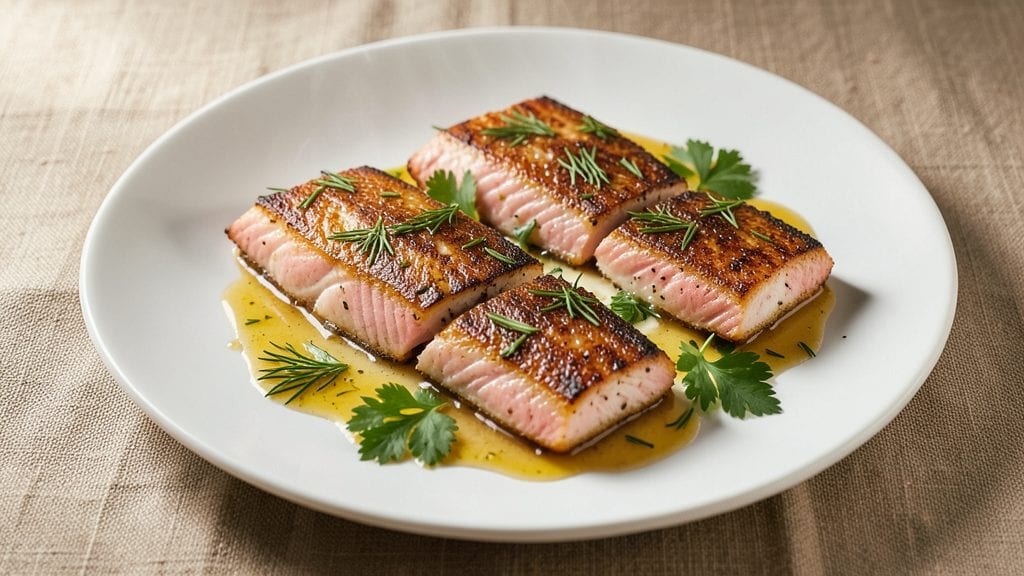
Ina Garten’s red snapper recipe delivers restaurant-quality lemon-butter brilliance with minimal fuss, proving that elegant seafood dinners don’t require hours in the kitchen. The secret lies in a perfectly balanced pan-searing technique that creates crispy skin while keeping the fish tender inside—just like her signature approach to effortless sophistication.
I’ve adapted this method to highlight her signature clarity, ensuring every step is foolproof for home cooks.
This recipe transforms simple ingredients into a dish that feels special without being intimidating. A bright lemon-herb marinade infuses the snapper with zesty depth, while a rich butter sauce ties everything together with velvety richness.
The pan-searing method guarantees a golden crust that shatters at the first bite, revealing moist, flaky fish beneath—exactly what makes this recipe stand out.
What sets this apart is the attention to detail that makes it feel like a five-star meal without the fuss. The lemon-butter sauce isn’t just a finishing touch; it’s the star, balancing acidity and richness in every bite.
Paired with a simple side of steamed vegetables or a crisp green salad, this dish becomes a complete, restaurant-worthy experience that’s ready in under 30 minutes.
For those who love wine pairings, a crisp Sauvignon Blanc complements the lemon notes beautifully, while a dry Riesling enhances the butter sauce’s richness. The recipe’s elegance lies in its simplicity—no complicated techniques, just precise timing and a few key ingredients that come together seamlessly. Let’s get cooking!
Ingredients for ina garten red snapper
Twelve ingredients transform into restaurant-quality lemon-butter red snapper with crispy skin and tender flesh.
| Ingredient | Amount | Notes |
|---|---|---|
| Red Snapper Fillets 🐟 | 4 whole | Skin-on, 6-8 oz each, center-cut preferred |
| Unsalted Butter 🧈 | ½ cup | Cold, cut into 1-inch pieces |
| Extra-Virgin Olive Oil 🫒 | 2 tbsp | High-quality, fruity variety |
| Fresh Lemon Juice 🍋 | ¼ cup | From 2 medium lemons, freshly squeezed |
| Fresh Flat-Leaf Parsley 🌿 | ¼ cup | Finely chopped, stems removed |
| Fresh Dill 🌿 | 2 tbsp | Finely chopped, stems removed |
| Garlic Cloves 🧄 | 4 cloves | Minced, fresh preferred |
| Diamond Crystal Kosher Salt 🧂 | 1 ½ tsp | For seasoning, not iodized |
| Ground Black Pepper 🌶️ | ½ tsp | Freshly ground, coarse grind |
| Dry White Wine 🍷 | ¼ cup | Sauvignon Blanc preferred, dry |
| Heavy Cream 🥛 | ¼ cup | Full-fat for richness |
| Lemon Zest 🍋 | 1 tbsp | From 1 lemon, finely grated |
The red snapper fillets are the foundation—center-cut pieces stay firm during searing while maintaining delicate texture. Whole Foods Market or high-end seafood counters carry the best quality, often labeled as 'sustainable' or 'wild-caught'. Look for fillets with vibrant color and minimal bruising; the skin should be intact and shiny. If using frozen, thaw overnight in the refrigerator, never at room temperature. For optimal results, pat the fillets dry with paper towels before cooking—this ensures maximum crispiness. Penzeys or local specialty shops often carry the freshest herbs, but the grocery store's produce section works fine if the parsley and dill are bright green and free of wilting.
No white wine? Substitute additional lemon juice or dry vermouth at the same ratio. Fresh herbs can be swapped for 1 tbsp dried parsley and 1 tsp dried dill, but the flavor won't be as vibrant. For the butter, European-style unsalted butter like Plugrá or President melts more smoothly than American brands. The heavy cream can be replaced with full-fat Greek yogurt for a tangier profile, though the sauce will be slightly thicker. If you're short on time, pre-minced garlic from a jar works, but fresh minced garlic adds depth that can't be replicated. The lemon juice should be freshly squeezed—bottled juice lacks the bright acidity needed to cut through the richness of the butter sauce.
Store fresh herbs wrapped in damp paper towels inside a sealed container for up to 5 days in the refrigerator. The butter can be prepped ahead and stored in an airtight container for 1 week, though it's best used within 3 days for optimal flavor. The lemon juice can be made 1 day ahead and stored in a sealed container in the fridge. Once cooked, the snapper reheats best in a 350°F oven for 8-10 minutes, covered with foil to retain moisture. The sauce can be reheated gently on the stovetop, adding a splash of water or wine to prevent curdling. Leftovers keep for 2 days in the fridge, though the texture may change slightly.
Why You'll Love This Recipe
- One-Pan Magic: I swear by this—just heat the oil, sear the snapper, add the butter and lemon, and let it melt together. No chopping, no fuss, no extra dishes. That’s my kind of cooking.
- Bright & Buttery Bliss: The moment the butter pools under the snapper, crisping just enough while staying tender inside? Absolute perfection. The lemon cuts through the richness, and the parsley adds that fresh finish—like a hug for your taste buds.
- Weeknight to Dinner Party: Same recipe, totally different vibes. Toss it together for a lazy Tuesday or dress it up with crusty bread and a glass of wine for company. The snapper’s delicate flavor holds its own, so you’re not stuck overcomplicating things.
- Leftovers That Don’t Suck: Honestly, I make this twice in one week because the leftovers reheat like a dream—crispy edges, creamy center, all that good stuff. And since snapper’s leaner than some fish, it’s a budget win that still feels special.
Step-by-step instructions for lemon-butter pan-seared red snapper
This method delivers perfectly crisp skin with tender, buttery flesh—just like Ina Garten's signature dish.
Season and Sear the Red Snapper Fillets
Pat the 4 whole red snapper fillets dry with paper towels, pressing firmly to remove all moisture. This ensures maximum crispiness when searing. Arrange them skin-side down on a plate and season both sides generously with the 1.5 teaspoons diamond crystal kosher salt and 0.5 teaspoon ground black pepper. Let them sit at room temperature for 10 minutes while you prepare the pan.
Heat a large skillet over medium-high heat until very hot. Add the 2 tablespoons extra-virgin olive oil and allow it to shimmer for 30 seconds. Place the fillets skin-side down in the pan and cook undisturbed for 3-4 minutes until the skin turns golden brown and crisp. You'll know it's ready when the edges lift easily from the pan. Flip carefully and cook the other side for 2-3 minutes until just opaque in the center. Remove the fillets and set aside on a warm plate.
Build the Lemon-Wine Sauce
Reduce the heat to medium and add the 0.5 cup cold unsalted butter cut into 1-inch pieces to the same skillet. Let it melt completely, about 1 minute, then add the 4 minced garlic cloves. Cook for 30 seconds until fragrant but not browned—this prevents bitterness in the sauce.
Pour in the 0.25 cup dry white wine and scrape up any browned bits from the bottom of the pan with a wooden spoon. Simmer for 2-3 minutes until the wine reduces by half. Remove the pan from heat and stir in the 0.25 cup fresh lemon juice and 1 tablespoon lemon zest. Return to low heat and whisk in the 0.25 cup heavy cream until smooth and slightly thickened. Taste and adjust seasoning with additional salt if needed.
Finish with Herbs and Serve Immediately
Return the fillets to the skillet, spooning the sauce evenly over the top. Sprinkle with the 0.25 cup finely chopped fresh flat-leaf parsley and 2 tablespoons fresh dill. Let the fish sit in the sauce for 1-2 minutes to absorb the flavors and heat through gently. The internal temperature should reach 140°F—any higher and the fish will overcook.
Carefully transfer the fillets to serving plates, allowing the sauce to cascade over them. Serve immediately with the remaining sauce spooned alongside. The skin should be crisp and golden, the flesh flaky yet moist, and the sauce bright with lemon and herbal notes. Pair with steamed asparagus or a simple green salad for a complete meal.
Pro Tips For Making Ina Garten Red Snapper
- PAT THE FISH DRY: Grab paper towels and press them into those fillets like you’re trying to erase a whiteboard—get them bone dry before hitting the pan. Wet skin = steam instead of sear, and nobody wants sad, limp snapper. I learned this the hard way when my first batch turned out more "soggy" than "crisp."
- MELT BUTTER SLOW: Let that unsalted butter melt gently in the pan first—no rushing—then add the oil. Butter burns faster than you think, and once it’s brown, you’ve lost that nutty depth the recipe counts on. Think "low and steady" until it’s just liquid gold, not smoke.
- LEMON JUICE LAST: Hold off on that lemon juice until the very end—right after you pull the pan off heat. Adding it too early cooks off the bright acidity, turning your dish into a sad, muted version of itself. A squeeze at the finish keeps the snapper’s flavor popping like it’s fresh off the dock.
- PARSLEY PILE HIGH: Chop that flat-leaf parsley fine and pile it on thick—this isn’t garnish, it’s flavor. A handful scattered won’t cut it; you need enough to make the butter sauce sing. I used to skimp, then realized the difference between "good" and "wow" was just more greens.
Serving suggestions for leftovers
Elegant Plating
Ina Garten’s signature plating transforms this dish into a visual masterpiece. Serve the red snapper fillets on a white or light-colored plate to highlight the golden crust and vibrant sauce. Position each fillet at a slight angle, allowing the crispy skin to catch the light.
Spoon the lemon-butter sauce artfully around the fish, creating elegant drizzles that cascade naturally. A sprinkle of fresh parsley and dill adds a pop of color and freshness. 💫
Classic Side Pairings
Steamed asparagus with lemon zest complements the snapper beautifully—its bright flavor mirrors the dish’s citrus notes. Toss 1 bunch asparagus with 1 tablespoon olive oil, ½ teaspoon salt, and zest of 1 lemon before steaming for 5-7 minutes.
Alternatively, a simple arugula salad with lemon vinaigrette adds a peppery contrast that cuts through the richness.
Starch Options
For a complete meal, serve with crispy roasted fingerling potatoes or wild rice pilaf. Toss 1 lb fingerling potatoes in 2 tablespoons olive oil, 1 teaspoon salt, and ½ teaspoon pepper, then roast at 425°F for 25-30 minutes until golden.
The earthy sweetness of the potatoes balances the snapper’s delicate flavor perfectly.
Wine Pairings
A crisp Sauvignon Blanc from New Zealand or Loire Valley enhances the lemon and herbal notes in the dish. The wine’s citrusy acidity mirrors the sauce, while its minerality complements the fish’s natural sweetness.
For a lighter option, a dry Riesling adds a touch of honeyed complexity that pairs beautifully with the butter sauce. Avoid heavy reds—they’ll overpower the delicate flavors. 🍷
Garnish Like a Pro
Finish the dish with a drizzle of extra-virgin olive oil and a pinch of flaky sea salt for added depth. For a touch of luxury, add a few edible gold leaf flakes or a sprinkle of toasted capers to elevate the presentation.
These final touches make the dish feel restaurant-worthy while keeping the preparation simple.
Make It a Meal
Round out the plate with a light, crisp green salad—think mixed greens with shaved fennel and a light balsamic vinaigrette. The freshness of the salad contrasts the richness of the snapper, creating a harmonious balance.
For a heartier option, serve with crusty sourdough bread and a side of marinated artichoke hearts for dipping. 🍽️
Nutrition facts
Frequently asked questions
Can I use frozen red snapper for this recipe?
Yes, but thaw it properly first. Place the fillets in a sealed bag and refrigerate overnight. Never thaw at room temperature—this can promote bacterial growth. For faster thawing, use the cold water method (sealed in a leak-proof bag) for up to 2 hours. Pat dry thoroughly before cooking to ensure crispy skin.
What if I don't have white wine for the sauce?
No problem! Substitute with lemon juice (same amount) or dry vermouth for depth. For a non-alcoholic option, use extra lemon juice plus 1 teaspoon white vinegar. The key is maintaining the acidity balance—just avoid heavy liquids like chicken broth that will dilute the flavors too much.
How do I prevent the fish from sticking to the pan?
Make sure your pan is hot enough before adding oil—it should shimmer when oil is added. Use a heavy skillet (cast iron works best) and don't overcrowd the pan. Pat the fillets completely dry with paper towels, and let them sit at room temperature for 10 minutes before cooking. This helps create that perfect crispy skin.
Can I make this recipe ahead of time?
Prep components ahead, but cook fresh for best results. Marinate the fillets in lemon juice and herbs up to 4 hours ahead. Make the sauce separately and reheat gently with a splash of wine or water. Reheat the fish in a 350°F oven for 8-10 minutes—it should never exceed 140°F internally. The sauce will thicken when reheated, so thin with a splash of cream if needed.
What's the best way to store leftovers?
Store in an airtight container with parchment paper between layers to prevent sticking. Keep refrigerated for up to 2 days. Reheat gently in the oven or microwave (covered) until warmed through. The sauce may separate slightly—just whisk before serving. For longer storage, freeze portions for up to 1 month, but texture may change upon thawing.