Breakfast & Brunch
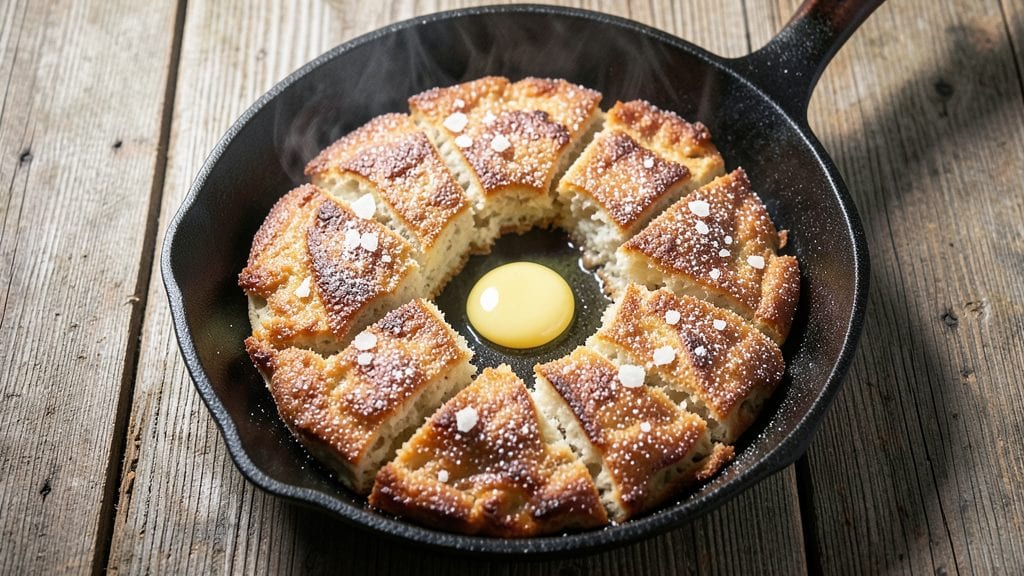
This Amish fritter bread recipe delivers the warm, buttery comfort of a traditional homestead breakfast—layered with golden crust and tender swirls that make every bite worth savoring.
The secret lies in a simple dough enriched with lard or butter, folded into itself to create those signature flaky layers, then baked until the crust turns a perfect golden brown.
I first tried this recipe during a family visit to an Amish community, where the aroma of freshly baked bread filled the kitchen and became an instant morning tradition.
The beauty of this recipe is its simplicity—just five core ingredients come together to create something that feels like a hug from your great-grandmother. The dough requires minimal handling, and the baking process is straightforward, making it perfect for both beginners and experienced bakers.
What sets it apart is the buttery swirls that melt into every bite, transforming ordinary bread into something extraordinary. Each slice offers a balance of crispy edges and soft, pillowy centers, making it ideal for breakfast or as a comforting side dish.
By the time you pull this bread from the oven, your kitchen will smell like a cozy farmhouse kitchen, and the sight of those golden-brown swirls will have everyone reaching for a slice.
The texture is what makes it special—crisp enough to hold up to butter or jam, yet tender enough to melt in your mouth. This is the kind of bread that brings people together, whether it's for a family breakfast or a gathering with friends.
Let’s get started on creating this timeless comfort.
Serve warm with homemade strawberry jam, a pat of butter, or alongside a hearty breakfast. The versatility of this bread makes it perfect for any meal, from a simple morning feast to a special Sunday brunch.
The recipe yields about a dozen servings, so you’ll have plenty to share—or save for later, because it reheats beautifully. This is bread that tastes like home, and once you try it, you’ll never go back to store-bought.
Ingredients for amish fritter bread
Five simple ingredients transform into golden swirls that smell like home.
| Ingredient | Amount | Notes |
|---|---|---|
| All-Purpose Flour 🌾 | 6 cups | Unbleached preferred for flakiness |
| Unsalted Butter 🧈 | 1 cup | Cold, cubed for layers |
| Lard 🧈 | ½ cup | Traditional for extra flakiness |
| Warm Water 💧 | 1 ¼ cups | 110°F for best texture |
| Granulated Sugar 🍚 | ¼ cup | For tender crumb |
| Salt 🧂 | 1 ½ tsp | Kosher or sea salt |
| Active Dry Yeast 🍞 | 2 ¼ tsp | Or 1 packet instant yeast |
| Eggs 🥚 | 1 whole | Room temperature |
| Extra-Virgin Olive Oil 🫒 | 1 tbsp | For greasing pan |
The lard is non-negotiable for that classic Amish flakiness—Costco or butcher shops sell it in bulk if your grocery store doesn’t carry it. If you’re avoiding lard, extra butter works (just add 0.5 cup more), but the texture won’t be quite the same. For flour, King Arthur or Bob’s Red Mill brands are my go-tos—they handle the folding better. The yeast needs to be fresh, so check the date on the package. Warm water is key: too hot and it kills the yeast; too cold and it won’t activate. 110°F is perfect (like warm bathwater). Pro tip: If your kitchen’s cold, warm the water in the microwave for 20 seconds, then let it sit for a minute to cool slightly. The butter should be cold and cubed—this creates those signature layers. If it melts, chill it for 15 minutes before folding.
No lard? Butter plus a splash of milk (1 tbsp) mimics the moisture, though the layers won’t be as dramatic. Short on yeast? Baking powder (1.5 tsp) can replace it, but the rise won’t be as tall. The sugar can be swapped for honey or maple syrup (same amount), though it’ll add a subtle sweetness. For a richer flavor, add 1 tsp vanilla extract to the dough. The olive oil? Any neutral oil works—just don’t skimp on the greasing. The pan should be lightly oiled, not drowned. If you’re making this ahead, the dough can rest in the fridge overnight (cover tightly) for even better flavor development. The egg is optional but adds tenderness—skip it if you’re avoiding dairy.
This bread keeps for 3 days at room temperature wrapped in a towel, but it’s best fresh. For longer storage, freeze the whole loaf (sliced or whole) for up to 3 months. To reheat, wrap slices in foil and warm in a 350°F oven for 5 minutes—they’ll crisp up just like fresh. The leftovers? Toast them for the ultimate comfort. I always double the batch—homemade bread disappears fast around here. Store any unused dough in the fridge for up to 24 hours, then let it come to room temp before baking.
Why You'll Love This Recipe
- No-Fuss Dough: I swear by this dough—just flour, butter, lard, and water. You don’t even need a mixer; a wooden spoon and elbow grease do the trick. Honestly, it’s the kind of recipe that makes me feel like I’ve earned my breakfast without the fuss.
- Golden Crunch Magic: That crispy exterior with a tender inside? It’s all in the lard-butter combo and a light dusting of sugar. The first bite is like biting into a warm hug—crunchy, buttery, and just sweet enough to make you reach for another.
- Breakfast or Snack: Serve it fresh with jam for a lazy Sunday morning, or pack a batch for lunch—it’s perfect cold or warm. Even my kids grab these for after-school snacks (yes, even on a Tuesday night).
- Budget Breakthrough: Flour, butter, and lard are pantry staples, and this recipe stretches far. I’ve made a dozen with what’s left in my fridge, and it’s still a hit. Plus, leftovers reheat like a dream—no soggy disappointment here.
Step-by-step instructions for Amish fritter bread
This classic recipe delivers that perfect golden crust and buttery swirls that make every bite irresistible.
Activate the Yeast for Perfect Rise
In a small bowl, combine the 1.25 cups warm water (about 110°F) with the 2.25 teaspoons active dry yeast. Let it sit for 5-10 minutes until you see plenty of bubbles forming on the surface. This tells you the yeast is alive and ready to work its magic in your dough.
Here's the thing—if the water is too hot, you'll kill the yeast, and your bread won't rise. Test the temperature with your finger: it should feel warm but not hot to the touch. If no bubbles form after 10 minutes, your yeast might be dead, and you'll need to start over with fresh yeast.
Mix the Dough Until Smooth
In the bowl of a stand mixer fitted with the dough hook, combine the 6 cups all-purpose flour, 1.5 teaspoons salt, and 0.25 cup granulated sugar. Mix on low speed for 30 seconds to blend the dry ingredients evenly.
Add the 1 cup unsalted butter (cut into cubes) and 0.5 cup lard to the dry ingredients. Mix on low speed for 1 minute until the butter and lard are fully incorporated and the mixture resembles coarse crumbs. This step is crucial for creating those beautiful flaky layers later.
Combine Wet Ingredients and Knead
Add the yeast mixture, 1 whole egg, and 1 tablespoon extra-virgin olive oil to the mixer. Mix on low speed for 2 minutes until the dough begins to come together. If the dough is too sticky, gradually add 1-2 tablespoons more flour until it pulls away from the sides of the bowl.
Switch to medium speed and knead for 8-10 minutes until the dough is smooth, elastic, and no longer sticky. You'll know it's ready when it forms a windowpane—press your fingers into the dough and gently pull them apart to create a thin sheet. If it stretches without tearing, you're good to go.
Shape and Layer for Flaky Perfection
Divide the dough into two equal pieces and roll each piece into a 12-inch circle on a lightly floured surface. Place ½ of the butter (about ½ cup) in the center of one circle and fold the edges over the butter to seal. Roll the dough out again into a 12-inch circle. Repeat with the remaining dough and butter.
Stack the two dough circles on top of each other and seal the edges by pinching them together. Roll the stacked dough into a 12-inch circle again, then fold it in half like a book. Roll it out into a 12-inch rectangle and fold it into thirds like a letter. This technique creates those signature layers that make Amish fritter bread so special.
Bake to Golden Brown Greatness
Place the shaped dough in a 9x13-inch greased baking pan (use the 1 tablespoon extra-virgin olive oil to grease it). Cover the pan with a clean kitchen towel and let the dough rise in a warm place for 1-2 hours, or until it has nearly doubled in size. The dough should feel light and springy when pressed gently.
Preheat your oven to 375°F. Bake the bread for 35-40 minutes until the top is golden brown and the internal temperature reaches 190°F. The edges should pull away slightly from the pan, and the bread should smell like warm, buttery heaven. Let it cool for 10 minutes before slicing—this ensures clean cuts and prevents the layers from falling apart.
Pro Tips For Making Amish Fritter Bread
- CHILL THE DOUGH: I learned this the hard way—rolling out Amish fritter dough straight from the mixer leads to sticky, uneven shapes. Wrap it in plastic and refrigerate for 30 minutes first. The cold firmness makes cutting squares easier and keeps them from spreading too much in the hot oil.
- USE LARD FOR CRISP: Amish fritter bread relies on lard for that legendary flaky, golden crust. Skip the butter-only shortcut—mix equal parts lard and butter (or use 2/3 lard, 1/3 butter) for the best texture. Lard’s higher smoke point and fat content make all the difference when frying.
- CUT SQUARES FAST: Measure your dough thickness before cutting—about 1/2 inch. Use a sharp knife or pizza cutter, and press straight down without twisting. This keeps the edges clean and the fritters from tearing when you drop them in oil. (Yes, even if you're impatient like me.)
- FRIED IN BATCHES: Don’t overcrowd the pan—fry 2-3 fritters at a time. Too many at once lowers the oil temperature, leading to greasy, soggy results. A medium-high heat (350-375°F) and 2-3 minutes per side will give you that perfect golden-brown finish. (Your future self will thank you.)
Flavor customization for this recipe
Sweet Swirl Variations
For a sweeter twist, fold in ½ cup brown sugar with the butter layers—this caramelizes beautifully during baking, creating a subtle molasses flavor. I like adding 1 teaspoon cinnamon to the dough for warmth, or a pinch of nutmeg for depth.
For a fruity surprise, sprinkle chopped dried cherries or raisins between the layers before folding. 🍯
Herb & Cheese Enhancements
Swap out some butter for sharp cheddar or Gouda (about ½ cup crumbled) in the layers for a savory option. Pair it with fresh rosemary or thyme mixed into the dough for an aromatic twist.
I’ve also tried garlic powder (½ teaspoon) in the butter for a subtle kick—perfect with soups or chili. 🧀
Spiced & Warm Options
Add ½ teaspoon cardamom or gingersnap crumbs (½ cup) to the butter for a cozy, spiced bread. For a smoky depth, mix 1 teaspoon smoked paprika into the dough.
I love this version with honey butter—just melt ½ cup butter with 2 tablespoons honey and brush it on warm slices. 🌶️
Gluten-Free Adaptation
Replace the all-purpose flour with a 1:1 gluten-free blend (like Bob’s Red Mill) and add 1 extra tablespoon of xanthan gum. Use 1 tablespoon more olive oil to bind the dough, and let it rise for 30-45 minutes—gluten-free dough takes longer.
The texture won’t be as flaky, but it’s still delicious with extra butter layers for richness. 🌾
Make-Ahead Sweet Topping
Before baking, brush the risen dough with melted butter and sprinkle ½ cup granulated sugar or turbinado sugar for a crunchy crust. For extra flair, press cinnamon sugar (½ cup sugar + 1 tbsp cinnamon) into the top before baking. This adds a delightful contrast to the soft interior. ✨
Savory Twist with Onions
For a heartier version, caramelize 1 cup thinly sliced yellow onions in 2 tablespoons butter until golden. Fold them into the dough before shaping, or layer them between the butter folds. This adds a sweet, jammy depth that pairs perfectly with sharp cheddar or Gruyère. 🧅
Nutrition facts
Frequently asked questions
Why does Amish fritter bread have so many layers?
The signature layers come from the traditional folding technique where butter is encased between dough layers. Each fold creates multiple thin butter sheets that melt during baking, creating those crispy, flaky pockets. This method originated from Amish baking traditions where simplicity and minimal ingredients created maximum flavor impact.
Can I make this bread without lard?
Yes, but the texture will differ. Replace the lard with an extra ½ cup butter plus 1 tablespoon milk to mimic the moisture. For best results, use cold butter cubes to maintain the flaky layers. The traditional version uses lard because it creates a more tender crumb and golden crust.
How do I know when the bread is fully baked?
Look for three key signs: the top should be a deep golden brown, the edges should pull away slightly from the pan, and the internal temperature should reach 190°F (use an instant-read thermometer). The bread will also smell rich and buttery when done. Never rely on color alone—overbaking can make it dry.
What's the best way to store leftovers?
Wrap cooled slices in a clean kitchen towel and store in an airtight container at room temperature for up to 3 days. For longer storage, freeze the whole loaf (sliced or whole) for up to 3 months. To reheat, wrap slices in foil and warm in a 350°F oven for 5 minutes for that fresh-from-oven crispiness.
Can I make this bread in a smaller pan?
Yes, but expect different proportions. For a 9x9-inch pan, reduce baking time by about 10 minutes and cover with foil if browning too quickly. The layers will be slightly taller but still delicious. For best results, stick to the 9x13-inch pan size to maintain the traditional shape and even baking.