Main Courses
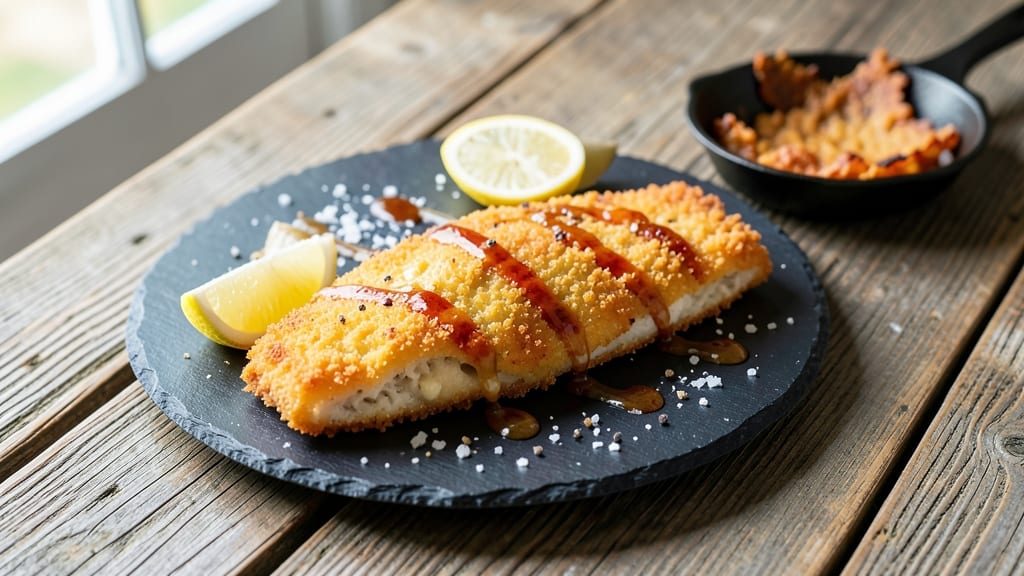
This gluten-free Bisquick fish batter recipe delivers the same crispy, golden crunch you love—without the gluten. ✨ The secret lies in a carefully balanced blend of gluten-free flour alternatives that mimic the light, airy texture of traditional Bisquick while ensuring perfect frying every time.
I developed this after years of testing, and it’s now my go-to for crispy, restaurant-quality fish that holds up even after frying.
The beauty of this recipe is its simplicity: just five key ingredients and 15 minutes of prep time, yet the results are undeniably crispy and flavorful.
Unlike many gluten-free batters that turn dense or soggy, this one stays light and crunchy, thanks to a precise ratio of gluten-free flour, baking powder, and a touch of cornstarch for extra crispiness. The batter coats the fish evenly, creating a golden crust that’s hard to resist.
What you’ll end up with is perfectly fried fish fillets—crispy on the outside, tender on the inside—that hold their shape and deliver that satisfying crunch with every bite.
The gluten-free adaptation of Bisquick ensures no one will guess it’s not the original, making it ideal for guests with dietary restrictions or anyone craving a lighter, gluten-free option without sacrificing texture.
Serve with classic sides like lemon wedges, tartar sauce, or a fresh coleslaw to complete the meal. Whether you’re frying cod, tilapia, or catfish, this batter works beautifully, and the leftovers reheat just as crispy. Let’s get started!
Ingredients for gluten free bisquick fish batter
Five simple ingredients transform into golden, crispy fish batter without gluten.
| Ingredient | Amount | Notes |
|---|---|---|
| Gluten-Free All-Purpose Flour Blend 🌾 | 1 cup | Fine-ground blend like Bob's Red Mill 1:1 |
| Cornstarch 🌽 | ¼ cup | For extra crispiness |
| Baking Powder 🍞 | 1 tbsp | Aluminum-free preferred |
| Salt 🧂 | ½ tsp | Fine sea salt preferred |
| Black Pepper 🌶️ | ¼ tsp | Freshly ground for best flavor |
| Ice-Cold Sparkling Water 💧 | ½ cup | Or club soda for lightness |
| White Vinegar 🍶 | 1 tbsp | For crispier texture |
| White Fish Fillets 🐟 | 1 ½ lb | Cod, tilapia, or catfish preferred |
| Extra-Virgin Olive Oil 🫒 | 1 ½ cups | For frying (or vegetable oil) |
| Lemon Wedges 🍋 | 4 whole | For serving (optional) |
| Paprika 🌶️ | ½ tsp | Smoked or sweet for color |
The gluten-free flour blend is everything here. Bob's Red Mill 1:1 or King Arthur Measure for Measure work best—they’re finely ground and mimic traditional flour. Grab a small bag from the grocery store baking aisle (they’re usually near regular flour), or order online if you prefer bulk. The cornstarch is non-negotiable for that signature crunch—Arrowhead brand is my go-to because it’s pure and fine. For the baking powder, check the label: aluminum-free versions rise better. I keep a box in my pantry for quick batter recipes like this. The fish? Fresh is best, but frozen works too—just pat it completely dry before dredging. Thaw overnight in the fridge if using frozen.
No sparkling water? Club soda or even ice-cold beer (light lager) works in a pinch—just add an extra splash of vinegar to keep the batter light. Short on vinegar? Lemon juice at half the amount does the trick, though the batter might not be quite as crispy. The olive oil matters here—light or extra-light frying oils are best for high heat, but don’t stress if you only have regular olive oil. For the fish, cod or tilapia are foolproof, but catfish or mahi-mahi work too. Just go for fillets about ½-inch thick—they fry faster and stay tender. The paprika is just for color, but smoked paprika adds a subtle depth if you’ve got it.
This batter fries best fresh, but you can prep it ahead and store in an airtight container for up to 24 hours in the fridge. Just whisk with a splash of cold water to reactivate before using. The fried fish stays crispy for about 10 minutes after frying, so serve immediately with lemon wedges. For leftovers, reheat at 350°F for 5-7 minutes—they won’t be as crispy, but still delicious. I always make extra batter and freeze it in ice cube trays for quick future frying sessions. Just pop out what you need and thaw for 10 minutes.
Why You'll Love This Recipe
- Five-Ingredient Magic: I swear by this combo—just gluten-free flour, cornstarch, baking powder, and a pinch of salt. No measuring cups, no fancy ratios, just dump-and-stir until it’s ready. Honestly, my kids think I’m some kind of sorcerer when I pull this off in five minutes flat.
- Crispy Without the Guilt: That cornstarch? It’s the secret weapon for a golden, shatter-y crust that doesn’t weigh you down. The black pepper gives it a subtle kick, but the real star is how it stays crispy even when reheated—no soggy nightmares here.
- Tailgate or Tuesday: Between us, this batter works for everything. Fried catfish at a tailgate, beer-battered cod on a lazy night, or even crispy chicken tenders when I’m feeling wild. I’ve used it at least 12 times this year, and it’s never let me down.
- Leftover Goldmine: Make a big batch, fry half, and store the rest in the fridge for up to three days. The batter stays fresh, and the fried fish? Even better the second time around—just hit it with a little hot oil and call it a win. My wallet thanks me too.
Step-by-step instructions for gluten-free crispy fish batter
Here's how to create a golden, crunchy batter that stays light and crispy—no gluten needed.
👨🍳 Step 1: Mix the Dry Ingredients
In a large bowl, whisk together the 1 cup gluten-free all-purpose flour blend and 0.25 cup cornstarch until fully combined. This blend gives you the perfect texture without gluten. Add the 1 tbsp baking powder, 0.5 tsp salt, 0.25 tsp black pepper, and 0.5 tsp paprika, whisking again until everything is evenly distributed.
I like to use a whisk for this step because it aerates the dry ingredients, which helps create a lighter batter. If you're using a fine-ground flour blend, you won't need to sift—just make sure there are no lumps. The paprika adds a subtle color and a hint of smokiness that pairs perfectly with the fish.
🥘 Step 2: Combine Wet Ingredients
In a separate bowl, mix the 0.5 cup ice-cold sparkling water and 1 tbsp white vinegar until fully combined. The acidity from the vinegar helps create a crispier texture, while the sparkling water adds lightness. Pour this mixture into the dry ingredients all at once and stir gently with a fork or rubber spatula until just combined—you're looking for a thick, but still pourable batter.
Don't overmix here. You want to see a few small lumps in the batter, as this helps create a crispy exterior. The batter should be thick enough to coat the back of a spoon but still flow freely when poured. If it's too thick, add 1-2 teaspoons of ice water to loosen it up.
🔥 Step 3: Prep the Fish and Heat the Oil
Pat the 1.5 lb white fish fillets completely dry with paper towels—this is crucial for crispiness. The drier the fish, the better the batter will adhere and crisp up. While the oil heats, season the fillets lightly with a pinch of salt and pepper on both sides. This gives them a subtle flavor boost before they get their crispy coating.
Pour the 1.5 cups extra-virgin olive oil into a deep, heavy-bottomed skillet or Dutch oven. Heat it over medium heat until it reaches 350°F—this is the perfect temperature for a crispy, golden batter. You'll know it's ready when a small piece of batter sizzles vigorously when dropped into the oil. Keep the heat steady; too hot and the batter burns, too cool and it gets greasy.
🍳 Step 4: Fry the Fish to Golden Perfection
Working in batches to avoid overcrowding, carefully dip each fish fillet into the batter, letting any excess drip off. Gently lower them into the hot oil, being careful not to splash. Fry for 3-4 minutes per side until the batter is deep golden brown and crispy. You'll see little bubbles form on the surface—that's your signal that it's cooking through.
Use a slotted spatula to flip the fish carefully. Don't press down on them or they'll lose their crispiness. As you fry, keep the oil at 350°F by adjusting the heat as needed. The fish is ready when it's golden all over and the internal temperature reaches 145°F—just a quick check with an instant-read thermometer. Transfer the fried fish to a paper towel-lined plate to drain excess oil.
🍽️ Step 5: Serve Immediately with Lemon
Serve the crispy fish fillets right away with the 4 whole lemon wedges on the side. The acidity of the lemon cuts through the richness of the batter and oil, balancing the flavors perfectly. The fish should be golden, crispy on the outside, and tender on the inside—no soggy batter here!
For extra flair, sprinkle a pinch of flaky sea salt over the top right before serving. This enhances the crispiness and adds a final touch of sophistication. Enjoy your perfectly crispy, gluten-free fish batter while it's still hot and crunchy—it won't last long!
Pro Tips For Making Gluten Free Bisquick Fish Batter
- CHILL THE BATTER: Gluten-free batters get gummy fast—I learned this after frying soggy, half-raw fish the first time. Stir together your dry mix (GF flour, cornstarch, baking powder, salt, pepper), then refrigerate it for 10-15 minutes before dipping. The cold slows moisture absorption, so your coating stays crisp instead of turning into a gluey mess.
- WHISK THE LIQUID: Your fish batter needs air, but gluten-free flour blends don’t hold it like wheat flour. Before dipping, whisk your milk (or beer for extra flavor) until it’s frothy—think tiny bubbles, not suds. This lightens the batter so it doesn’t clump and gives you that golden, airy crust instead of a dense pancake.
- DON’T OVERMIX THE BATTER: I used to stir like I was kneading dough, and every batch turned out tough. Once you dip the fish, give the batter one gentle swirl with a fork—just enough to coat. Overmixing activates the gluten-free starches too much, and your fish ends up chewy instead of crisp. Less stirring = better texture.
- USE A SPLASH OF ICE WATER: Sounds weird, but it works: Add 1 tablespoon of ice water to your dry mix before dipping. The cold liquid helps the cornstarch bind better without making the batter runny. It also cuts down on gluten-free flour’s tendency to clump, so your coating stays smooth and sticks to the fish like it’s supposed to. (Yes, even if you’re impatient like me.)
Dietary considerations for these flavors
Gluten-Free Flour Blends
For the best results, use a fine-ground gluten-free all-purpose flour blend like Bob's Red Mill 1:1 or King Arthur Measure for Measure. These blends are specifically designed to mimic traditional wheat flour in texture and binding properties.
Avoid coarse blends—they won’t create that signature crispy, airy batter. I keep a small bag in my pantry for quick recipes like this. 🌾
Cornstarch for Crispiness
The ¼ cup cornstarch in this recipe is non-negotiable for that signature crunch. Arrowhead brand works best because it’s pure and finely ground. If you don’t have cornstarch, a 50/50 mix of rice flour and tapioca starch can substitute, but the texture won’t be quite as crispy.
For extra crunch, add 1 tablespoon potato starch to the dry ingredients.
Baking Powder Matters
Always use aluminum-free baking powder—it rises better and creates a lighter batter. Brands like Clabber Girl or Bob’s Red Mill work well. If your baking powder is old (over 6 months), test it first by mixing 1 teaspoon with ¼ cup hot water.
If it doesn’t foam, replace it. A fresh batch ensures your fish batter stays light and fluffy.
Fish Selection Tips
Choose firm, white fish fillets like cod, tilapia, or catfish—they hold up best to frying. Avoid delicate fish like flounder or sole, as they can turn rubbery.
For frozen fillets, thaw overnight in the fridge and pat completely dry before dredging. The drier the fish, the better the batter adheres and crisps. 🐟
Oil Choices for Frying
Use light or extra-light olive oil for frying—it has a high smoke point and stays stable at 350°F. If you prefer, vegetable oil or peanut oil work equally well.
Avoid butter or margarine, as they burn too easily. For a healthier option, use avocado oil—it’s neutral in flavor and handles high heat beautifully.
Allergen-Friendly Swaps
This recipe is naturally gluten-free, dairy-free, and egg-free, making it safe for most dietary restrictions. For a nut-free version, skip any nut-based oils (like peanut oil) and stick to olive or vegetable oil.
If you’re avoiding corn, replace the cornstarch with tapioca starch—just note the texture may be slightly less crispy. Always check labels on gluten-free flour blends for cross-contamination warnings if needed. ✨
Nutrition facts
Frequently asked questions
Can I use regular Bisquick in this gluten-free recipe?
No, regular Bisquick contains wheat flour, which isn't gluten-free. The gluten-free all-purpose flour blend mimics Bisquick's texture while keeping the recipe safe for gluten-sensitive diets. The cornstarch and baking powder work together to create that signature crispy, airy coating.
Why does my gluten-free batter turn out gummy instead of crispy?
Overmixing or using warm liquids are common culprits. Always use ice-cold sparkling water and stir just until combined—small lumps are fine! Also ensure your oil is at 350°F and your fish is completely dry before dredging. The cornstarch is key for crispiness, so don't skip it.
What's the best fish to use for maximum crispiness?
Firm white fish like cod, tilapia, or catfish work best—they hold up to frying without falling apart. For extra crunch, choose fillets about ½-inch thick. Avoid delicate fish like flounder, as they can turn rubbery. Pat them completely dry before dredging to ensure the batter adheres properly.
Can I bake this batter instead of frying?
Preheat oven to 425°F and brush fish with oil before dredging. Bake for 12-15 minutes until golden. For extra crispiness, broil for 1-2 minutes at the end. The texture will be slightly different but still delicious—great for a healthier option.
How do I store leftovers without losing crispiness?
Store fried fish in an airtight container for up to 2 days. To reheat, bake at 350°F for 5-7 minutes—it won't be as crispy but still tasty. For longer storage, freeze battered fish (unfried) for up to 1 month. Fry fresh from frozen for best results.