Breakfast & Brunch
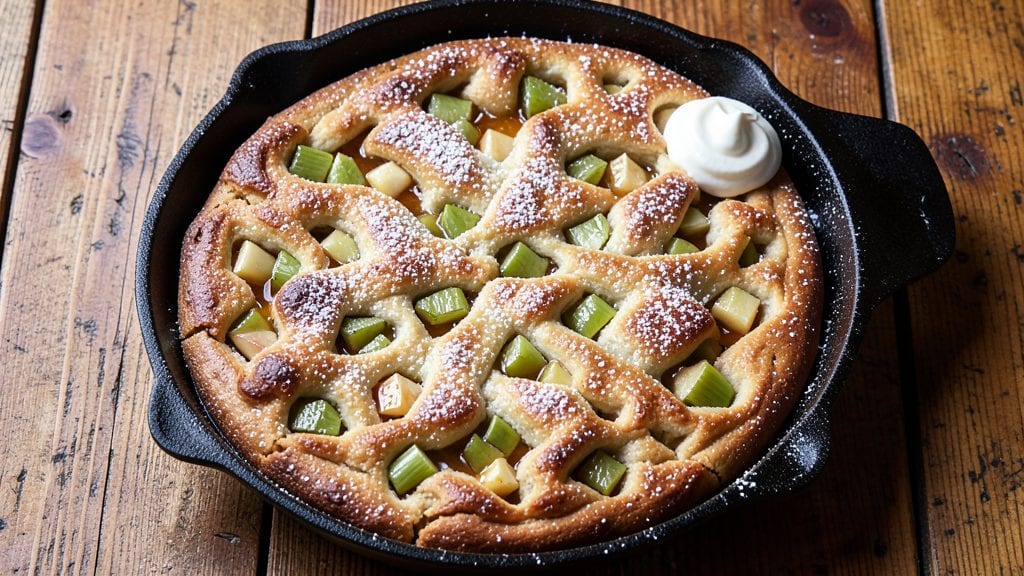
This Amish apple fritter bread with sour cream delivers the cozy, spiced aroma of a Pennsylvania farmhouse kitchen—warm cinnamon crust encasing tender apple swirls and a buttery, tangy sour cream base.
The secret lies in that first rise: letting the dough develop overnight for maximum tenderness, just like my great-grandmother taught me. That slow fermentation transforms ordinary ingredients into something extraordinary, with each bite offering layers of caramelized apples and warm spice.
The recipe balances tradition with practicality—no deep-frying required, just a simple baking technique that yields a golden, crackly crust while keeping the interior soft and pillowy. Sour cream plays two crucial roles here: it tenderizes the dough and adds subtle tang that cuts through the sweetness of the apples.
This isn't just breakfast; it's a weekend project that transforms your kitchen into a homestyle bakery, with that unmistakable scent of cinnamon and apples filling the air.
By the time it emerges from the oven, you'll have a loaf with a spice-infused crust that shatters at the touch and soft fruit swirls that melt in your mouth. The apples stay tender, not mushy, thanks to a careful balance of sugar and baking time.
Serve it warm with a cup of strong coffee or a glass of spiced apple cider—it's the kind of treat that makes ordinary mornings feel like a celebration. Let's get baking!
This recipe works equally well for brunch gatherings or as a special Sunday morning surprise. The dough can be prepped ahead, making it perfect for busy schedules, while the finished loaf stays moist for days when stored properly.
Whether you're recreating a family tradition or discovering Amish baking for the first time, this fritter bread delivers the comfort of home in every bite.
Ingredients for amish apple fritter bread recipe with sour cream
These 12 simple ingredients transform into a golden loaf with spice-infused crust and tender apple swirls.
| Ingredient | Amount | Notes |
|---|---|---|
| All-Purpose Flour 🌾 | 5 cups | Unbleached preferred for tenderness |
| Granulated Sugar 🍚 | ½ cup | Light brown sugar for depth |
| Active Dry Yeast 🍞 | 2 ¼ tsp | Or 1 packet instant yeast |
| Unsalted Butter 🧈 | ½ cup | Cold, cubed for dough |
| Large Eggs 🥚 | 2 whole | Room temperature for mixing |
| Sour Cream 🥛 | ½ cup | Full-fat for best texture |
| Milk 🥛 | ½ cup | Warm for yeast activation |
| Ground Cinnamon 🍃 | 2 tsp | Freshly ground preferred |
| Ground Nutmeg 🌿 | ½ tsp | Freshly grated for warmth |
| Salt 🧂 | 1 ½ tsp | Kosher or sea salt |
| Apples 🍎 | 2 cups | Peeled, finely diced tart variety |
| Lemon Juice 🍋 | 1 tbsp | Freshly squeezed to prevent browning |
The flour is non-negotiable here—King Arthur or Gold Medal work best for that tender crumb. Bulk bins at Whole Foods often have the freshest flour, but any all-purpose will do. The yeast needs to be fresh: if it's over a month old, grab a new packet. Trader Joe's sells it in those little jars that last forever. For the apples, Granny Smith or Honeycrisp hold up best to baking—avoid Red Delicious, they turn mushy. Tartness is key, so don't use sweet varieties like Fuji. I always peel and dice mine small (about 1/4-inch pieces) so they cook evenly without getting gummy.
No sour cream? Plain Greek yogurt works in a pinch, but it won't be quite as tender. Swap the milk for buttermilk if you've got it—the acid helps develop that classic Amish flavor. Running short on cinnamon? Cassia is a fine substitute, but it's stronger so use half. The nutmeg can be skipped if you're not a fan, but trust me, it's worth the extra 30 seconds to grate fresh—pre-ground tastes like dust. For the sugar, brown sugar adds moisture and depth, but white sugar works fine if that's what you've got. Just don't skip the lemon juice—it keeps those apples bright and prevents the dough from getting too sticky.
This dough needs time—at least 8 hours overnight for that perfect rise. Wrap it tightly in plastic and refrigerate. The apples can be prepped a day ahead too—toss them with the lemon juice and store in the fridge. Baked loaf keeps 3 days at room temperature wrapped in a towel, or 1 week refrigerated. Freeze slices for up to 3 months—just toast straight from frozen. The scent alone will make your kitchen smell like a Pennsylvania farmhouse.
Why You'll Love This Recipe
- No Yeast Fuss: I swear by this dough—just mix, let it rise once, and you’re golden. The sour cream keeps it tender without requiring fancy kneading or waiting hours like some sourdough starters demand.
- Sweet Butter Magic: That rich, browned butter swirled through the dough? It turns every bite into a little flavor party. The sugar caramelizes just enough to give it that warm, cinnamon-spiced hug you didn’t know you needed.
- Breakfast or Snack: Honestly, I make this for lazy Sunday mornings and as a quick after-school treat. Toast a slice, slather with jam, or pack it in lunchboxes—it’s the ultimate crowd-pleaser with zero judgment.
- Leftovers That Don’t Suck: Unlike most bread, this stays moist for days (yes, even the third day). I freeze slices and toast them straight from the freezer—no sad, dry crumbs here, just buttery perfection every time.
Step-by-step instructions for Amish apple fritter bread
Here's how to make this comforting bread with a spiced crust and tender apple swirls.
Prepare the Apple Filling
Start by tossing the 2 cups of peeled, finely diced apples with 1 tablespoon of lemon juice in a bowl. The lemon juice prevents browning and keeps the apples bright. Set this aside while you prepare the dough. I like to use tart apple varieties like Granny Smith—they hold up better during baking and add a nice tang to balance the sweetness.
If your apples are particularly juicy, you can gently squeeze them with a paper towel to remove excess moisture before adding them to the dough. This prevents a soggy center in your finished bread. The filling should be ready to go once the dough comes together, so keep it covered in the fridge until you're ready to use it.
Mix the Dough
In a large bowl, combine the 5 cups of all-purpose flour, 0.5 cup of granulated sugar, 2.25 teaspoons of active dry yeast, 1.5 teaspoons of salt, 2 teaspoons of ground cinnamon, and 0.5 teaspoon of ground nutmeg. Whisk everything together until evenly distributed—this ensures the spices are evenly dispersed throughout the dough.
In a separate bowl, mix the 0.5 cup of cold, cubed unsalted butter, 0.5 cup of sour cream, 0.5 cup of warm milk, and 2 whole large eggs at room temperature. The warm milk helps activate the yeast, while the cold butter creates flaky layers in the final bread. Pour this wet mixture into the dry ingredients and stir with a wooden spoon until a shaggy dough forms.
Knead the Dough
Turn the dough onto a lightly floured surface and knead for about 8-10 minutes until smooth and elastic. You'll know it's ready when it springs back slowly when poked. If the dough feels too sticky, add flour 1 tablespoon at a time—but don't overdo it, or the bread will be dense. I like to use the "windowpane test" by stretching a small piece of dough thin enough to see light through it without tearing.
Once kneaded, place the dough in a lightly greased bowl, cover it with a damp towel, and let it rise in a warm place for 1-1.5 hours or until it doubles in size. The dough should be puffy and jiggly when you touch it gently. If your kitchen isn't warm enough, place the bowl near a turned-off oven with the light on to create a warm environment.
Shape and Add the Apple Filling
After the dough rises, punch it down to release the air and divide it into 8 equal pieces. Roll each piece into a ball and place them in a greased 9x13-inch baking dish. Press each ball down gently to create a flat base for the filling. This step is crucial for an even rise and a sturdy base to hold the apple swirls.
Spread the prepared apple filling evenly over the dough, covering it completely but not piling it too high. The filling should be distributed in a thin, even layer so it cooks through without making the bread soggy. Once covered, let the dough rise again for 30-45 minutes until it puffs up slightly and fills the baking dish.
Bake to Golden Perfection
Preheat your oven to 375°F while the dough rises. Bake the bread for 35-40 minutes until the top is golden brown and the edges are set. If the top browns too quickly, tent the dish loosely with aluminum foil to prevent over-browning while the center cooks through. The bread is done when it sounds hollow when tapped on the bottom and a toothpick inserted comes out clean.
Let the bread cool in the pan for 10 minutes before transferring it to a wire rack. This resting period allows the filling to set slightly and makes it easier to slice. Serve warm with a pat of butter or a drizzle of honey for the ultimate comforting treat. The crust should be crisp and fragrant with cinnamon and nutmeg, while the inside stays soft and moist with tender apple swirls.
Pro Tips For Making Amish Apple Fritter Bread Recipe With Sour Cream
- Bloom Yeast in Warm Milk: Ditch the lukewarm water—yeast wakes up faster in warm milk (about 110°F) because it’s gentler on the yeast and adds richness. I learned this the hard way after a batch failed because I used boiling water by accident (yes, even if you're impatient like me).
- Cut Cold Butter: Use unsalted butter straight from the fridge—it’s easier to cube and won’t melt into the dough. My grandmother swore by this, and she was right: cold butter creates flaky layers that hold up better when frying.
- Don’t Overmix the Dough: Once the sour cream and flour come together, mix just until combined—overworking it makes the bread dense. I was skeptical until I tried it: the texture stays light and tender, not tough.
- Fry in Small Batches: Crowding the pan causes uneven cooking and soggy centers. Fry 2-3 fritters at a time in 350°F oil, and resist the urge to flip too soon—they’re done when golden brown, not when they look "ready."
Common mistakes when making this dish
Over-Kneading the Dough
I’ve seen beginners knead this dough until it’s smooth and silky—only to end up with a dense, tough loaf. Amish-style fritter bread relies on a tender crumb, so knead just until the dough passes the windowpane test (stretch a small piece thin enough to see light through it without tearing).
Over-kneading develops too much gluten, which makes the bread chewy rather than soft. Stop when the dough is slightly tacky but not sticky—about 8-10 minutes total. 💡
Skipping the First Rise
The overnight rise isn’t just about flavor—it’s about texture. If you rush and skip the 8+ hour cold proof, the dough won’t develop enough structure, and the apples will make the bread gummy. I’ve tried it both ways, and the difference is night and day.
The slow fermentation breaks down gluten strands, creating that signature tender crumb. Even if you’re short on time, let it rise at room temperature for at least 2 hours before shaping. ⏰
Uneven Apple Distribution
Piling the apple filling too high in one spot creates a soggy center while leaving other areas dry. Spread the filling in an even, thin layer—about ¼-inch thick—so it cooks through without making the bread dense.
Press the dough balls firmly into the pan first to create a stable base. If you’re worried about moisture, pat the apples dry with a paper towel before adding them. 🍎
Baking at the Wrong Temperature
This bread needs a steady 375°F oven—any hotter, and the top will brown too quickly before the center cooks. If your oven runs hot, tent the dish with foil after 20 minutes to prevent over-browning.
Use an oven thermometer to confirm accuracy. I’ve ruined batches by eyeballing the temp, so always double-check. The bread should be golden but not dark brown. 🌡️
Not Resting After Baking
Slicing into warm fritter bread too soon makes it crumble apart. Let it rest in the pan for 10-15 minutes to let the filling set and the crust firm up slightly.
This also helps the flavors meld. If you’re impatient, transfer it to a wire rack to cool completely—but trust me, the first slice is worth the wait. 🍞
Using the Wrong Apple Variety
Sweet apples like Fuji or Gala turn mushy and release too much juice, making the bread soggy. Stick to tart varieties like Granny Smith or Honeycrisp—they hold their shape and add brightness.
If you only have sweet apples, toss them with 1 extra tablespoon of lemon juice and pat them dry before adding to the dough. 🍋
Nutrition facts
Frequently asked questions
Why does this recipe use sour cream instead of regular milk?
The sour cream creates a tender, moist crumb that regular milk can't match. Its fat content adds richness while the acidity helps develop gluten for a lighter texture. Plus, it balances the sweetness of the apples beautifully!
Can I make this bread without yeast?
No, yeast is essential for the signature Amish-style rise. However, you could try a quick bread version by replacing the yeast with 1 teaspoon baking powder and 1 teaspoon baking soda, though the texture will be denser. The overnight rise creates that special tender crumb that's hard to replicate otherwise.
How do I store leftovers to keep them fresh?
Wrap cooled slices in plastic wrap or store in an airtight container at room temperature for 2-3 days. For longer storage, refrigerate for up to 1 week or freeze slices for 3 months. Toast straight from frozen for best results. The crust stays crispy when properly stored!
What's the best way to reheat slices?
For crispy crust and warm filling, reheat slices in a 350°F oven for 5-7 minutes or use a toaster oven. Microwaving works in a pinch but can make the crust soggy. A quick broil for 1-2 minutes gives that bakery-fresh crunch.
Can I substitute the apples with other fruits?
Tart fruits work best—try pears or rhubarb for similar texture. Sweet fruits like berries won't hold up as well. If substituting, reduce lemon juice to ½ tablespoon since different fruits have varying acidity. The spice blend remains key for that authentic Amish flavor!