
Beverages
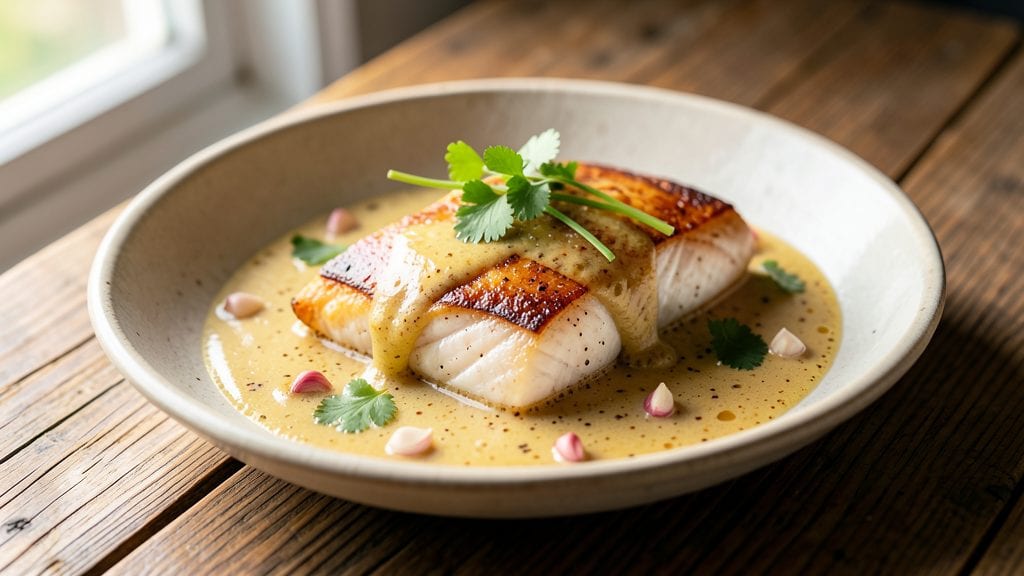
Cooking fish in milk transforms delicate white fish into ultra-tender bites with a velvety sauce that defies expectations. This technique, rooted in traditional Indian cuisine, uses milk's natural proteins to break down connective tissue while creating a silky, aromatic finish.
I first discovered it while adapting regional recipes for home kitchens—what seemed unusual became my go-to method for foolproof fish.
The process begins with a simple marinade of milk, turmeric, and spices that tenderizes the fish while infusing it with subtle warmth. Unlike traditional frying or baking, this method relies on gentle heat to achieve melt-in-your-mouth texture without drying out the fish.
The milk transforms into a rich, slightly caramelized sauce that coats every piece, balancing the natural mildness of white fish like cod or haddock.
What you'll end up with is fish that's impossibly tender, with a sauce so smooth it feels like dessert. The technique requires just 20 minutes of active prep and 15 minutes of baking, making it perfect for weeknight dinners or special occasions.
Pair it with steamed greens or crusty bread to soak up every drop of that velvety milk sauce.
This method works particularly well with firm white fish fillets, though you can adapt it for other proteins too. The key lies in the milk's acidity and fat content—both work together to create a dish that's both comforting and unexpectedly elegant.
Ready to try a technique that'll change how you cook fish forever?
Ingredients for fish cooked in milk
Simple ingredients transform delicate fish into melt-in-your-mouth perfection with velvety milk sauce.
| Ingredient | Amount | Notes |
|---|---|---|
| White Fish Fillets 🐟 | 1 ½ lb | Cod or haddock preferred, skinless |
| Whole Milk 🥛 | 1 ½ cups | Full-fat for richness, room temp |
| Ground Turmeric 🌿 | 1 tsp | Freshly ground for vibrant color |
| Ground Cumin 🌿 | ½ tsp | Toasted for deeper aroma |
| Ground Coriander 🌿 | ½ tsp | Freshly ground preferred |
| Garlic Cloves 🧄 | 3 cloves | Minced for aromatic base |
| Ginger Root 🌿 | 1 tsp | Freshly grated, not powdered |
| Lemon Juice 🍋 | 1 tbsp | Freshly squeezed, brightens flavors |
| Salt 🧂 | 1 tsp | Kosher or sea salt preferred |
| Black Pepper 🌶️ | ½ tsp | Freshly ground for heat |
| Butter 🧈 | 2 tbsp | Unsalted, for finishing sauce |
| Fresh Cilantro 🌿 | ¼ cup | Chopped, for garnish |
| Olive Oil 🫒 | 1 tbsp | For greasing baking dish |
The fish is the star, so choose firm white fillets—cod or haddock hold up best to the milk marinade. Look for bright, translucent flesh at the seafood counter, avoiding any with a strong fishy odor. Whole Foods or local fishmongers often carry the freshest cuts, but don't overlook frozen options if labeled 'sustainably caught.' The milk should be full-fat (the proteins work magic here), and I always use organic when possible to avoid artificial additives. For the spices, Penzeys or bulk bins at natural markets ensure freshness—ground spices lose potency quickly.
No fresh turmeric? Use 0.75 tsp ground—it's less potent. Substitute cumin with 1 tsp garam masala for a similar warmth. The ginger must be fresh—powdered lacks the zing. If you're missing lemon juice, apple cider vinegar at half the amount works in a pinch. For the butter, European-style (like Plugrá) adds extra richness. The olive oil? Any light or extra-virgin will do—just avoid heavily flavored varieties that might clash. And if cilantro's an issue, fresh parsley works beautifully as a garnish instead.
This dish reheats beautifully—gentle warming in a saucepan preserves the sauce's silkiness. Store leftovers in an airtight container for up to 3 days in the fridge, though the sauce thickens slightly overnight. For longer storage, freeze portions for up to 2 months. The milk marinade can be prepped ahead—just add the fish last minute before baking. Pro tip: Save the milk residue from the baking dish—it makes an amazing quick sauce for toast or eggs the next morning.
Why You'll Love This Recipe
- Milk Magic Simplicity: I swear, this takes less effort than ordering takeout. Just marinate the fish in warm milk with turmeric, cumin, and coriander for 20 minutes—no chopping, no fuss—while you handle whatever else life throws at you.
- Creamy-Spiced Bliss: The milk tenderizes the fish into melt-in-your-mouth perfection, while those earthy spices (especially the turmeric) give it that golden, aromatic glow. Honestly, it’s the kind of flavor that makes you pause mid-bite.
- Lunch or Dinner Hero: Pack the leftovers for work—it reheats beautifully—and it’s fancy enough for guests but simple enough for a Tuesday. My roommate’s vegetarian friends now ask for it weekly.
- Budget-Friendly Luxury: You’re using whole milk (not heavy cream) and basic spices, but the result feels like a restaurant dish. Between us, this is my secret weapon for stretching a protein budget without sacrificing taste.
Step-by-step instructions for ultra-tender white fish with silky sauce
This method guarantees melt-in-your-mouth fish with a delicate, velvety sauce every time.
Prepare the Spiced Milk Marinade
In a medium saucepan, combine the 1.5 cups whole milk, 1 teaspoon ground turmeric, 0.5 teaspoon ground cumin, and 0.5 teaspoon ground coriander. Warm over medium heat until the milk reaches 160°F—just until small bubbles form around the edges but don't boil vigorously. This gentle heating helps the spices infuse fully without curdling the milk.
Remove from heat and stir in the 3 minced garlic cloves and 1 teaspoon freshly grated ginger root. Let the mixture steep for 15 minutes while you prepare the fish. The spices should develop a warm, aromatic fragrance—this is your signal the marinade is ready. Strain through a fine-mesh sieve to remove any garlic bits if you prefer a completely smooth sauce.
Marinate the Fish for Maximum Tenderness
Pat the 1.5 lb white fish fillets completely dry with paper towels—this ensures even cooking and prevents steaming instead of searing. Place the fillets in a shallow baking dish and pour the spiced milk marinade evenly over them, coating all surfaces. Let the fish marinate at room temperature for 20-30 minutes. The milk will begin to slightly whiten the fish, indicating the marinade is working its magic.
While marinating, preheat your oven to 375°F. This temperature is crucial—too high and the fish will overcook; too low and it won't develop that delicate texture. Line a baking sheet with parchment paper and lightly grease it with 1 tablespoon olive oil to prevent sticking. The fish should be the only item on the sheet to ensure even heat distribution.
Bake Until Just Cooked Through
Carefully transfer the marinated fish to the prepared baking sheet, ensuring the fillets are spaced ½ inch apart. Bake for 12-15 minutes until the fish flakes easily with a fork and reaches an internal temperature of 145°F. The edges should turn just slightly opaque while maintaining a delicate sheen on the surface—this indicates perfect doneness. Overcooking by even a minute will make the fish dry and rubbery.
During the last 2 minutes of baking, place the 2 tablespoons butter in a small saucepan over low heat. Melt the butter until it foams but doesn't brown, then remove from heat. This butter will be used to finish the sauce and add richness.
Create the Silky Sauce
Once the fish is cooked, remove it from the oven and tent loosely with aluminum foil to keep warm. Pour the spiced milk marinade from the baking dish into a clean saucepan. Add the melted butter and stir in the 1 tablespoon lemon juice. Bring to a gentle simmer over medium-low heat, stirring constantly for 3-4 minutes until the sauce thickens slightly and coats the back of a spoon.
Season the sauce with the 1 teaspoon salt and 0.5 teaspoon black pepper. Taste and adjust the seasoning—you may need a bit more salt since the fish has absorbed some of the marinade's flavor. The sauce should be smooth, slightly tangy, and have a delicate spice profile that complements the fish without overpowering it.
Serve with Fresh Garnish
Plate the fish immediately, spooning the silky sauce generously over each fillet. Garnish with the 0.25 cup chopped fresh cilantro just before serving. The bright green color provides a beautiful contrast to the golden fish and creamy sauce. Serve with steamed rice or crusty bread to soak up any remaining sauce—this dish is best enjoyed while the fish is still warm and the sauce maintains its velvety texture.
Each bite should deliver perfectly tender fish with a delicate, spiced sauce that clings to every flake. The milk cooking method is the secret to achieving this restaurant-quality texture at home without any complicated techniques.
Pro Tips For Making Fish Cooked In Milk
- Simmer Milk Slowly: Start with a gentle simmer—not a rolling boil—once the milk hits the pan. I learned this the hard way: boiling milk too fast curdles it, and you’ll end up with a grainy, unappetizing base instead of that creamy, golden sauce.
- Pat Fish Dry First: Use paper towels to blot the fillets until they’re bone-dry before adding them to the milk. Wet fish steams instead of searing, and you’ll miss out on that crisp, caramelized crust that makes all the difference in this dish.
- Toast the Spices: Bloom the turmeric, cumin, and coriander in a dry pan for 30 seconds before adding milk. This wakes up their flavors and prevents that dull, powdery taste that happens when you just dump them in raw.
- Add Lemon at the End: Skip the lemon until the very last minute—just a squeeze over the finished dish. Adding it too early can make the milk curdle or turn the fish rubbery, and you’ll lose that bright, fresh finish that cuts through the richness.
Regional styles of fish cooked in milk
Indian Coastal Tradition
This technique originated in coastal India, where fishermen used milk to tenderize fresh catch like pomfret or seer fish. The method, called "doodh mein pakana" (cooking in milk), became popular in Goa and Kerala due to the region's abundant dairy and seafood.
I first encountered it while adapting a Goan pomfret curry—the milk's proteins break down fish fibers while creating a naturally rich sauce. 🌶️
The original version often includes mustard seeds and kokum for tang, but I simplified it for home cooks. In Kerala, they sometimes use coconut milk instead of dairy milk for a lighter texture. The key is always gentle heat—never boiling—to preserve the milk's velvety quality.
Middle Eastern Yogurt Method
While India uses milk, Middle Eastern cuisines employ yogurt for a similar effect, particularly with sabayon-style fish dishes in Lebanon and Syria. The acidity in yogurt tenderizes fish while adding creaminess—think of it as a cousin to the milk method.
I adapted this technique for whole red snapper, creating a dish called "samak bil-laban" (fish in milk).
The process involves marinating fish in yogurt mixed with garlic and cumin, then baking or grilling. The result is ultra-tender fish with a tangy, slightly caramelized crust. For a fusion twist, I sometimes combine both methods: marinate in yogurt, then finish with a milk-based sauce. 💡
Caribbean Coconut Fusion
In the Caribbean, coconut milk replaces dairy milk for fish stews and moques, especially in Jamaica and Trinidad. The technique is similar—coconut's natural enzymes tenderize fish while adding a sweet, nutty depth.
I created a version using cod fillets marinated in coconut milk with scotch bonnet peppers and thyme, then baked until flaky.
The sauce thickens beautifully when reduced, creating a luxurious, slightly sweet glaze. For extra richness, I stir in 1 tablespoon of heavy cream at the end. This fusion works perfectly with jerk-spiced rice or fried plantains for a full meal. 🌴
Japanese Milk-Glazed Ayu
Japan's "gyuniku no niku" (fish cooked in milk) tradition uses ayu fish (sweetfish) during summer festivals. The method involves poaching fillets in sweetened milk until silky, then glazing with a mirin and soy reduction.
I adapted this for haddock, adding a touch of sake to the marinade for depth.
The result is a delicate, almost custard-like texture with a subtle umami finish. Serve with steamed bok choy and sesame seeds for a light yet elegant dish. This style proves milk cooking isn't just for spicy flavors—it elevates clean, bright seafood dishes too. ✨
Modern Fusion Adaptations
Today, chefs worldwide are reimagining milk-cooked fish with global twists. In California, I've seen sushi-grade salmon marinated in almond milk with miso for a vegan-friendly version. Meanwhile, Scandinavian restaurants use buttermilk for a tangier, lighter sauce with dill and mustard seeds.
For a smoky twist, I've added a pinch of smoked paprika to the spiced milk marinade, then finished with a drizzle of chipotle oil. The contrast of creamy milk and smoky heat creates a dish that's both comforting and bold. 🔥
Nutrition facts
Frequently asked questions
Why does cooking fish in milk make it so tender?
The milk's natural proteins and gentle acidity break down the fish's connective tissue while cooking, creating an ultra-tender texture. The 160°F marinade temperature helps infuse flavor without curdling, while the baking process at 375°F ensures even cooking without drying out the fish. This method transforms firm white fish into melt-in-your-mouth perfection.
Can I use this technique with other types of fish besides cod or haddock?
Yes! This method works beautifully with firm white fish like halibut, mahi-mahi, or even whole red snapper. For delicate fish like sole or flounder, reduce the marinating time to 15 minutes to prevent over-tenderizing. The milk method elevates any mild-flavored fish while keeping the texture intact.
What if the milk curdles when heating the marinade?
Curdling happens when milk is heated too quickly or vigorously. To fix it, immediately remove the pan from heat and whisk in 1 tablespoon of cold water or lemon juice. Stir gently to smooth out the texture before continuing. For prevention, always heat milk over medium-low heat and never let it boil.
How can I make this dish vegetarian or vegan?
Replace the fish with firm tofu or king oyster mushrooms (sliced into fillets). Use almond milk or coconut milk instead of dairy, and add 1 tablespoon of nutritional yeast for depth. The marinade and sauce will still create a silky, flavorful dish that works perfectly with steamed veggies or rice.
Can I prepare the marinade ahead of time?
The spiced milk marinade keeps well in the fridge for up to 2 days. Store it in an airtight container and add the fish just before baking. For longer storage, freeze the marinade (without fish) for up to 1 month). Thaw overnight in the fridge before using. This makes meal prep a breeze!