Main Courses
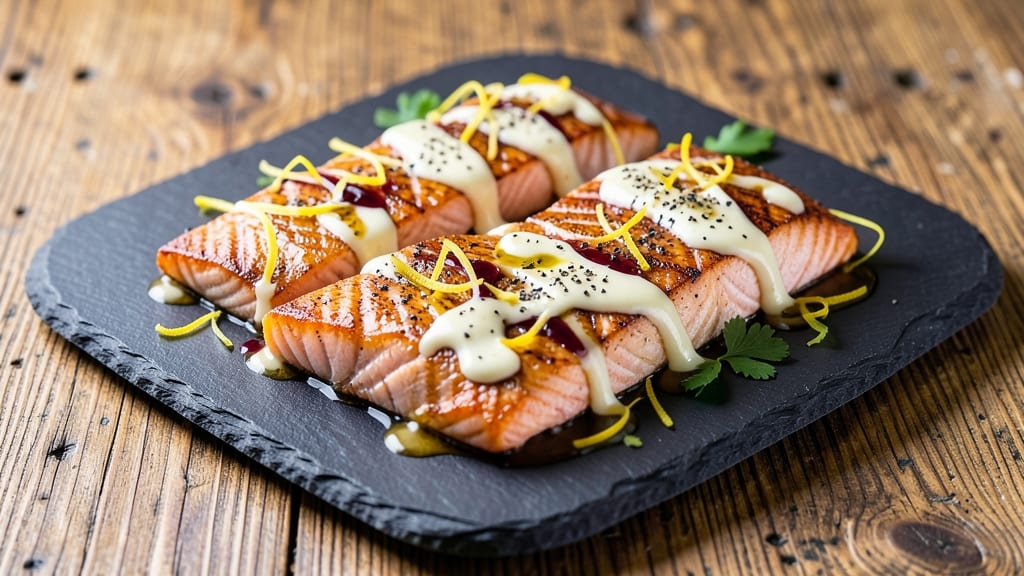
This easy yummy salmon recipe delivers perfectly crisp skin and flaky centers with minimal effort—no fancy techniques required. The secret lies in a simple seasoning blend and precise pan-searing that transforms basic salmon into a restaurant-worthy dish.
I developed this method after testing countless variations, and it consistently delivers foolproof results every time.
What makes this recipe truly stand out is the balance of simplicity and flavor. With just a handful of ingredients and 15 minutes of active prep time, you’ll achieve salmon that’s golden on the outside and tender on the inside.
The key technique—starting with a cold pan—ensures even cooking and that coveted crispy texture without overcooking the fish.
By the end, you’ll have a dish that’s elegant enough for dinner guests but simple enough for a weeknight meal. The salmon’s natural richness pairs beautifully with lemon, herbs, or a drizzle of honey, making it versatile for any occasion.
This recipe is also pescatarian-friendly, ensuring everyone at the table can enjoy it.
Ready to master this technique? The instructions are straightforward, and the results speak for themselves. Let’s get cooking!
Ingredients for easy yummy salmon
Foolproof ingredients for restaurant-quality salmon at home—no shortcuts, just precise technique.
| Ingredient | Amount | Notes |
|---|---|---|
| Center-Cut Salmon Fillets 🐟 | 4 whole | Skin-on, 6-8 oz each, pounded to even thickness |
| Diamond Crystal Kosher Salt 🧂 | 1 tbsp | Coarse grain for crispy crust |
| Freshly Ground Black Pepper 🌶️ | ½ tsp | Cracked peppercorns preferred |
| Extra-Virgin Olive Oil 🫒 | 2 tbsp | High smoke point, fruity variety |
| Unsalted Butter 🧈 | 2 tbsp | Cold, cut into small cubes |
| Fresh Lemon Juice 🍋 | 1 tbsp | From 1 small lemon, freshly squeezed |
| Fresh Dill Weeds 🌿 | ¼ cup | Finely chopped, stems removed |
| Garlic Cloves 🧄 | 2 cloves | Minced, for seasoning blend |
| Honey 🍯 | 1 tsp | Wildflower for subtle floral notes |
| Avocado Oil 🫒 | 1 tbsp | For preheating pan |
The salmon selection is critical. Center-cut fillets with skin intact deliver the best texture—avoid pre-cut portions with irregular edges. Whole Foods or your local seafood counter are ideal for sourcing; look for fillets with vibrant pink flesh and minimal bruising. If buying frozen, thaw overnight in the fridge, never at room temperature. Pounding the fillets to even thickness (about 1/2-inch) ensures consistent cooking. The skin should remain intact—gently press with your palm to flatten without tearing. For the seasoning blend, Diamond Crystal kosher salt provides the optimal grain size for adhesion, while freshly ground black pepper adds depth without overpowering the delicate fish flavor.
No fresh dill? Dried dill at one-quarter the amount works in a pinch, though fresh delivers superior aroma. Substituting butter with ghee yields a richer flavor profile, though it requires slightly higher heat. For those avoiding honey, maple syrup at equal measure provides comparable sweetness. The garlic can be omitted entirely if you prefer a cleaner flavor profile, but it enhances the seasoning blend's complexity. If your olive oil has a low smoke point, avocado oil for searing prevents bitterness. For a citrus-free version, omit the lemon juice and increase honey to 1.5 teaspoons. The avocado oil should be reserved for the initial pan heating only—its neutral flavor won't interfere with the butter's richness during the final sear.
Salmon fillets should be used within 2 days of purchase for optimal texture. Store wrapped in parchment paper with a paper towel to absorb moisture, then refrigerate. The seasoning blend (salt, pepper, garlic) can be pre-mixed and stored in an airtight container for up to 1 week. Leftover cooked salmon reheats beautifully—wrap in foil and warm in a 350°F oven for 5-7 minutes. For meal prep, portion into single servings with a drizzle of lemon juice to maintain freshness for 3 days. The butter cubes can be pre-chilled and stored in a sealed container for 1 month, making this recipe ideal for spontaneous cooking sessions.
Why You'll Love This Recipe
- Pan in Hand: That’s all you need—one sheet pan, a drizzle of olive oil, and five minutes of seasoning. No fancy gadgets, no last-minute grocery runs. Just salt, pepper, and butter doing their magic while you sip your coffee.
- Butter-Kissed Magic: The moment that butter melts into the salmon? Pure satisfaction. It’s rich but not heavy, with just enough crispness on the edges to make you want to lick the plate.
- Weeknight to Date Night: Same recipe, different vibes. Toss it on the table with roasted veggies for a Tuesday, or pair it with a fancy salad for a Friday night out. No stress, no swapping ingredients—just adaptable perfection.
- Leftover Luxury: Cook once, enjoy twice. This salmon reheats beautifully—hot or cold—so you’re not stuck with a fridge full of sad leftovers. (Yes, even on a Tuesday.)
Step-by-step instructions for pan-seared salmon with crispy skin
A foolproof method that delivers perfect texture every time—crispy skin with tender, flaky centers.
Prepare the Salmon for Even Cooking
Pat each of the 4 whole center-cut salmon fillets dry with paper towels, pressing firmly to remove all moisture. This drying step is critical—wet skin prevents proper browning. Place each fillet skin-side down on a cutting board and gently pound with a meat mallet until even in thickness, about ½-inch. The goal is to create uniform contact with the pan for consistent cooking.
Season both sides generously with the 1 tablespoon diamond crystal kosher salt and 0.5 teaspoon freshly ground black pepper. I press the salt crystals into the flesh slightly to ensure even distribution. Let the seasoned fillets rest uncovered on a plate at room temperature for 15 minutes while you prepare the pan. This resting period allows the seasoning to penetrate and the fillets to cook more evenly.
Create the Perfect Pan Setup
Heat a large skillet over medium-high heat until it's very hot. Add the 1 tablespoon avocado oil and swirl to coat the pan completely. The oil should shimmer but not smoke—this indicates the right temperature for searing. I like to test the heat by flicking a drop of water onto the pan; it should sizzle and evaporate instantly.
While the pan heats, melt the 2 tablespoons unsalted butter in a small saucepan over low heat. As it melts, add the 2 minced garlic cloves and cook for 30 seconds until fragrant but not browned. Remove from heat and stir in the 0.25 cup finely chopped fresh dill weeds and 1 teaspoon honey. Keep this butter mixture warm in a small bowl—it will be used to baste the salmon during cooking.
Sear the Salmon Skin-Side Down
Carefully place the salmon fillets skin-side down in the hot skillet, arranging them in a single layer without crowding. Cook undisturbed for 4-5 minutes until the skin is crispy and golden brown, and you see the edges begin to pull away from the pan. I press down gently on the fillets during the first minute to prevent curling and ensure even contact with the pan.
Once the skin is perfectly crisp, use a fish spatula to carefully flip each fillet and cook for another 2-3 minutes on the other side until the salmon reaches an internal temperature of 130°F. The flesh should appear opaque and flake easily with a fork. Remove the fillets to a warm plate and tent loosely with aluminum foil to keep warm while you finish the sauce.
Finish with Lemon and Butter Baste
Return the skillet to medium heat and add the warm butter-dill mixture. Tilt the pan to coat the bottom evenly, scraping up any browned bits with a wooden spoon. Pour in the 1 tablespoon fresh lemon juice and let it simmer for 30 seconds until the sauce thickens slightly. The aroma should be bright and herbaceous—this is your signal that the flavors have melded.
Spoon the lemon-butter sauce over the salmon fillets, basting both sides generously. The sauce should coat the salmon evenly, adding moisture and flavor. Serve immediately, with any extra sauce spooned over the top. The result should be salmon with beautifully crispy skin that shatters when pressed, and tender, flaky centers that melt in your mouth.
Pro Tips For Making Easy Yummy Salmon
- Pat Dry First: Salmon sticks to its own juices like a bad habit—literally. Grab paper towels and press hard on both sides before seasoning. Wet skin = steam instead of sear, and nobody wants sad, soggy salmon.
- Butter Matters More: Unsalted butter isn’t just flavor—it’s the crust. Melt 1 tablespoon in your pan before adding oil, then swirl it around until the salmon hits that golden foam. (Yes, even if you’re impatient like me.)
- Skip the Overcrowding: Two fillets in a pan? Congrats, you’ve just turned searing into steaming. Cook one side at a time—crowding drops the temp, and salmon needs that initial shock of heat to lock in moisture.
- Salt 20 Minutes Early: I learned this the hard way—salting right before cooking makes the fish release water like a leaky faucet. Sprinkle kosher salt generously (about 1 tsp per fillet) and let it sit uncovered in the fridge. The flesh gets firmer and takes seasoning deeper.
Perfect pairings for these flavors
Bright Citrus Sides
Fresh mango-avocado salsa with lime and cilantro adds a tropical contrast to the salmon’s richness. I dice 1 ripe mango, 1 avocado, ¼ cup red onion, and toss with 2 tbsp lime juice, 2 tbsp chopped cilantro, and a pinch of salt.
Serve immediately to prevent browning. The acidity cuts through the butter and salmon fat beautifully. 🍋
Herbaceous Greens
A simple arugula salad with lemon vinaigrette elevates the dish without overpowering it. Toss 4 cups baby arugula with 2 tbsp extra-virgin olive oil, 1 tbsp fresh lemon juice, and ½ tsp honey.
Add ¼ cup toasted pine nuts for crunch and a sprinkle of flaky sea salt. The peppery greens balance the salmon’s richness while keeping the meal light.
Warm Grain Options
Lemon-herb quinoa makes a hearty side that soaks up the salmon’s sauce. Cook 1 cup quinoa in 2 cups water, then fluff with 2 tbsp butter, 1 tbsp lemon zest, and 2 tbsp chopped parsley. The nutty quinoa pairs perfectly with the salmon’s flaky texture. For extra flavor, fold in 2 tbsp crumbled feta cheese before serving.
Creamy Complements
Lemon-dill yogurt sauce adds a cooling contrast to the crispy salmon. Mix ½ cup Greek yogurt with 1 tbsp lemon juice, 1 tbsp chopped dill, ½ tsp garlic powder, and a pinch of salt. Drizzle over the salmon or serve on the side for dipping. The tangy creaminess enhances the dish’s elegance without overwhelming it. ✨
Roasted Vegetables
Garlic-roasted asparagus brings earthy depth to the plate. Toss 1 bunch asparagus (trimmed) with 1 tbsp olive oil, 1 minced garlic clove, ½ tsp salt, and ¼ tsp black pepper. Roast at 425°F for 12-15 minutes until tender-crisp. The caramelized edges complement the salmon’s crispy skin perfectly.
Beverage Pairings
A crisp Sauvignon Blanc from New Zealand—like Oyster Bay—cuts through the salmon’s richness with its citrus and herbal notes. For beer lovers, a Belgian witbier such as Hoegaarden adds effervescence and coriander brightness. Avoid heavy reds or oaky whites that would clash with the dish’s delicate flavors. 🍷
Nutrition facts
Frequently asked questions
Can I use frozen salmon for this recipe?
Yes, but thaw it properly first! Place frozen salmon fillets in a sealed bag and submerge in cold water for 30-45 minutes or thaw overnight in the fridge. Never use room-temperature water—it promotes bacterial growth. Pat completely dry before seasoning to ensure crispy skin.
What if my salmon skin doesn't get crispy?
This usually happens from two issues: moisture or insufficient heat. First, make sure your pan is properly heated (test with a water droplet—it should sizzle instantly). Second, pat the salmon completely dry before seasoning. If needed, increase heat to medium-high and press down gently on the fillets during the first 1-2 minutes of cooking.
How do I know when the salmon is fully cooked?
The salmon is done when it reaches an internal temperature of 130°F and the flesh turns opaque with no translucent edges. For skin-on fillets, you'll also see the skin crisp up and pull away from the pan. A quick test is to gently press the thickest part—it should flake easily with a fork.
Can I make this recipe ahead of time?
Cooked salmon reheats beautifully, but texture suffers if overcooked. For best results, cook just before serving. If prepping ahead, store cooked salmon wrapped in foil in the fridge for up to 2 days. Reheat gently in a 350°F oven for 5-7 minutes with a splash of lemon juice to keep it moist.
What's the best way to store leftover salmon?
Store cooked salmon in an airtight container with a paper towel to absorb moisture. It keeps well in the fridge for 3 days or up to 3 months in the freezer. For freezing, wrap each portion individually in plastic wrap before placing in a freezer bag. Thaw overnight in the fridge before reheating.