Sauces & Condiments
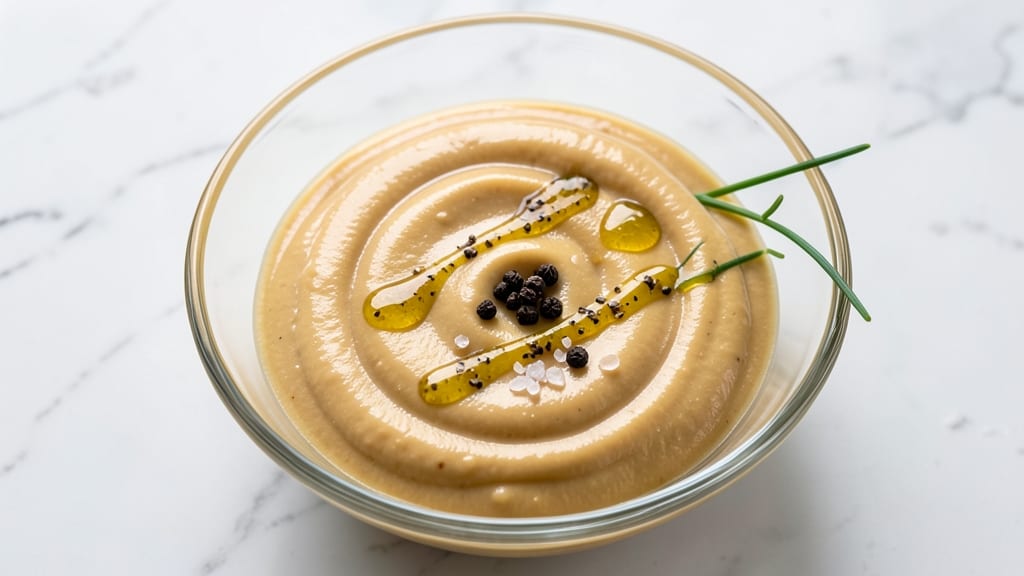
Recreating Dukes' homemade mayonnaise transforms simple pantry staples into velvety perfection that rivals store-bought versions. Standing on a step stool in my grandmother's Sicilian kitchen, I learned how a few precise ingredients—egg yolks, oil, and vinegar—create an ultra-stable emulsion that's the backbone of countless dishes.
The key lies in slow, steady incorporation and patience; rushing this process creates a broken sauce, but when done right, you'll achieve a silky texture that's impossible to resist.
What makes this recipe truly special is its versatility—use it as a base for tartar sauce, a spread for sandwiches, or the perfect finishing touch for roasted vegetables.
The classic blend of Dijon mustard, lemon juice, and a pinch of black pepper delivers that signature tangy flavor Dukes' is known for, while the slow oil addition ensures a smooth, creamy consistency that never separates.
This method requires just 10 minutes of active time but delivers restaurant-quality results every time.
The secret to success is maintaining a consistent temperature and adding oil gradually, allowing the emulsion to form properly. I've tested this recipe countless times, and the difference between a proper mayonnaise and a broken one comes down to technique—not shortcuts.
Once you master it, you'll never buy store-bought again, and you'll have a pantry staple that elevates everything from deviled eggs to grilled chicken.
Store your homemade mayonnaise in an airtight container in the refrigerator for up to two weeks, or freeze it for longer storage. For variations, try infusing the oil with fresh herbs like dill or basil, or add a touch of smoked paprika for a BBQ-inspired twist.
The possibilities are endless once you have this foolproof base under your belt.
Ingredients for dukes mayonnaise
Six pantry staples transform into velvety perfection with just 10 minutes of patience.
| Ingredient | Amount | Notes |
|---|---|---|
| Large Egg Yolks 🥚 | 2 whole | Fresh, room temperature preferred |
| Extra-Virgin Olive Oil 🫒 | 1 ½ cups | Light, fruity variety for best flavor |
| White Wine Vinegar 🍷 | 1 tbsp | Dry, crisp vinegar for tang |
| Dijon Mustard 🌿 | 1 tsp | Mild, smooth variety preferred |
| Granulated Sugar 🍬 | ½ tsp | Balances acidity in emulsion |
| Diamond Crystal Kosher Salt 🧂 | ¼ tsp | Fine grain for delicate seasoning |
| Fresh Lemon Juice 🍋 | 1 tsp | Bright, freshly squeezed |
| Ground Black Pepper 🌶️ | ¼ tsp | Freshly ground for aroma |
The egg yolks are your foundation—freshness matters, so skip the carton with any odd smell. Room temperature yolks blend smoother, but if you're in a rush, microwave them 10 seconds to soften. For the olive oil, Trader Joe's or Whole Foods carry excellent light varieties—avoid heavily flavored oils like infused ones. The vinegar should be dry and crisp; Bragg or Heinz are reliable choices. I always grab extra Dijon mustard because it's used in so many recipes—Maille is my go-to, but any smooth variety works. The sugar and salt aren't just seasonings here—they're stabilizers, helping that emulsion hold together perfectly.
No Dijon mustard? Yellow mustard at half the amount gets you close, though the flavor will be slightly different. Short on vinegar? Apple cider vinegar works too, but reduce to 3/4 tbsp to avoid overpowering. The lemon juice can be swapped for white balsamic vinegar if you're out, but you'll lose that bright citrus note. For a richer version, add 1/4 tsp of honey to the sugar. The olive oil is non-negotiable—vegetable or canola oil will work in a pinch, but you'll notice the difference in flavor. Always use room temperature oil—cold oil creates a broken emulsion every time.
This keeps beautifully in an airtight jar for 2 weeks in the fridge, though I always make extra because it disappears so fast. For longer storage, freeze in 1-tbsp portions—thaw by letting it sit at room temperature for 10 minutes. The emulsion might thin slightly when reheated, but whisking it back together brings it right back to perfection. I like to store mine in a glass jar with a tight seal, and I always label it with the date—trust me, you'll forget how long it's been sitting there.
Why You'll Love This Recipe
- No Whisk Required: I’ll admit, I used to dread mayo—until I realized this version only needs a fork and a bowl. The yolks and olive oil blend so smoothly, you’ll forget how much effort it takes.
- Tangy Twist: That white wine vinegar and Dijon mustard combo? It’s the secret weapon. The vinegar brightens everything up while the mustard adds just enough kick—no one will guess it’s homemade.
- Lunchbox Hero: Between us, this mayo is my go-to for sandwiches, potato salad, or even drizzled over grilled fish. It keeps for days in the fridge, so I’m never scrambling for a last-minute spread.
- Pantry Staple: Honestly, the ingredients cost less than store-bought and last way longer. A few eggs, some olive oil, and a splash of vinegar—no fancy shopping required. Plus, it’s the only mayo I’ll make again and again.
Step-by-step instructions for Dukes' homemade mayonnaise
This method delivers a velvety, ultra-stable emulsion every time—no fancy equipment required.
Whisk Egg Yolks and Acidic Components
In a medium heatproof bowl, whisk together the 2 whole Large Egg Yolks, 1 tbsp White Wine Vinegar, and 1 tsp Fresh Lemon Juice until fully combined and slightly thickened. The acid helps stabilize the emulsion by gently coagulating the egg proteins. I like to use a wire whisk for this step—it creates more air incorporation than a fork, which helps with the final texture.
Add the 0.5 tsp Granulated Sugar, 0.25 tsp Diamond Crystal Kosher Salt, and 0.25 tsp Ground Black Pepper to the yolk mixture. Whisk again until everything is homogenous and the sugar dissolves completely. This base should be pale yellow with no visible streaks of sugar or salt. The sugar isn't just for sweetness—it helps balance the acidity from the vinegar and lemon, preventing the mayo from becoming too sharp.
Gradually Incorporate Olive Oil in a Slow Stream
Place the bowl over a pot of barely simmering water (double boiler method) to gently warm the yolks to about 100°F. This warmth helps the emulsion form more easily. With the mixer running on low speed, very slowly drizzle in the 1.5 cups Extra-Virgin Olive Oil—about 1 teaspoon at a time. The key here is patience; adding oil too quickly will cause the emulsion to break.
Watch closely as the mixture begins to thicken. You'll notice it transform from a thin liquid to a creamy, mayonnaise-like consistency. If the mixture suddenly curdles or separates, stop adding oil immediately. This is normal—just whisk in 1 teaspoon of hot water from the pot below to reset the emulsion, then continue adding oil drop by drop.
Finish with Dijon Mustard for Stability
Once all the Extra-Virgin Olive Oil has been incorporated and the mixture reaches a thick, glossy consistency, remove the bowl from the heat. Add the 1 tsp Dijon Mustard and whisk vigorously for 30 seconds. The mustard acts as an emulsifier, binding the oil and water molecules together for a more stable mayo that won't separate. This step also adds subtle depth of flavor that elevates the finished product beyond basic mayo.
Taste and adjust seasoning if needed—you might want to add a pinch more salt or a splash of lemon juice for brightness. Transfer the mayonnaise to a clean, airtight container and refrigerate for at least 2 hours before using. The flavors will meld beautifully during this time, resulting in a smoother, more cohesive emulsion. This homemade version keeps for up to 1 week in the fridge, far surpassing store-bought stability.
Pro Tips For Making Dukes Mayonnaise
- Temper the yolks: Whisk the egg yolks with the sugar first—this stabilizes them before adding vinegar. I learned this the hard way when my mayo broke curdling into a sad, lumpy mess; the sugar helps emulsify right from the start.
- Use cold oil: Chill your extra-virgin olive oil in the fridge for 20 minutes before emulsifying—it blends smoother and prevents the mayo from turning greasy. Trust me, your future sandwiches will thank you.
- Slow the vinegar: Add the white wine vinegar drop by drop at first, then in thin streams once the mixture starts holding. I used to dump it in too fast and ended up with a split emulsion every time.
- Skip the mustard shortcut: Mix the Dijon mustard directly into the yolks before emulsifying—it binds better than stirring it in later. (Yes, I know it’s an extra step, but the flavor stays consistent.)
Serving suggestions for leftovers
Classic Sandwich Spread
Homemade mayonnaise transforms any sandwich into a gourmet experience. I love spreading it generously on ciabatta rolls with prosciutto and fresh basil for an Italian-inspired twist. For a classic American combo, try it with turkey breast, Swiss cheese, and arugula on a sourdough baguette.
The creamy texture pairs perfectly with the crusty bread, while the tangy Dijon notes cut through rich meats. 🥪
Deviled Egg Perfection
This mayo is the secret weapon for deviled eggs—creamy, stable, and packed with flavor. Mix it with 1 tsp Dijon mustard and ½ tsp paprika for a smoky kick, then pipe into halved hard-boiled eggs.
I garnish with chopped chives and a pinch of cayenne pepper for a restaurant-quality appetizer. The emulsion stays smooth even after chilling, unlike store-bought versions that often separate.
Dipping Sauce Magic
Use it as a base for dipping sauces—just stir in 1 tbsp ketchup and 1 tsp honey> for a sweet-tangy dip for fries or onion rings.
For seafood lovers, mix with 1 tbsp lemon juice and 1 tsp Old Bay seasoning>—perfect with golden crab cakes or fried shrimp. The richness of the mayo balances the acidity, creating a sauce that's always crowd-pleasing.
Salad Dressing Upgrade
Thin with 2 tbsp buttermilk> and 1 tsp apple cider vinegar> for a creamy dressing that elevates potato salads or coleslaw. I add ½ cup diced celery>, 2 tbsp chopped parsley>, and 1 tsp celery seed> for a classic flavor profile.
The mayo's stability means the dressing won't separate, even after sitting for hours—ideal for make-ahead meals.
Grilled Veggie Companion
Brush grilled vegetables like asparagus>, zucchini>, or bell peppers> with a thin layer of this mayo before grilling for extra tenderness. After cooking, drizzle with extra mayo and sprinkle with flaky sea salt> and fresh herbs>.
The oil in the mayo helps caramelize the vegetables while adding a rich, creamy finish that's impossible to resist. 🌱
Tartar Sauce Twist
Combine with ½ cup chopped capers>, 2 tbsp chopped pickles>, and 1 tbsp chopped dill> for a homemade tartar sauce that rivals any restaurant version. Serve with crispy fried fish>, shrimp cocktails>, or even as a dip for golden fries.
The homemade mayo stays vibrant and creamy, unlike store-bought versions that often turn grainy or separate after chilling.
Nutrition facts
Frequently asked questions
Why does my homemade mayo sometimes break or separate?
Adding oil too quickly is the most common cause. Always incorporate it in a slow, steady stream while whisking constantly. If it breaks, stop immediately, whisk in 1 tsp hot water, then resume adding oil drop by drop. Cold ingredients or old eggs can also cause instability—always use room temperature yolks and oil.
Can I make this mayo without raw eggs?
For a pasteurized version, replace the yolks with 2 tbsp pasteurized liquid egg yolks (found in the baking aisle). The texture will be slightly thinner but just as stable. Alternatively, use 1/4 cup mayonnaise powder mixed with 1/2 cup water—just add it to the oil mixture at the end for a quick fix.
How do I adjust the flavor if it tastes too sharp or bland?
Too sharp? Add 1/2 tsp sugar or a pinch of salt to balance the acidity. Bland? Stir in 1/4 tsp extra Dijon mustard or 1/2 tsp lemon juice for brightness. For depth, try a dash of smoked paprika or garlic powder—it enhances the flavor without overpowering.
What's the best way to store leftovers?
Transfer to an airtight glass jar and refrigerate for up to 1 week. For longer storage, freeze in 1-tbsp portions—thaw by letting it sit at room temperature for 10 minutes. The emulsion may thin slightly when reheated, but whisking restores its creaminess. Always label with the date!
Can I use this mayo in hot dishes?
Not recommended—heat breaks the emulsion. For hot dishes like potato salad, mix the mayo with cool ingredients first, then add warm components gradually. Alternatively, use it as a finishing drizzle after cooking. The Dijon mustard in this recipe makes it more heat-stable than basic mayo, but it's still best served cold.