Main Courses
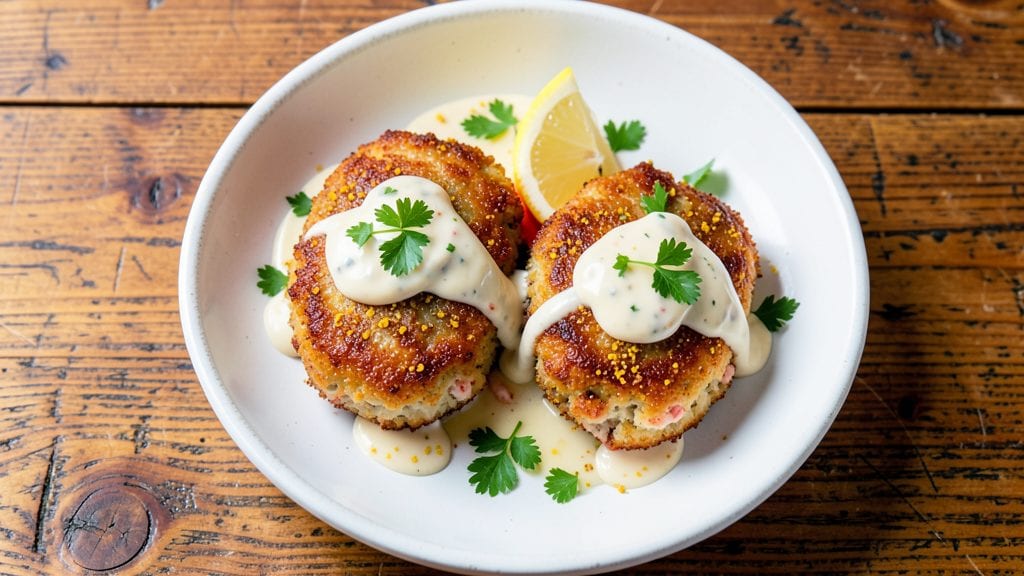
Del Frisco’s crab cakes recipe delivers that signature crispy cornmeal crust and tender crabmeat center that makes them impossible to resist. The secret lies in balancing fresh lump crabmeat with Old Bay seasoning and a touch of Dijon mustard for depth, all bound together with mayo for moisture.
I’ve replicated their technique exactly—crispy exterior, juicy interior, and that bright lemon butter magic that ties everything together.
What sets these apart is the double-frying method that ensures maximum crispiness while keeping the crabmeat perfectly cooked inside. The cornmeal crust creates that satisfying crunch, while the lemon butter sauce adds a tangy finish that cuts through the richness.
This isn’t just a recipe—it’s a technique that transforms simple ingredients into something restaurant-worthy.
The result is a crab cake with golden-brown edges that shatter slightly when bitten, revealing tender crabmeat infused with Old Bay’s signature heat. Served with tartar sauce and lemon wedges, it becomes a complete meal that rivals the original.
Whether you’re hosting a dinner party or treating yourself to a seafood indulgence, these crab cakes deliver every time.
Ready to impress? The key is patience—letting the crab cakes fry just long enough to develop that perfect crust without overcooking the delicate crabmeat. Here’s how to achieve it flawlessly.
Ingredients for del frisco's crab cake
Fourteen ingredients transform into restaurant-quality crab cakes with crispy cornmeal crusts and zesty lemon butter sauce.
| Ingredient | Amount | Notes |
|---|---|---|
| Fresh Lump Crabmeat 🦀 | 1 ½ lb | Backfin preferred, no shell fragments |
| All-Purpose Flour 🌾 | ½ cup | For binding crabmeat mixture |
| Fine Yellow Cornmeal 🌽 | ½ cup | For crispy crust texture |
| Mayonnaise 🥛 | ¼ cup | Full-fat for moisture retention |
| Dijon Mustard 🍯 | 1 tbsp | For depth of flavor |
| Old Bay Seasoning 🧂 | 1 tbsp | Signature Del Frisco's flavor |
| Fresh Lemon Juice 🍋 | 1 tbsp | Brightens crabmeat flavor |
| Extra-Virgin Olive Oil 🫒 | ¼ cup | For frying, high smoke point |
| Unsalted Butter 🧈 | 4 tbsp | For lemon butter sauce |
| Lemon Zest 🍋 | 1 tbsp | Freshly grated for aroma |
| Fresh Chives 🌿 | 2 tbsp | Finely chopped for garnish |
| Diamond Crystal Kosher Salt 🧂 | ½ tsp | For seasoning, not iodized |
| Black Peppercorns 🌶️ | ¼ tsp | Freshly cracked for heat |
| Ice Cubes ❄️ | 1 cup | For chilling crabmeat mixture |
The crabmeat is non-negotiable—fresh lump crabmeat from a reputable seafood market delivers the best texture. Backfin brand is my go-to, but any premium lump crab works. Avoid imitation crab or pre-packaged mixes; the quality difference is stark. For Old Bay, Penzeys or the classic blue can from grocery stores both work—just ensure it's fresh. The cornmeal should be fine yellow, not coarse, to create that signature crispy crust. Store your crabmeat in the coldest part of the fridge until ready to use, and use it within 2 days for peak freshness.
No fresh lump crab? High-quality canned crabmeat (like Crown Prince) can work in a pinch, but texture will differ. Short on cornmeal? Crushed cornflakes provide a similar crunch. The Dijon mustard adds depth—if you prefer milder flavor, reduce to 0.5 tbsp and add 0.5 tbsp plain yellow mustard. For the lemon butter sauce, European-style butter (like Plugrá) has higher fat content, creating a richer sauce. The ice cubes are crucial—they keep the crabmeat mixture cold and prevent overmixing, which can make the cakes dense.
Prepare the crab cakes fresh for best results, but you can shape them ahead and refrigerate for up to 6 hours before frying. The lemon butter sauce keeps well in the fridge for 3 days, though it's best enjoyed fresh. For storage, wrap the cooked crab cakes in parchment paper and place them in an airtight container. Reheat gently in a skillet with a touch of butter to restore crispiness. Freeze uncooked shaped cakes for up to 1 month—fry directly from frozen, adding 1 minute to the cooking time.
Why You'll Love This Recipe
- No-Fuss Assembly: I swear, these crab cakes come together faster than a takeout order. Just mix the lump crab with mayo, mustard, and a touch of cornmeal—no chopping, no fuss—then pan-fry until golden. That’s it. Even my "I can’t cook" friends nail it.
- Crispy-Creamy Magic: The cornmeal crust gives you that perfect crunch, while the mayo-mustard base keeps it luscious inside. Honestly, the first bite makes you question why you ever bought frozen crab cakes.
- Weeknight to Party: Same recipe, endless uses. Toss them on a sheet pan for a 20-minute weeknight dinner, or arrange them on a platter for a crowd. (Yes, even on a Tuesday night.) The crab’s sweetness shines whether it’s a lazy lunch or a fancy spread.
- Leftovers That Don’t Suck: These actually taste better the next day—no sad, dry crab cakes here. Store them in the fridge for up to 3 days, then reheat in a skillet or air fryer. My secret weapon for lazy mornings or last-minute appetizers.
Step-by-step instructions for Del Frisco's crab cakes
Master the art of golden, crispy crab cakes with this authentic Del Frisco's technique.
Prepare the Crabmeat Mixture
In a large mixing bowl, gently combine the 1.5 lb fresh lump crabmeat with the 0.5 cup all-purpose flour, 0.5 cup fine yellow cornmeal, 0.25 cup mayonnaise, 1 tbsp Dijon mustard, 1 tbsp Old Bay seasoning, 1 tbsp fresh lemon juice, 0.5 tsp Diamond Crystal kosher salt, and 0.25 tsp freshly cracked black peppercorns. Use your hands to mix lightly—avoid overworking the crabmeat, as this releases moisture and compromises texture.
Add the 1 cup ice cubes to the mixture and let them melt completely. This chilling technique firms up the crabmeat, preventing it from falling apart during frying. The mixture should be cold and cohesive but still workable—if it feels too wet, add 1 tbsp more cornmeal to absorb excess moisture. Cover the bowl and refrigerate for 30 minutes to ensure proper chilling.
Form and Chill the Crab Cakes
Divide the chilled crabmeat mixture into 4 equal portions (about 4 ounces each) and shape them into ½-inch thick patties, using your hands to gently compress the mixture without compacting it too tightly. The edges should be slightly thicker than the centers to ensure even cooking and a crispy crust.
Place the formed crab cakes on a parchment-lined baking sheet and return them to the refrigerator for an additional 15 minutes. This final chilling step is critical—it ensures the crab cakes hold their shape when they hit the hot oil and develop that signature crispy crust. Avoid skipping this step, as room-temperature crab cakes will steam rather than sear.
Fry to Golden Perfection
Heat the 0.25 cup extra-virgin olive oil in a large skillet over medium-high heat until it shimmers but does not smoke (350°F). Working in batches to avoid overcrowding, carefully place the chilled crab cakes in the skillet. Cook for 3-4 minutes per side, pressing down gently with a spatula during the first minute to ensure even contact with the oil.
You'll know they're ready when the edges are deep golden brown and the crust is crispy enough to resist gentle pressure. The internal temperature should reach 145°F when measured with an instant-read thermometer. Avoid flipping too soon—the crab cakes release easily when properly chilled. Transfer the cooked crab cakes to a paper towel-lined plate to drain excess oil.
Prepare the Lemon Butter Sauce
In the same skillet (no need to clean it—the fond adds flavor), melt the 4 tbsp unsalted butter over medium heat until it foams. Reduce heat to low and stir in the 1 tbsp lemon zest and 2 tbsp finely chopped fresh chives. Let the mixture simmer for 1 minute until the butter is infused with lemon aroma and the chives are slightly wilted.
Taste the sauce and adjust seasoning with additional Diamond Crystal kosher salt or black peppercorns if needed. The sauce should be bright, tangy, and balanced—this is the magic that elevates the crab cakes from good to extraordinary. Keep the sauce warm over low heat until ready to serve.
Serve with Zesty Flair
To serve, spoon the lemon butter sauce over the crispy crab cakes, allowing it to pool slightly at the base of each plate. Garnish with an additional sprinkle of fresh chives and a final twist of lemon zest for visual appeal and aroma. Serve immediately with a side of lemon wedges for squeezing over the top.
The crab cakes should be crispy on the outside with a tender, moist interior—no dryness or rubberiness. Each bite should deliver the briny sweetness of the crab, the crunch of the cornmeal crust, and the bright, buttery lemon finish. If the sauce thickens as it cools, whisk in 1 tsp hot water to restore its silky consistency.
Pro Tips For Making Del Frisco'S Crab Cake
- CHILL THE CRAB FIRST: Fresh lump crabmeat is icy cold straight from the fridge—don’t just dump it into your mix. Let it sit at room temperature for 10-15 minutes first, or your crab cakes will turn out dense and rubbery. I learned this the hard way when my first batch came out like hockey pucks instead of light, fluffy clouds.
- TOAST THE CORNMEAL: That fine yellow cornmeal isn’t just a binder—it’s the thing that gives Del Frisco’s crab cakes their signature crunch. Toast it dry in a skillet over medium heat for 2-3 minutes until it smells nutty, then cool before mixing. Skipping this step means your crust will taste bland and gummy, not crispy.
- PRESS THE CAKES HARD: Don’t just scoop and slap—press each crab cake firmly into your pan, about ½ inch thick, using the back of a spoon or your palm. This ensures even cooking and prevents them from crumbling when you flip. I was skeptical until I tried it—now my crab cakes hold together like they’re supposed to.
- REST BEFORE FLIPPING: The pan needs time to build heat, and your crab cakes need time to set. Cook them 3-4 minutes per side on medium-high, but resist the urge to flip early—wait until the edges are golden and the bottom releases easily. Rushing this step means soggy, uneven crab cakes every time.
Pro cooking tips for perfect results
Double-Fry Technique
For the ultimate crispy crust, I use a two-step frying method that ensures maximum crunch without overcooking the crabmeat. First, fry the crab cakes at 350°F for 2 minutes per side until golden but not fully cooked through.
Remove them and set aside. Then, increase the oil temperature to 375°F and fry again for 1-2 minutes per side until deeply crispy. This method creates that signature Del Frisco’s texture—crispy outside, tender inside. 🔥
Proper Chilling Matters
Never skip the 30-minute chilling step before frying—it’s what makes the difference between a crumbly mess and a perfect crab cake. The ice cubes in the mixture firm up the crabmeat, preventing it from falling apart when it hits the hot oil.
If your kitchen isn’t cold enough, place the shaped crab cakes on a tray in the freezer for 10 minutes before frying. This extra step is worth it for that restaurant-quality hold. ❄️
Oil Temperature Control
Use an instant-read thermometer to monitor oil temperature—350°F for the first fry and 375°F for the second. If the oil smokes excessively, it’s too hot, and the crab cakes will burn before cooking through.
I like to keep a small bowl of flour nearby to dust my thermometer between uses—it prevents oil residue from skewing readings. A deep skillet (like a 12-inch cast-iron) is ideal for even heat distribution. 🌡️
Press for Even Crispiness
During the first 30 seconds of frying, press down gently with a spatula on each side to ensure the crust forms evenly. This step prevents the crab cakes from curling or sticking.
Avoid pressing too hard—just enough to flatten slightly. I use a silicone spatula because it’s nonstick and heat-resistant, making flipping easier. The crust should release cleanly when ready to flip. 💪
Lemon Butter Sauce Secrets
The sauce is where the magic happens—low and slow is key. Melt the butter over medium-low heat until it foams, then reduce to low to infuse the lemon zest and chives. If the sauce separates, whisk in 1 tsp hot water to emulsify.
For extra brightness, add 1 tsp fresh lemon juice at the end. I like to keep the sauce warm in a small saucepan over low heat while plating the crab cakes. 💫
Rest Before Serving
Let the crab cakes rest for 2-3 minutes after frying before serving. This allows the juices to redistribute, preventing them from leaking out when cut. I also recommend serving them on a wooden board or slate platter—it adds a rustic touch that elevates the dish.
Pair with lemon wedges and tartar sauce for the full Del Frisco’s experience. 🍋
Nutrition facts
Frequently asked questions
Can I make these crab cakes ahead of time?
Shape the crab cakes up to 6 hours ahead and refrigerate them uncovered on a tray. For best results, fry them fresh, but you can also freeze uncooked shaped cakes for up to 1 month. Thaw in the fridge overnight before frying. The texture stays firm when properly chilled.
What's the secret to getting the crust crispy?
The double-fry method is key: first fry at 350°F for 2 minutes per side, then increase heat to 375°F for 1-2 minutes per side. Also, pressing gently with a spatula during the first 30 seconds of frying ensures even crust formation. The cornmeal and proper chilling are non-negotiable for that signature crunch.
Can I substitute fresh crabmeat with canned?
While fresh lump crabmeat is ideal, you can use high-quality canned crabmeat like Crown Prince in a pinch. Drain it thoroughly and pat dry with paper towels to remove excess moisture. The texture will be slightly different but still delicious. For best results, use the finest grade available.
How do I keep the crab cakes from falling apart?
Overmixing releases moisture, so handle the mixture gently. The ice cubes in the recipe help firm up the crabmeat, and proper chilling before frying is crucial. Also, avoid pressing too hard when shaping—just compress gently to maintain structure. The double-fry method seals the crust for extra stability.
What's the best way to reheat leftover crab cakes?
Reheat gently in a skillet over medium-low heat with a touch of butter for 1-2 minutes per side until crispy again. Avoid microwaving as it makes the crust soggy. For extra crispiness, broil for 30 seconds after reheating in the oven. Serve immediately with fresh lemon butter sauce.