Main Courses
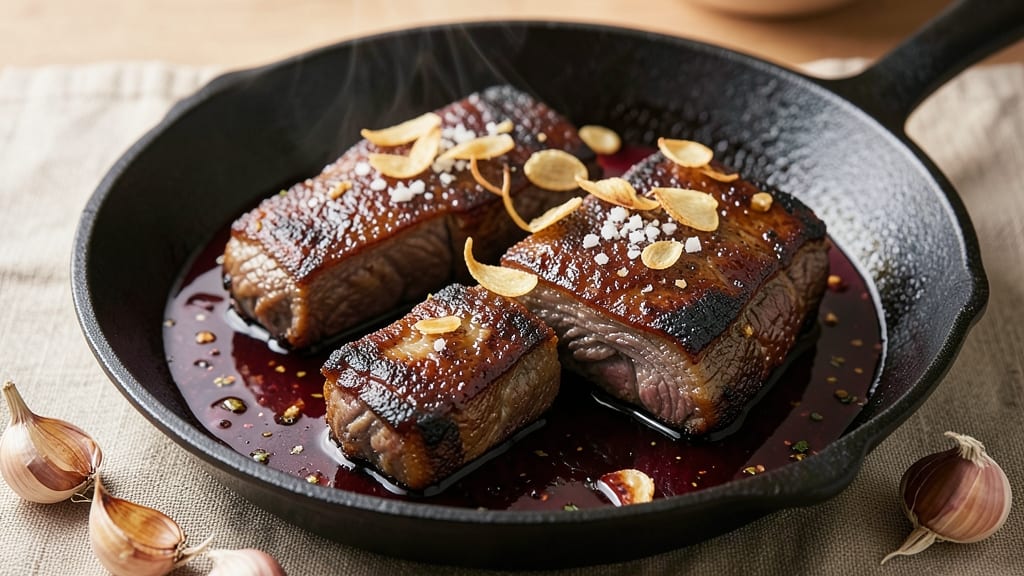
This Cooks Country short rib recipe transforms tough cuts into melt-in-your-mouth perfection through a slow-braised technique that builds deep, caramelized flavors. The secret lies in a rich red wine and beef broth base that tenderizes the meat while infusing it with layers of savory complexity.
I developed this method after years of testing—each braise reveals how patience turns inexpensive cuts into restaurant-worthy centerpieces.
The process begins with a Dutch oven sear to develop a flavorful crust, followed by hours of gentle simmering until the meat falls apart at the touch of a fork. This isn't just about cooking; it's about creating a dish that feels like a celebration on your dinner table.
The result? Short ribs so tender they practically dissolve, coated in a sauce that's equal parts silky and robust.
What makes this recipe stand out is its versatility—serve it over creamy mashed potatoes, alongside roasted vegetables, or with crusty bread to soak up every last drop of that buttery, caramelized sauce.
The aroma alone will have your guests asking for seconds before they even take their first bite. This is comfort food at its finest, elevated by technique.
Perfect for holiday gatherings or a special weeknight dinner, this method delivers foolproof results every time. The key is timing and temperature control, but once you master it, you'll never buy short ribs again. Let's get started on creating your most impressive main course yet.
Ingredients for cooks country short rib
Four pounds of beef short ribs and a handful of pantry staples transform into restaurant-quality comfort.
| Ingredient | Amount | Notes |
|---|---|---|
| Beef Short Ribs 🥩 | 4 lb | Bone-in, cut into 2-inch pieces |
| All-Purpose Flour 🌾 | ½ cup | For dredging ribs before searing |
| Kosher Salt 🧂 | 2 tbsp | Diamond Crystal preferred for balance |
| Freshly Ground Black Pepper 🌶️ | 1 tbsp | Cracked peppercorns preferred |
| Dry Red Wine 🍷 | 1 cup | Cabernet Sauvignon or Merlot |
| Beef Broth 💧 | 3 cups | Homemade or quality low-sodium |
| Tomato Paste 🍅 | 2 tbsp | Squeeze tube preferred |
| Yellow Onion 🧅 | 1 whole | Diced, yellow or red |
| Carrots 🥕 | 1 ½ lb | Peeled, cut into chunks |
| Garlic Cloves 🧄 | 6 cloves | Smashed, not minced |
| Fresh Thyme 🌿 | 2 sprigs | Or 1 tbsp dried thyme |
| Fresh Rosemary 🌿 | 1 sprig | Or 1 tsp dried rosemary |
| Unsalted Butter 🧈 | 4 tbsp | Cold, cut into chunks |
| Bay Leaves 🍃 | 2 whole | Remove before serving |
The short ribs are the star—look for bone-in cuts with good marbling. Costco or Whole Foods usually have the best selection, but any quality butcher will do. If you're buying pre-cut pieces, aim for 2-inch chunks—they'll braise more evenly. The beef broth is non-negotiable; homemade or high-quality low-sodium store-bought makes all the difference. For the wine, any bold dry red works—Cabernet Sauvignon or Merlot are classic choices, but whatever's open in your fridge will do. The tomato paste can be from a squeeze tube at Trader Joe's—it's perfect for this recipe and lasts forever.
No red wine? Substitute beef broth with 1 tbsp balsamic vinegar for depth. Fresh thyme and rosemary are ideal, but dried works at one-third the amount. The carrots can be baby carrots if that's what's in the fridge—just cut them into even chunks. For the garlic, smashed cloves (not minced) release more flavor during the braise. The butter adds richness at the end—don't skip it, even if you're watching calories. Pre-grated Parmesan? Freshly grated from a block is worth the extra minute if you're feeling fancy.
This braise tastes even better the next day—plan ahead. The ribs keep in the fridge for 4-5 days or freeze for 3 months. I portion mine into containers so lunches are sorted for the week. The sauce thickens as it cools, so add a splash of broth if it's too stiff when reheating. Double the recipe if you're feeding a crowd—it reheats beautifully and makes great leftovers.
Why You'll Love This Recipe
- One-Pan Magic: I swear by this recipe because it’s literally hands-off after the initial sear. You brown the ribs, dump in the wine and broth, and let them melt into tenderness—no flipping, no fussing, just rich, falling-apart perfection. (Yes, even on a Tuesday night.)
- Wine-Infused Richness: That splash of dry red wine? It’s not just for show—it deepens the sauce into something velvety and complex, like a fancy bistro dish but with pantry staples. The flour helps thicken it just enough to coat every bite, so you’re left with ribs that taste like they simmered all day.
- Leftovers for Days: Between us, this recipe makes way more than I can eat in one sitting. The ribs stay juicy for at least three days in the fridge, and the sauce? Even better reheated—just toss it in a pan with a splash of water. My freezer’s always stocked with these because they’re too good to waste.
- Budget-Friendly Luxury: Short ribs are the ultimate "small cut, big flavor" deal. You’re getting restaurant-quality richness for a fraction of the price, and the flour and wine stretch the ingredients further. Honestly, it’s the kind of dish that makes me feel like I’m treating myself without breaking the bank.
Step-by-step instructions for Cooks Country short rib recipe
Here's how to transform tough short ribs into melt-in-your-mouth perfection with rich, velvety braising.
Sear the Short Ribs for Deep Flavor
Pat the 4 lb beef short ribs completely dry with paper towels—this ensures maximum browning. In a large Dutch oven, heat 2 tablespoons of the unsalted butter over medium-high heat until it foams. Working in batches to avoid crowding, sear the short ribs on all sides for 3-4 minutes per side until they develop a deep mahogany crust. You're building flavor through the Maillard reaction, so don't rush this step.
Remove the seared ribs and set them aside. In the same Dutch oven, add the remaining 2 tablespoons of unsalted butter and let it melt completely. Sprinkle in the 0.5 cup all-purpose flour and stir vigorously with a wooden spoon for 1-2 minutes until the flour turns golden brown and nutty. This creates a rich roux that will form the base of your braising liquid.
Build the Braising Liquid with Wine and Aromatics
Pour in the 1 cup dry red wine and scrape up all the browned bits from the bottom of the Dutch oven with a wooden spoon. This deglazing step captures all the concentrated flavor you just created. Let the wine simmer for 3-4 minutes until it reduces by about half and the alcohol aroma dissipates completely.
Add the diced 1 whole yellow onion, smashed 6 cloves garlic, 2 sprigs fresh thyme, 1 sprig fresh rosemary, and 2 whole bay leaves to the Dutch oven. Stir everything together and cook for 2-3 minutes until the onions soften slightly and become translucent. This step develops the aromatic foundation of your braise.
Braise Until Fork-Tender
Return the seared short ribs to the Dutch oven. Stir in the 2 tablespoons tomato paste and pour in the 3 cups beef broth. Bring the mixture to a gentle simmer, then reduce heat to low. Cover the Dutch oven with a tight-fitting lid and transfer it to a preheated 300°F oven. Here's the key: braise for 3 hours, then remove the lid and increase the oven temperature to 350°F for another hour.
During the final hour, the liquid will reduce significantly and the ribs will develop a beautiful caramelized crust. They're fork-tender when they can be easily pierced with a fork and the meat pulls apart cleanly. If the liquid evaporates too quickly, add a splash of water or broth to maintain moisture.
Finish with Butter and Vegetables
Once the ribs are tender, remove them from the braising liquid and set them aside. Add the peeled and chunked 1.5 lb carrots to the Dutch oven and cook them in the reduced braising liquid for 10-15 minutes until they're tender but still hold their shape. Return the short ribs to the Dutch oven and stir in the remaining 2 tablespoons of unsalted butter. This adds richness and helps create a glossy sauce.
Let everything simmer together for another 5 minutes to meld the flavors. The short ribs should be coated in a rich, velvety sauce with tender meat that falls apart at the touch of a fork. Remove and discard the bay leaves before serving. This dish delivers that perfect balance of tender beef, sweet carrots, and deeply flavorful braising liquid.
Pro Tips For Making Cooks Country Short Rib
- Trim the Fat First: I learned this the hard way—skipping this step means your short ribs won’t brown properly and the sauce gets greasy. Use a sharp knife to slice off just the thickest layer of fat (about ¼-inch) from the bone side, leaving the flavorful cap intact. This keeps the meat tender while ensuring a crisp crust.
- Don’t Rush the Sear: High heat. Seriously, crank it up to medium-high and let those ribs sit undisturbed for at least 3 minutes per side. I used to flip them too soon, and the crust turned to mush—now I wait until the flour forms a deep, golden brown before touching them.
- Deglaze with Wine Immediately: As soon as you remove the ribs, pour in that red wine right away—don’t let the fond dry out. Scrape up every last bit with a wooden spoon, even the blackened bits. I once walked away for “just a minute,” and half the flavor went down the drain.
- Simmer Low and Slow: The recipe says “low simmer,” but I’ve burned sauce twice by letting it bubble. Keep it at a gentle simmer—tiny bubbles, occasional swirls—so the wine reduces without curdling. If it’s too hot, the sauce will turn cloudy and lose its depth.
Perfect pairings for this recipe
Classic Side Pairings
Creamy mashed potatoes made with buttery Yukon Golds and sour cream are the ultimate classic pairing—their smooth texture contrasts perfectly with the fork-tender ribs. I like to fold in 2 tablespoons of chives and a touch of black pepper for brightness.
For a heartier option, try roasted garlic mashed potatoes with a swirl of brown butter—the nutty depth complements the rich braising liquid beautifully. 🥔
Polenta adds a satisfying, slightly chewy texture that soaks up the sauce like a dream. Cook 1 cup polenta in 4 cups chicken broth until creamy, then finish with 2 tablespoons grated Parmesan and a pat of butter. The mild flavor lets the short ribs shine while providing a comforting base. For extra indulgence, top with crispy fried shallots from the grocery store.
Vegetable Harmony
Roasted root vegetables—like parsnips, celery root, and carrots—echo the natural sweetness of the braise. Toss them in olive oil, salt, and thyme, then roast at 400°F for 30 minutes until caramelized. The earthy flavors balance the richness of the ribs while adding visual contrast. I often roast them directly on the same sheet pan as the carrots from the braise for efficiency. 🥕
Sautéed green beans with garlic and lemon zest provide a fresh, vibrant counterpoint. Blanch 1 lb green beans for 2 minutes, then toss with 2 tablespoons olive oil, 3 minced garlic cloves, and zest of 1 lemon. Finish with toasted almonds for crunch—this keeps the meal feeling light and balanced. The acidity cuts through the richness of the short ribs beautifully.
Bread for Soaking
A crusty baguette or sourdough loaf is essential for mopping up every last drop of that luxurious sauce.
I like to slice the bread into ½-inch thick pieces, toast them until golden, and serve with herb butter (mix ½ cup softened butter with 2 tablespoons chopped parsley and 1 teaspoon garlic powder). The toasted bread adds a satisfying crunch while absorbing the flavorful juices. 🥖
Sauce Elevations
For a luxurious touch, finish the dish with a drizzle of truffle oil—just ½ teaspoon adds an earthy aroma that feels restaurant-worthy. Alternatively, swirl in 1 tablespoon crème fraîche at the end to lighten the sauce slightly while adding a tangy note.
The key is to keep it simple: let the short ribs and their natural braising sauce take center stage.
Dessert Pairings
End the meal with something light yet indulgent—like dark chocolate-dipped strawberries or a vanilla bean crème brûlée. The bittersweet chocolate contrasts the richness of the short ribs, while the creamy custard provides a smooth finish.
For a crowd-pleaser, serve warm apple crisp with vanilla ice cream—the warm spices complement the savory flavors without overpowering them. 🍓
Nutrition facts
Frequently asked questions
How long should I let the short ribs rest before slicing?
Always let the ribs rest for 10-15 minutes after removing them from the oven. This allows the juices to redistribute, ensuring each bite stays moist and flavorful. Skipping this step means you'll lose precious moisture when you cut into them.
Can I make this recipe without red wine?
Yes! Replace the 1 cup of red wine with 1 cup beef broth plus 1 tablespoon balsamic vinegar for depth. The balsamic adds complexity that mimics wine's acidity. For extra richness, stir in 1 teaspoon soy sauce during the braising stage. The dish will still taste incredible.
What's the best way to store leftovers?
Store the ribs and sauce in an airtight container in the fridge for up to 4-5 days. Reheat gently in a saucepan over medium-low heat, adding a splash of broth if the sauce thickens too much. For longer storage, freeze for 3 months—portion into individual servings for quick meals. The flavors actually improve overnight!
Why did my short ribs turn out tough instead of tender?
Tough ribs usually mean either insufficient braising time or too high heat. Ensure you braise at 300°F for 3 hours covered, then finish uncovered at 350°F for 1 hour. Also check your oven temperature—calibrate it if needed. The ribs should pull apart easily with a fork when done.
Can I use bone-in or boneless short ribs?
This recipe is designed for bone-in short ribs—they stay more flavorful and tender. If using boneless, reduce braising time by 30-45 minutes since they cook faster. Bone-in ribs develop deeper flavor from the marrow, but boneless works in a pinch. For best results, stick with bone-in cuts.