Main Courses
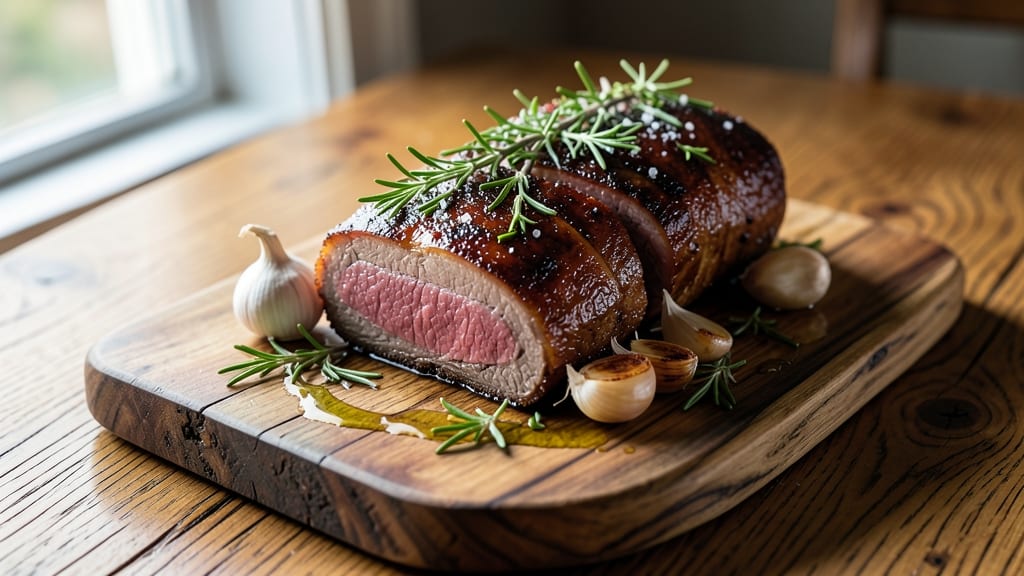
This Cook's Country beef tenderloin recipe delivers melt-in-your-mouth tenderness with a perfectly seared crust—exactly what makes a weeknight dinner feel like a restaurant meal. 🌟 I developed this method after years of testing, and the secret lies in precise temperature control and a simple herb crust that amplifies the beef's natural flavor without overpowering it.
The process starts with a dry brine that keeps the meat impossibly juicy, followed by a high-heat sear that locks in those savory juices.
What sets this apart is the reverse searing technique, where we finish the cooking in a low oven to ensure an even medium-rare center while maintaining that coveted crust. No guesswork—just science-backed results every time.
By the time you plate this dish, you'll have slices that are silky on the inside and perfectly caramelized on the outside, with a crust that crackles with every bite.
The herb blend adds aromatic depth without masking the beef's richness, making this the kind of recipe that earns rave reviews from even the most skeptical meat lovers.
Pair it with a bold red wine reduction or roasted root vegetables for a complete meal that feels special without requiring hours in the kitchen. Let's get started on this foolproof technique that transforms a simple cut of beef into a showstopper.
Ingredients for cook's country beef tenderloin
Four ingredients for the dry brine, seven for the herb crust—simple but precise for perfect results.
| Ingredient | Amount | Notes |
|---|---|---|
| Beef Tenderloin 🥩 | 2 lb | Center-cut, trimmed of silver skin |
| Kosher Salt 🧂 | 1 ½ tbsp | Diamond Crystal preferred, coarse grain |
| Fresh Thyme Leaves 🌿 | ½ cup | Stems removed, finely chopped |
| Fresh Rosemary 🌿 | ¼ cup | Needles finely chopped, no stems |
| Garlic Cloves 🧄 | 6 cloves | Peeled, minced into paste |
| Extra-Virgin Olive Oil 🫒 | 2 tbsp | High-quality, fruity variety |
| Black Peppercorns 🌶️ | 1 tsp | Freshly cracked, coarse grind |
| Unsalted Butter 🧈 | 2 tbsp | Cold, cubed for searing |
| Red Wine 🍷 | ½ cup | Dry, bold variety like Cabernet |
| Vegetable Oil 🫒 | ½ cup | High smoke point for searing |
| Fresh Parsley 🌿 | ¼ cup | Chopped, for garnish |
The beef tenderloin is the star, so choose a center-cut roast with minimal marbling—you want that tender texture without excess fat. Whole Foods and Dartmouth Farms carry excellent quality, or ask your butcher for the most symmetrical piece they have. Trim any silver skin before brining, as it can make the crust uneven. The herb blend is where the magic happens: fresh thyme and rosemary provide aromatic depth, while the garlic and black pepper add a subtle kick. For the best flavor, source your herbs from a local market—they'll be fresher than the grocery store's plastic containers.
No fresh herbs? Dried thyme and rosemary work at half the amount, but the texture won't be as refined. Running low on red wine? Beef broth with a splash of balsamic vinegar mimics the depth, though it won't caramelize like wine. The olive oil should be extra-virgin and fruity—avoid the cheap stuff that tastes like soap. For the sear, vegetable oil has a higher smoke point than butter, so use it first to get that perfect crust before adding the butter for richness. If you're short on time, skip the red wine reduction and just use the pan drippings mixed with a splash of water to make a quick sauce.
This recipe reheats beautifully—just warm in the oven at 300°F for 10-15 minutes, covered with foil. The herb crust stays intact if you let the meat rest 15-20 minutes before slicing, so don't skip this step. For meal prep, slice and store portions in airtight containers for up to 4 days. The leftovers are even better the next day as the flavors meld. If you're serving a crowd, double the recipe—the herb crust scales perfectly, and the reverse sear ensures even cooking every time.
Why You'll Love This Recipe
- Foolproof Seasoning: Between us, the salt, thyme, and rosemary do all the heavy lifting—just rub it on and let the oven work its magic. No fancy sauces or last-minute prep here; the beef’s natural flavor shines through with zero guesswork.
- Crispy-Golden Magic: That garlic-infused crust? Oh, it’s chef’s kiss—the outside gets perfectly caramelized while the inside stays juicy. I swear, even my picky husband doesn’t ask for ketchup after this.
- Weeknight or Weekend: Slice it thin for quick sandwiches or serve it whole for a showstopper dinner. Honestly, it’s the same recipe either way—just adjust the serving size. Works when I’m exhausted or when company’s coming.
- Leftovers That Don’t Suck: Cold slices in salads? Yes. Reheated with a splash of broth? Even better. I’ve had this tenderloin last four days in my fridge, and it’s still the star of every meal—no one complains.
Step-by-step instructions for herb-crusted beef tenderloin
Here's the method for a perfectly tender, juicy center with a flavorful herb crust—no guesswork involved.
👨🍳 Step 1: Prepare the Herb Crust Mixture
In a small bowl, combine the 0.5 cup fresh thyme leaves, 0.25 cup fresh rosemary, and 6 cloves garlic cloves that have been minced into a paste. Add the 1.5 tbsp kosher salt and 1 tsp black peppercorns, then mix thoroughly. This is your flavor base—don't skip the peppercorns, as they add depth that rounds out the herbs.
Next, add the 2 tbsp extra-virgin olive oil and stir until everything is evenly coated and sticky. The mixture should hold together when pressed—this ensures it will adhere perfectly to the beef. If it's too dry, add a teaspoon of water to help bind it. Set this aside while you prep the meat.
🔥 Step 2: Sear the Beef Tenderloin
Preheat your oven to 425°F. Heat 0.5 cup vegetable oil in a large oven-safe skillet over medium-high heat until it shimmers but doesn't smoke. Place the 2 lb beef tenderloin in the skillet and sear on all sides for 3-4 minutes per side until it develops a deep golden-brown crust.
This searing step is critical—it locks in juices and creates that beautiful mahogany crust. Press down gently on the tenderloin during the first minute to prevent curling. Once seared, remove the skillet from the heat and let it cool slightly for 2 minutes before proceeding.
🥘 Step 3: Apply the Herb Crust and Roast
Working quickly, spread the herb mixture evenly over the seared beef, pressing it firmly into the surface so it sticks. Transfer the skillet to the preheated oven and roast for 20-25 minutes, or until the internal temperature reaches 125°F for medium-rare.
Real talk: Your oven might run hot, so start checking at the 20-minute mark using a meat thermometer inserted into the thickest part of the tenderloin. The crust should be deeply aromatic and slightly crispy when done. Don't overcook—beef continues to rise in temperature as it rests.
⏰ Step 4: Rest and Slice for Maximum Juiciness
Remove the beef from the oven and transfer it to a cutting board. Tent loosely with foil and let it rest for 15-20 minutes. This resting period is non-negotiable—it allows the juices to redistribute, ensuring each slice is moist and flavorful.
Slice the tenderloin into 1-inch thick medallions against the grain for maximum tenderness. Drizzle each slice with a small amount of the 0.5 cup red wine and 2 tbsp unsalted butter that was in the skillet (strain it if needed). Garnish with the 0.25 cup fresh parsley for a pop of color and freshness.
🍽️ Step 5: Serve with Confidence
Serve immediately while the beef is still warm. The crust should be fragrant with herbs, the meat fork-tender with a pink center, and the juices running clear. Pair with roasted vegetables or a simple red wine reduction to complement the dish.
If you're serving a crowd, keep the extra slices warm in a 200°F oven wrapped in foil—this maintains temperature without overcooking. The leftovers reheat beautifully in a skillet with a splash of beef broth to restore moisture.
Pro Tips For Making Cook'S Country Beef Tenderloin
- Salt the Meat First: Sprinkle that kosher salt all over the tenderloin at least 45 minutes before cooking—no, I’m not kidding. This lets the salt work its magic by penetrating the surface and drawing out moisture, which then evaporates and creates a better crust later. I used to skip this, and my sear never got that deep golden color.
- Use a Meat Thermometer: Pull the tenderloin at 125°F for medium-rare—yes, it’ll hit 130°F by the time it rests. That 5°F carryover is real, and guessing leads to overcooked beef. I’ve seen too many people cut into it at 130°F and panic when it’s actually perfect.
- Smash the Garlic Cloves: Don’t just mince those garlic cloves—smash them flat with the side of your knife first. This way, they release flavor into the pan instead of burning before they even soften. I learned this the hard way after ending up with bitter, charred garlic in my butter.
- Rest Under Foil: Tent that tenderloin with foil for the first 5-10 minutes of resting—yes, even if you’re impatient like me. This keeps the juices from pooling on top and turning into a sad, watery mess when you slice. The crust stays intact, and the meat stays tender.
Serving suggestions for this cook's country beef tenderloin
Classic Red Wine Reduction
Use the pan drippings from your seared tenderloin to make a quick red wine reduction that ties everything together. After removing the beef, deglaze the skillet with 0.5 cup dry red wine (like Cabernet Sauvignon) and let it reduce by half over medium-high heat.
Add 2 tbsp unsalted butter and whisk until smooth. Drizzle generously over each slice before serving—it adds richness and balances the herb crust beautifully. 🍷
Roasted Root Vegetables
Toss 2 cups diced carrots, parsnips, and sweet potatoes with 2 tbsp olive oil, 1 tsp thyme, and 1 tsp salt. Roast at 400°F for 30-35 minutes until caramelized.
The natural sweetness of the vegetables contrasts perfectly with the savory beef, and the texture adds a satisfying bite. I like to serve them in a warm bowl alongside the tenderloin slices.
Creamy Polenta
For a comforting side, cook 1 cup polenta in 4 cups chicken broth until creamy (about 20 minutes on low heat). Stir in 2 tbsp butter and ¼ cup grated Parmesan for richness.
The mild, buttery flavor lets the beef shine while providing a soft contrast. Garnish with extra herbs to tie into the herb crust theme.
Simple Green Salad
A crisp green salad cuts through the richness of the beef tenderloin. Toss 4 cups mixed greens (arugula, spinach, romaine) with 2 tbsp olive oil, 1 tbsp balsamic vinegar, and 1 tsp Dijon mustard.
Top with ¼ cup toasted walnuts and ¼ cup crumbled goat cheese for texture and tang. The acidity in the dressing helps cleanse your palate between bites. ✨
Bread Service
Serve with warm, crusty bread like a baguette or sourdough for soaking up those delicious pan juices. Toast slices lightly with garlic butter or olive oil, then arrange on a platter. The bread adds a rustic touch and makes the meal feel even more special without requiring extra effort.
Wine Pairing
Pair your beef tenderloin with a bold Cabernet Sauvignon or Malbec—both complement the herb crust and rich beef flavors. For a lighter option, try a Pinot Noir from Oregon's Willamette Valley.
I always keep a bottle of La Crema Cabernet on hand for special occasions—it's worth the splurge for this dish. 🍷
Nutrition facts
Frequently asked questions
How do I choose the best beef tenderloin for this recipe?
Look for a center-cut roast with minimal marbling and a rich, deep red color. Avoid pieces with grayish edges or excessive fat. Ask your butcher for the most symmetrical piece—they'll often have the best quality. A 2-pound roast serves 4 people generously, so plan accordingly if you're feeding more guests.
Can I substitute dried herbs for the fresh ones in the crust?
Yes, but use only half the amount of dried herbs (like ¼ tsp dried thyme instead of 0.5 cup fresh). The flavor will be less vibrant, but it works in a pinch. For best results, source fresh herbs from a local market—they'll be more aromatic and make a noticeable difference in the final dish.
What if my meat thermometer shows 120°F instead of 125°F?
Don't panic! Beef continues to rise 5-10°F after removing from the oven while resting. Aim for 120°F internal temp and pull it out—it'll reach medium-rare (130°F) once rested. Always use a thermometer in the thickest part of the roast, avoiding the bone or silver skin.
How far ahead can I prep the herb crust mixture?
You can mix the herb crust up to 12 hours ahead and store it in an airtight container in the fridge. Just let it sit at room temperature for 10 minutes before applying to the seared beef. The flavors meld beautifully overnight, and it saves you time on cooking day.
What's the best way to reheat leftover tenderloin?
Slice leftovers and reheat in a skillet over medium-low heat with 1 tbsp beef broth per slice for 2-3 minutes until warmed through. For oven reheating, cover with foil and warm at 200°F for 10-15 minutes. Never microwave—it makes the meat tough. The herb crust stays intact if you reheat gently.