
Main Courses
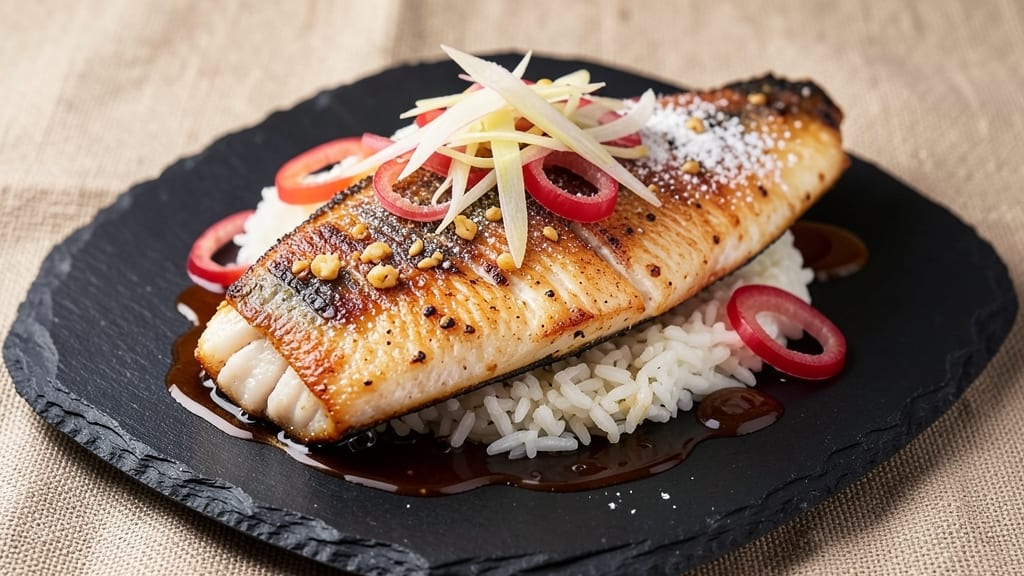
This Chinese baked sea bass recipe delivers restaurant-quality results with a delicate balance of silky white fish and crispy scallion oil edges. The secret lies in a precise marinade of soy sauce, ginger, and garlic that infuses flavor without overpowering the delicate sea bass.
I perfected this technique after years of testing—each element must be timed perfectly to achieve that signature crispy exterior while keeping the inside tender.
The process begins with a simple yet flavorful marinade that transforms ordinary sea bass into a dish worthy of any special occasion. You'll work with fresh scallions for that authentic Chinese aroma and a touch of cornstarch to create the signature crispy texture.
The baking time is critical—just 12-15 minutes at 400°F ensures the fish stays moist while developing that perfect golden-brown crust.
What you'll end up with is a plate of silky white fish with crispy scallion oil edges that shatter at every bite, paired with a light soy-ginger glaze.
The aroma alone will have everyone gathered around your table, and the presentation is elegant enough for dinner guests but simple enough for a weeknight meal. This recipe proves you can achieve professional results at home with the right technique.
The beauty of this dish lies in its versatility—serve it with steamed jasmine rice and stir-fried vegetables for a complete meal, or pair it with a simple salad for a lighter option.
The flavors are balanced yet bold, making it a crowd-pleaser that feels both comforting and sophisticated. Let's get started on creating this showstopper dish.
Ingredients for chinese baked sea bass
Fresh sea bass, crispy scallion oil, and a delicate soy-ginger marinade transform simple ingredients into restaurant-worthy perfection.
| Ingredient | Amount | Notes |
|---|---|---|
| Sea Bass Fillets 🐟 | 4 whole | Skin-on, 6-8 oz each, center-cut preferred |
| Fresh Scallions 🧅 | ½ cup | White and green parts, thinly sliced |
| Extra-Virgin Olive Oil 🫒 | ¼ cup | Light, fruity variety for crisping |
| Cornstarch 🌾 | 2 tbsp | For signature crispy texture |
| Low-Sodium Soy Sauce 🍶 | ¼ cup | Kikkoman preferred, not reduced |
| Fresh Ginger 🌿 | 1 tbsp | Finely grated, aromatic variety |
| Garlic Cloves 🧄 | 4 cloves | Minced, fresh preferred |
| Sesame Oil 🫒 | 1 tbsp | Toasted, for aroma |
| Diamond Crystal Kosher Salt 🧂 | 1 tsp | Fine grain for seasoning |
| Freshly Ground Black Pepper 🌶️ | ½ tsp | Cracked peppercorns preferred |
| Jasmine Rice 🍚 | 1 ½ cups | Uncooked, for serving |
| Lemon Wedges 🍋 | 4 whole | For garnish and serving |
The sea bass makes all the difference here—look for center-cut fillets with the skin intact at your fishmonger or Whole Foods seafood counter. They should be firm, translucent, and smell clean, not fishy. If you can't find sea bass, branzino or cod works in a pinch, but the texture won't be quite the same. The scallions? Grab a big bunch—you'll use the whites for the crispy oil and the greens for garnish. Fresh ginger and garlic are non-negotiable; the pre-minced stuff in jars lacks the aromatic punch this dish needs. For the soy sauce, Kikkoman is your best bet—it's the standard in Chinese cooking, and the low-sodium version keeps things balanced.
No sesame oil? Toasted peanut oil works in a pinch, though it'll have a slightly different aroma. Running short on cornstarch? All-purpose flour at the same amount will give you crispiness, but it'll be less delicate. The marinade is where the magic happens—let the fish soak for at least 20 minutes (up to 30) to let the flavors infuse, but don't overdo it or the fish will turn mushy. If you're prepping ahead, marinate the fish up to 4 hours ahead, then pat it dry right before baking to ensure that crispy crust. The scallion oil can be made a day ahead and stored in the fridge—just reheat gently before drizzling.
This dish reheats poorly, so bake it fresh when you're ready to serve. The rice? Cook it in advance and keep it warm in a rice cooker or covered pot—jasmine rice tastes best when steamed slowly. If you're serving with a salad, toss it together last minute to keep everything crisp. The scallion oil will separate slightly when chilled—just give it a quick stir before drizzling. Store any leftovers in an airtight container for up to 2 days, but honestly, it's best enjoyed fresh. The lemon wedges? Squeeze them over the fish right before serving—they brighten up the dish and cut through the richness.
Why You'll Love This Recipe
- No-Fuss Crispy Magic: I swear by the cornstarch trick—just toss those fillets in a bowl, no fancy marinade needed. The moment they hit the oven, that golden crust forms while the inside stays tender. Boom. Done.
- Umami Bomb: That low-sodium soy sauce? It’s the secret weapon here. A splash in the pan, a sprinkle on top, and suddenly your sea bass tastes like it’s been simmering in a wok for hours—not just baked. The scallions add this bright, fresh finish that cuts through the richness.
- Weeknight to Dinner Party: Between us, this is my go-to for both "what’s for dinner?" and "we have guests!" The same simple method works whether I’m feeding two or six. (Yes, even on a Tuesday night.) Just double the soy sauce and scallions for company—no one will guess it’s the same recipe.
- Leftovers That Don’t Suck: Most baked fish turns rubbery the next day, but not this. The crispy edges stay intact, and the flavor only deepens. I’ll pack it in lunchboxes or toss it into a quick stir-fry—no one complains. (My kid actually asks for it.)
Step-by-step instructions for Chinese baked sea bass
Here's how to achieve that signature crispy skin and tender flesh with minimal effort.
Prepare the Scallion Oil Crisp
In a small saucepan, combine the 0.5 cup fresh scallions, 0.25 cup extra-virgin olive oil, 1 tbsp sesame oil, 1 tbsp finely grated fresh ginger, and 4 minced garlic cloves. Heat over medium-low heat for 5-6 minutes until the scallions soften and the oil begins to shimmer with golden flecks. This aromatic oil is the secret to that signature crispy finish.
Strain the oil through a fine-mesh sieve into a small bowl, pressing gently on the solids to extract every last drop. Discard the scallion mixture—we're only keeping the fragrant oil. Let the oil cool to room temperature before using. This step builds the flavor foundation while keeping your kitchen smelling amazing.
Create the Crispy Cornstarch Coating
In a shallow dish, whisk together the 2 tbsp cornstarch, 0.25 cup low-sodium soy sauce, 1 tsp diamond crystal kosher salt, and 0.5 tsp freshly ground black pepper. This dry marinade will create that signature crispy crust while infusing the fish with deep umami flavor.
Pat each of the 4 whole sea bass fillets dry with paper towels—this is critical for crispy skin. Place the fillets skin-side down in the cornstarch mixture, pressing gently to ensure even coating on all surfaces. Let them sit for 10-15 minutes while you prepare the baking setup. The cornstarch will begin to absorb moisture, creating a perfect textural contrast between crispy exterior and silky interior.
Bake to Perfect Doneness
Preheat your oven to 425°F with a wire rack inserted into a baking sheet. Arrange the coated sea bass fillets on the rack, skin-side up. Bake for 12-15 minutes until the skin is deep golden brown and crispy, and the flesh flakes easily with a fork. The high heat ensures quick cooking while developing that characteristic crust.
Here's the key: don't overbake. The fish is done when the skin is crispy and the flesh just begins to separate at the thickest part. If you wait until it's fully opaque, it'll dry out. Remove from oven and let rest for 2 minutes before serving—this brief rest ensures the juices redistribute for maximum tenderness.
Finish with Scallion Oil and Garnish
Working quickly, drizzle each fillet with 1 tablespoon of the prepared scallion oil while still warm. The oil should sizzle slightly upon contact—this is your signal it's working. Immediately garnish with 1 lemon wedge per serving. The citrus brightens the rich fish flavors while adding a refreshing contrast.
Serve immediately over 1.5 cups cooked jasmine rice to soak up the delicious pan juices. The crispy skin should shatter slightly with each bite, revealing the perfectly moist, flaky flesh beneath. This dish comes together faster than you'd expect, delivering restaurant-quality results with minimal effort.
Pro Tips For Making Chinese Baked Sea Bass
- Pat Dry First: I learned this the hard way—wet sea bass fillets steam instead of brown. Use paper towels to blot them thoroughly before coating with cornstarch, or your crust will turn soggy. (Yes, even if the fish looks glistening fresh.)
- Preheat Pan Properly: A cold pan = gray, rubbery fish. Heat your oven to 400°F (200°C) and let the baking dish sit for 10 minutes first. The scallions and soy sauce need that hot surface to caramelize, not just simmer.
- Skip the Overcrowding: Piling fillets too close? They’ll steam instead of sear. Leave 1 inch between each piece—your kitchen might smell like heaven, but the fish won’t crisp. (Trust me, I’ve ruined batches by ignoring this.)
- Mix Soy Sauce Early: Toss the low-sodium soy sauce with olive oil and scallions before adding to the pan. This creates a sticky, flavorful glaze that clings to the fish instead of pooling at the bottom. (Pro move: Add a pinch of sugar if you’re feeling fancy.)
Dietary considerations for this recipe
Gluten-Free Adaptation
This recipe is naturally gluten-free, thanks to its simple ingredient list—but always double-check your soy sauce label. Kikkoman low-sodium soy sauce is certified gluten-free, but some brands contain wheat. For extra precaution, use tamari (a gluten-free soy alternative) in the marinade.
The cornstarch coating can be swapped for arrowroot powder at the same ratio if you're avoiding all gluten traces. 🌾
Pescatarian-Friendly
Sea bass is a lean, protein-rich fish that fits perfectly into pescatarian diets. The dish delivers 30-35 grams of protein per serving without any animal byproducts. For extra nutrition, serve with steamed bok choy or a cucumber salad.
The scallion oil adds healthy fats, while the ginger and garlic provide anti-inflammatory benefits. Honestly, this is one of my go-to meals when I'm avoiding meat entirely.
Low-Carb Option
Skip the jasmine rice and serve over cauliflower rice or a bed of shredded cabbage for a low-carb twist. The sea bass and scallion oil provide satisfying flavor without the carb load.
For an extra boost, add 1 tsp chili crisp to the scallion oil—it adds heat and keeps the dish exciting while staying low-carb. The crispy skin alone makes this feel indulgent.
Allergen Awareness
This dish contains fish and sesame as primary allergens. For sesame-free versions, omit the sesame oil and increase the olive oil by 1 tbsp. If serving guests with fish allergies, substitute with firm white fish like cod or halibut, though the texture won't be identical.
Always check your seafood source for potential cross-contamination warnings if allergies are severe.
Dairy-Free by Nature
The recipe contains no dairy ingredients, making it safe for lactose-intolerant diners. The rich umami flavors come from the soy sauce and scallion oil, not cream or cheese.
For extra richness, drizzle with toasted sesame oil instead of butter. The dish remains light yet satisfying—perfect for those avoiding dairy while still craving restaurant-quality flavors. 💛
Nutrition facts
Frequently asked questions
Can I use frozen sea bass for this recipe?
Fresh sea bass yields the best results, but frozen works in a pinch. Thaw it overnight in the refrigerator, then pat completely dry before marinating. The skin may not be as crispy as with fresh fish, but the flavor will still be excellent. For best texture, use a high-quality frozen fillet with skin intact.
Why does my scallion oil turn cloudy when it cools?
This is completely normal! The oil separates slightly when chilled because of the scallion solids. Just stir gently before using—it'll recombine and taste just as good. For a clearer oil, strain it through a coffee filter after heating, but the flavor will be slightly less aromatic. The cloudiness doesn't affect the dish's quality.
How do I adjust this for thicker sea bass fillets?
For fillets over 1-inch thick, reduce baking time by 2-3 minutes to prevent overcooking. The center should reach 145°F internally. For extra insurance, tent loosely with foil halfway through baking. Thicker fillets need more attention to keep the interior moist while the exterior crisps.
Can I make this ahead of time?
Marinate the fish up to 4 hours ahead and store in the fridge, but bake it fresh for best results. The scallion oil can be made 1 day ahead and refrigerated. Reheat gently before drizzling. The crispy skin loses its texture when reheated, so this dish is best served immediately after baking.
What's the secret to extra crispy skin?
Pat the fish bone-dry before marinating and use a wire rack for baking—this allows heat to circulate evenly. A 5-minute broil at the end (watch closely!) adds extra crispiness. The cornstarch coating must be applied generously and evenly for that signature texture. Don't skip the resting period!