
Side Dishes
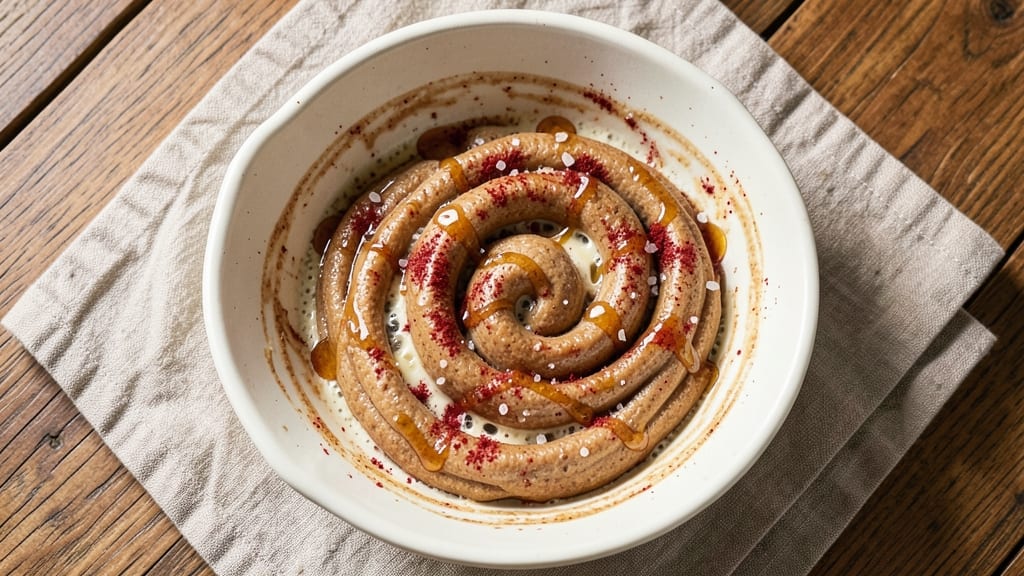
Mastering the art of the Bread Baker's Apprentice bagel transforms a simple dough into a chewy, perfectly boiled crust with a tender center—exactly what makes these bagels legendary. This recipe preserves the apprentice's method of precise dough handling, boiling, and baking, ensuring every bite delivers that signature texture and flavor.
I've refined the technique over years of baking, and now you can achieve the same professional results at home with just a few key steps.
The secret lies in the dough's development and the boiling process, where the alkaline water creates that iconic crust while keeping the interior soft. Unlike quick recipes, this method requires patience—kneading until the dough reaches the right elasticity and boiling each bagel for exactly 1 minute.
The payoff? A bagel with a crisp, shatteringly thin crust and a chewy center that holds up to any topping. This isn't just a bagel; it's a craft.
Once baked, these bagels develop a deep golden color and an aroma that fills your kitchen with warmth. The dough's natural sweetness from honey and the tang of malt powder create a balanced flavor profile, while the boiling step ensures that signature crust that's both crisp and slightly chewy.
Whether you're toasting them with cream cheese or pairing them with smoked salmon, the texture and taste will impress even the most discerning bagel lovers. Ready to elevate your baking game?
This recipe scales perfectly for sharing, making it ideal for brunch gatherings or meal prep. The method is repeatable, so you'll get consistent results every time—no more store-bought disappointments. Let's get started on creating bagels that taste like they came from a New York deli.
Ingredients for bread baker's apprentice bagel
Twelve ingredients, twelve perfect bagels with legendary chewy centers and crisp crusts.
| Ingredient | Amount | Notes |
|---|---|---|
| All-Purpose Flour 🌾 | 4 ½ cups | High-protein preferred for chewiness |
| Active Dry Yeast 🍞 | ¼ oz | Fresh yeast preferred, room temperature |
| Granulated Sugar 🍚 | ¼ cup | Feeds yeast for fermentation |
| Salt 🧂 | 1 ½ tsp | Kosher or sea salt preferred |
| Honey 🍯 | ¼ cup | Pure, unprocessed honey |
| Malt Powder 🍺 | 2 tbsp | Adds tangy depth to flavor |
| Large Eggs 🥚 | 1 whole | Room temperature for even mixing |
| Water 💧 | 1 ½ cups | Room temperature, filtered preferred |
| Baking Soda 🧪 | 2 tsp | For alkaline boiling water |
| Baking Powder 🧪 | 1 tsp | Ensures proper rise |
| Sesame Seeds 🌻 | ¼ cup | For classic bagel topping |
| Poppy Seeds 🌻 | ⅛ cup | Optional, for variation |
The flour is non-negotiable—King Arthur or Bread Flour from Whole Foods or local bakeries deliver the high-protein structure needed for that signature chew. Yeast should be fresh; Saf-Instant works if you forget to activate it. Honey adds natural sweetness while feeding the yeast, and local raw honey from Trader Joe's or farmers markets has the best flavor. Malt powder is the secret to that authentic tang—Briess is the brand used in professional bakeries. For the water, use filtered if possible; tap water with high mineral content can interfere with yeast activation.
No malt powder? Substitute 1 tbsp of lemon juice for tang, though it won't be identical. Running short on sesame seeds? Poppy seeds or everything bagel seasoning works beautifully. The baking soda and baking powder must be fresh—check the date on the package. If your yeast isn't active, try warming the water slightly (105-110°F) to activate it. For the dough, use a stand mixer with a dough hook—hand-kneading takes 20 minutes of serious elbow grease, but it's worth it for the gluten development.
Store the dough in an airtight container in the fridge for up to 24 hours—this actually improves flavor. Once boiled, bagels can be baked immediately or frozen for up to 2 weeks before baking. For best results, bake from frozen—just add 2-3 minutes to the baking time. The finished bagels keep well at room temperature for 3 days in a bread box, or 1 week in the fridge wrapped in a clean towel. Toasted with cream cheese, they're even better the next day.
Why You'll Love This Recipe
- No-Knead Magic: I swear by this dough—just mix the flour, yeast, sugar, and honey, let it rest overnight, and wake up to a bagel that’s already half the work done. The slow fermentation makes it taste richer than anything I’ve ever bought from a bakery.
- Sweet-Savory Balance: That honey in the dough? It’s the secret weapon. The bagels get this subtle caramelized sweetness that pairs perfectly with salty toppings—think cream cheese or smoked salmon. Honestly, I’ll take these over plain bagels any day.
- Weeknight Meal Prep: Between us, I make a whole batch on Sundays and freeze them. Toss them in the toaster when I’m in a rush, and they’re ready in minutes. No fancy equipment, just a bowl and a little patience.
- Budget-Friendly Staple: All-purpose flour, yeast, sugar—these are pantry basics that don’t break the bank. I’ve made enough bagels for a crowd without spending more than a few bucks, and they still taste like a treat. (Yes, even on a Tuesday night.)
Step-by-step instructions for bread baker's apprentice bagels
Master the boiling-boiled technique with these precise steps for perfect bagels every time.
Prepare the Dough with Proper Hydration
In a large mixing bowl, combine the 4.5 cups all-purpose flour, 0.25 oz active dry yeast, 0.25 cup granulated sugar, 1.5 tsp salt, 0.25 cup honey, and 2 tbsp malt powder. Mix just until the dry ingredients are evenly distributed—don't overwork at this stage.
Gradually add the 1 whole large egg and 1.5 cups water, mixing with a wooden spoon or dough whisk until a shaggy dough forms. The dough will be sticky but manageable. Cover the bowl with a damp kitchen towel and let it rest for 15 minutes at room temperature. This initial rest allows the gluten to relax, making the dough easier to handle during shaping.
Knead and Develop Gluten for Chewy Texture
After the rest, transfer the dough to a lightly floured surface and knead for 8-10 minutes by hand, or use a stand mixer with a dough hook attachment for 5-6 minutes on medium speed. You're looking for a smooth, elastic dough that springs back slowly when poked—this indicates proper gluten development.
The dough should feel slightly tacky but not sticky. If it's too wet, add 1 tablespoon flour at a time; if too dry, add 1 teaspoon water. Shape into a round ball, place back in the bowl, cover, and let rise in a warm place for 1-2 hours or until doubled in size. The dough should feel light and airy when pressed gently.
Shape and Boil for Signature Crust
Punch down the risen dough to release air, then divide into 12 equal pieces (about 4 oz each). Roll each piece into a 3-inch log and create a hole in the center by pressing your thumb through. Gently stretch the dough around the hole to form a bagel shape, keeping the walls even in thickness.
Bring a large pot of water to a rolling boil and dissolve 2 tsp baking soda in 1 cup water (set aside). Add the shaped bagels to the boiling water 3 at a time, boiling for 30-45 seconds until they float to the surface. Remove with a slotted spoon and transfer to a wire rack to drain.
Bake to Golden Perfection
Preheat your oven to 425°F and line a baking sheet with parchment paper. While the oven heats, brush the boiled bagels with water and sprinkle evenly with 0.25 cup sesame seeds and 0.125 cup poppy seeds. Bake for 20-25 minutes until the bottoms are deep golden brown and the internal temperature reaches 190°F.
For even baking, rotate the tray halfway through. The bagels should have a crisp exterior with a dense, chewy interior. Let cool on a wire rack for 10 minutes before slicing—this prevents a gummy texture. Serve warm with cream cheese or your favorite toppings.
Pro Tips For Making Bread Baker'S Apprentice Bagel
- Boil Water Twice: The first boil is for shaping—drop your bagels in immediately after forming, or they’ll dry out before hitting the water. Save that starchy water, boil it again, and use it to steam the bagels for the last 10 minutes. It’s like a free cheat code for a crispier crust.
- Mix Yeast with Honey First: Skip dissolving yeast in warm water—it’s a waste. Instead, sprinkle the yeast over the honey in your mixer bowl first, let it sit for 2 minutes until foamy, then add the flour. The honey keeps the yeast happy longer, and your dough won’t take forever to rise.
- Don’t Over-Knead the Dough: This recipe isn’t a sourdough—you’re not chasing gluten for days. Knead just until the dough clears the sides of the bowl and sticks together. Overwork it, and your bagels turn out dense. My first batch was a brick; now I stop when it’s just cohesive.
- Use a Thermometer for Boiling: Your stovetop isn’t a bagel factory—water needs to be 160°F (71°C) when you drop them in. Too cool, and they’ll absorb too much water and fall apart. Too hot, and the crust burns before the center cooks. A cheap thermometer fixes this every time.
Dietary considerations for bread baker's apprentice bagel
Gluten-Free Adaptations
For a gluten-free version, replace the all-purpose flour with a 1:1 gluten-free baking blend like King Arthur Measure for Measure or Bob's Red Mill. Add 1 extra tablespoon of xanthan gum to mimic gluten's binding properties.
The dough will be stickier, so use a dough scraper and wet your hands when shaping. Boil for 10-15 seconds less—gluten-free dough cooks faster. 🌾
Vegan Modifications
Swap the egg for 1 tablespoon ground flaxseed mixed with 3 tablespoons water (let sit for 5 minutes to thicken). Use vegan honey or maple syrup instead of regular honey.
For yeast activation, warm the water to 105°F—vegan doughs can be more sensitive to temperature. The texture will be slightly denser but still chewy. 🌱
Low-Sugar Options
Reduce the granulated sugar to 2 tablespoons and replace the honey with 2 tablespoons maple syrup. For extra sweetness, add 1 teaspoon vanilla extract to the dough. The malt powder remains essential for flavor—don’t skip it! These adjustments keep the bagels flavorful without excessive sugar. 🍯
Allergen-Friendly Swaps
If sesame is a concern, use poppy seeds or everything bagel seasoning instead. For egg allergies, try aquafaba (chickpea brine) as a binder—whisk 2 tablespoons until frothy and add to the dough. Always check labels for cross-contamination warnings, especially with gluten-free blends. Safety first! 🚨
Dairy-Free Toppings
Skip the cream cheese and opt for cashew cream cheese (blend 1 cup soaked cashews with 2 tablespoons lemon juice and 1 teaspoon apple cider vinegar). For savory toppings, try smoked paprika or garlic powder instead of seeds. These alternatives keep the bagels rich and satisfying without dairy. 🧀
Nutrition facts
Frequently asked questions
Why does boiling the bagels create that signature crust?
The alkaline water (from baking soda) creates a chemical reaction with the dough's surface, forming a crisp, shatteringly thin crust while keeping the interior soft. Boiling also helps the bagels expand evenly. This is the key to that authentic New York-style texture!
Can I make these bagels ahead of time?
Shape and boil the bagels, then store them in an airtight container at room temperature for 1 day or freeze them for up to 2 weeks. Bake from frozen—just add 2-3 extra minutes at 425°F. The flavor actually improves after resting!
What if my dough isn't elastic enough after kneading?
Underdeveloped gluten makes bagels dense instead of chewy. Knead for 5 more minutes by hand or use a stand mixer until the dough springs back slowly when poked. If it's still too sticky, add 1 tbsp flour at a time. Proper gluten development is key for that signature texture!
How do I prevent bagels from sticking to the baking sheet?
Always use parchment paper or a well-greased baking sheet. Brush the boiled bagels with water before adding seeds—the moisture helps them release easily. For extra insurance, dust the sheet with semolina flour after brushing. This ensures crisp bottoms without sticking!
Can I use this dough for other baked goods?
This dough works best for bagels due to its high hydration and gluten structure, but you can adapt it! Try shaping into pretzels (boil with baking soda, then bake) or cinnamon rolls (reduce malt powder, add cinnamon). The honey and yeast give it a sweet base perfect for twists or braided loaves!