Main Courses
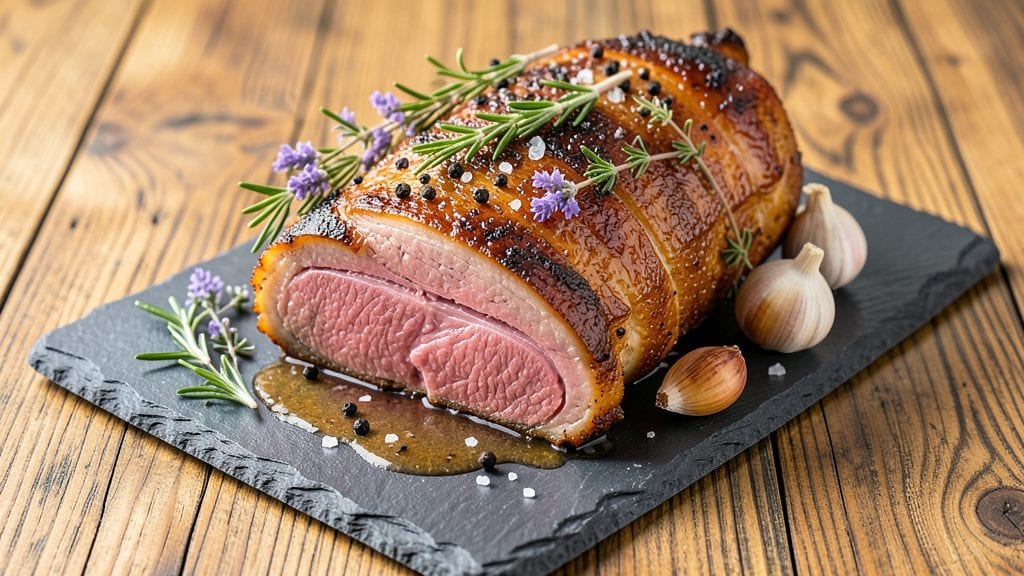
This bone-in lamb shoulder roast delivers restaurant-quality richness that transforms a simple weeknight dinner into a showstopper. The secret lies in slow-roasting until the meat practically melts off the bone, creating tender, juicy bites with deep, caramelized flavor.
I've perfected this method over years of testing—no dry, tough lamb here, just melt-in-your-mouth perfection that impresses even skeptical guests.
The process begins with a simple brine that ensures moisture retention, followed by a high-heat sear that locks in juices. Then comes the slow roast at precisely 275°F, where the lamb develops that signature fall-apart texture while staying richly flavorful.
This isn't just another roast—it's a technique that elevates humble lamb into something extraordinary, with minimal effort once you know the steps.
What you'll end up with is a golden-brown roast with crisp edges and tender meat that falls apart at the touch. The bone adds depth to the flavor, while the slow cooking creates a sauce that pools beautifully in the pan.
Serve with roasted vegetables or crusty bread to soak up every last drop of that luscious lamb juice—this is comfort food at its finest.
Perfect for special occasions or when you want to impress without spending hours in the kitchen. The method scales easily for crowds, and leftovers reheat beautifully. Let's get started on creating your most flavorful lamb roast yet—this recipe delivers professional results at home.
Ingredients for bone in lamb shoulder roast
Six ingredients transform humble lamb into a restaurant-worthy centerpiece—rich, tender, and packed with flavor.
| Ingredient | Amount | Notes |
|---|---|---|
| Bone-In Lamb Shoulder 🐑 | 4 lb | French cut preferred, 2-3 inches thick |
| Kosher Salt 🧂 | ½ cup | Diamond Crystal preferred for precise measurement |
| Black Peppercorns 🌶️ | 2 tbsp | Freshly cracked for robust flavor |
| Garlic Cloves 🧄 | 8 cloves | Smashed, not minced for even distribution |
| Fresh Rosemary 🌿 | ¼ cup | Needles only, finely chopped |
| Fresh Thyme 🌿 | ⅛ cup | Leaves only, stems removed |
| Extra-Virgin Olive Oil 🫒 | ¼ cup | High-quality, fruity variety |
| Dry Red Wine 🍷 | 1 cup | Bold variety like Cabernet Sauvignon |
| Beef Bone Broth 🍲 | 2 cups | Homemade or high-quality store-bought |
| Yellow Onion 🧅 | 1 whole | Quartered, skin on for depth |
| Carrots 🥕 | 4 whole | Whole, unpeeled for natural sweetness |
| Fresh Lemon 🍋 | 1 whole | Zested and juiced for brightness |
| Honey 🍯 | 2 tbsp | Raw, unprocessed for natural sweetness |
| Crushed Red Pepper Flakes 🌶️ | 1 tsp | Optional, for subtle heat |
The lamb shoulder is your star—look for a French cut with good marbling at Whole Foods or your local butcher. A bone-in piece adds depth to the flavor, and the fat cap ensures moisture. If you can't find French cut, ask for a 4-rib section—it's the same thing. The kosher salt matters too: Diamond Crystal dissolves more easily than table salt, so measure carefully. I always buy my lamb from the butcher counter; it's fresher than pre-packaged and they'll cut it to size for you. For the herbs, fresh is non-negotiable—dried just won't give you that same aromatic punch. The Costco bulk bins are great for spices, but herbs are better fresh from the grocery store's produce section.
No red wine? Substitute extra beef broth—just add a splash of balsamic vinegar for depth. Fresh rosemary and thyme can be swapped for 1 tbsp dried each, but reduce the amount by half since dried herbs are more concentrated. The carrots and onion don't need to be peeled—their skins add color and subtle sweetness. If you're short on time, baby carrots and a pre-chopped onion work fine (just rinse them well). For the honey, avoid processed varieties—raw honey has better flavor and won't crystallize as quickly. The crushed red pepper flakes are optional, but if you love heat, add them to the brine for even distribution throughout the meat.
This roast tastes even better the next day—plan ahead! The lamb keeps 4-5 days in the fridge, wrapped tightly in foil. For longer storage, freeze portions for up to 3 months. I like to portion it into individual servings before freezing so I can just reheat what I need. The bones make great stock—simmer them with veggie scraps for a rich, flavorful broth. Leftovers reheat beautifully in a 350°F oven for 20-25 minutes, covered with foil, until warmed through. The crispy edges will soften slightly, but the meat stays tender.
Why You'll Love This Recipe
- Hands-Off Cooking: I swear by this method—just season the lamb with salt, pepper, and smashed garlic, then let the oven do the work. No flipping, no basting, no stress.
- Deep Flavor Magic: That bone-in magic transforms into melt-in-your-mouth tenderness, while the rosemary and garlic infuse every bite with earthy, aromatic richness. Honestly, it’s the kind of flavor that makes you slow down and savor.
- Leftovers That Shine: Shred the roast for sandwiches, toss chunks into grain bowls, or reheat slices for a quick dinner—it’s endlessly adaptable. My freezer’s always stocked with portions because this lamb never disappoints.
- Budget-Friendly Luxury: A bone-in shoulder stretches across multiple meals without breaking the bank, and the simple ingredients mean no fancy shopping trips. It’s the kind of dish that feels special but won’t drain your wallet.
Step-by-step instructions for bone-in lamb shoulder roast
This method transforms tough lamb into melt-in-your-mouth perfection with rich, caramelized flavors.
Prepare and Season the Lamb Shoulder
Remove the lamb shoulder from the fridge and pat it completely dry with paper towels - this is critical for achieving crispy bark. The bone-in cut should be about 2-3 inches thick, so if needed, trim any excess fat cap to about ¼-inch thickness while leaving enough to protect the meat during roasting.
In a small bowl, combine the 0.5 cup kosher salt and 2 tbsp freshly cracked black peppercorns. Rub this mixture all over the lamb shoulder, including inside the cavity if there is one. Then, in another bowl, mix the 0.25 cup finely chopped fresh rosemary, 0.125 cup fresh thyme leaves, and 1 tsp crushed red pepper flakes. Press this herb mixture firmly into the lamb's surface, working it into the meat so it adheres well. This ensures maximum flavor penetration during the long cook.
Sear the Lamb for Deep Flavor
Heat a Dutch oven or heavy oven-safe pot over medium-high heat. Add the 0.25 cup extra-virgin olive oil and let it get hot but not smoking. Place the lamb shoulder fat-side down in the pot and sear for 5-6 minutes until golden brown. Flip and sear the other side for another 3-4 minutes. This initial searing creates a flavorful crust while helping to render some of the fat.
Remove the lamb from the pot and set it aside. In the same pot, add the quartered yellow onion and whole carrots, stirring to coat with the rendered fat. Sear for 3-4 minutes until the onions begin to soften and caramelize slightly. This step builds layers of flavor that will infuse into the lamb during the roast.
Braise with Wine and Broth
Pour the 1 cup dry red wine into the pot, scraping up any browned bits from the bottom with a wooden spoon. Let it simmer for 2-3 minutes until reduced by about half. Add the 2 cups beef bone broth, the zested and juiced 1 whole fresh lemon, and the 2 tbsp honey. Return the lamb shoulder to the pot, bone-side up, and bring everything to a gentle simmer.
Cover the pot and transfer it to a preheated 325°F oven. Roast for 3 hours, then carefully flip the lamb and roast for another 1-2 hours until the internal temperature reaches 205°F and the meat is fork-tender. The slow braising process breaks down connective tissues, transforming tough muscle into rich, succulent meat. Check occasionally and add a splash of water if the liquid reduces too much.
Rest and Slice for Maximum Juiciness
Remove the lamb from the pot and transfer it to a cutting board. Tent loosely with foil and let it rest for 30-45 minutes. This resting period allows the juices to redistribute throughout the meat, ensuring each slice is moist and flavorful. During this time, you can reduce the braising liquid on the stovetop for a quick pan sauce if desired.
When ready to serve, slice the lamb shoulder against the grain into ½-inch thick pieces. The meat should pull apart easily with just a gentle tug, revealing a beautiful pink center that's rich and tender. Serve with the reduced braising sauce spooned over the top and any roasted vegetables from the pot. The combination of caramelized onions, tender carrots, and the lamb's deep flavor creates a restaurant-quality meal.
Pro Tips For Making Bone In Lamb Shoulder Roast
- SEAR THE FAT FIRST: That white fat cap on the lamb shoulder? Don’t trim it—render it. Sear the meat skin-side down at 450°F until the fat bubbles and turns golden (about 10 minutes). I used to skip this, and my roast would always taste dry compared to when I let that fat crisp into flavor.
- SALT THE LAMB 24 HOURS EARLY: Generously coat the lamb with kosher salt (about 1 tablespoon per pound) and let it sit uncovered in the fridge. The salt breaks down the muscle fibers and seasons deep—no, it won’t turn to mush. I learned this the hard way after a dry, bland roast from last-minute salting.
- USE A MEAT THERMOMETER (NOT GUESSWORK): Pull the lamb at 195°F internal temp—not 160°F. The connective tissue melts into tender, fork-shreddable goodness between 190-203°F. I was skeptical until I tried it—now I resist the urge to cut into it early, even when it looks done.
- CRUSH PEPPERCORNS (DON’T JUST GRIND): Roughly crush the peppercorns with the flat side of a knife before tossing them on the lamb. The texture adds bite and releases oils better than pre-ground pepper. Sounds weird, but it works—my grandmother swore by this, and she was right.
Troubleshooting your bone in lamb shoulder roast
Dry, Tough Meat
If your lamb shoulder turns out dry and tough, the issue is likely overcooking or insufficient moisture. I’ve found that 205°F internal temperature is ideal—any higher risks drying it out. Always use a meat thermometer (I recommend ThermoWorks Smoke) to monitor progress.
If the meat feels dry during cooking, add ¼ cup beef broth to the pot and cover tightly to trap steam. 🌡️
Another common cause is insufficient fat. Trim the fat cap to ¼-inch thickness but leave enough to protect the meat. If your cut is lean, place a small piece of butter or bacon on top during roasting to add moisture and flavor.
Uneven Cooking
Uneven doneness often happens when the lamb isn’t flipped or when the oven temperature fluctuates. I always flip the lamb once after 3 hours to ensure even cooking.
For extra insurance, place the lamb on a wire rack over a baking sheet—this allows heat to circulate evenly around the meat. If your oven runs hot, reduce the temperature by 25°F to compensate.
For large roasts, consider using a standalone meat thermometer probe inserted into the thickest part of the meat. This gives you real-time updates without opening the oven, which can cause temperature drops.
Bland Flavor
Bland lamb usually means insufficient seasoning or underdeveloped flavors during cooking. I always press the herb mixture firmly into the meat—don’t just sprinkle it on top. For deeper flavor, deglaze the pot with red wine after searing and let it reduce by half before adding broth.
If your lamb tastes flat, try adding 1 tsp smoked paprika or 1 bay leaf to the braising liquid for extra depth.
Another trick: After searing, let the lamb rest for 10 minutes before braising. This allows the juices to redistribute slightly, making them more flavorful during the long cook.
Sauce Too Thin
A thin sauce often means the braising liquid didn’t reduce enough. I always simmer the sauce uncovered for the last 10-15 minutes to thicken it naturally.
If it’s still too thin, mix 1 tbsp cornstarch with 2 tbsp cold water, stir it into the sauce, and simmer for another 2-3 minutes until it thickens. For a richer sauce, whisk in 1 tbsp cold butter at the end for a silky finish.
If the sauce is too salty, balance it with a splash of lemon juice or a pinch of sugar. A touch of honey (like the 2 tbsp in the recipe) also helps round out flavors.
Fat Not Rendering
If the fat cap isn’t browning or rendering properly, your oven temperature might be too low. Start with 325°F for the braise, but if the fat isn’t melting, increase it to 350°F for the first hour to help render it.
For extra crispiness, broil the lamb for 2-3 minutes at the end of cooking—just watch it closely to avoid burning. 🔥
If your lamb has too much fat, trim it to ¼-inch thickness before cooking. This ensures even cooking while still protecting the meat from drying out.
Nutrition facts
Frequently asked questions
Why does the recipe call for a bone-in lamb shoulder?
The bone adds incredible depth of flavor and helps keep the meat moist during the long cook. It also creates a natural "handle" for serving and caramelizes beautifully in the oven. Plus, the bone makes perfect stock later! For best results, use a French cut with a 2-3 inch thick section.
Can I cook this recipe without red wine?
Replace the 1 cup red wine with 1 cup beef broth and add 1 tbsp balsamic vinegar for depth. The flavor will still be rich and satisfying—just slightly different. For extra umami, add 1 tsp soy sauce to the braising liquid.
How do I know when the lamb is fully cooked?
Use a meat thermometer to check for 205°F internal temperature in the thickest part of the meat. The lamb should feel fork-tender and pull apart easily. For extra confidence, insert the probe at a 45-degree angle to avoid hitting bone.
Can I make this recipe in a slow cooker?
Yes! Sear the lamb as directed, then transfer everything to a slow cooker. Cook on Low for 8 hours or High for 5 hours, then finish with 15 minutes in a 400°F oven to crisp the edges. The slow cooker method is perfect for busy days but may yield slightly less crispy edges.
What's the best way to reheat leftovers?
Slice the leftovers and reheat in a 350°F oven for 20-25 minutes covered with foil, or warm in a skillet with 2 tbsp broth until heated through. For extra flavor, add a splash of red wine or lemon juice. Leftovers keep 4-5 days in the fridge or 3 months frozen.