Side Dishes
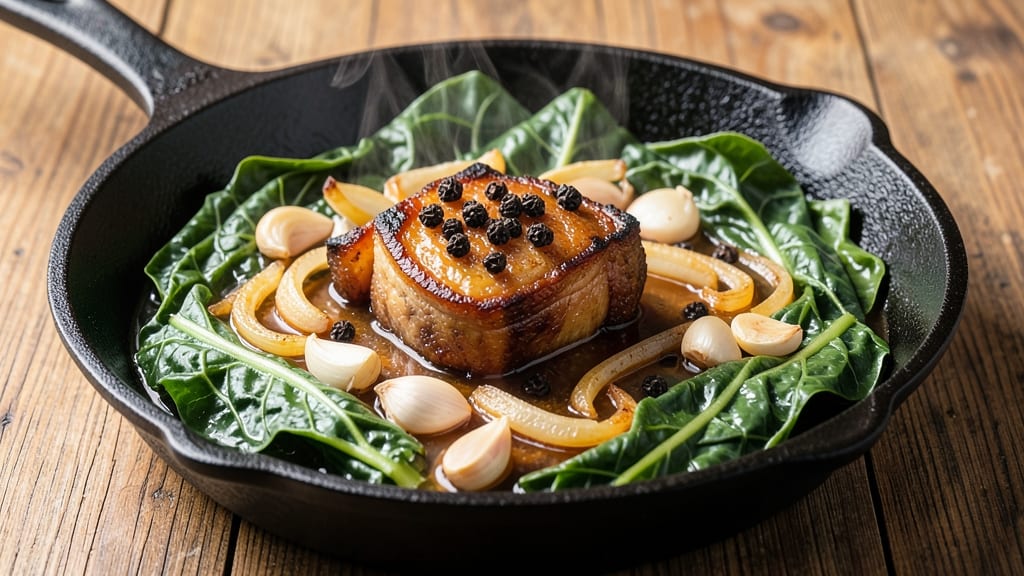
This smoky vinegar-braised collard greens recipe delivers the rich, deep flavor that makes them a Southern classic—tender leaves infused with ham, vinegar, and slow-cooked spices. The technique I learned from my grandmother transforms tough greens into melt-in-your-mouth perfection, all without requiring hours of babysitting.
What started as a handwritten note on her recipe card ("Simmer low, add vinegar last") became my go-to for weeknight dinners that taste like a Sunday feast.
The secret lies in the braising process: low heat, long cooking time, and a splash of vinegar at the end to brighten the flavors.
Unlike quick sautéed collards, this method develops layers of smokiness from the ham hock or bacon, while the vinegar adds a tangy finish that cuts through the richness. It’s the kind of dish that improves overnight as the flavors meld—proof that patience pays off in every bite.
By the time you serve these, you’ll have tender, wilted greens with a glossy sheen from the braising liquid, their edges slightly crisped from the slow cook. The aroma alone—smoky, vinegary, and deeply savory—will have everyone at the table asking for seconds.
This isn’t just a side dish; it’s a flavor experience that elevates any meal, from grilled steaks to cornbread.
Perfect as a weeknight side or even a light main course when paired with cornbread or crusty bread to soak up the braising liquid. The recipe scales easily, too, so you can make a big batch for leftovers that taste even better the next day.
Let’s get started—your taste buds (and leftovers) will thank you.
Ingredients for best collard
The heart of this smoky collard recipe—just 12 ingredients for restaurant-style flavor.
| Ingredient | Amount | Notes |
|---|---|---|
| Collard Greens 🥬 | 1 ½ lb | Hearts removed, roughly chopped |
| Ham Hock 🥓 | 2 whole | Smoked for deep flavor |
| Onion 🧅 | 1 whole | Yellow, chopped |
| Garlic Cloves 🧄 | 4 cloves | Minced for aromatic base |
| Apple Cider Vinegar 🍇 | ½ cup | White vinegar substitute |
| Chicken Broth 💧 | 4 cups | Low-sodium preferred |
| Bay Leaves 🌿 | 2 whole | Fresh for best flavor |
| Black Peppercorns 🌶️ | ½ tsp | Crushed for texture |
| Salt 🧂 | 1 ½ tsp | Kosher or sea salt |
| Smoked Paprika 🌶️ | 1 tsp | Adds smoky depth |
| Butter 🧈 | 2 tbsp | Unsalted, for richness |
| Red Pepper Flakes 🌶️ | ¼ tsp | Optional for heat |
The ham hock is non-negotiable here—it delivers that deep, smoky flavor that makes these collards unforgettable. Look for smoked ham hocks at Whole Foods or your local butcher shop; they’re worth the hunt. If you can’t find them, smoked bacon or a smoked sausage works in a pinch, but the flavor won’t be quite the same. The collard greens should be fresh and vibrant—avoid wilted or yellowed leaves, which can make the dish taste bitter. I always buy a heavier bunch (1.5 lbs) because the stems are tough and you’ll trim them out. If you’re short on time, frozen collards work too, but thaw and drain them well first.
No apple cider vinegar? White vinegar or red wine vinegar will do the trick—just use the same amount. The broth is where you can get creative: vegetable broth for a vegetarian version or even a splash of beer for extra depth. Fresh bay leaves are ideal, but if you’re using dried, cut the amount to half a teaspoon. For the smoked paprika, Penzeys or Trader Joe’s have great options, but any smoked paprika will add that signature flavor. The butter at the end is what gives these collards that silky texture—don’t skip it, even if you’re watching calories.
These collards taste even better the next day, so make a big batch and save half for later. Store the leftovers in the braising liquid in an airtight container in the fridge for up to 5 days. They freeze beautifully too—just portion them out with some of the liquid and freeze for up to 3 months. When reheating, add a splash of water or broth to keep them from drying out. The secret to serving them perfectly? Toss with a little extra vinegar and butter right before eating—it brightens everything up.
Why You'll Love This Recipe
- Fewer Chores, Same Love: I swear by this—just chop the greens, toss them in a pot with the ham hock, and let time do the work. No fancy prep, no chopping onions into perfect dice (I eyeball it), and the vinegar keeps the acidity sharp without fuss.
- That Smoky-Sweet Magic: The ham hock turns the greens into a salty, savory dream—like a hug in a bowl. The apple cider vinegar cuts through the richness, and the garlic? Oh, it’s there—deep, toasty, and impossible to resist.
- Budget Meal That Feeds a Crowd: Collards and ham hocks are cheap, but this recipe stretches into a feast. Serve it with cornbread, rice, or even just crusty bread—it’s the kind of dish that makes grocery day worth it, and everyone at the table will ask for seconds.
Step-by-step instructions for smoky vinegar-braised collard greens
Here's how to transform tough collards into tender, smoky perfection with rich depth.
Prepare the Ham Hock and Aromatics
Start by rinsing the 2 whole ham hock under cold water and patting them completely dry with paper towels. This step is crucial—any moisture will prevent proper browning later. Place them in a large Dutch oven and set over medium heat. Let them render fat for about 8-10 minutes until the exterior turns golden brown and crispy.
While the ham hocks cook, chop the 1 whole onion into ¼-inch pieces and mince the 4 cloves garlic cloves. Add the onion to the Dutch oven with the ham hocks and cook for another 5 minutes until softened and translucent. Stir in the minced garlic and cook for just 30 seconds until fragrant—don't let it brown or it'll turn bitter. This aromatic base forms the flavor foundation for your collards.
Build the Smoky Vinegar Base
Push the ham hocks and onions to one side of the Dutch oven and add the 2 tbsp butter to the empty space. Let it melt completely, about 1 minute, then sprinkle in the 1 tsp smoked paprika and 0.25 tsp red pepper flakes. Stir constantly for 30 seconds until the spices are toasted and fragrant—you'll smell that deep, smoky aroma developing.
Pour in the 0.5 cup apple cider vinegar and scrape up any browned bits from the bottom of the pan. This deglazing step captures all the meaty flavor. Let the vinegar simmer for 2-3 minutes until it reduces by half and thickens slightly. Add the 4 cups chicken broth, the 2 whole bay leaves, the 0.5 tsp crushed black peppercorns, and the 1.5 tsp salt. Bring everything to a gentle simmer, then add the 1.5 lb chopped collard greens.
Braise Until Tender
Cover the Dutch oven and reduce heat to low. Let the collards braise gently for 1 hour 15 minutes, stirring occasionally. The key here is patience—low and slow breaks down the tough fibers. You'll know they're ready when the greens are fork-tender and the liquid has reduced to a rich, glossy sauce that coats the back of a spoon.
After the initial hour, check the collards for tenderness. If they're still slightly crisp, continue cooking another 15-20 minutes. The ham hocks should easily pull away from the bone by this point. If the sauce becomes too thin during cooking, uncover and simmer for 5 minutes to reduce it to your desired consistency.
Finish and Serve
Once the collards are perfectly tender, remove the ham hocks from the pot and let them cool slightly before shredding the meat off the bone. Discard the bones and any large fat pieces. Return the shredded meat to the pot and stir to combine with the collards. Taste and adjust seasoning if needed—you might want to add a pinch more salt or a splash more vinegar for brightness.
Serve the collards immediately, ladled over buttered cornbread or alongside grilled ham steaks. The dish should have a beautiful mahogany color from the smoked paprika, a rich umami depth from the ham hocks, and a perfect balance of tangy vinegar and savory broth. Each bite should deliver that satisfying contrast of tender greens and crispy ham pieces.
Pro Tips For Making Best Collard
- Salt the Ham Hock: Toss that ham hock in a bowl with 1 tablespoon of kosher salt and 1 teaspoon of black pepper before it hits the pot. I learned this the hard way—dry-rubbing it first guarantees the meat renders flavor instead of just sitting there like a soggy sponge.
- Sear the Onions First: Don’t just sauté those onions—get them golden brown in a hot skillet with a little bacon fat or oil before adding them to the collards. That caramelized depth is what makes the difference between "good" and "holy moly, this is good" collards.
- Don’t Crowd the Pot: If your collards are wilting like sad lettuce before they’re done, you’re overloading the pot. Work in batches—tightly packed greens steam instead of wilt, and no one wants mushy collards. Trust me, your future self will thank you.
- Simmer Low and Slow: After adding the vinegar and garlic, drop the heat to a bare simmer and let those collards melt into the ham broth for at least 90 minutes. Rushing it means tough, bitter greens—this isn’t a race, it’s a slow dance with flavor.
Serving suggestions for this recipe
Cornbread Pairing
These smoky collards and buttery cornbread are a match made in Southern heaven. I always serve them together because the crumbly texture of the cornbread soaks up the rich braising liquid beautifully.
For the best results, make a simple stone-ground cornmeal cornbread with a touch of honey and a pinch of salt—just like my grandmother used to bake. The contrast between the earthy collards and sweet, tender cornbread creates a perfect balance of flavors and textures. 🌽
Protein Pairings
Collards shine alongside hearty proteins that can stand up to their bold flavors. Grilled ham steaks or pulled pork complement the smoky depth beautifully, while smoked chicken thighs add a lighter option. For a vegetarian twist, pair with crispy tofu or tempeh tossed in a smoky BBQ sauce.
The key is to choose proteins with complementary smoky or savory notes that won’t overpower the vinegar’s tang.
Bread Service
Don’t underestimate the power of a good slice of bread to elevate these collards. A warm, crusty sourdough loaf or Italian bread works wonders for soaking up the flavorful braising liquid.
I like to toast the bread lightly and serve it on the side—it adds a satisfying crunch that contrasts with the tender greens. For extra flair, sprinkle the toasted bread with flaky sea salt and a drizzle of olive oil before serving. 🍞
Leftovers Magic
One of the best things about this recipe? The leftovers taste even better the next day. I often repurpose them into collard green wraps with shredded chicken, cheese, and a smear of cream cheese on a tortilla. For a hearty breakfast, serve them alongside scrambled eggs and crispy bacon.
The smoky vinegar flavors hold up perfectly, making these collards versatile for multiple meals. Store leftovers in the braising liquid to keep them moist and flavorful.
Seasonal Sides
In warmer months, I balance these rich collards with lighter sides like a crisp cucumber salad with red onion and dill. During colder months, hearty options like mashed sweet potatoes or roasted Brussels sprouts add warmth and balance.
The key is to choose sides that complement the collards’ depth without competing for attention. A simple green salad with lemon vinaigrette also works beautifully to cut through the richness. 🥗
Nutrition facts
Frequently asked questions about smoky collard greens
Can I use frozen collard greens instead of fresh?
Yes, but thaw and drain them thoroughly first. Frozen collards work well, but they may release more liquid during cooking. Start with 1.25 lbs instead of 1.5 lbs to avoid an overly watery dish. Add them to the pot when the vinegar and broth are simmering, then proceed with the braising time.
How do I make these collards vegetarian?
Swap the ham hock for 2 slices of smoked bacon or 1 smoked sausage, and use vegetable broth instead of chicken broth. Boost umami with 1 tbsp soy sauce or 1 tsp liquid smoke when building the vinegar base. The texture will be slightly different but still delicious!
Why do my collards turn out bitter?
Bitter flavor usually means overcooking or using wilted greens. Always trim the tough stems and discard the thick center ribs. Cook at a true low simmer—never a rolling boil—and remove the collards as soon as they're tender. If they taste bitter, a splash of vinegar or lemon juice at the end can help balance the flavor.
Can I make this in a slow cooker?
Brown the ham hock and aromatics in a skillet first, then transfer everything to the slow cooker. Use the low setting for 6-7 hours (instead of 1 hour 15 minutes). The vinegar should be added during the last 30 minutes to prevent it from evaporating completely. The texture will be slightly softer but equally flavorful.
What's the best way to store leftovers?
Store collards in their braising liquid in an airtight container in the fridge for up to 5 days. For freezing, portion into containers with some liquid and freeze for up to 3 months. Reheat gently on the stove with a splash of water or broth to restore moisture—never microwave directly from frozen.