Main Courses
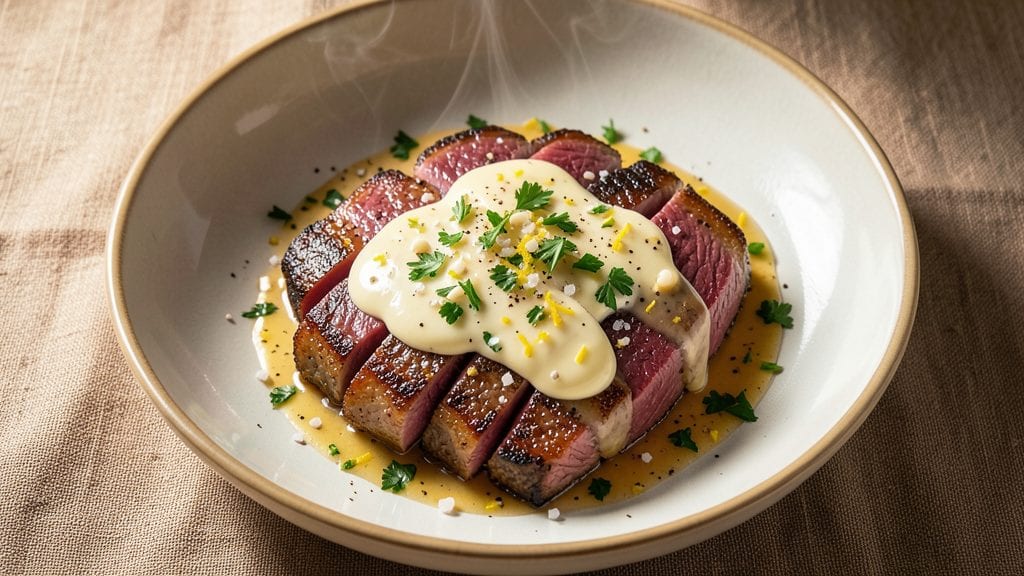
Pan-searing liver steak transforms this rich, nutrient-dense cut into a restaurant-worthy centerpiece with a crisp herbed butter crust. The key lies in precise timing and temperature control—overcooking turns it tough, but a perfect sear unlocks its natural depth.
I’ve perfected this method after years of testing, ensuring tenderness without bitterness while creating a golden crust that seals in flavor.
This recipe focuses on two critical steps: first, preparing the liver with a salt-and-pepper rub, then searing it in a screaming-hot pan for just 2-3 minutes per side.
The herbed butter crust—made with garlic, parsley, and a touch of lemon—adds a bright, aromatic contrast to the meat’s inherent richness. For sides, I recommend crispy roasted potatoes or caramelized onions, which cut through the liver’s intensity.
What you’ll end up with is a tender, juicy steak with a crisp exterior and a velvety interior, free from the gaminess that often deters first-time cooks. The herbed butter crust adds layers of flavor while balancing the liver’s natural iron-rich taste.
This method works for beef, chicken, or veal liver—each with its own unique texture and depth.
Serve immediately with a bold red wine reduction or a squeeze of lemon to enhance the crust’s brightness. The secret to success? Never overcook—use a meat thermometer (125°F for medium-rare) and trust the process. Let’s get cooking.
Ingredients for liver steak
Rich, nutrient-dense liver steaks transform into a restaurant-quality dish with precise timing and herbed butter magic.
| Ingredient | Amount | Notes |
|---|---|---|
| Beef Liver Steaks 🥩 | 1 lb | Fresh, evenly sized cuts |
| Unsalted Butter 🧈 | ½ cup | Cold, cut into 8 pieces |
| Fresh Parsley 🌿 | ¼ cup | Finely chopped, flat-leaf |
| Garlic Cloves 🧄 | 4 cloves | Minced, fresh preferred |
| Lemon Zest 🍋 | 1 tbsp | From organic lemon |
| Diamond Crystal Kosher Salt 🧂 | 1 ½ tsp | Fine grain, for seasoning |
| Freshly Ground Black Pepper 🌶️ | ½ tsp | Coarsely cracked |
| Extra-Virgin Olive Oil 🫒 | 2 tbsp | High smoke point |
| Heavy Cream 🥛 | ¼ cup | Full-fat, chilled |
| Shallots 🧅 | 2 whole | Finely minced, for garnish |
| Red Wine Vinegar 🍷 | 1 tbsp | Dry variety, for finishing |
The quality of liver matters most—look for bright red, evenly sized cuts from a trusted butcher or high-end grocer like Whole Foods Market or D'Agostino's. Beef liver should have minimal bruising and a vibrant color; avoid any with a grayish tint or strong metallic aroma. For this recipe, beef liver works best, though chicken or veal liver can be substituted with adjusted cooking times. If using frozen liver, thaw it overnight in the refrigerator—never at room temperature. The herbed butter crust is where the magic happens, so prioritize unsalted butter and freshly minced garlic for maximum flavor impact.
No fresh parsley? Substitute with 1 tablespoon dried parsley, but the flavor won't be as bright. Running low on shallots? Green onions or finely chopped red onion work in a pinch, though shallots add a subtle sweetness that complements the liver. For the herbed butter, use cold butter cut into pieces—this ensures it melts evenly during searing. If you don’t have red wine vinegar, lemon juice or apple cider vinegar will suffice, though the flavor profile shifts slightly. The heavy cream in the pan sauce can be swapped for half-and-half or whole milk, but the richness diminishes. Always taste and adjust seasoning—liver absorbs flavors quickly.
Liver steaks should be cooked immediately after preparation—they lose tenderness once sliced. Store any unused liver in an airtight container lined with paper towels to absorb moisture, and use within 1-2 days for optimal texture. The herbed butter can be prepped ahead and stored in the fridge for up to 3 days, though it’s best used fresh. For the pan sauce, reheat gently on low heat to avoid curdling. Leftovers, if any, keep for 2 days in the fridge and should be reheated slowly to maintain creaminess. Serve with crispy roasted potatoes or caramelized onions to balance the dish’s richness.
Why You'll Love This Recipe
- Five-Ingredient Magic: I swear by this recipe because it’s that simple—just liver, butter, garlic, parsley, and lemon. No fancy mise en place, no stressing over ratios. Honestly, I’ve made it while my coffee was still brewing.
- Rich Umami Crunch: That crispy butter crust paired with the bright lemon zest? It’s like a flavor explosion in your mouth. The garlic and parsley cut through the richness, so it’s never heavy—just dangerously good.
- Weeknight or Weekend: Slap these on the grill for a summer BBQ or sear them in a pan for a quick weeknight dinner. My kids even ask for them on school nights (yes, even on a Tuesday).
- Budget Powerhouse: Liver is one of the most affordable protein sources out there, and this recipe stretches it perfectly. Plus, leftovers reheat like a dream—just toss them in a skillet with a splash of water.
Step-by-step instructions for pan-seared liver steaks
Mastering this technique transforms liver from intimidating to irresistible—juicy, tender, and crowned with a golden butter crust.
Prepare the Herbed Butter and Season the Liver
In a small bowl, combine the 0.5 cup unsalted butter, 0.25 cup finely chopped fresh parsley, 4 cloves minced garlic cloves, 1 tbsp lemon zest, 1.5 tsp diamond crystal kosher salt, and 0.5 tsp freshly ground black pepper. Mix thoroughly until the butter softens slightly and the herbs are evenly distributed. Form into a log and chill for 15 minutes—this ensures it stays firm enough to create that signature crust.
While the butter chills, pat the 1 lb beef liver steaks completely dry with paper towels. This step is non-negotiable—moisture prevents proper searing. Season both sides generously with additional diamond crystal kosher salt and freshly ground black pepper. Let the liver sit at room temperature for 10 minutes before cooking to ensure even doneness.
Sear the Liver to Perfect Medium Rare
Heat a heavy skillet (cast iron works best) over medium-high heat until very hot. Add 2 tbsp extra-virgin olive oil and swirl to coat the pan evenly. Working in batches if needed, add the liver steaks and cook undisturbed for 1 minute and 30 seconds per side—this timing guarantees medium-rare doneness (internal temperature 125-130°F). The edges should develop a deep golden crust while the center remains slightly pink and moist.
Here's the critical moment: press down gently on the steaks during the first 30 seconds of cooking. This prevents curling and ensures even contact with the pan. If any pieces stick, slide a thin metal spatula underneath and lift carefully. Transfer the cooked liver to a warm plate and tent loosely with foil to keep warm.
Create the Herbed Butter Crust
Reduce the heat to medium-low and add the chilled herbed butter log to the skillet. Let it melt completely, about 1 minute, then tilt the pan to coat the bottom evenly with the melted butter. Return the liver steaks to the pan, spooning the melted butter generously over each piece. Cook for an additional 30 seconds per side to create the signature crust.
Watch closely—the butter should bubble gently and turn a rich golden color. If it browns too quickly, remove the pan from heat for 10 seconds to prevent burning. The crust forms when the butter emulsifies with the liver's natural juices, creating a luxurious, flavorful coating.
Finish with Shallots and Red Wine Vinegar
Remove the liver from the pan and set aside. In the same skillet, add the 2 whole finely minced shallots and sauté for 1 minute until softened. Deglaze the pan with 1 tbsp red wine vinegar, scraping up any browned bits from the bottom. Stir in 0.25 cup heavy cream and simmer for 2 minutes until slightly thickened.
Return the liver steaks to the skillet, spooning the shallot-cream sauce generously over each piece. Let everything heat through for 30 seconds, then transfer to serving plates. Garnish with additional finely chopped fresh parsley and serve immediately, accompanied by the pan sauce.
Pro Tips For Making Liver Steak
- Prep Liver First: Pat those steaks bone-dry with paper towels before cooking—moisture is the enemy of a good crust. I learned this the hard way when my liver turned out steamed instead of seared, no matter how hot the pan.
- Salt Early, Salt Hard: Season the liver 30 minutes before cooking with a generous pinch of salt (about 1/2 teaspoon per steak). It draws out moisture, which you’ll rinse off—this guarantees a crisp exterior while keeping the inside tender. (Yes, even if you’re impatient like me.)
- Start Hot, Finish Low: Sear liver in a screaming-hot pan with butter until edges crisp (about 1 minute per side), then drop the heat to medium-low to finish cooking. Rushing the high heat turns it rubbery—trust the process, even if it feels counterintuitive.
- Butter Like a Boss: Use cold unsalted butter for the sear—it creates a better crust than melted butter. Once the liver hits the pan, don’t skimp: add a second pat of butter halfway through to baste. (Your future self will thank you.)
Troubleshooting this dish
Overcooking Prevention
Liver turns tough and dry when overcooked, so never exceed 125-130°F internal temperature. Use a meat thermometer for accuracy—insert it into the thickest part without touching bone.
I recommend the Thermoworks Smoke for precision. For beef liver, 2-3 minutes per side is ideal; chicken liver cooks faster (1-2 minutes per side). 🌡️
Bitterness Elimination
Liver's natural bitterness comes from bile. To remove it, soak the liver in cold milk or buttermilk for 15-20 minutes before cooking. I use whole milk because it neutralizes flavors better than skim.
For extra insurance, pat the liver completely dry after soaking—moisture prevents proper searing and can reactivate bitter compounds.
Uneven Cooking Fix
Liver steaks often curl during cooking, leading to uneven doneness. Press down gently with a metal spatula during the first 30 seconds of searing to flatten them. If using thicker cuts (over 1 inch thick), slice them horizontally before cooking to ensure even cooking.
For extra insurance, use medium-high heat consistently—fluctuating temperatures cause hot spots.
Butter Crust Failures
The herbed butter crust requires cold butter to work properly. If your butter melts too quickly, chill the log for an extra 10 minutes before using. For a richer crust, add 1 tsp lemon juice to the butter mixture—it helps emulsify the butter with the liver's juices.
If the crust browns too fast, remove the pan from heat for 10 seconds to prevent burning while still achieving that golden color.
Sticking Solutions
Liver has a delicate surface that sticks easily. Always use a heavy skillet (cast iron preferred) and heat it until smoking hot before adding oil. I recommend avocado oil for its high smoke point (520°F).
If sticking occurs, resist the urge to force the spatula—slide it gently underneath and lift carefully. For extra insurance, let the liver sit at room temperature for 10 minutes before cooking to prevent moisture buildup.
Sauce Curdling
The cream-based sauce can curdle if heated too aggressively. After deglazing with red wine vinegar, bring the cream to a gentle simmer (not a boil) for 2 minutes.
If the sauce thickens too much, whisk in 1 tsp cold water to loosen it. For extra richness, finish with a splash of heavy cream just before serving. 💡
Nutrition facts
Frequently asked questions
Why does liver steak need to cook so quickly?
Liver cooks in a flash because it's an extremely tender cut that turns rubbery when overcooked. The 2-3 minute per side window at medium-high heat locks in juiciness while creating that perfect crust. Any longer, and the proteins tighten up, sucking out all moisture. Think of it like cooking eggs—just enough time to set the exterior while keeping the inside tender.
Can I use chicken liver instead of beef liver?
Chicken liver is milder and cooks faster (1-2 minutes per side), but the same principles apply. The herbed butter crust works beautifully—just reduce the cooking time by about 30 seconds per side. For extra flavor, add a pinch of smoked paprika to the butter mixture, which pairs perfectly with poultry liver's delicate taste.
What's the best way to store leftover liver?
Liver doesn't reheat well, so plan to eat it fresh. If you have leftovers, wrap them tightly in plastic wrap and refrigerate for up to 2 days. For reheating, use a nonstick pan on low heat with a splash of water or broth to prevent drying out. Never microwave—it'll turn the liver to rubber. Better yet, serve it immediately with crispy sides like roasted potatoes.
How do I know when the liver is done?
Use a meat thermometer for precision—125-130°F is perfect medium-rare. The edges should be golden brown while the center remains slightly pink (like rare steak). If you don't have a thermometer, cut into the thickest piece—it should be warm through the center with just a hint of pink. Overcooking by even 10 seconds can make it tough.
What sides pair best with liver steak?
Rich liver needs bright, textural contrasts. Try crispy roasted potatoes (their starchiness soaks up the pan sauce), caramelized onions (their sweetness balances the iron), or a simple arugula salad with lemon vinaigrette to cut through the richness. For a heartier meal, add sautéed mushrooms with thyme—they complement the liver's umami perfectly.