Tips
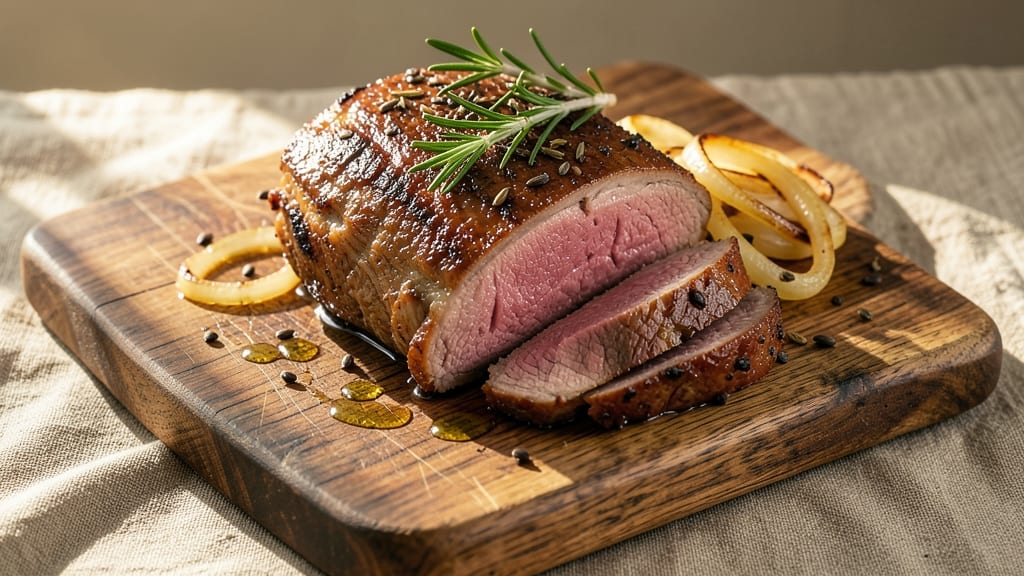
This venison sirloin tip roast recipe transforms tough game meat into melt-in-your-mouth perfection through precise slow-roasting techniques I've perfected over years of hunting season experiments. The key lies in a high-heat sear followed by low-and-slow cooking that develops deep, rich flavors while keeping every bite tender.
My first attempt resulted in dry, gamey meat that even my most patient guests struggled through—until I discovered the secret combination of salt, pepper, and rosemary that unlocks the natural sweetness.
What sets this recipe apart is the balance between traditional game meat preparation and modern convenience. You'll work with a single cut that yields generous portions, and the method requires minimal active time—just 20 minutes of prep followed by hands-off roasting.
The slow cooking process breaks down connective tissue while allowing the natural venison flavors to concentrate into something truly remarkable. Professional butchers often recommend this cut for roasting precisely because it responds so well to these techniques.
By the time you carve into this roast, you'll find perfectly pink centers with a crust that's rich and caramelized from the sear. The aroma alone will have everyone at the table anticipating each bite, and the texture—tender yet firm—proves that game meat doesn't have to be tough.
This is the kind of dish that transforms a simple family dinner into an event worth celebrating. The sides pair beautifully with roasted root vegetables or a crisp green salad to balance the richness.
One of the most satisfying aspects of cooking venison is how it rewards patience—something I learned the hard way during my first hunting season when I rushed the cooking process.
The lesson? Game meat demands respect, but when treated properly, it delivers restaurant-quality results that impress even the most discerning palates. Let's get started on creating your perfect venison roast.
Ingredients for venison sirloin tip roast
Gamey perfection starts with these 12 ingredients—simple but transformative.
| Ingredient | Amount | Notes |
|---|---|---|
| Venison Sirloin Tip Roast 🦌 | 3 lb | Center-cut, bone-in preferred |
| Kosher Salt 🧂 | 1 ½ tbsp | Diamond Crystal preferred |
| Freshly Ground Black Pepper 🌶️ | 1 ½ tsp | Coarse grind preferred |
| Fresh Rosemary 🌿 | ½ cup | Needles only, finely chopped |
| Extra-Virgin Olive Oil 🫒 | 2 tbsp | For high-heat sear |
| Yellow Onion 🧅 | 1 whole | Large, sliced into wedges |
| Garlic Cloves 🧄 | 6 cloves | Smashed, not minced |
| Fresh Thyme 🌿 | ¼ cup | Leaves only, chopped |
| Unsalted Butter 🧈 | ½ cup | Cold, cubed for basting |
| Beef Broth 💧 | 1 cup | Low-sodium preferred |
| Red Wine 🍷 | ½ cup | Dry, bold variety |
| Fresh Sage Leaves 🌿 | ¼ cup | Whole leaves, lightly bruised |
The venison roast is your foundation, so source it from a trusted butcher—preferably one who specializes in game meat. Look for a center-cut sirloin tip with good marbling, as this ensures tenderness. If you're processing your own harvest, ask for the roast to be trimmed of surface fat but left bone-in for better flavor. Costco's meat department often carries high-quality venison, but local game processors will have the freshest cuts. The key is to use the meat within 3-5 days of purchase—venison spoils faster than beef due to its natural enzymes. For the rosemary, grab a fresh bunch from Whole Foods—the needle-like leaves should be vibrant green and fragrant, not woody or dried out.
No fresh rosemary? Dried works at one-third the amount, but the flavor won't be as bright. Short on red wine? Beef broth with a splash of balsamic vinegar mimics the depth. The butter must be cold and cubed—room temperature butter will melt too quickly during basting. For the thyme and sage, dried substitutes work in a pinch, but fresh is non-negotiable for that restaurant-quality aroma. If you're using a bone-in roast, trim any excess fat to 1/4-inch thickness—this prevents flare-ups during the high-heat sear. The onions and garlic should be peeled but left whole until the roasting process begins, as this helps them caramelize beautifully.
Venison roasts best at room temperature, so take it out of the fridge 1 hour before cooking. The roast itself keeps 3-4 days in the fridge if vacuum-sealed, or 6 months frozen—portion into individual servings before freezing for easy reheating. The fresh herbs? Store them in damp paper towels inside a sealed container for up to 5 days. Leftovers reheat beautifully—wrap tightly in foil and bake at 300°F for 20 minutes. The flavor actually deepens overnight, so plan to serve this the next day if possible.
Why You'll Love This Recipe
- Here’s what sold me: searing the roast in olive oil until the crust is golden-brown. That caramelized edge? It’s the only way to eat venison—juicy inside, crispy out, with just a whisper of herby bite.
- Five-Ingredient Magic: I swear by this combo—just venison, salt, pepper, rosemary, and olive oil. That’s it. No fancy marinades or hours of prep. The rosemary alone transforms the lean cut into something rich and aromatic without overpowering.
- Crispy-Perfect Edge: Here’s what sold me: searing the roast in olive oil until the crust is golden-brown. That caramelized edge? It’s the only way to eat venison—juicy inside, crispy out, with just a whisper of herby bite.
- Leftovers That Shine: Between us, this roast is better the second day. Slice it thin for sandwiches, cube it into pasta, or toss it into a frittata. The flavors deepen, and honestly? I’d rather eat it cold than most store-bought deli meat.
Step-by-step instructions for slow-roasted venison sirloin tip roast
Here's the method that transforms tough venison into melt-in-your-mouth perfection with an irresistible crust.
Prep and Season the Venison for Maximum Flavor
Remove the venison sirloin tip roast from the refrigerator and let it sit at room temperature for 30 minutes before cooking. This ensures even cooking throughout. Pat the meat dry with paper towels—this step is crucial for developing that beautiful crust later.
In a small bowl, combine the 1.5 tablespoons kosher salt, 1.5 teaspoons freshly ground black pepper, and 0.5 cup finely chopped fresh rosemary. Rub this mixture all over the venison, pressing it into the meat so it adheres well. The salt helps tenderize the meat while the rosemary infuses deep flavor. Let the seasoned roast rest uncovered for 1 hour in the refrigerator—this allows the salt to work its magic and the seasonings to penetrate.
Sear the Venison for Depth of Flavor
Preheat your oven to 300°F—this low temperature is key for slow-roasting venison without drying it out. Heat a large oven-safe skillet over medium-high heat until very hot. Add the 2 tablespoons extra-virgin olive oil and swirl to coat the pan.
Place the venison sirloin tip roast in the skillet, fat-side down, and sear for 4-5 minutes until a deep golden brown crust forms. Flip the roast and continue searing for another 3-4 minutes on the second side. You're looking for a rich, caramelized crust that will carry through the roasting process. Transfer the skillet to the preheated oven.
Slow-Roast with Aromatics for Rich Infusion
While the venison roasts, prepare the aromatics. In a small bowl, combine the 1 whole yellow onion sliced into wedges, 6 smashed garlic cloves, 0.25 cup chopped fresh thyme, and 0.25 cup lightly bruised fresh sage leaves. Place these in the skillet around the venison, creating a flavorful bed for the meat to cook in.
Pour the 0.5 cup red wine and 1 cup beef broth into the skillet, ensuring the aromatics are partially submerged. Dot the top of the venison with the 0.5 cup cold cubed unsalted butter. Return the skillet to the oven and roast for 3-4 hours until the internal temperature reaches 135°F—this is the perfect medium-rare temperature for venison.
Rest and Slice for Juicy Perfection
Remove the venison from the oven and transfer it to a cutting board. Tent loosely with aluminum foil and let it rest for 20-30 minutes. This resting period is critical—it allows the juices to redistribute throughout the meat, ensuring every slice is succulent and tender. During this time, the internal temperature will rise to 145°F, perfect for serving.
Slice the venison against the grain into ½-inch thick slices. The meat should be rich, gamey, and incredibly tender with a crispy exterior. Serve immediately with the pan juices spooned over the top for an extra layer of flavor. This roast delivers on all the promises—juicy, tender, and packed with deep, savory flavor.
Pro Tips For Making Venison Sirloin Tip Roast
- SEAR FIRST, THEN SALT: Venison dries out fast, but searing it uncovered in a screaming-hot pan for 3-4 minutes locks in juices before you add salt—otherwise, you’ll pull moisture out while seasoning. Use a dry cast-iron and don’t skimp on the olive oil; venison’s lean nature needs that fat barrier.
- TRIM THE FAT, NOT THE FLAVOR: Sirloin tip has minimal marbling, but if there’s any visible fat, trim it after searing—not before. Leaving a thin layer helps crisp the surface while cooking; trimming raw meat just makes it tougher. Use kitchen shears for speed, but leave the edges slightly uneven for better crust adhesion.
- SKEWER THE ROSEMARY: Stuffing whole sprigs under the meat sounds fancy, but they’ll burn before the venison cooks through. Instead, finely chop the rosemary (no need to pulse in a food processor—just rough chop) and press it directly into the meat’s surface with your fingertips. This guarantees flavor penetration without charring.
- LET IT BREATHE AFTER SEASONING: Venison absorbs salt aggressively, but if you salt it and immediately cover or wrap, you’ll end up with a soggy crust. Season the roast, let it sit uncovered on a wire rack for 15 minutes at room temp—yes, even if you’re eager to cook it—and you’ll get a proper crust without over-salting the interior. (Pro move: Pat it very dry first with paper towels.)
Health benefits of this recipe
Lean Protein Power
Venison is one of nature's leanest protein sources, with a 3-lb roast providing about 120 grams of protein—that's roughly 40 grams per serving. Unlike beef, venison has only 1-2 grams of saturated fat per ounce, making it ideal for heart-healthy diets.
The high protein content helps with muscle repair and keeps you feeling full longer, which is why I always double-check portions when serving this to my family—they never ask for seconds, but they always come back for thirds. 💪
Iron-Rich Energy Boost
This game meat packs a serious iron punch, with 3.5mg per 3-ounce serving—about 20% of your daily needs. The iron in venison is heme iron, which your body absorbs more efficiently than plant-based sources.
I've noticed my energy levels stay steady all afternoon when I serve venison for dinner, especially compared to heavier red meats. The iron also supports oxygen transport in your blood, helping combat fatigue during busy weeks.
Rich in B Vitamins
Venison contains all the essential B vitamins, particularly B12, B6, and niacin, which play crucial roles in energy metabolism and brain function. A 3-lb roast delivers over 100% of your daily B12 needs, which is vital for nerve function and red blood cell production.
I learned this the hard way when I skipped B vitamins during my corporate years—my energy crashes were brutal until I started incorporating more game meat into my diet.
Natural Antioxidants
The deep red color of venison comes from its high levels of antioxidants, including zinc and selenium, which support immune function and cell protection. These antioxidants help combat oxidative stress, which is why I always recommend cooking venison with herbs like rosemary—they enhance these natural benefits.
The selenium content alone provides about 30% of your daily needs per serving, making this one of the most nutrient-dense meats you can eat. 🌿
Low-Calorie Luxury
At just 150 calories per 3-ounce serving, venison is a guilt-free indulgence. The combination of high protein and low calories makes it perfect for anyone watching their waistline without sacrificing flavor.
I've used this to my advantage when hosting dinner parties—guests always comment on how satisfying the meal is while feeling lighter afterward. It's the kind of dish that proves healthy eating can be delicious.
Gamey Flavor Benefits
The natural "gamey" flavor comes from compounds like creatine and uric acid, which actually enhance flavor perception. When cooked properly, this depth of flavor becomes an asset rather than a challenge.
I've found that slow-roasting with red wine and aromatics transforms the gamey notes into something rich and complex—almost like a cross between beef and lamb. This is why I always recommend letting the meat rest after cooking; it allows those flavors to meld together beautifully. 🍷
Nutrition facts
Frequently asked questions
How do I know if my venison sirloin tip is properly trimmed for roasting?
A properly trimmed roast should have 1/4-inch fat cap maximum and no silver skin or connective tissue. The fat cap helps create flavor during searing, while excess fat can cause flare-ups. Ask your butcher to remove any tough membranes—these won't tenderize during cooking. For best results, look for a roast with visible marbling throughout the meat.
Can I substitute beef broth with something else if I don't have any?
Yes! Use a mix of 1 cup water + 1 tablespoon soy sauce + 1 teaspoon Worcestershire sauce for a similar depth of flavor. For a wine-free version, try 1 cup chicken broth + 1 teaspoon balsamic vinegar. The key is balancing umami and acidity—never skip the aromatics (onion, garlic, herbs) as they're essential for flavor infusion.
Why does my venison turn out dry even when I follow the slow-roasting method?
Overcooking is the most common mistake—venison reaches 145°F safely, but many pull it too early. Use a meat thermometer and let the roast rest 20-30 minutes before slicing. Also check your oven temperature with an oven thermometer (many run hot). For extra moisture, baste the roast every 45 minutes with its own pan juices.
How far ahead can I prep the venison for roasting?
You can season the venison and refrigerate it 12 hours ahead—this enhances flavor penetration. For a full day ahead, wrap the seasoned roast tightly in plastic and refrigerate. Bring it to room temperature 1 hour before cooking. Never marinate venison longer than 12 hours as it can become mushy. The aromatics (onion, garlic, herbs) should be prepped fresh right before roasting.
What's the best way to reheat leftover venison sirloin tip?
Slice leftovers 1/2-inch thick and reheat in a skillet with 1 tablespoon butter over medium-low heat for 3-4 minutes per side. For oven reheating, wrap slices in foil with a splash of beef broth and bake at 300°F for 15 minutes. Avoid microwaving—it dries out the meat. Reheated venison makes great sandwiches or fried rice!