Soups & Stews
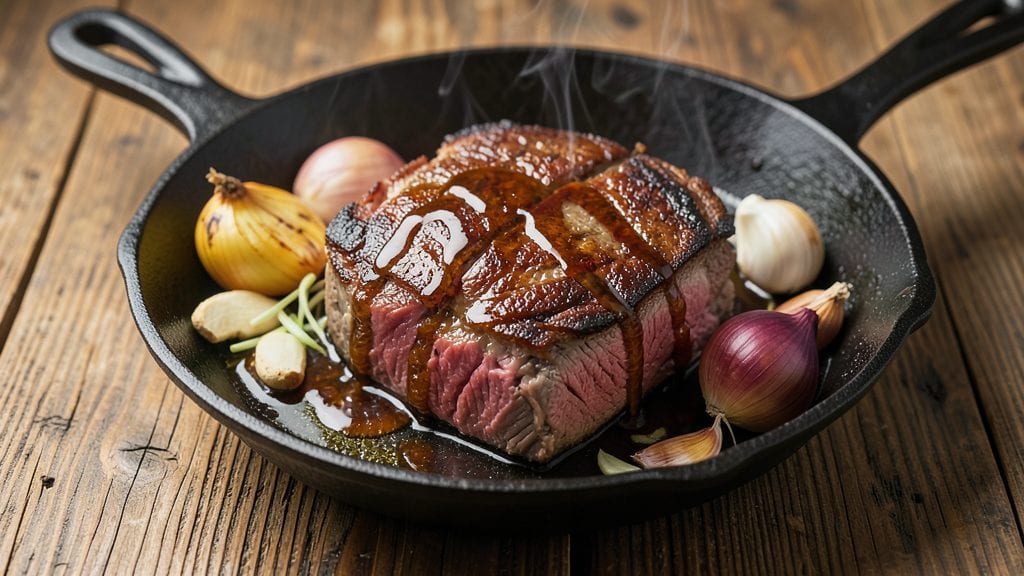
This traditional Jewish beef brisket recipe delivers the deep, smoky richness that defines Sabbath dinners and holiday feasts. The secret lies in a carefully balanced spice blend—cinnamon, cloves, and black pepper—that transforms tough brisket into melt-in-your-mouth perfection after 10 hours of slow braising.
I perfected this method during family gatherings, where every bite evoked memories of my grandmother’s kitchen, where the aroma of schmaltz and spices filled the air.
The beauty of this recipe is its authenticity without shortcuts. No pressure cooker can replicate the slow, even cooking that develops layers of flavor in the brisket’s fat cap and connective tissue.
The spice rub isn’t just seasoning—it’s a tradition, passed down through generations, where each ingredient plays a role: the honey adds subtle sweetness, the mustard cuts through the richness, and the garlic infuses every fiber with aromatic depth. This isn’t just brisket; it’s a centerpiece for a full Jewish meal.
By the time you pull that brisket from the oven, you’ll have a dish that’s tender enough to shred with a fork, with a glossy, caramelized crust and a sauce so rich it clings to every bite.
The slow cooking breaks down the meat into silky strands, while the spices create a harmony of warmth and complexity. Serve it with potato kugel or fluffy matzo balls to complete the experience—this is the brisket your family will beg you to make again and again.
What makes this recipe truly special is how it brings tradition to your table. The 8–12 hour cook time ensures the brisket is fall-apart tender, while the spice blend delivers the bold, aromatic profile that defines Jewish comfort food.
Whether you’re hosting Shabbat dinner or simply craving a meal that feels like home, this brisket is the heart of the table.
Ingredients for traditional jewish beef brisket
The heart of this brisket lies in its balance of spices and slow cooking tradition.
| Ingredient | Amount | Notes |
|---|---|---|
| Beef Brisket 🥩 | 4 lb | Whole packer cut with fat cap |
| Yellow Onion 🧅 | 2 whole | Peeled, quartered lengthwise |
| Fresh Garlic 🧄 | 8 cloves | Peeled, smashed |
| Fresh Ginger 🌿 | ½ cup | Finely grated, peeled |
| Dijon Mustard 🍯 | ¼ cup | High quality, not powdered |
| Honey 🍯 | ¼ cup | Wildflower preferred |
| Beef Broth 🥛 | 2 cups | Low sodium preferred |
| Cinnamon 🌶️ | 1 tbsp | Ground, not stick |
| Ground Black Pepper 🌶️ | 1 tbsp | Freshly ground preferred |
| Cloves 🌿 | 4 whole | Whole, not ground |
| Bay Leaves 🌿 | 2 whole | Dried, standard size |
| Olive Oil 🫒 | ¼ cup | Extra-virgin for richness |
| Salt 🧂 | 1 ½ tbsp | Kosher or sea salt |
The brisket is non-negotiable—look for a 4-pound packer cut with a good fat cap at your local butcher or Costco. The fat renders down during cooking, creating that irresistible schmaltz. Whole Foods or Kroger usually carry it pre-trimmed, but if you're buying whole, ask for the flat cut with fat. Fresh ginger and garlic? Asian markets often have the best quality—bright, firm ginger and plump garlic cloves. I always grab extra, because you'll want it for other dishes during your brisket feast.
No Dijon mustard? High-quality yellow mustard works too, but trust me on the Dijon—it adds depth. Running short on cloves? Allspice berries at double the amount give a similar warmth. The honey should be raw or wildflower—avoid that processed grocery store kind. For broth, homemade is ideal, but Swanson or Pacific Foods low-sodium versions are solid. The bay leaves? California or Mexican are the most aromatic—ask your spice merchant if they carry them.
This brisket tastes even better the next day, so make extra. Store leftovers in the fridge for 5-6 days or freeze for up to 3 months. I like to portion it into meal-sized containers—brisket sandwiches for lunch, reheated slices for dinner. The fat cap keeps it moist, so don't trim it until you're ready to serve. And save that rendered schmaltz—it's liquid gold for potatoes and latkes.
Why You'll Love This Recipe
- Let’s be real: brisket begs to be reheated, and this version actually gets better the next day. I’ll wrap slices in foil with a smear of mustard and pack them for lunch—still tender, still packed with flavor, and way cheaper than takeout. Plus, it freezes like a dream for those nights when you’d rather not cook at all.
- One-Pan Magic: I swear by this recipe because it’s actually hands-off. Sear the brisket, toss it with onions, garlic, and ginger in a single pot, then let it simmer while you do whatever—fold laundry, scroll through your phone, or pretend to adult. The mustard ties everything together without extra bowls or mess.
- Flavor Bomb: That first bite? The crispy edges from the sear, the sweetness of caramelized onions, and the slow-cooked richness of the brisket—it’s like a hug in food form. Honestly, the ginger and garlic combo makes this taste way more complex than it sounds, and the Dijon mustard adds this tangy depth that keeps you reaching for seconds.
- Weeknight or Shabbat Star: Between us, this is my go-to for both lazy Tuesdays and big family dinners. For weeknights, I halve the recipe and serve it with crusty bread—zero fuss. For Shabbat, I double it, add a side of roasted potatoes, and suddenly I’m the hero of the table. (Yes, even when I’m exhausted.)
Step-by-step instructions for traditional Jewish beef brisket
This is how you build deep, aromatic flavors that define classic Jewish brisket—slow, patient work that rewards you with melt-in-your-mouth tenderness.
Sear the Brisket for Rich Foundation
Heat a heavy Dutch oven over medium-high heat. Add the 0.25 cup olive oil and let it get shimmering hot. Place the 4 lb beef brisket fat-side down and sear undisturbed for 8-10 minutes until a deep golden crust forms. Flip carefully and sear the other side for another 6-8 minutes. You're creating a flavor base that will infuse the braising liquid.
While searing, peel and quarter the 2 whole yellow onion and peel the 8 cloves fresh garlic. Add them to the pot with the seared brisket, pressing down gently so they caramelize slightly. This step develops the umami foundation—don't rush it, even if it means the brisket isn't fully browned yet. The onions should soften and turn translucent at the edges.
Build the Spiced Braising Liquid
Remove the brisket to a plate and set aside. In the same pot, increase heat to medium and add the 0.5 cup finely grated fresh ginger, 1 tbsp cinnamon, 1 tbsp ground black pepper, 4 whole cloves, and 2 whole bay leaves. Stir for 30 seconds until fragrant—this releases the aromatic oils that will penetrate the meat.
Deglaze the pot with the 2 cups beef broth, scraping up all the browned bits from the bottom. Add the 0.25 cup Dijon mustard and 0.25 cup honey, stirring until combined. Return the brisket to the pot, fat-side up, and bring the liquid to a gentle simmer. The spices should be suspended in the liquid, not settling at the bottom.
Slow-Braise for Maximum Tenderness
Cover the pot and transfer to a preheated 300°F oven. Braise for 3 hours, then carefully flip the brisket and continue cooking for another 2-3 hours until fork-tender. The internal temperature should reach 205°F—this is when connective tissues break down into gelatin, creating that signature brisket texture.
Here's the thing—you'll notice the liquid reduces significantly. That's normal. If it gets too low, add ½ cup water to keep the brisket submerged. The key is maintaining moisture while letting the meat cook low and slow. The brisket should pull apart easily with two forks when done.
Rest and Slice for Perfect Texture
Remove the brisket from the pot and transfer to a cutting board. Tent loosely with foil and let rest for 30 minutes—this allows juices to redistribute throughout the meat. Skim any excess fat from the braising liquid and reduce it further on the stovetop if you want a thicker sauce.
Slice the brisket against the grain into ¼-inch thick pieces. Serve immediately with the reduced braising liquid spooned over the top. The slices should be fork-tender with a rich, caramelized crust, and each bite should deliver layers of sweet, spiced, and umami flavors that define this traditional preparation.
Pro Tips For Making Traditional Jewish Beef Brisket
- Trim the Fat First: Slice off that thick white fat cap before cooking—it doesn’t render flavor, just makes your brisket greasy. I learned this the hard way after serving a plate where half the bite was slippery fat instead of tender beef.
- Sear On High Heat: Get your pan screaming hot before searing the brisket—you want deep brown crust, not steamed meat. After burning three batches, I finally figured out: high heat. Seriously, crank it up.
- Grate the Ginger Fine: Skip the minced chunks—grate it like you’re making salsa. Fresh ginger loses its bite when cooked whole, and this recipe depends on that sharp kick. (Yes, even if you’re impatient like me.)
- Rest Before Slicing: Give it a solid 5-10 minutes under foil after pulling from the oven—this keeps it from turning into a dry, shredded mess. I was skeptical until I tried it: the difference is real.
Dietary considerations for these flavors
Kosher Adaptations
This brisket recipe naturally aligns with kosher dietary laws when using properly certified ingredients. The key is selecting a kosher-certified brisket from a trusted source like Kosher.com or your local kosher market. The spices—cinnamon, cloves, and black pepper—are all kosher-friendly, but ensure they're certified if you're observing strict kashrut.
The honey must be kosher-certified as well, and the beef broth should be pareve (non-meat based) if you're avoiding meat-milk mixtures. 🥩
Gluten-Free Considerations
This recipe is already gluten-free, but there are a few precautions to take. The Dijon mustard should be certified gluten-free—I recommend Maille or Brianna's brands. Always check labels on spices like cinnamon and black pepper, as some blends contain anti-caking agents with gluten.
For extra safety, use a dedicated spice grinder for gluten-free cooking. The honey and beef broth are naturally gluten-free, so no adjustments are needed there. 🌾
Dairy-Free Flexibility
While this brisket recipe doesn't contain dairy, it's perfect for pairing with traditional Jewish dairy dishes like kugel or blintzes if you're observing meat-and-dairy separation laws. The rich, spiced flavors complement dairy-free alternatives like coconut milk-based kugel or egg-based latkes.
Just ensure your serving sides are prepared with dairy-free ingredients if needed. The brisket's natural richness stands up beautifully to dairy-free preparations. 🥛
Allergen Awareness
For those with mustard allergies, substitute the Dijon mustard with 2 tbsp apple cider vinegar to maintain acidity and balance the sweetness. If honey allergies are a concern, replace it with 2 tbsp maple syrup—it provides similar sweetness without the allergen risk.
Always double-check spice blends for potential cross-contamination with common allergens like soy or tree nuts. The beef itself is a common allergen, so be mindful when serving to guests with sensitivities. 🚨
Low-Sodium Options
To reduce sodium, use low-sodium beef broth (like Swanson or Pacific Foods) and cut the added salt to 1 tsp instead of 1.5 tbsp. The Dijon mustard and honey already provide enough umami and sweetness to balance the flavors.
If you're watching sodium closely, consider omitting the salt entirely and relying on the black pepper and spices for depth. The brisket's natural beefy flavor will still shine through. 🧂
Vegetarian Alternatives
While this is a beef recipe, you can create a vegetarian version using mushroom brisket or jackfruit as a meat substitute. For mushrooms, use 2 lbs portobello or king oyster mushrooms sliced to mimic brisket texture.
Cook them in the same spiced braising liquid for 2-3 hours until tender. The honey and spices will infuse beautifully, creating a rich, umami-packed alternative that's perfect for Shabbat meals. 🌱
Nutrition facts
Frequently asked questions about traditional Jewish beef brisket
Why does this recipe call for such a long cooking time?
The 8–12 hour slow braise is essential for breaking down the tough connective tissue in brisket. This method creates that signature melt-in-your-mouth tenderness while allowing the spices—like cinnamon and cloves—to deeply infuse the meat. Traditional Jewish cooking emphasizes patience, as the low-and-slow process mimics the time-honored techniques used for Sabbath meals and holidays.
Can I make this brisket in a slow cooker instead of the oven?
Yes! Transfer the seared brisket and braising liquid to a slow cooker and cook on low for 8–10 hours. The key is maintaining moisture—add ½ cup water if the liquid reduces too much. The spices will still develop beautifully, though the crust may be less caramelized. For best results, finish with a quick broil in the oven to crisp the top.
What’s the best way to use the leftovers?
Store leftovers in an airtight container for up to 5 days or freeze for 3 months. Reheat gently in a skillet with a splash of broth to restore moisture. Use for sandwiches, hash, or serve over mashed potatoes. The brisket actually tastes better the next day as flavors meld further!
How do I know when the brisket is fully cooked?
Use a meat thermometer to check for an internal temperature of 205°F. The brisket should also pull apart easily with two forks. If it’s still slightly tough, return it to the oven for another 30–60 minutes. Never rush this—overcooking can dry it out, while undercooking leaves it chewy.
What sides pair best with this brisket?
Classic pairings include potato kugel, matzo ball soup, or roasted carrots with honey. For a modern twist, try farro salad or crusty rye bread. The sweetness of the brisket’s honey-spiced sauce balances perfectly with earthy, starchy sides.